What if nonhuman primate research goes away?
Recent articles
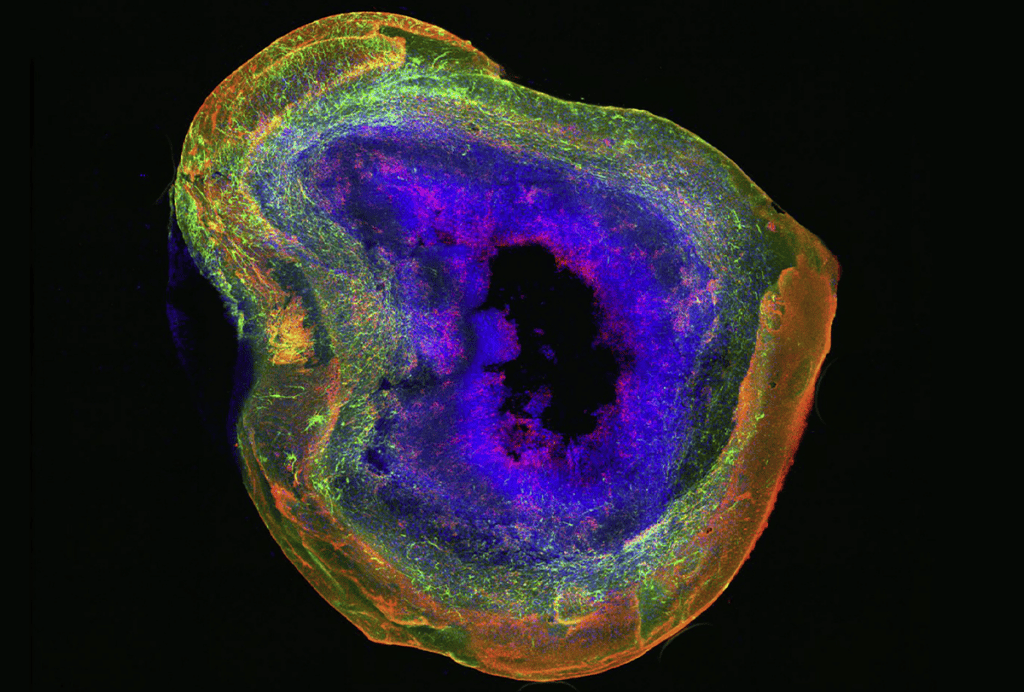
Human brain organoids come of age—but still have room to grow
The U.S. government has touted organoids as an alternative to animals for studying the brain. The model has improved since its debut in 2013, but scientists are still working to overcome key limitations: immaturity, consistency and the lack of vascularization.
The neuroscience questions that need nonhuman primates
The Transmitter asked 17 neuroscientists what questions might remain unanswered if support for nonhuman primate research continues to decline.
The neuroscience questions that need nonhuman primates
The Transmitter asked 17 neuroscientists what questions might remain unanswered if support for nonhuman primate research continues to decline.
U.S. national primate research centers face an uncertain future
The facilities were meant to last 100 years. Four decades shy of that mark, amid flatlined funds and mounting political pressure, their directors are trying to find a path forward.
U.S. national primate research centers face an uncertain future
The facilities were meant to last 100 years. Four decades shy of that mark, amid flatlined funds and mounting political pressure, their directors are trying to find a path forward.
What if nonhuman primate research goes away?
As the U.S. government takes steps to stop using nonhuman primates in research, The Transmitter investigates what that shift could mean for neuroscience.
What if nonhuman primate research goes away?
As the U.S. government takes steps to stop using nonhuman primates in research, The Transmitter investigates what that shift could mean for neuroscience.
Explore more from The Transmitter
Remembering Gerry Fischbach, ‘orchestra conductor’ who brought scientists together
Fischbach, who died 25 October, elucidated the dynamic changes in neuromuscular junctions. Beyond the lab, he shaped careers, academic departments and scientific societies.
Remembering Gerry Fischbach, ‘orchestra conductor’ who brought scientists together
Fischbach, who died 25 October, elucidated the dynamic changes in neuromuscular junctions. Beyond the lab, he shaped careers, academic departments and scientific societies.
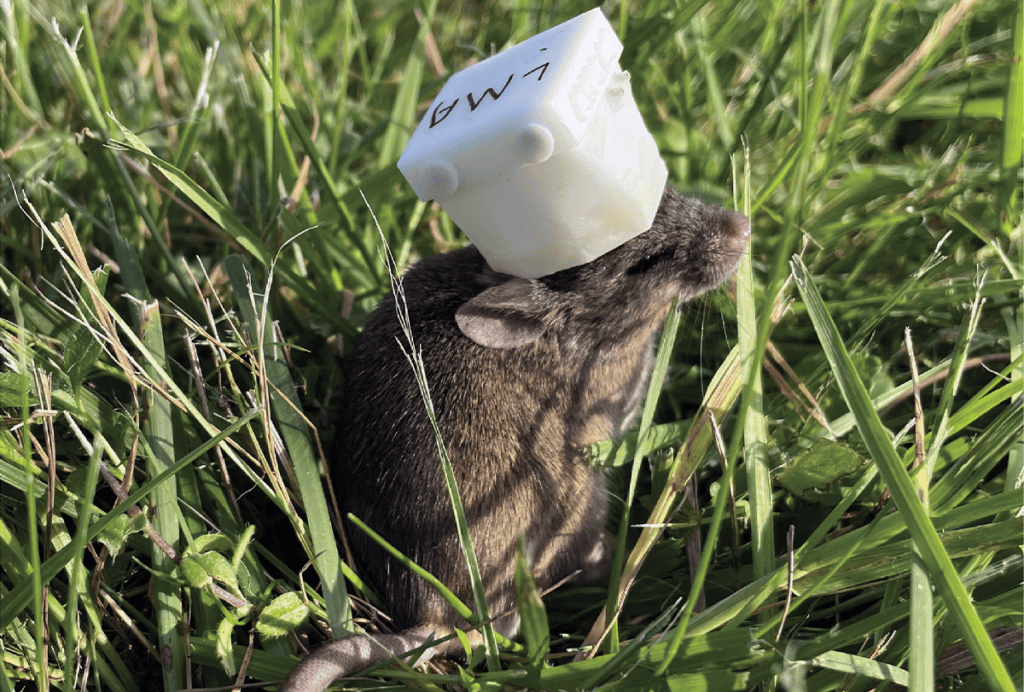
WILD platform levels up ability to record brain activity, behavior in nature
The customizable rig combines multimodal recording, onboard processing and neuronal manipulation to power more complex experiments.
WILD platform levels up ability to record brain activity, behavior in nature
The customizable rig combines multimodal recording, onboard processing and neuronal manipulation to power more complex experiments.
The relationship between structure and function in cortical networks
Michael Reimann explains how the shape of neurons puts strong constraints on how they are wired in a network, and how this affects their structure-function relationships.
The relationship between structure and function in cortical networks
Michael Reimann explains how the shape of neurons puts strong constraints on how they are wired in a network, and how this affects their structure-function relationships.