Animal research
Recent articles
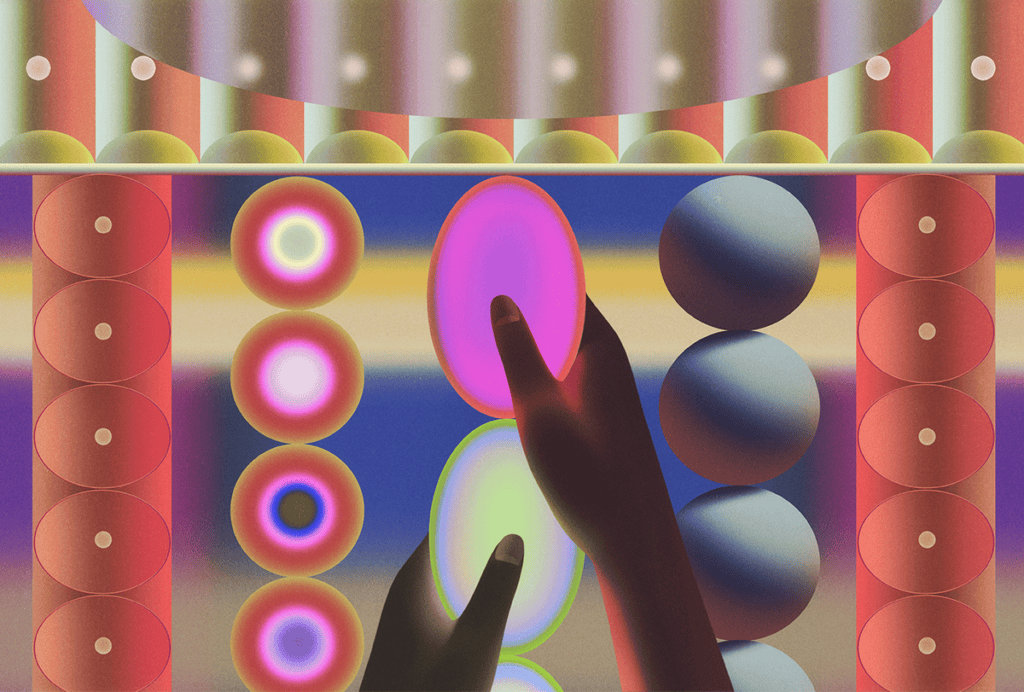
How new technologies can bring primatologists and systems neuroscientists together
The two groups study the same behavioral phenomena yet rarely interact or read each other's work—a mutual blind spot that weakens both fields. New technologies offer a chance to bring them together.
How new technologies can bring primatologists and systems neuroscientists together
The two groups study the same behavioral phenomena yet rarely interact or read each other's work—a mutual blind spot that weakens both fields. New technologies offer a chance to bring them together.
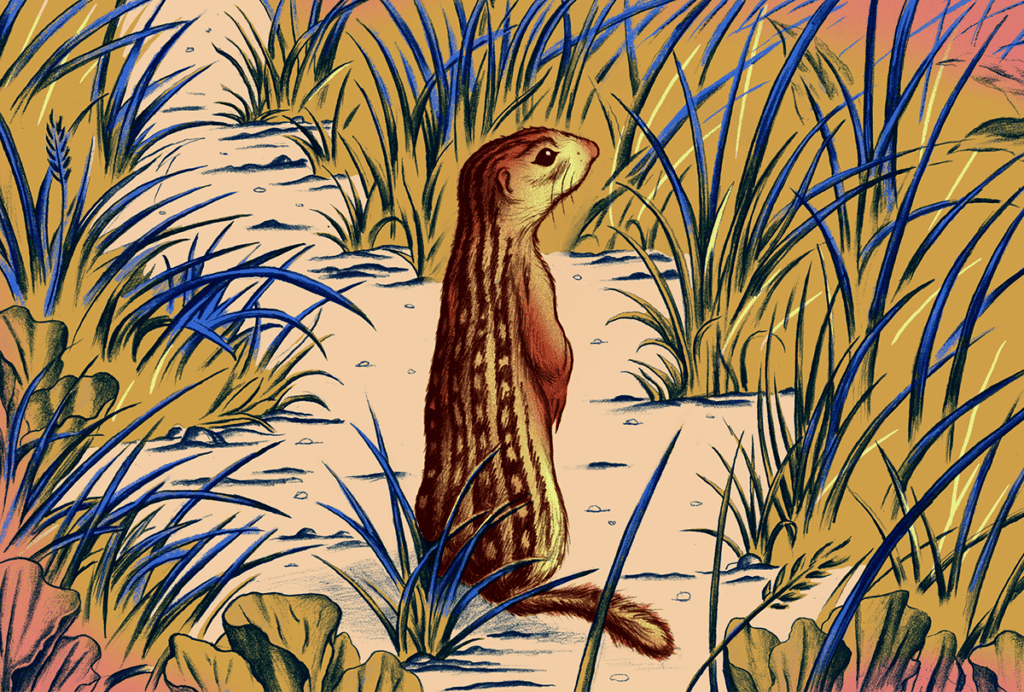
How thirteen-lined ground squirrels illuminate retinal development
In most mammalian retinas, rods outnumber cones. But that ratio is flipped in ground squirrels, a quirk that helps Seth Blackshaw explore how retinal cells develop their identities.
How thirteen-lined ground squirrels illuminate retinal development
In most mammalian retinas, rods outnumber cones. But that ratio is flipped in ground squirrels, a quirk that helps Seth Blackshaw explore how retinal cells develop their identities.
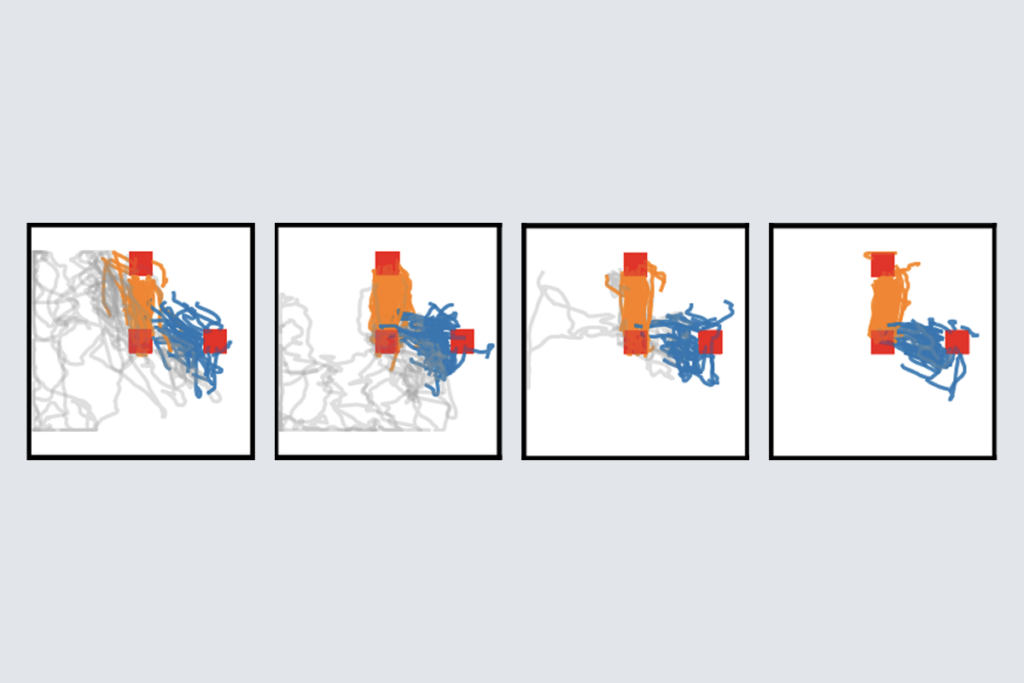
Recording warning: Common brain signal may be misunderstood
High gamma activity in electrophysiologic recordings reflects widespread neural activity, not merely local firing, as previously thought.
Recording warning: Common brain signal may be misunderstood
High gamma activity in electrophysiologic recordings reflects widespread neural activity, not merely local firing, as previously thought.
Plaque levels differ in popular Alzheimer’s mouse model depending on which parent’s variants are passed down
5XFAD model mice that inherit two disease-related genes from their fathers have double the plaques seen in those with maternal inheritance, a new study shows.
Plaque levels differ in popular Alzheimer’s mouse model depending on which parent’s variants are passed down
5XFAD model mice that inherit two disease-related genes from their fathers have double the plaques seen in those with maternal inheritance, a new study shows.
Explore more from The Transmitter

Prevalence of profound autism declines with new definition
The updated, more precise definition used in a CDC study includes adaptive scores.
Prevalence of profound autism declines with new definition
The updated, more precise definition used in a CDC study includes adaptive scores.
Is it time for neuroscience to shift its focus from a computational mind to a navigating mind?
Andrea Hiott explains her navigational approach to the mind, and why now is the time to embrace seemingly paradoxical findings in neuroscience.
Is it time for neuroscience to shift its focus from a computational mind to a navigating mind?
Andrea Hiott explains her navigational approach to the mind, and why now is the time to embrace seemingly paradoxical findings in neuroscience.
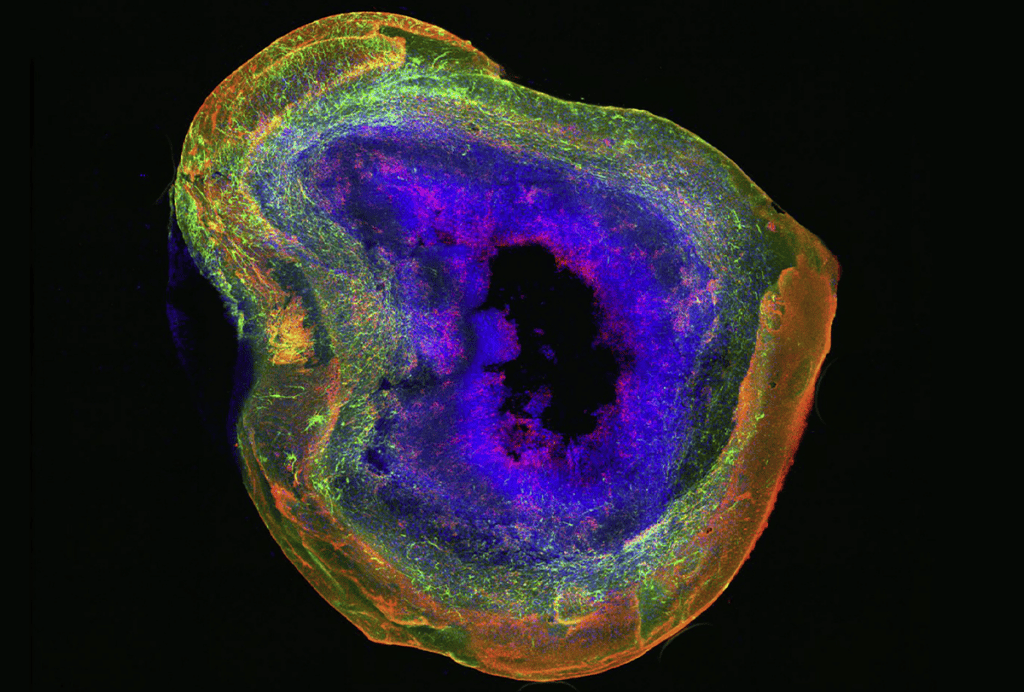
Human brain organoids come of age—but still have room to grow
The U.S. government has touted organoids as an alternative to animals for studying the brain. The model has improved since its debut in 2013, but scientists are still working to overcome key limitations: immaturity, consistency and the lack of vascularization.