Autonomic nervous system
Recent articles
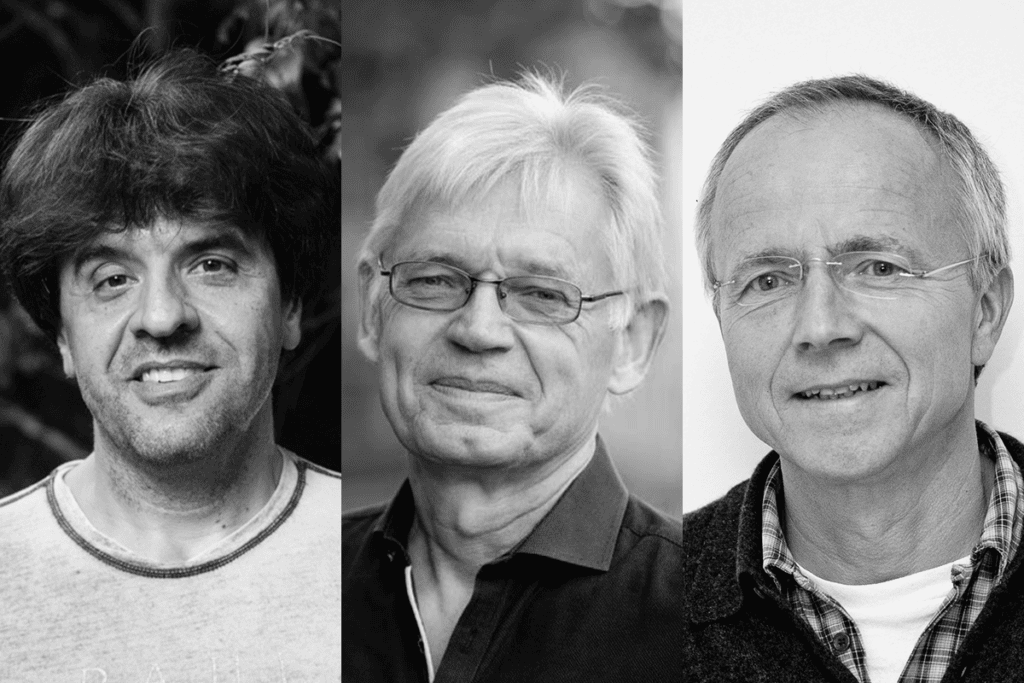
How Nobel Prize-winning optogenetics has revolutionized neuroscience
The technique has enabled neuroscientists to target brain circuits and cells with unprecedented specificity, transforming the study of memory, interoception, brain disorders and reward, among other domains.
How Nobel Prize-winning optogenetics has revolutionized neuroscience
The technique has enabled neuroscientists to target brain circuits and cells with unprecedented specificity, transforming the study of memory, interoception, brain disorders and reward, among other domains.

Faked results lead to retraction of high-profile cancer neuroscience study
An investigation found that the experiments required more animals than the scientists had purchased.
Faked results lead to retraction of high-profile cancer neuroscience study
An investigation found that the experiments required more animals than the scientists had purchased.
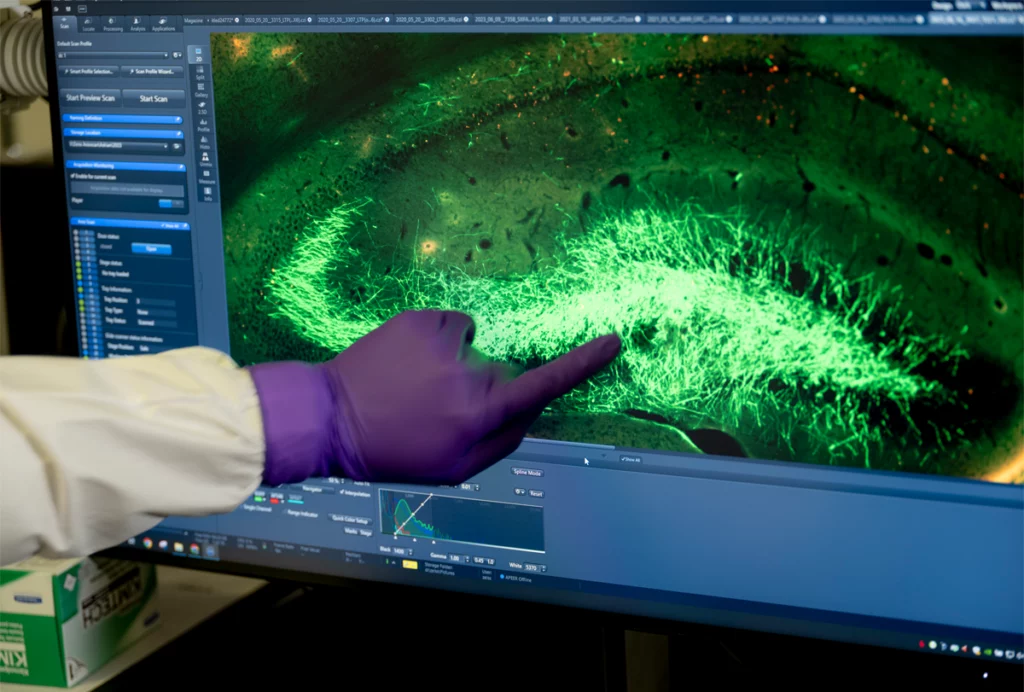
Going deep: The Transmitter’s top long-form stories in 2023
Our favorite features and book excerpts from the past year delved into the neurobiology of cancer; problems with survey data; free will; mathematical minds; and questions around one startup’s quest to treat brain conditions with cell therapies.
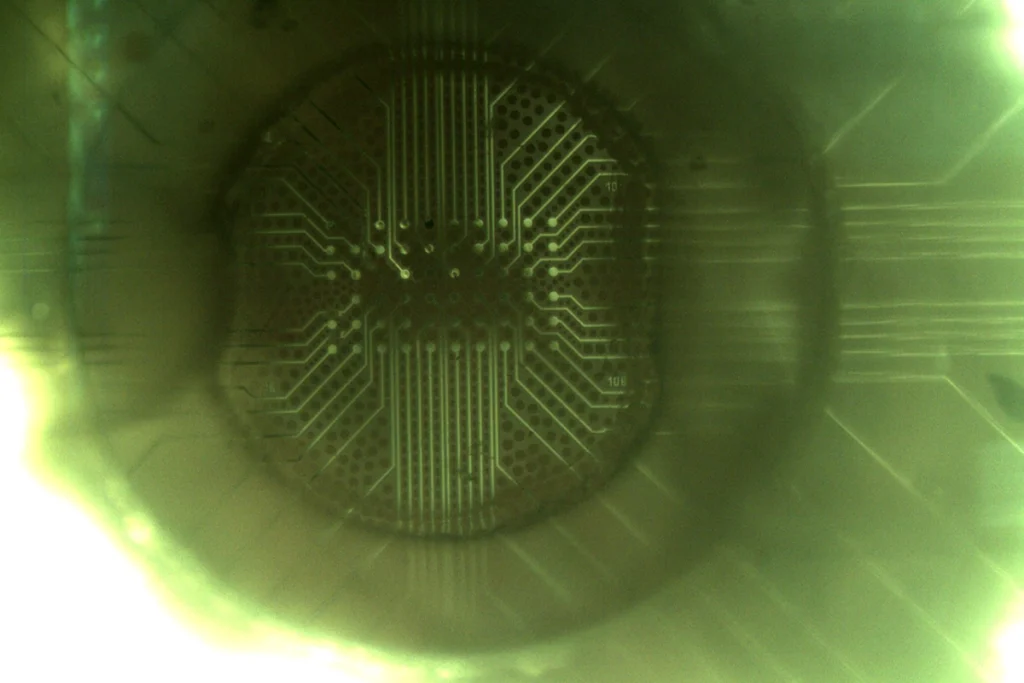
Making cancer nervous
Nerve cells in the brain and throughout the body can turbocharge tumor growth — a finding that not only expands conventional ideas about the nervous system but points to novel therapeutic targets for a range of malignancies.
Making cancer nervous
Nerve cells in the brain and throughout the body can turbocharge tumor growth — a finding that not only expands conventional ideas about the nervous system but points to novel therapeutic targets for a range of malignancies.
Explore more from The Transmitter
Hidden connections in the thalamus: Mapping the electrical synapses of the brain’s attentional gate
New research uses a light-based mapping technique to show that electrical synapses persist in the adult thalamic reticular nucleus, where they link neurons selectively, reach farther than anyone had previously measured, and join together cell types that serve separate streams of sensory information.

‘Shock and pain’ after ICE detains Princeton neuroscientist
Eva Yi Xie, a third-year graduate student in Carlos Brody’s lab at Princeton University, was detained yesterday at an airport in Washington, D.C., while traveling from the Society for Neuroscience meeting.
‘Shock and pain’ after ICE detains Princeton neuroscientist
Eva Yi Xie, a third-year graduate student in Carlos Brody’s lab at Princeton University, was detained yesterday at an airport in Washington, D.C., while traveling from the Society for Neuroscience meeting.

Training graduate students as a teaching professor
Mayank Chugh instructs graduate students in a range of molecular biology techniques at the University of Maryland and carves out time to do metascience research as well.
Training graduate students as a teaching professor
Mayank Chugh instructs graduate students in a range of molecular biology techniques at the University of Maryland and carves out time to do metascience research as well.