Endophenotype
Recent articles
Meet the company trying precision medicine for autism
Swiss biotech Stalicla hopes to bring precision medicine to autism. Experts praise efforts to identify autism subgroups, but evidence to support the company’s claims has yet to be seen.
Meet the company trying precision medicine for autism
Swiss biotech Stalicla hopes to bring precision medicine to autism. Experts praise efforts to identify autism subgroups, but evidence to support the company’s claims has yet to be seen.
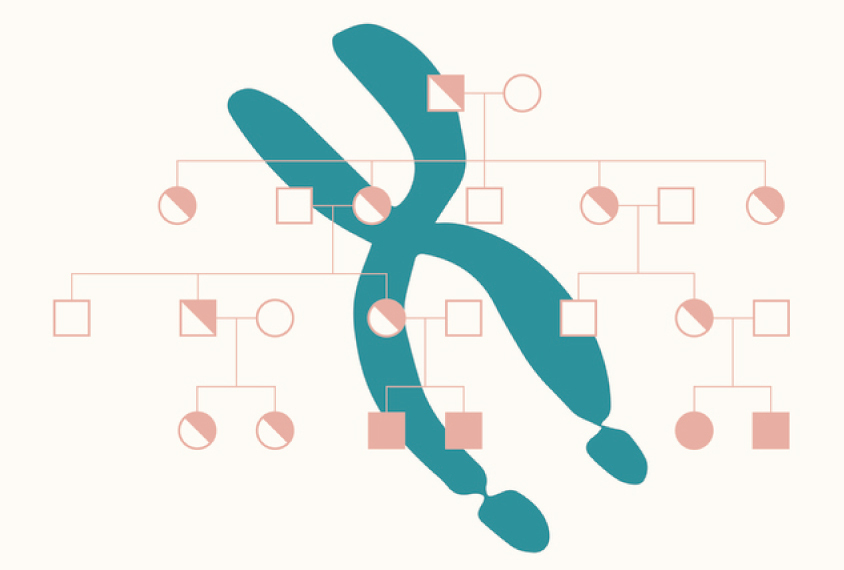
A whisper of autism: Fragile X carriers and the autism phenotype
Among people who carry the fragile X premutation, about 14 percent of boys and 5 percent of girls meet the criteria for autism, but the ‘broad autism phenotype’ may be far more common.
A whisper of autism: Fragile X carriers and the autism phenotype
Among people who carry the fragile X premutation, about 14 percent of boys and 5 percent of girls meet the criteria for autism, but the ‘broad autism phenotype’ may be far more common.
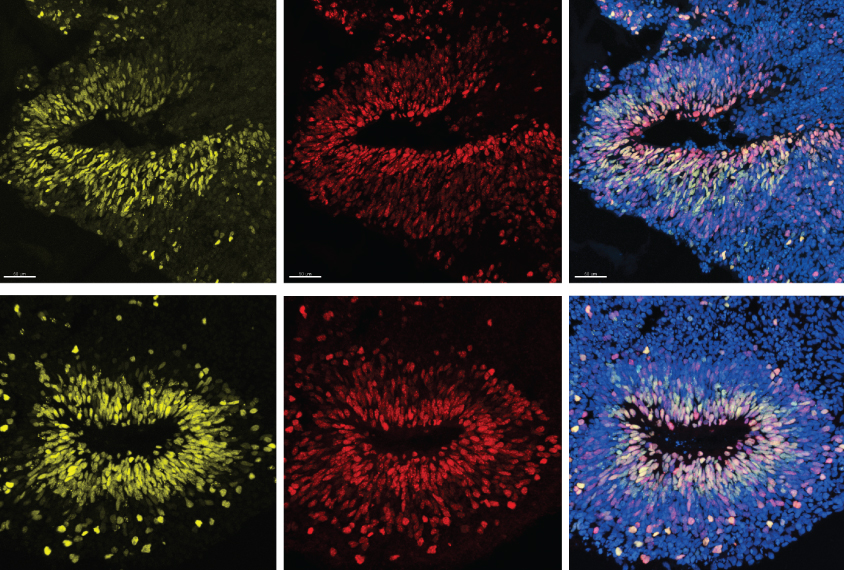
Organoids show how mutations in top autism gene may lead to brain overgrowth in people
The loss of CHD8, a top autism gene, speeds up the production of certain neurons and leads to overgrowth in spheres of cultured brain cells.
Organoids show how mutations in top autism gene may lead to brain overgrowth in people
The loss of CHD8, a top autism gene, speeds up the production of certain neurons and leads to overgrowth in spheres of cultured brain cells.

Traits in mothers may signal gene variants for autism
Autistic children's traits track with subtle, autism-like behaviors in their mothers; women with these traits may also carry a genetic predisposition to the condition.
Traits in mothers may signal gene variants for autism
Autistic children's traits track with subtle, autism-like behaviors in their mothers; women with these traits may also carry a genetic predisposition to the condition.

Siblings of children with autism may process faces their own way
Children who have autistic older siblings have bigger neural responses than controls do in the brain networks that process faces.
Siblings of children with autism may process faces their own way
Children who have autistic older siblings have bigger neural responses than controls do in the brain networks that process faces.
What the ‘broad spectrum’ can teach us about autism
The relatives of autistic people often have mild traits of the condition. Studying these family members could broaden our understanding of autism.
What the ‘broad spectrum’ can teach us about autism
The relatives of autistic people often have mild traits of the condition. Studying these family members could broaden our understanding of autism.

Siblings of children with autism may have trouble with motor tasks
Siblings of children with autism have motor difficulties similar to those in autistic children, but milder.
Siblings of children with autism may have trouble with motor tasks
Siblings of children with autism have motor difficulties similar to those in autistic children, but milder.
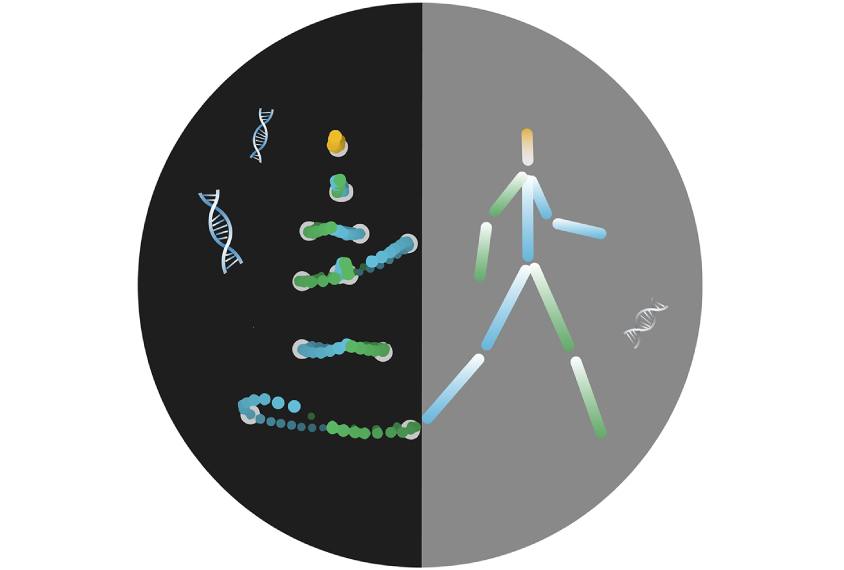
Movement perception, autism traits may share genetic roots
The ability to identify human-like movements is rooted in genetics — and may share those origins with autism traits.
Movement perception, autism traits may share genetic roots
The ability to identify human-like movements is rooted in genetics — and may share those origins with autism traits.

Social gaze patterns strikingly consistent between identical twins
Identical twins, who have virtually the same genetic material, show highly similar patterns of eye movements when looking at faces, suggesting that social gaze is hardwired.
Social gaze patterns strikingly consistent between identical twins
Identical twins, who have virtually the same genetic material, show highly similar patterns of eye movements when looking at faces, suggesting that social gaze is hardwired.
Treatment eases fragile X symptoms in flies, mice
Blocking an enzyme involved in learning and memory corrects brain abnormalities and improves memory in fly and mouse models of fragile X syndrome.
Treatment eases fragile X symptoms in flies, mice
Blocking an enzyme involved in learning and memory corrects brain abnormalities and improves memory in fly and mouse models of fragile X syndrome.
Explore more from The Transmitter
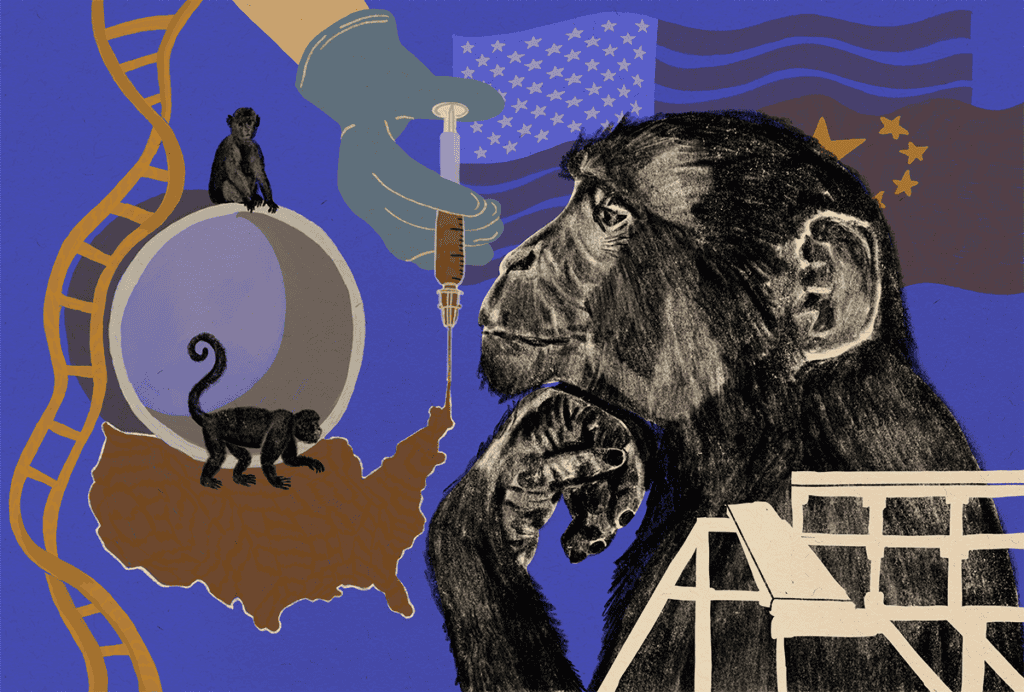
U.S. national primate research centers face an uncertain future
The facilities were meant to last 100 years. Four decades shy of that mark, amid flatlined funds and mounting political pressure, their directors are trying to find a path forward.
U.S. national primate research centers face an uncertain future
The facilities were meant to last 100 years. Four decades shy of that mark, amid flatlined funds and mounting political pressure, their directors are trying to find a path forward.
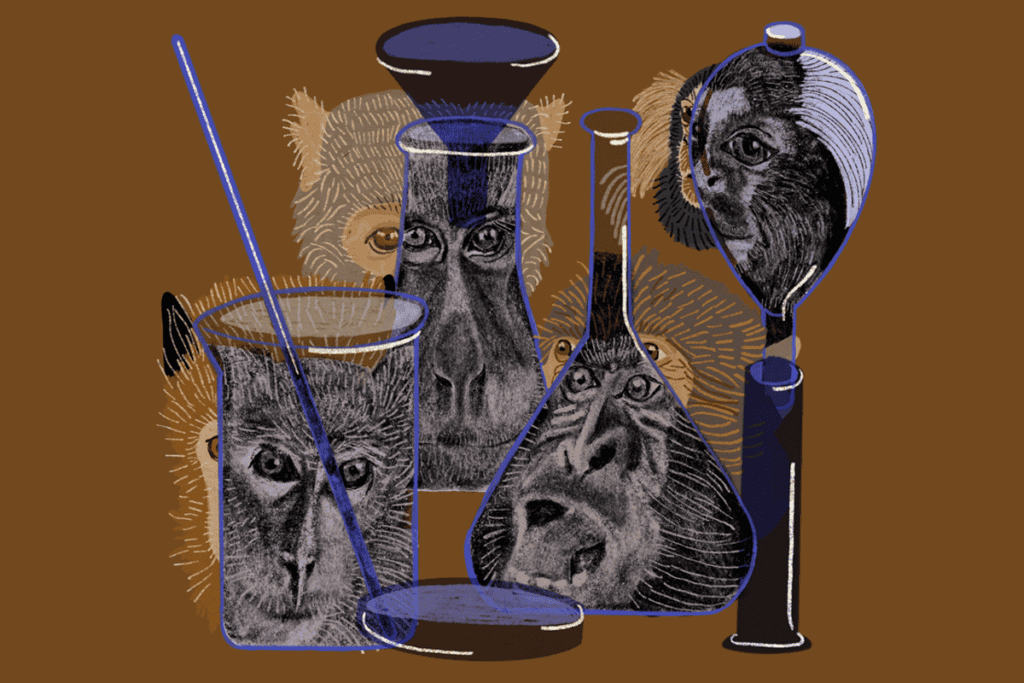
What if nonhuman primate research goes away?
As the U.S. government takes steps to stop using nonhuman primates in research, The Transmitter investigates what that shift could mean for neuroscience.
What if nonhuman primate research goes away?
As the U.S. government takes steps to stop using nonhuman primates in research, The Transmitter investigates what that shift could mean for neuroscience.
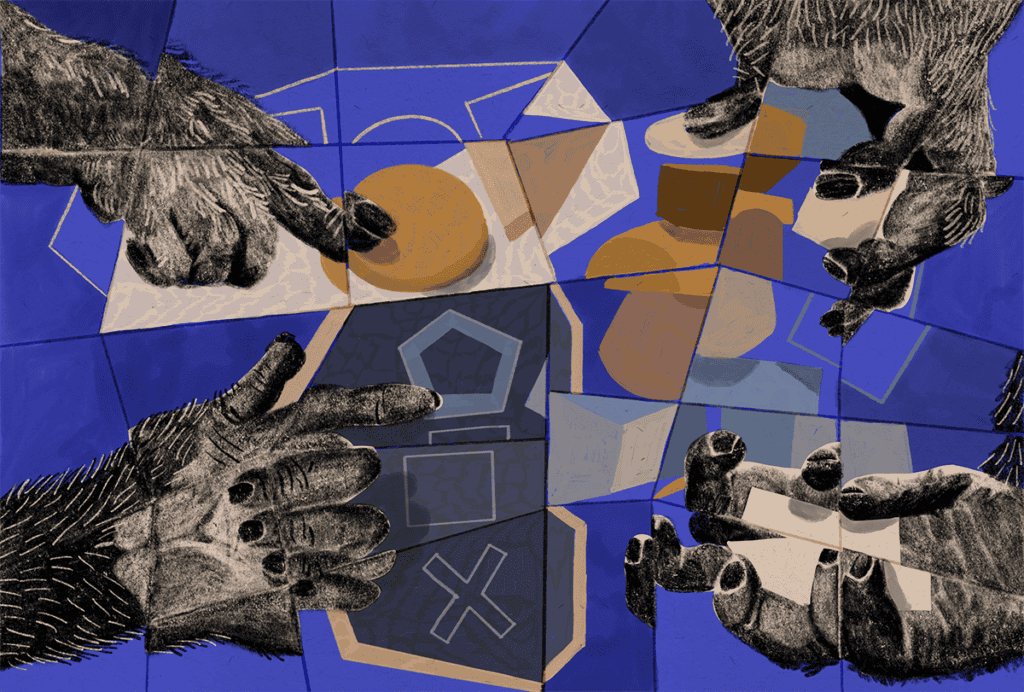
The neuroscience questions that need nonhuman primates
The Transmitter asked 17 neuroscientists what questions might remain unanswered if support for nonhuman primate research continues to decline.
The neuroscience questions that need nonhuman primates
The Transmitter asked 17 neuroscientists what questions might remain unanswered if support for nonhuman primate research continues to decline.