Forebrain
Recent articles
Cortical area remixes macaques’ knowledge blocks to solve new problems
When monkeys draw complex shapes, their neural activity reflects patterns of activation elicited by drawing simpler, component shapes.
Cortical area remixes macaques’ knowledge blocks to solve new problems
When monkeys draw complex shapes, their neural activity reflects patterns of activation elicited by drawing simpler, component shapes.
Cell ‘antennae’ link autism, congenital heart disease
Variants in genes tied to both conditions derail the formation of cilia, the tiny hair-like structure found on almost every cell in the body, a new study finds.
Cell ‘antennae’ link autism, congenital heart disease
Variants in genes tied to both conditions derail the formation of cilia, the tiny hair-like structure found on almost every cell in the body, a new study finds.
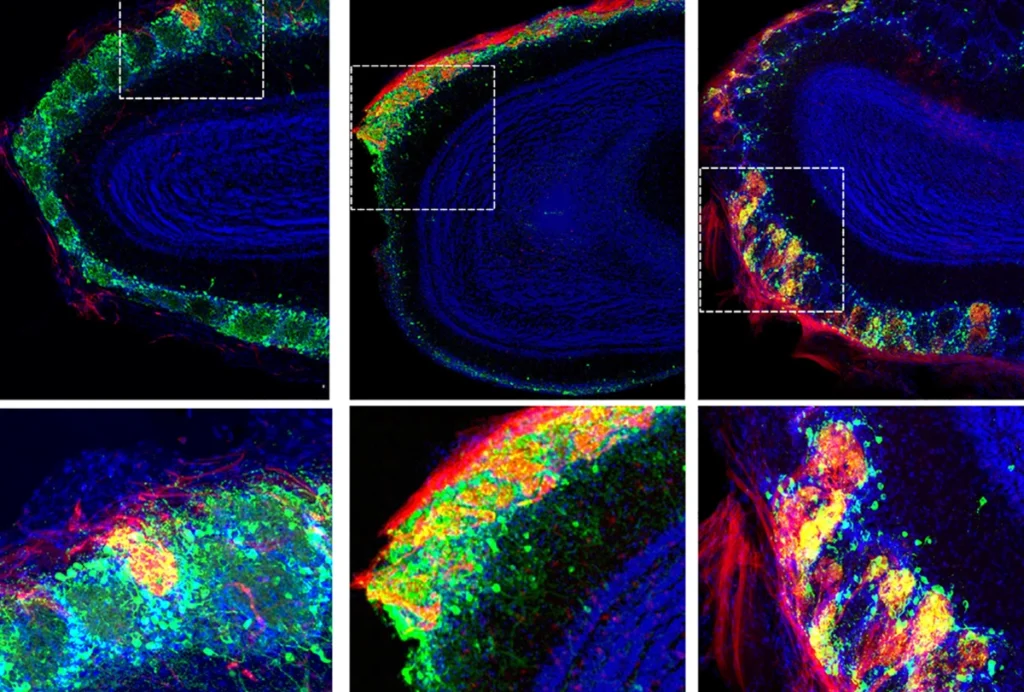
Rat neurons thrive in a mouse brain world, testing ‘nature versus nurture’
Neurons from the two rodents can wire up together to form functional circuits—all while maintaining some species-specific properties, two new studies show.
Rat neurons thrive in a mouse brain world, testing ‘nature versus nurture’
Neurons from the two rodents can wire up together to form functional circuits—all while maintaining some species-specific properties, two new studies show.
Explore more from The Transmitter
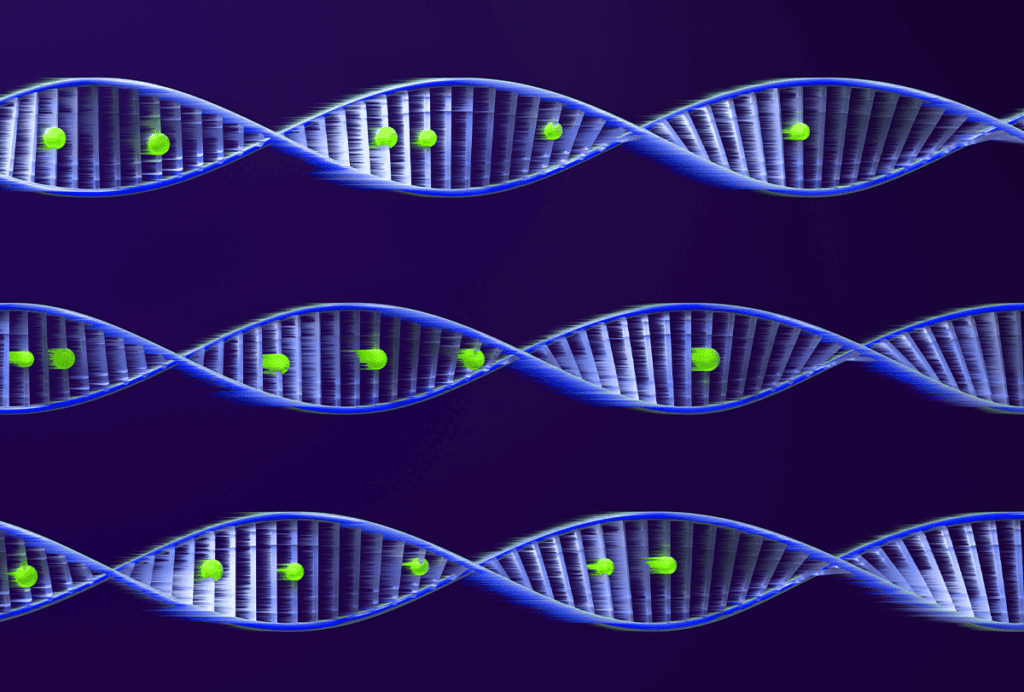
Number of autism-linked genes more than triples in new analyses
In addition to a new preprint that expands the list of genes tied to the condition, two related analyses reveal how variants in those genes contribute to genetic susceptibility.
Number of autism-linked genes more than triples in new analyses
In addition to a new preprint that expands the list of genes tied to the condition, two related analyses reveal how variants in those genes contribute to genetic susceptibility.
How does a control theorist explain cognition?
Maxim Raginsky draws on control theory, engineering and philosophy to explore what makes biological brains intelligent, what artificial intelligence is missing, and what principles underlie biological autonomy.
How does a control theorist explain cognition?
Maxim Raginsky draws on control theory, engineering and philosophy to explore what makes biological brains intelligent, what artificial intelligence is missing, and what principles underlie biological autonomy.
Holographic mesoscope reads, writes from different cortical regions simultaneously
The tool could help reveal how information transmission between areas relates to perception, cognition and behavior.
Holographic mesoscope reads, writes from different cortical regions simultaneously
The tool could help reveal how information transmission between areas relates to perception, cognition and behavior.