Mitochondria
Recent articles
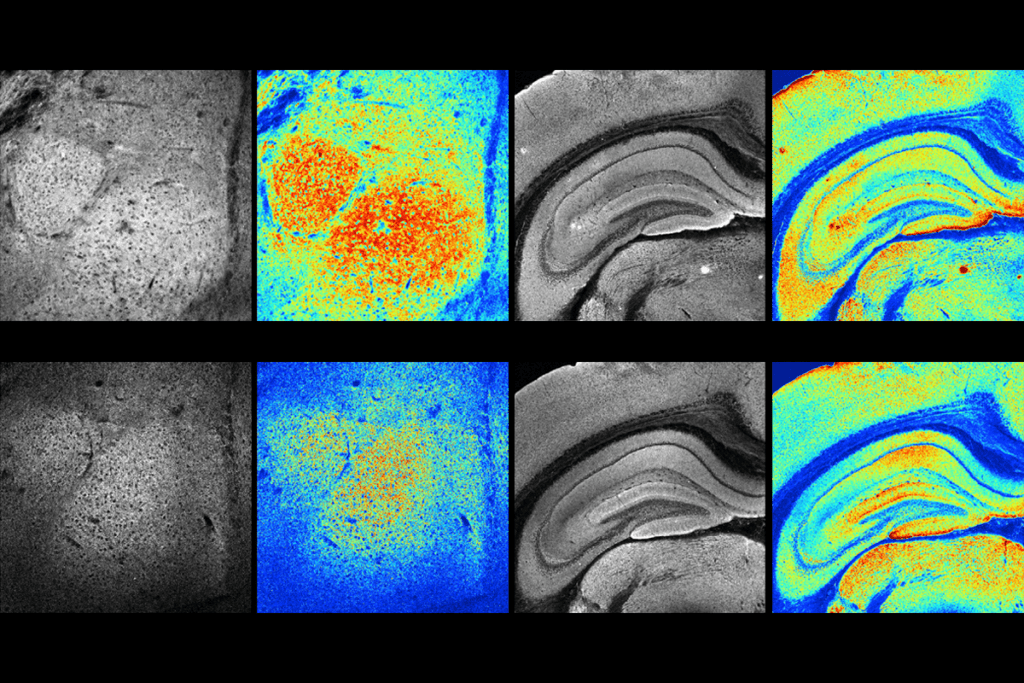
The fast-expanding repertoire of mitochondria in the brain
More than cellular powerhouses, these organelles also seem to help synapses communicate, support memory formation and even shape behavior.
The fast-expanding repertoire of mitochondria in the brain
More than cellular powerhouses, these organelles also seem to help synapses communicate, support memory formation and even shape behavior.
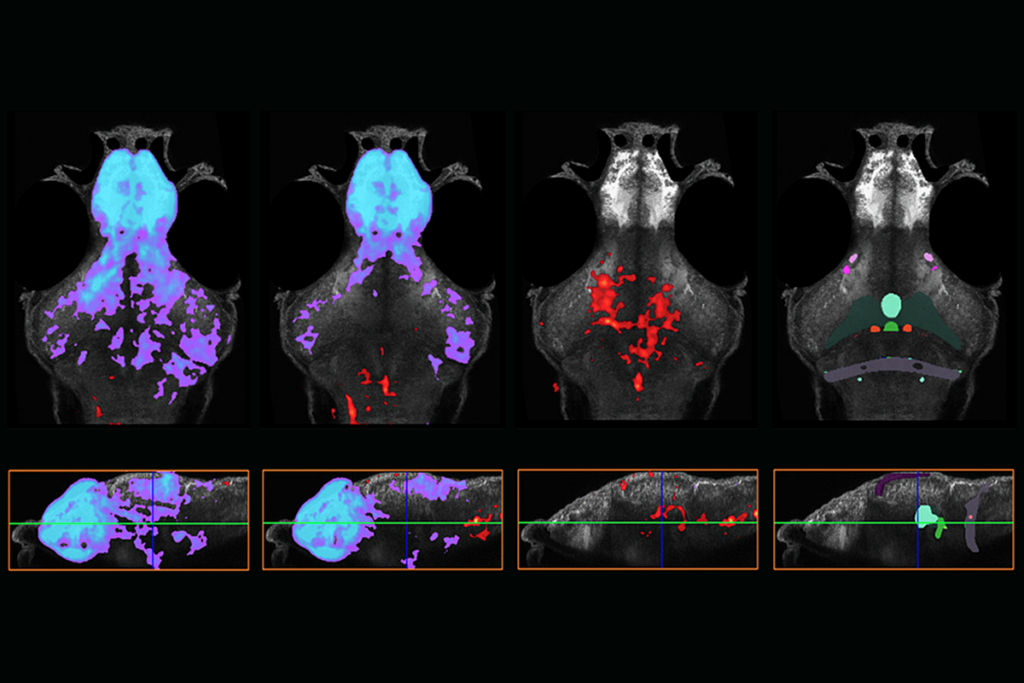
Nearly 400 compounds affect behaviors tied to autism-linked genes in zebrafish
Estropipate, paclitaxel and levocarnitine altered behaviors tied to SCN2A and DYRK1A variants specifically, a new open-source platform revealed.
Nearly 400 compounds affect behaviors tied to autism-linked genes in zebrafish
Estropipate, paclitaxel and levocarnitine altered behaviors tied to SCN2A and DYRK1A variants specifically, a new open-source platform revealed.
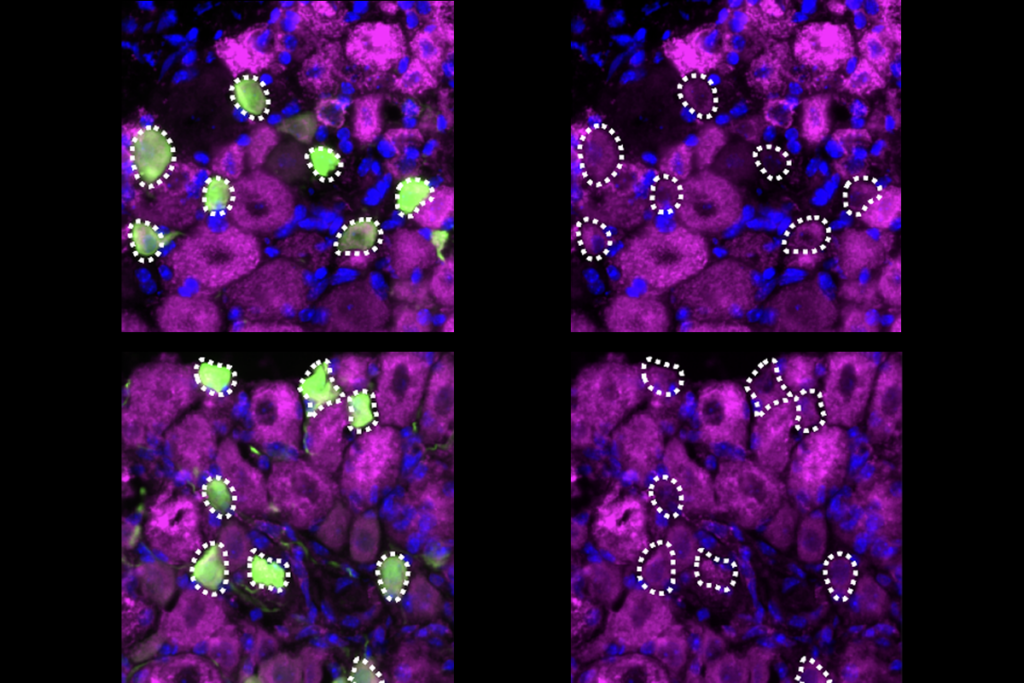
Neurons tune electron transport chain to survive onslaught of noxious stimuli
Nociceptors tamp down the production of reactive oxygen species in response to heat, chemical irritants or toxins.
Neurons tune electron transport chain to survive onslaught of noxious stimuli
Nociceptors tamp down the production of reactive oxygen species in response to heat, chemical irritants or toxins.

Alzheimer’s paper retracted over apparent image duplication
The editors of Neurobiology of Disease, which published the paper, also questioned how the study’s experimental protocols received ethical approval.
Alzheimer’s paper retracted over apparent image duplication
The editors of Neurobiology of Disease, which published the paper, also questioned how the study’s experimental protocols received ethical approval.
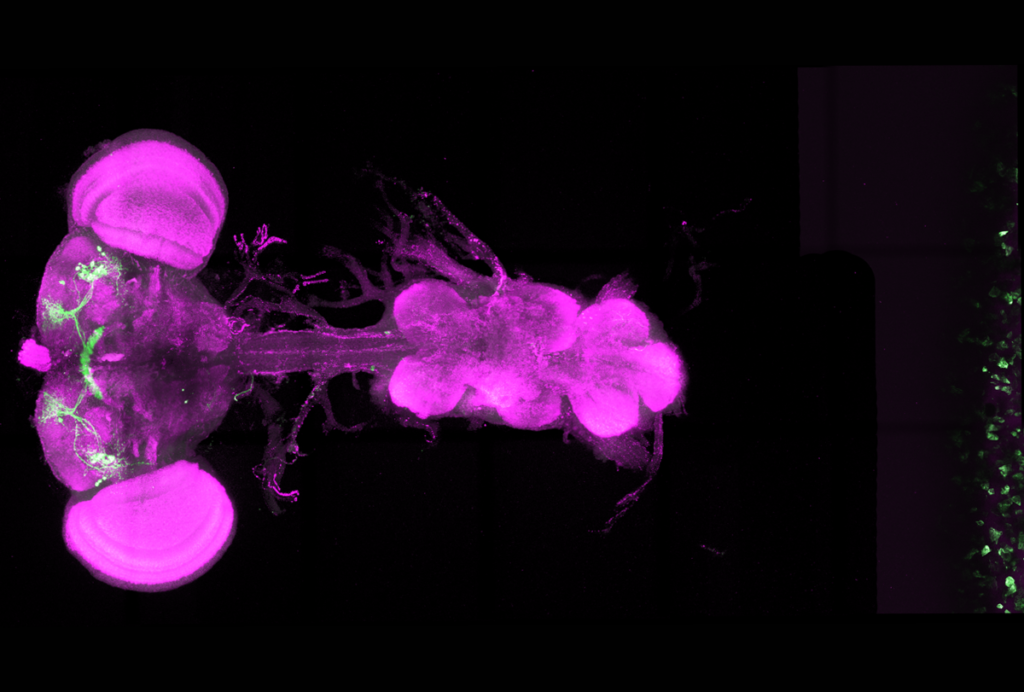
Mitochondria set ‘ancient’ metabolic thermostat for sleep in flies, separate from circadian rhythms
During waking hours, a specialized set of sleep neurons in the fly brain accumulates reactive oxygen species, which eventually trigger sleep to clean up and repair the damage they do.
Mitochondria set ‘ancient’ metabolic thermostat for sleep in flies, separate from circadian rhythms
During waking hours, a specialized set of sleep neurons in the fly brain accumulates reactive oxygen species, which eventually trigger sleep to clean up and repair the damage they do.

Mitochondrial ‘landscape’ shifts across human brain
Evolutionarily newer regions sport mitochondria with a higher capacity for energy production than older regions, according to the first detailed map of the organelles in a tissue slice, adding to mounting evidence that the brain features a metabolic gradient.

Mitochondria mediate effects of PTEN mutations
Whole-genome sequencing data — which include information about mitochondrial DNA — offer clues to why mutations in the same gene can lead to autism or cancer.
Mitochondria mediate effects of PTEN mutations
Whole-genome sequencing data — which include information about mitochondrial DNA — offer clues to why mutations in the same gene can lead to autism or cancer.
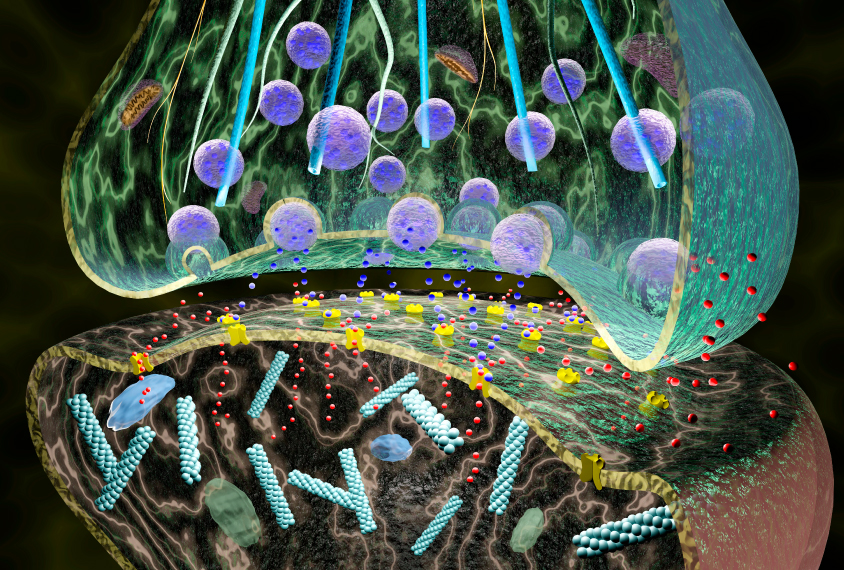
Multi-omics study captures CNTNAP2’s far-ranging effects
The in-depth approach shows mutations in the autism-linked gene disrupt neuronal growth and communication, as well as mitochondrial gene expression.
Multi-omics study captures CNTNAP2’s far-ranging effects
The in-depth approach shows mutations in the autism-linked gene disrupt neuronal growth and communication, as well as mitochondrial gene expression.
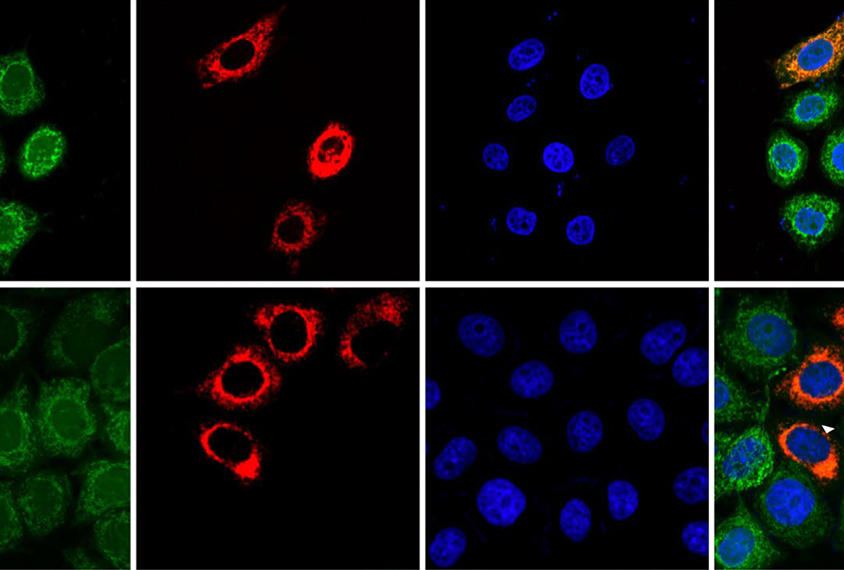
Unlocking the mitochondrial genome for autism research
The DNA specific to mitochondria is difficult to access, but new methods place its secrets within reach.
Unlocking the mitochondrial genome for autism research
The DNA specific to mitochondria is difficult to access, but new methods place its secrets within reach.
Mitochondria: An energy explanation for autism
People with autism have more mutations than others do in both mitochondrial DNA and nuclear DNA that affects mitochondrial function.
Mitochondria: An energy explanation for autism
People with autism have more mutations than others do in both mitochondrial DNA and nuclear DNA that affects mitochondrial function.
Explore more from The Transmitter

Future of AI brain models sparks debate
Neuroscientists are divided about whether foundation models that predict brain responses will help the field understand how brains work.
Future of AI brain models sparks debate
Neuroscientists are divided about whether foundation models that predict brain responses will help the field understand how brains work.
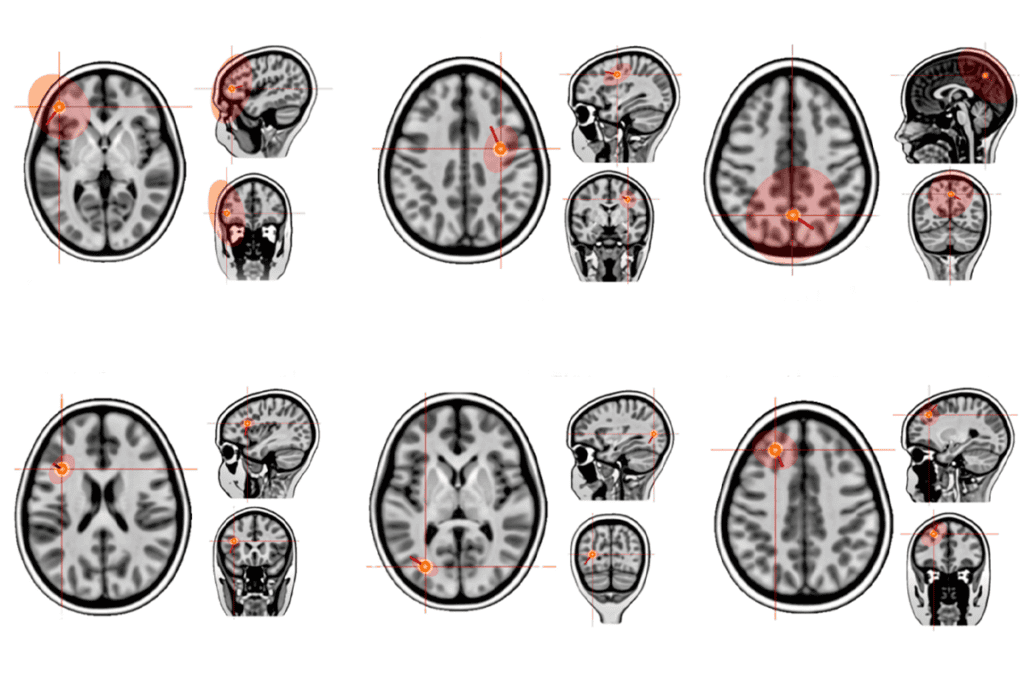
Language development during the first 1,000 days; and more
Here is a roundup of autism-related news and research spotted around the web for the week of 9 November.
Language development during the first 1,000 days; and more
Here is a roundup of autism-related news and research spotted around the web for the week of 9 November.
What ‘Brain Flows’ gets right
Michael W. Cole’s new book makes a convincing case that the dynamic movement of signals underpins just about everything the brain does, though it misses mention of relevant theoretical and single-cell work.
What ‘Brain Flows’ gets right
Michael W. Cole’s new book makes a convincing case that the dynamic movement of signals underpins just about everything the brain does, though it misses mention of relevant theoretical and single-cell work.