PSD-95
Recent articles
Synaptic protein’s shape-shifting skills propel plasticity
SYNGAP supports learning without tapping its eponymous “GAP” enzymatic activity, according to a new study.
Synaptic protein’s shape-shifting skills propel plasticity
SYNGAP supports learning without tapping its eponymous “GAP” enzymatic activity, according to a new study.

Signaling pathways link autism, schizophrenia
Autism, schizophrenia and intellectual disability share underlying deficits in pathways that regulate how the brain encodes new experiences, says Jason Shepherd.
Signaling pathways link autism, schizophrenia
Autism, schizophrenia and intellectual disability share underlying deficits in pathways that regulate how the brain encodes new experiences, says Jason Shepherd.
High-throughput screen finds genes that link neurons
A new algorithm allows researchers to search among hundreds of genes and identify those involved in building synapses, the junctions that transmit signals between neurons, according to a report published 14 March in PLoS One.
High-throughput screen finds genes that link neurons
A new algorithm allows researchers to search among hundreds of genes and identify those involved in building synapses, the junctions that transmit signals between neurons, according to a report published 14 March in PLoS One.
Fluorescent proteins shine new light on cells
Researchers have found a new way to light up proteins in living cells, revealing the connections between neurons, according to a study published 19 June in Neuron.
Fluorescent proteins shine new light on cells
Researchers have found a new way to light up proteins in living cells, revealing the connections between neurons, according to a study published 19 June in Neuron.
Molecular mechanisms: Rats could model autism gender bias
Prenatal exposure of rats to the epilepsy drug valproic acid leads to behavioral and brain features that resemble autism, in males more than in females, according to a study published in the March issue of the Journal of Neurochemistry.
Molecular mechanisms: Rats could model autism gender bias
Prenatal exposure of rats to the epilepsy drug valproic acid leads to behavioral and brain features that resemble autism, in males more than in females, according to a study published in the March issue of the Journal of Neurochemistry.
Molecular mechanisms: Pruning path links autism, fragile X
The protein lacking in fragile X syndrome works with three autism-linked proteins to fine-tune the connections between neurons, according to a study published 21 December in Cell.
Molecular mechanisms: Pruning path links autism, fragile X
The protein lacking in fragile X syndrome works with three autism-linked proteins to fine-tune the connections between neurons, according to a study published 21 December in Cell.
Rett syndrome-linked gene maintains neuronal connections
A gene linked to some types of Rett syndrome is needed for the stability of connections between neurons, according to research published 4 September in Nature Cell Biology.
Rett syndrome-linked gene maintains neuronal connections
A gene linked to some types of Rett syndrome is needed for the stability of connections between neurons, according to research published 4 September in Nature Cell Biology.
Molecular mechanisms: Autism gene tied to neuronal junctions
Neurobeachin, or NBEA, an autism–associated gene, may regulate the transport of signaling molecules to neuronal branches, according to a study published 22 November in Nature Communications.
Molecular mechanisms: Autism gene tied to neuronal junctions
Neurobeachin, or NBEA, an autism–associated gene, may regulate the transport of signaling molecules to neuronal branches, according to a study published 22 November in Nature Communications.
Molecular mechanisms: SHANK2 mutants alter synapses
Three mutations in SHANK2, an autism-associated gene, each lead to abnormal synapses, the junctions between neurons, according to a study in Human Molecular Genetics.
Molecular mechanisms: SHANK2 mutants alter synapses
Three mutations in SHANK2, an autism-associated gene, each lead to abnormal synapses, the junctions between neurons, according to a study in Human Molecular Genetics.
Molecular mechanisms: Fragments of RNA regulate synapse
Small fragments of RNA, called microRNAs, can fine-tune the levels of proteins at the junctions between neurons in response to cell signals, according to a study published 10 June in Molecular Cell.
Molecular mechanisms: Fragments of RNA regulate synapse
Small fragments of RNA, called microRNAs, can fine-tune the levels of proteins at the junctions between neurons in response to cell signals, according to a study published 10 June in Molecular Cell.
Explore more from The Transmitter
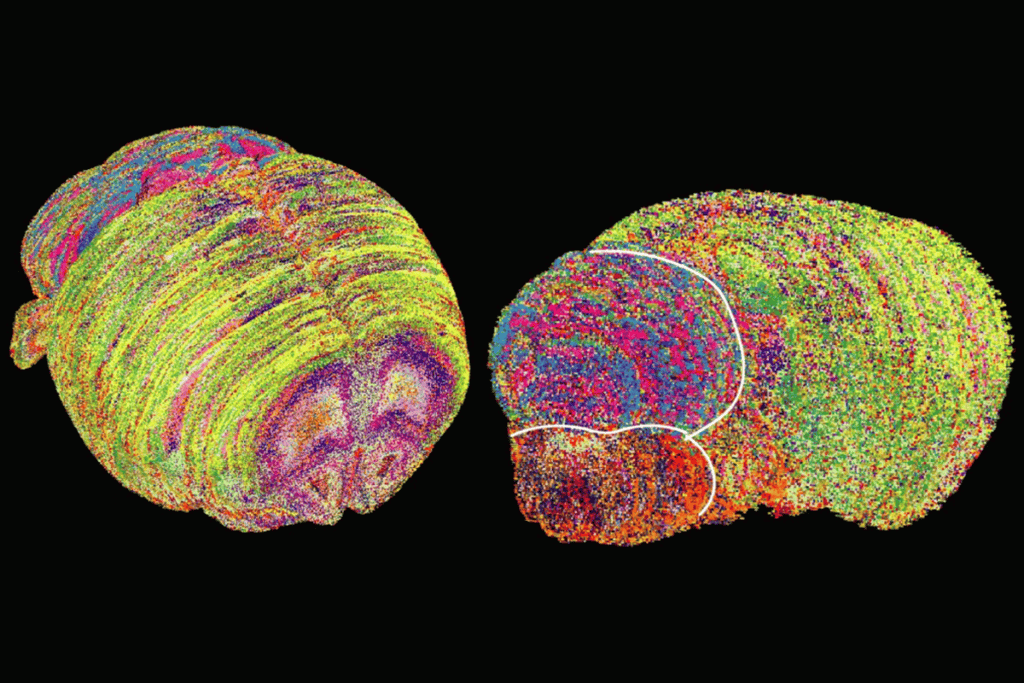
Lipids enter brain mapping limelight
Two new studies, including the first whole-brain lipid atlas in mice, uncover unforeseen complexity and influence during pregnancy and aging.
Lipids enter brain mapping limelight
Two new studies, including the first whole-brain lipid atlas in mice, uncover unforeseen complexity and influence during pregnancy and aging.
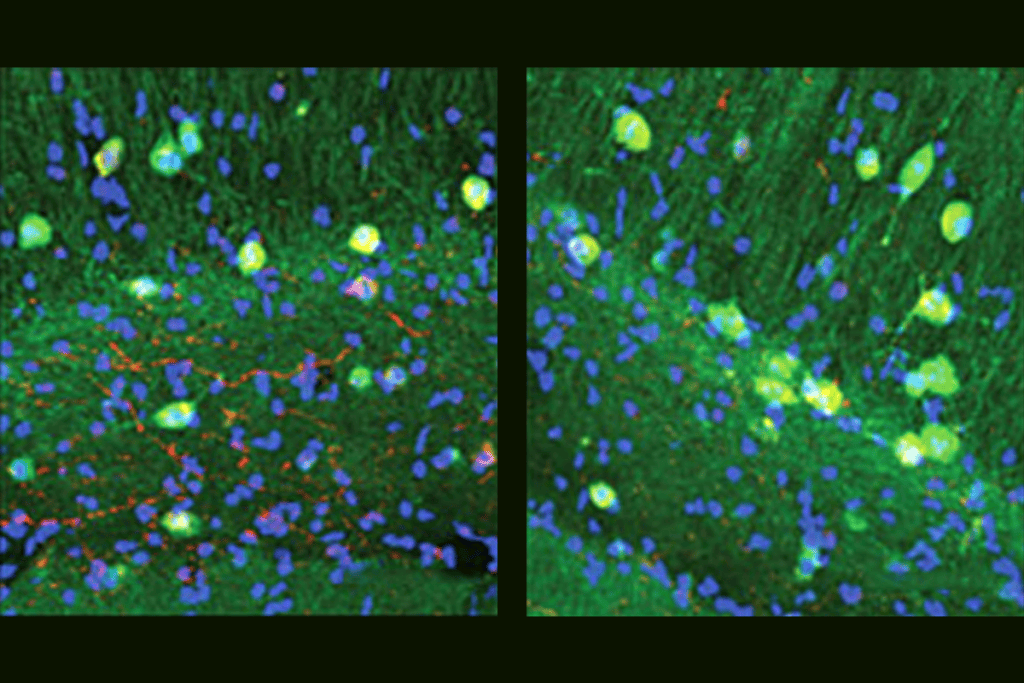
Behavioral phenomics in zebrafish; and more
Here is a roundup of autism-related news and research spotted around the web for the week of 26 October.
Behavioral phenomics in zebrafish; and more
Here is a roundup of autism-related news and research spotted around the web for the week of 26 October.

Neuroscience gave AI its start. What happens now?
David Sussillo maps the two fields' divergent paths, and where they might still meet.
Neuroscience gave AI its start. What happens now?
David Sussillo maps the two fields' divergent paths, and where they might still meet.