Psychiatry
Recent articles
Computational psychiatry needs systems neuroscience
Dissecting different parallel processing streams may help us understand the mechanisms underlying psychiatric symptoms, such as delusions, and unite human and animal research.
Computational psychiatry needs systems neuroscience
Dissecting different parallel processing streams may help us understand the mechanisms underlying psychiatric symptoms, such as delusions, and unite human and animal research.
Psychedelics research in rodents has a behavior problem
Simple behavioral assays—originally validated as drug-screening tools—fall short in studies that aim to unpack the psychedelic mechanism of action, so some behavioral neuroscientists are developing more nuanced tasks.
Psychedelics research in rodents has a behavior problem
Simple behavioral assays—originally validated as drug-screening tools—fall short in studies that aim to unpack the psychedelic mechanism of action, so some behavioral neuroscientists are developing more nuanced tasks.
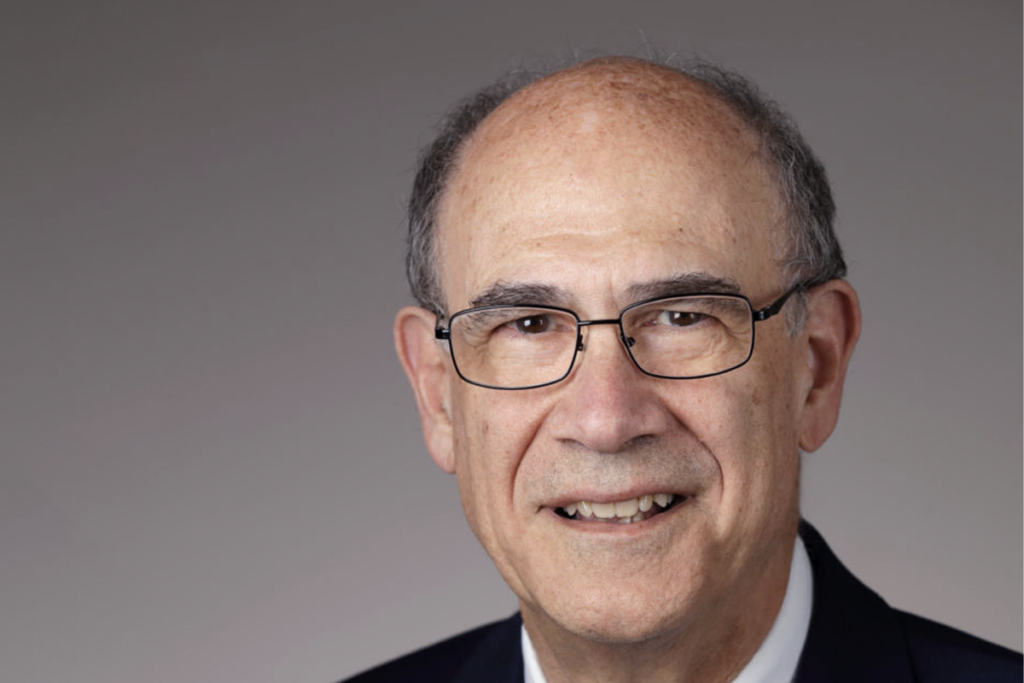
Remembering Mark Hallett, leader in transcranial magnetic stimulation
The long-time NINDS researcher, best known for studying movement disorders, has died at age 82.
Remembering Mark Hallett, leader in transcranial magnetic stimulation
The long-time NINDS researcher, best known for studying movement disorders, has died at age 82.
What, if anything, makes mood fundamentally different from memory?
To better understand mood disorders—and to develop more effective treatments—should we target the brain, the mind, the environment or all three?
What, if anything, makes mood fundamentally different from memory?
To better understand mood disorders—and to develop more effective treatments—should we target the brain, the mind, the environment or all three?

The creative brain—an edited excerpt from ‘Essays on Art and Science’
In his new book, neuroscientist Eric Kandel explores how sensory perception and higher-order cognitive processes influence our experience of art.
The creative brain—an edited excerpt from ‘Essays on Art and Science’
In his new book, neuroscientist Eric Kandel explores how sensory perception and higher-order cognitive processes influence our experience of art.
Explore more from The Transmitter
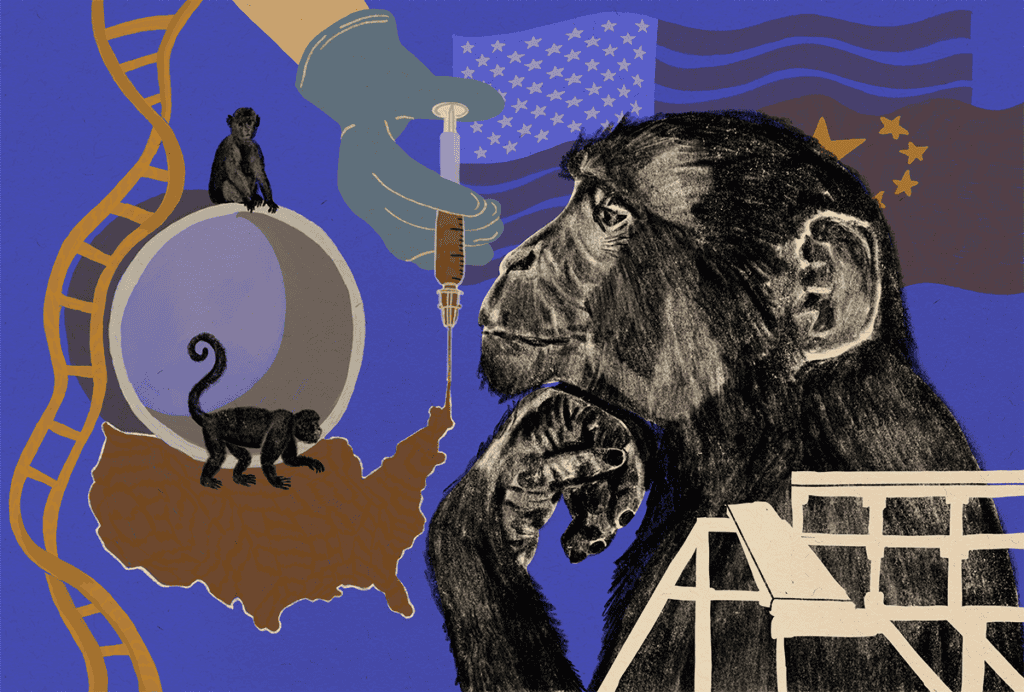
U.S. national primate research centers face an uncertain future
The facilities were meant to last 100 years. Four decades shy of that mark, amid flatlined funds and mounting political pressure, their directors are trying to find a path forward.
U.S. national primate research centers face an uncertain future
The facilities were meant to last 100 years. Four decades shy of that mark, amid flatlined funds and mounting political pressure, their directors are trying to find a path forward.
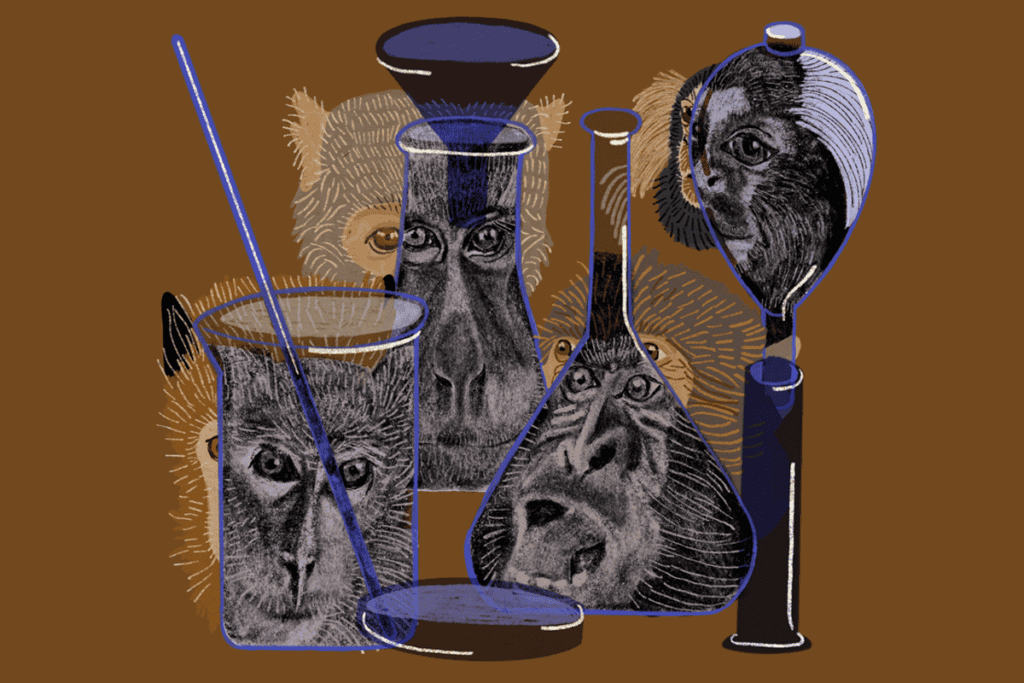
What if nonhuman primate research goes away?
As the U.S. government takes steps to stop using nonhuman primates in research, The Transmitter investigates what that shift could mean for neuroscience.
What if nonhuman primate research goes away?
As the U.S. government takes steps to stop using nonhuman primates in research, The Transmitter investigates what that shift could mean for neuroscience.
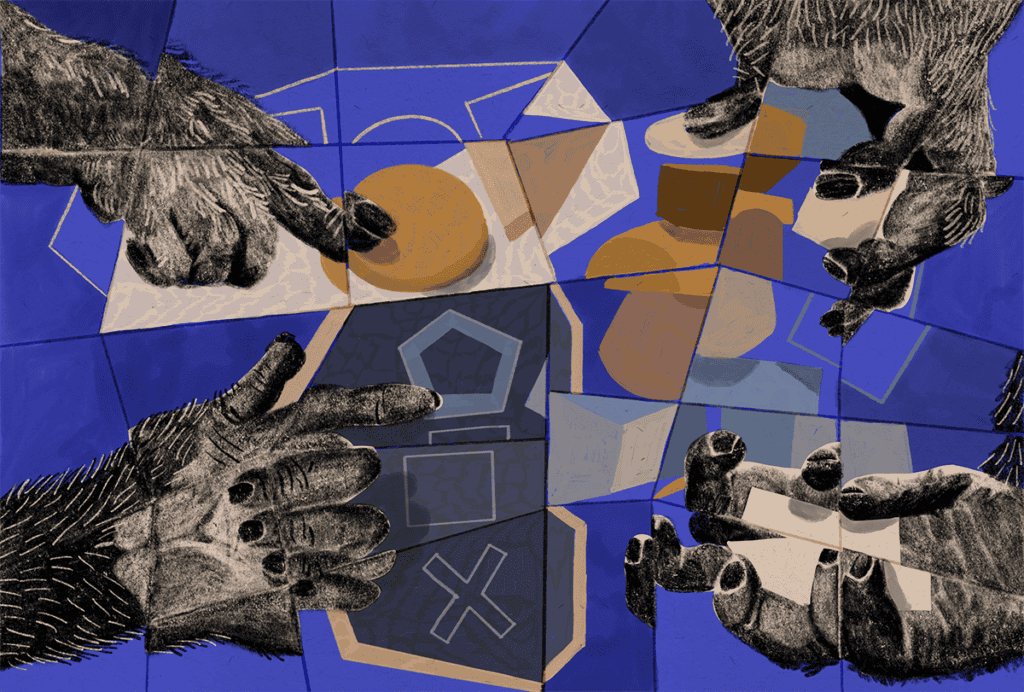
The neuroscience questions that need nonhuman primates
The Transmitter asked 17 neuroscientists what questions might remain unanswered if support for nonhuman primate research continues to decline.
The neuroscience questions that need nonhuman primates
The Transmitter asked 17 neuroscientists what questions might remain unanswered if support for nonhuman primate research continues to decline.