Science and society
Recent articles
COVID-19 and influenza effects in pregnancy; and more
Here is a roundup of autism-related news and research spotted around the web for the week of 19 October.
COVID-19 and influenza effects in pregnancy; and more
Here is a roundup of autism-related news and research spotted around the web for the week of 19 October.
Govern neurodata by how it’s used, not where it’s from
New neurodata laws will shape how researchers gather, share and reuse brain data. A use-based governance protects basic researchers and those whose data are being used, without freezing science.
Govern neurodata by how it’s used, not where it’s from
New neurodata laws will shape how researchers gather, share and reuse brain data. A use-based governance protects basic researchers and those whose data are being used, without freezing science.
Acetaminophen effects on developing brain organoids; and more
Here is a roundup of autism-related news and research spotted around the web for the week of 12 October.
Acetaminophen effects on developing brain organoids; and more
Here is a roundup of autism-related news and research spotted around the web for the week of 12 October.
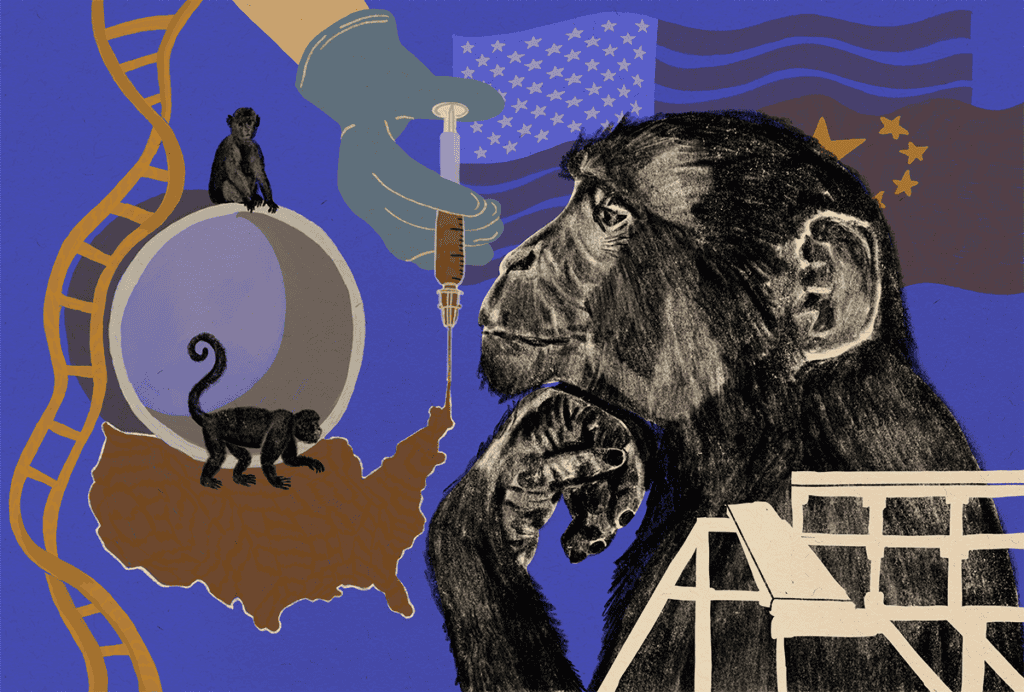
U.S. national primate research centers face an uncertain future
The facilities were meant to last 100 years. Four decades shy of that mark, amid flatlined funds and mounting political pressure, their directors are trying to find a path forward.
U.S. national primate research centers face an uncertain future
The facilities were meant to last 100 years. Four decades shy of that mark, amid flatlined funds and mounting political pressure, their directors are trying to find a path forward.
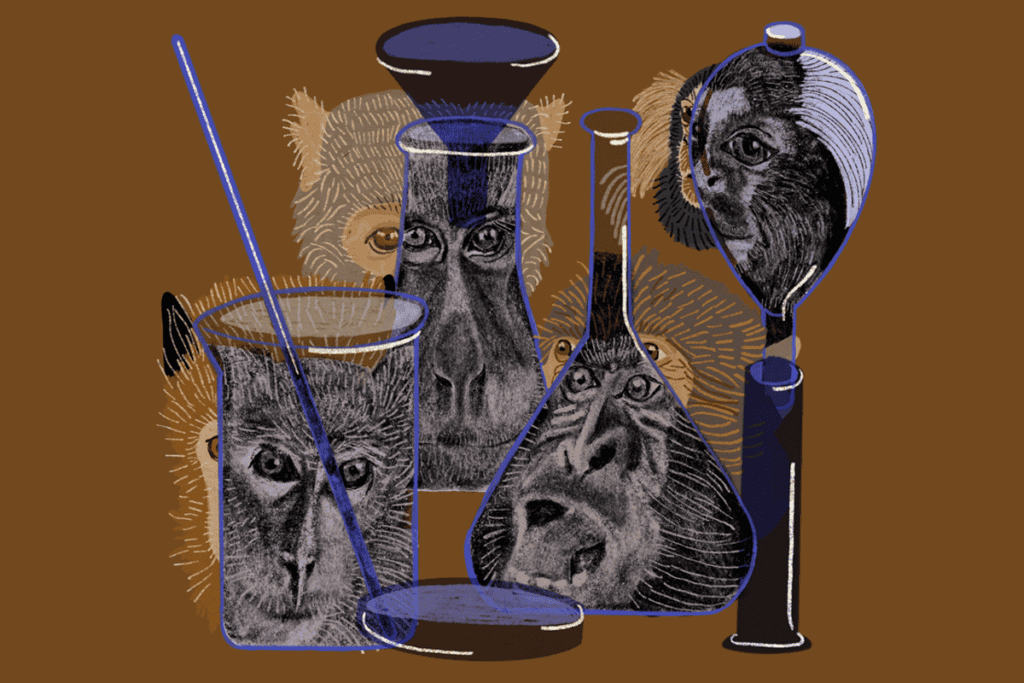
What if nonhuman primate research goes away?
As the U.S. government takes steps to stop using nonhuman primates in research, The Transmitter investigates what that shift could mean for neuroscience.
What if nonhuman primate research goes away?
As the U.S. government takes steps to stop using nonhuman primates in research, The Transmitter investigates what that shift could mean for neuroscience.
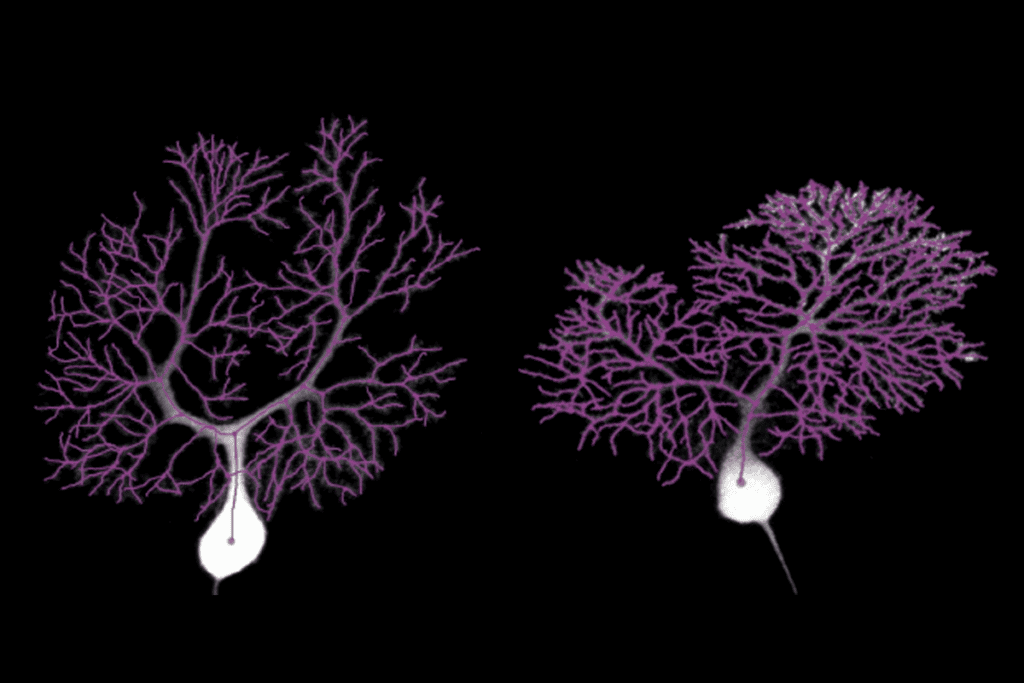
Aging biomarkers in autism; and more
Here is a roundup of autism-related news and research spotted around the web for the week of 5 October.
Aging biomarkers in autism; and more
Here is a roundup of autism-related news and research spotted around the web for the week of 5 October.
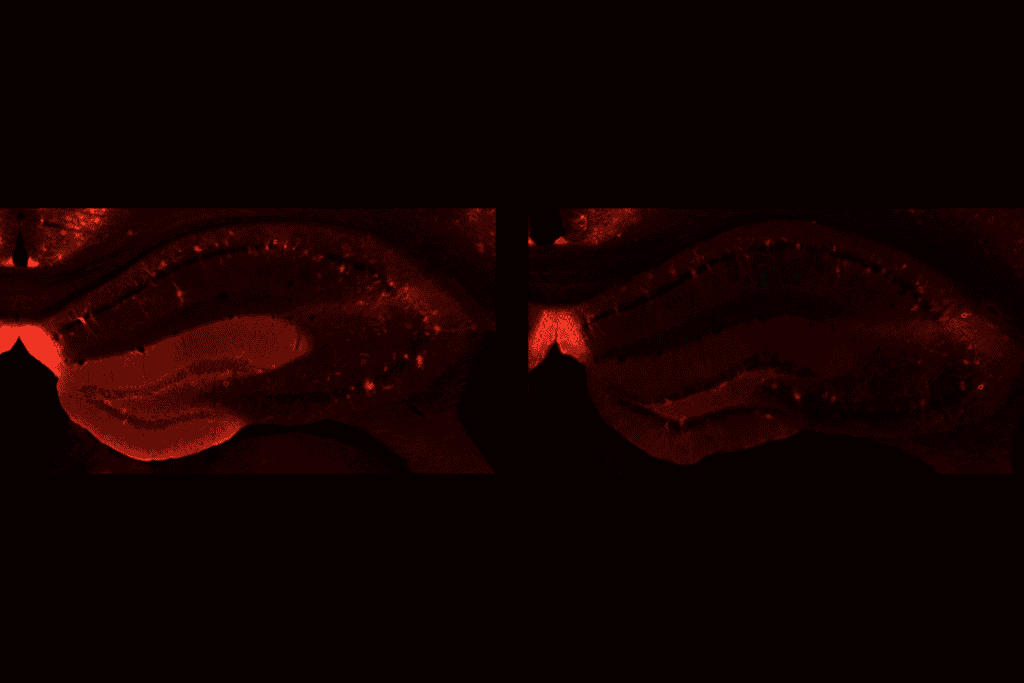
Organoids missing the TSC2 gene form rogue astrocytes; and more
Here is a roundup of autism-related news and research spotted around the web for the week of 28 September.
Organoids missing the TSC2 gene form rogue astrocytes; and more
Here is a roundup of autism-related news and research spotted around the web for the week of 28 September.
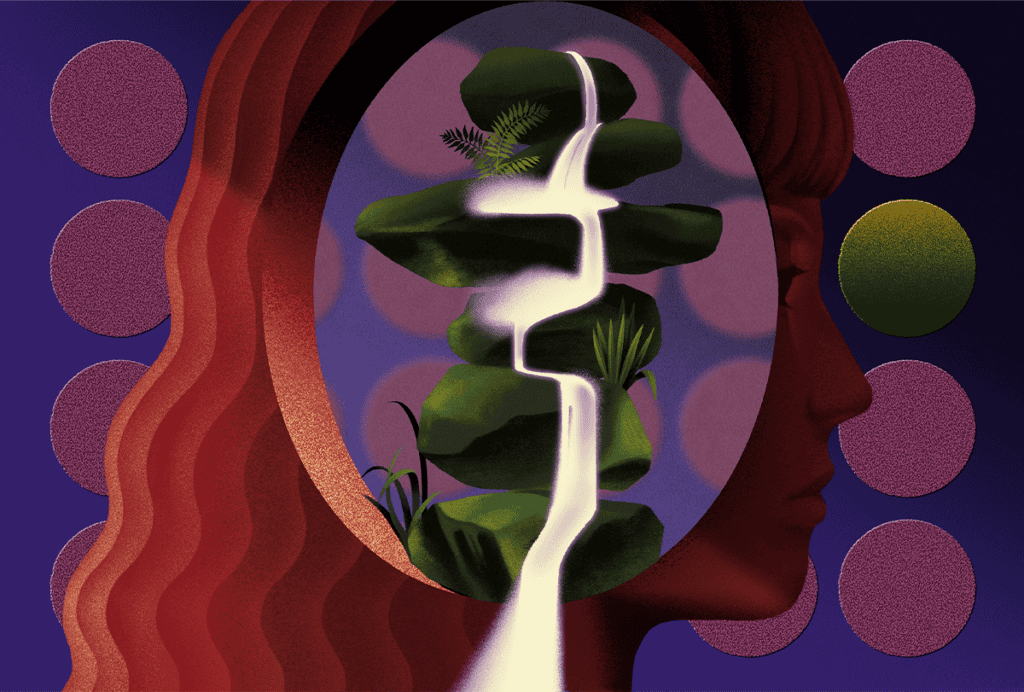
Revisiting the neural correlates of consciousness
Life happens in real time, but experience may be composed in ragtime—like the music genre, full of offbeat notes and uneven rhythms. The assumption that waking life consists of a “stream” of conscious representations has inadvertently led consciousness science to its current impasse.
Revisiting the neural correlates of consciousness
Life happens in real time, but experience may be composed in ragtime—like the music genre, full of offbeat notes and uneven rhythms. The assumption that waking life consists of a “stream” of conscious representations has inadvertently led consciousness science to its current impasse.
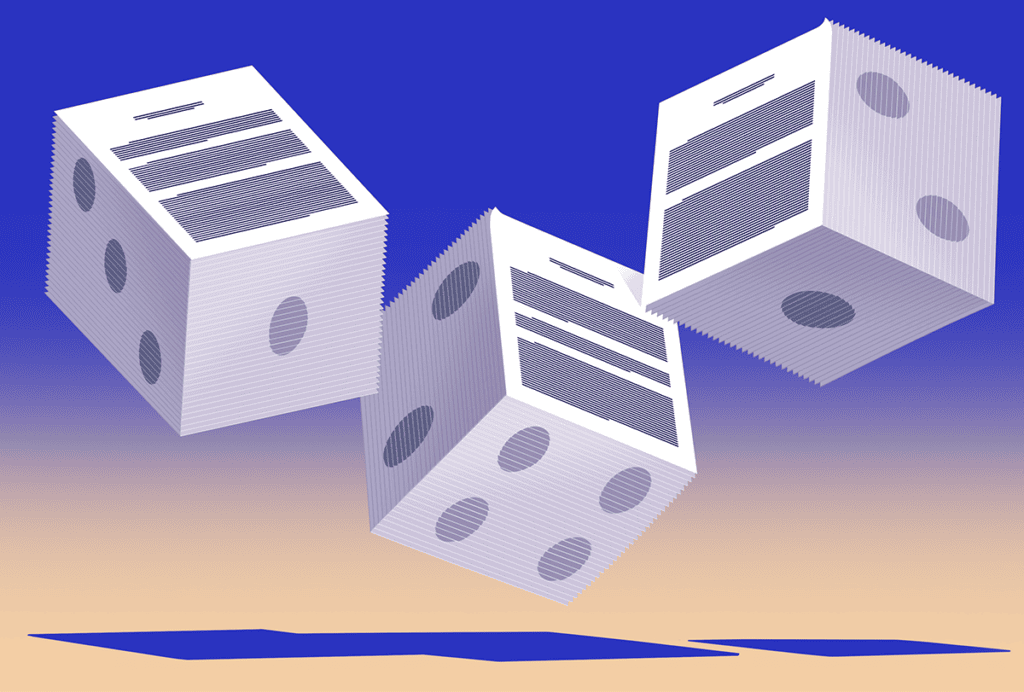
Grant review needs reform. How about we add an element of chance?
A process that uses a lottery system saves time, reduces strategic resubmission and accepts that, above a quality threshold, luck has always played a part in science funding.
Grant review needs reform. How about we add an element of chance?
A process that uses a lottery system saves time, reduces strategic resubmission and accepts that, above a quality threshold, luck has always played a part in science funding.
Two populations of neurons, two effects on sociability; and more
Here is a roundup of autism-related news and research spotted around the web for the week of 21 September.
Two populations of neurons, two effects on sociability; and more
Here is a roundup of autism-related news and research spotted around the web for the week of 21 September.
Explore more from The Transmitter
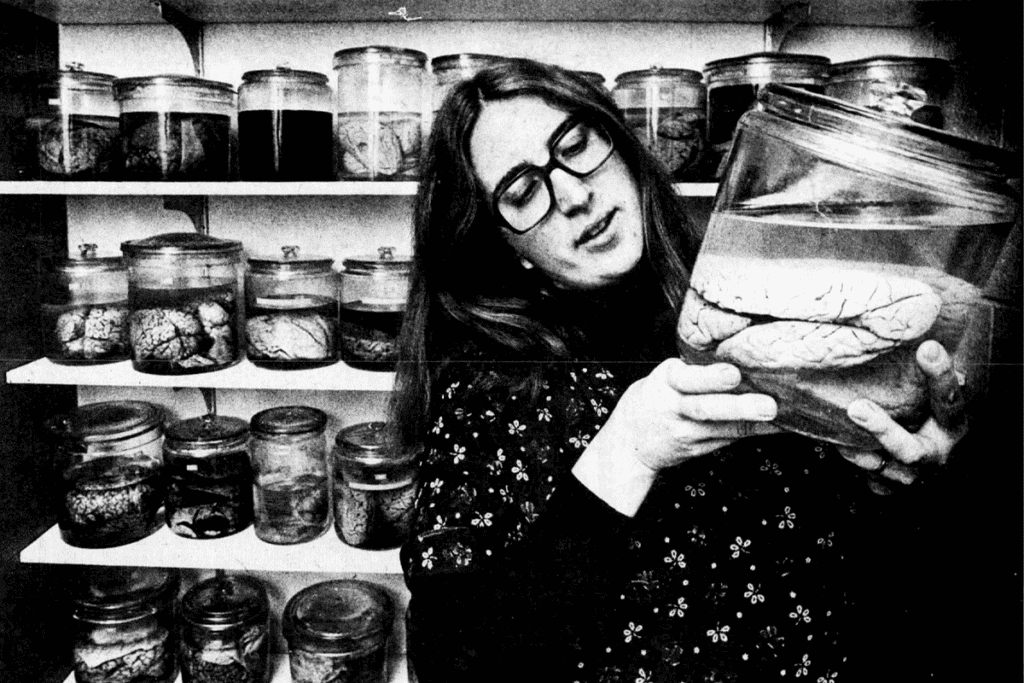
Remembering Barbara Finlay, ‘maverick’ of evolutionary neuroscience
Finlay, who died on 12 September, championed the idea that developmental constraints dictate how evolution sculpts brains, a concept she used to model the timing of hundreds of events and align them across mammalian species.
Remembering Barbara Finlay, ‘maverick’ of evolutionary neuroscience
Finlay, who died on 12 September, championed the idea that developmental constraints dictate how evolution sculpts brains, a concept she used to model the timing of hundreds of events and align them across mammalian species.
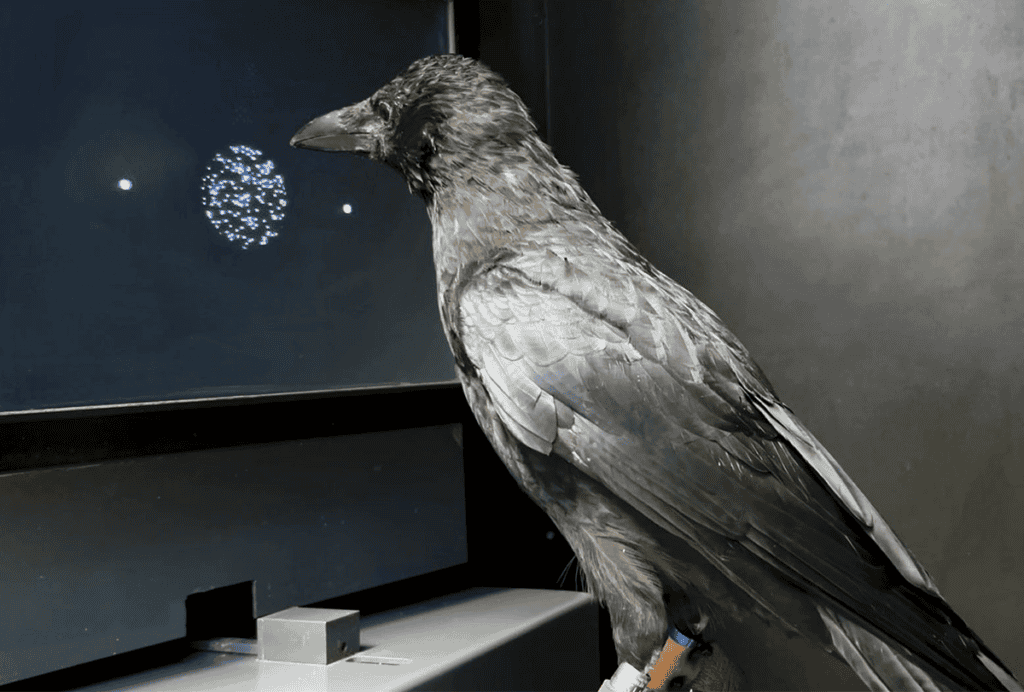
Crows have brains ‘in the fast lane’
The birds accurately complete decision-making tasks twice as fast as primates, although their endbrains look considerably different.
Crows have brains ‘in the fast lane’
The birds accurately complete decision-making tasks twice as fast as primates, although their endbrains look considerably different.
Prevalence of profound autism declines with new definition
The updated, more precise definition used in a CDC study includes adaptive scores.
Prevalence of profound autism declines with new definition
The updated, more precise definition used in a CDC study includes adaptive scores.