Spotted
Recent articles
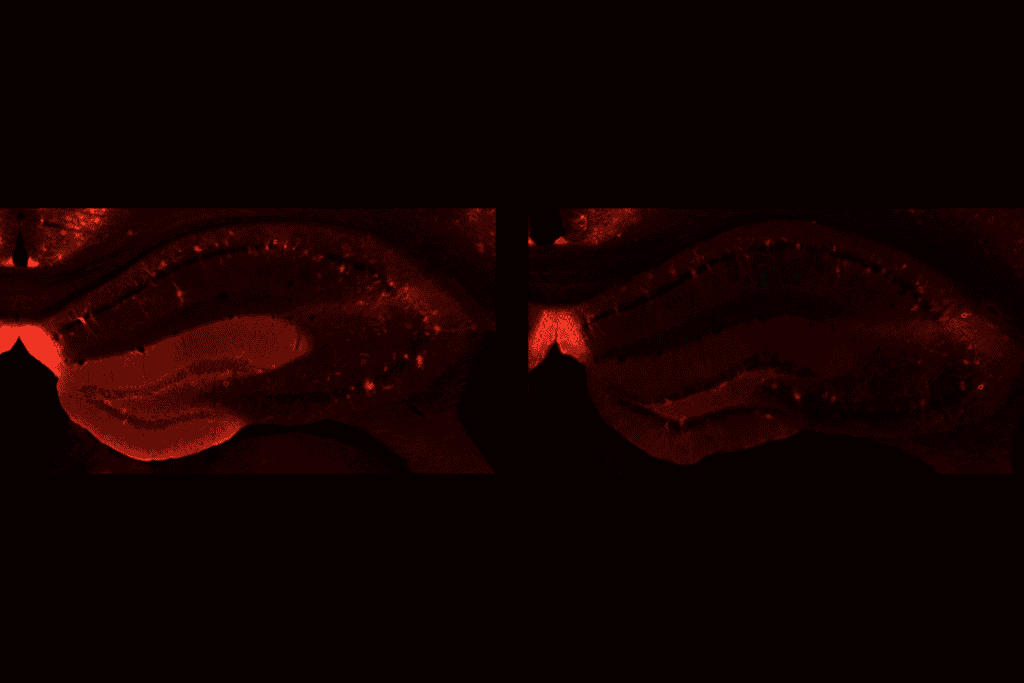
Organoids missing the TSC2 gene form rogue astrocytes; and more
Here is a roundup of autism-related news and research spotted around the web for the week of 28 September.
Organoids missing the TSC2 gene form rogue astrocytes; and more
Here is a roundup of autism-related news and research spotted around the web for the week of 28 September.
Two populations of neurons, two effects on sociability; and more
Here is a roundup of autism-related news and research spotted around the web for the week of 21 September.
Two populations of neurons, two effects on sociability; and more
Here is a roundup of autism-related news and research spotted around the web for the week of 21 September.
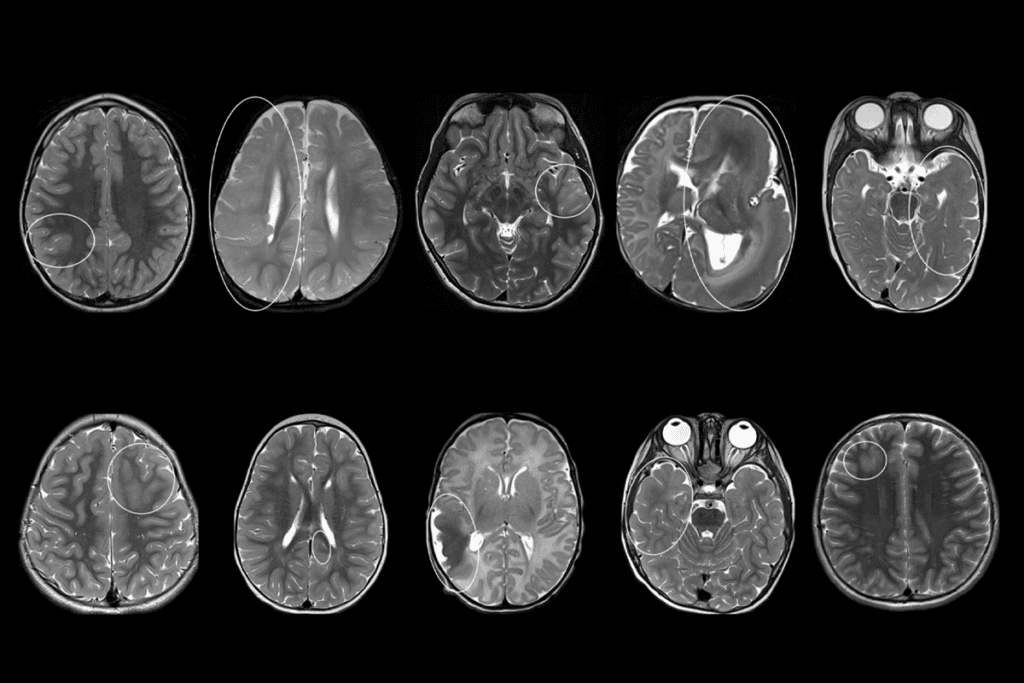
Additional data suggest changes in diagnostics underlie increases in autism diagnoses, and more
Here is a roundup of autism-related news and research spotted around the web for the week of 14 September.
Additional data suggest changes in diagnostics underlie increases in autism diagnoses, and more
Here is a roundup of autism-related news and research spotted around the web for the week of 14 September.
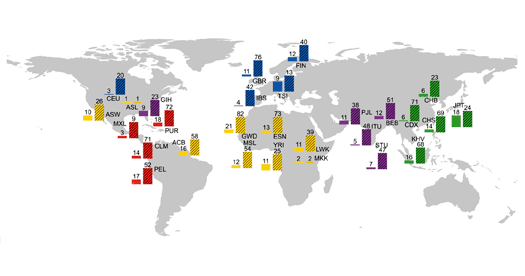
New methods to contextualize autism-linked genes, and more
Here is a roundup of autism-related news and research spotted around the web for the week of 7 September.
New methods to contextualize autism-linked genes, and more
Here is a roundup of autism-related news and research spotted around the web for the week of 7 September.
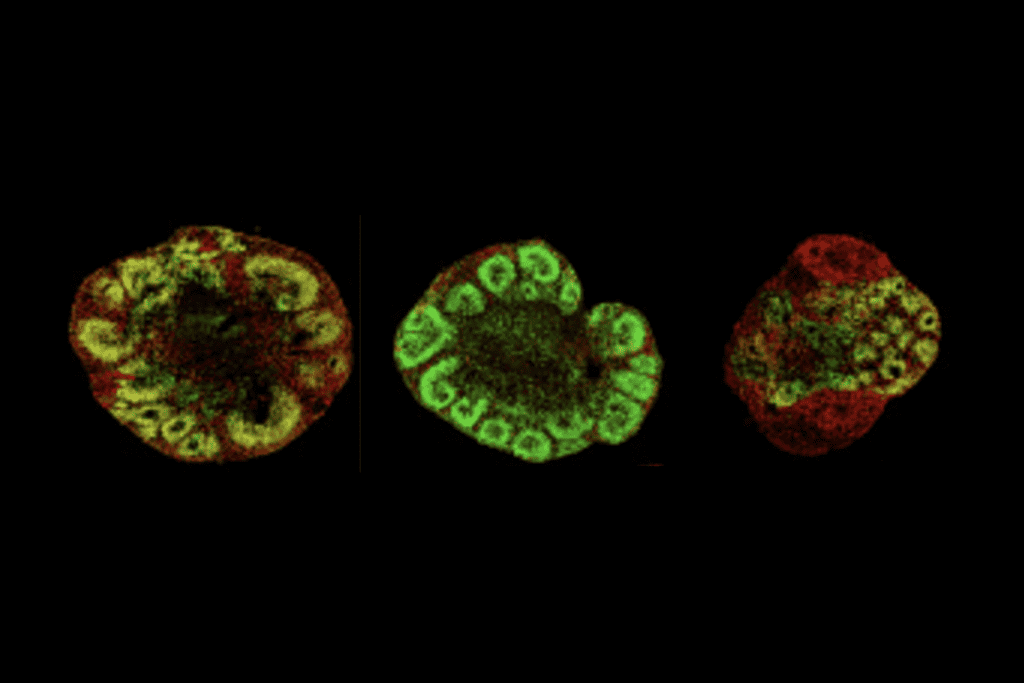
Unconfounding genetic and environmental factors, and more
Here is a roundup of autism-related news and research spotted around the web for the week of 31 August.
Unconfounding genetic and environmental factors, and more
Here is a roundup of autism-related news and research spotted around the web for the week of 31 August.
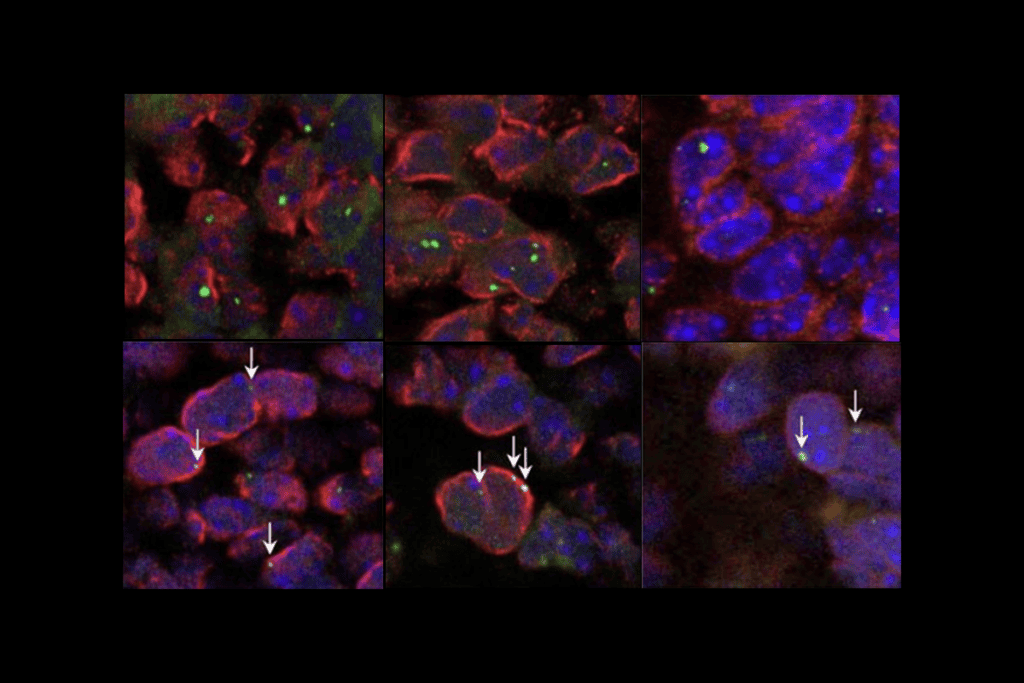
Biomarkers for autism, and more
Here is a roundup of autism-related news and research spotted around the web for the week of 24 August.
Biomarkers for autism, and more
Here is a roundup of autism-related news and research spotted around the web for the week of 24 August.
Links between tuberous sclerosis complex and autism, and more
Here is a roundup of autism-related news and research spotted around the web for the week of 17 August.
Links between tuberous sclerosis complex and autism, and more
Here is a roundup of autism-related news and research spotted around the web for the week of 17 August.
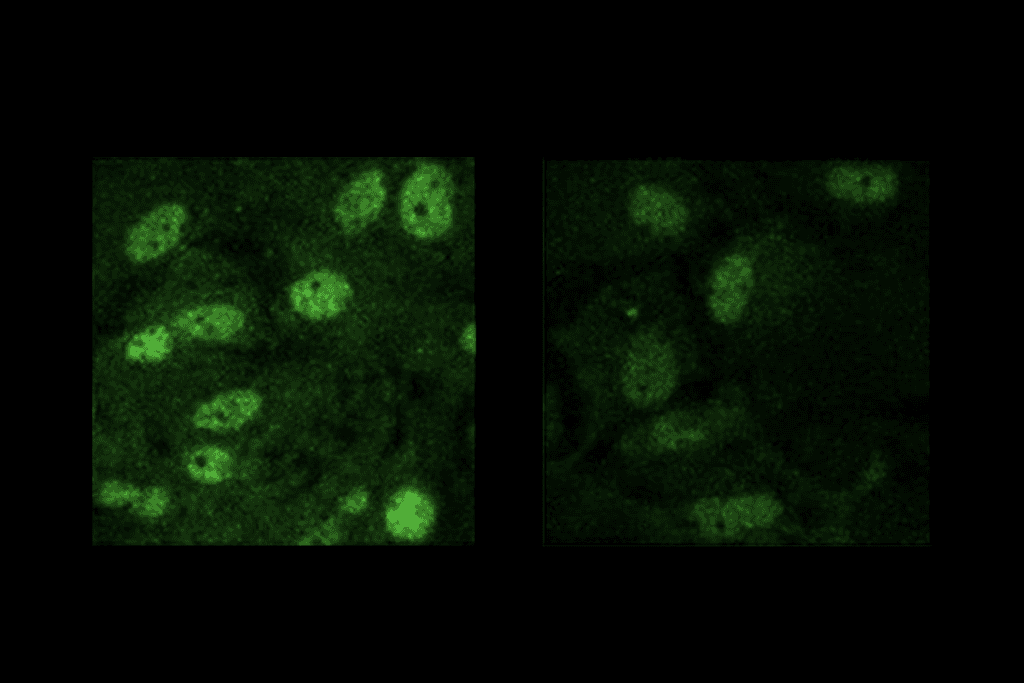
Three models, three routes to altered auditory processing, and more
Here is a roundup of autism-related news and research spotted around the web for the week of 10 August.
Three models, three routes to altered auditory processing, and more
Here is a roundup of autism-related news and research spotted around the web for the week of 10 August.
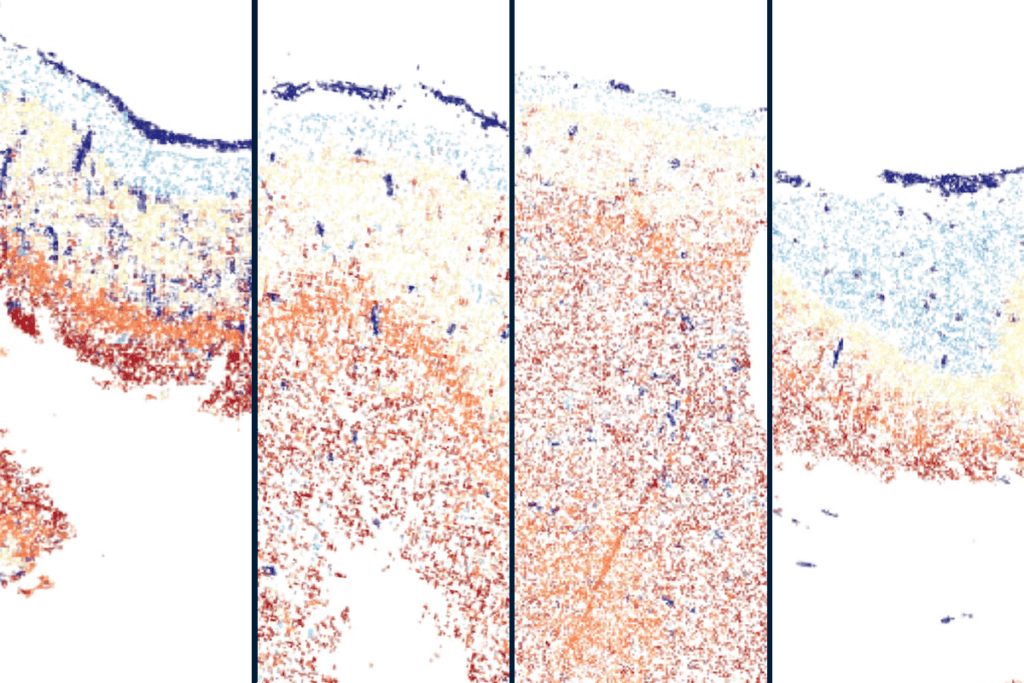
Using antisense oligos to plumb rare genetic conditions, and more
Here is a roundup of autism-related news and research spotted around the web for the week of 3 August.
Using antisense oligos to plumb rare genetic conditions, and more
Here is a roundup of autism-related news and research spotted around the web for the week of 3 August.
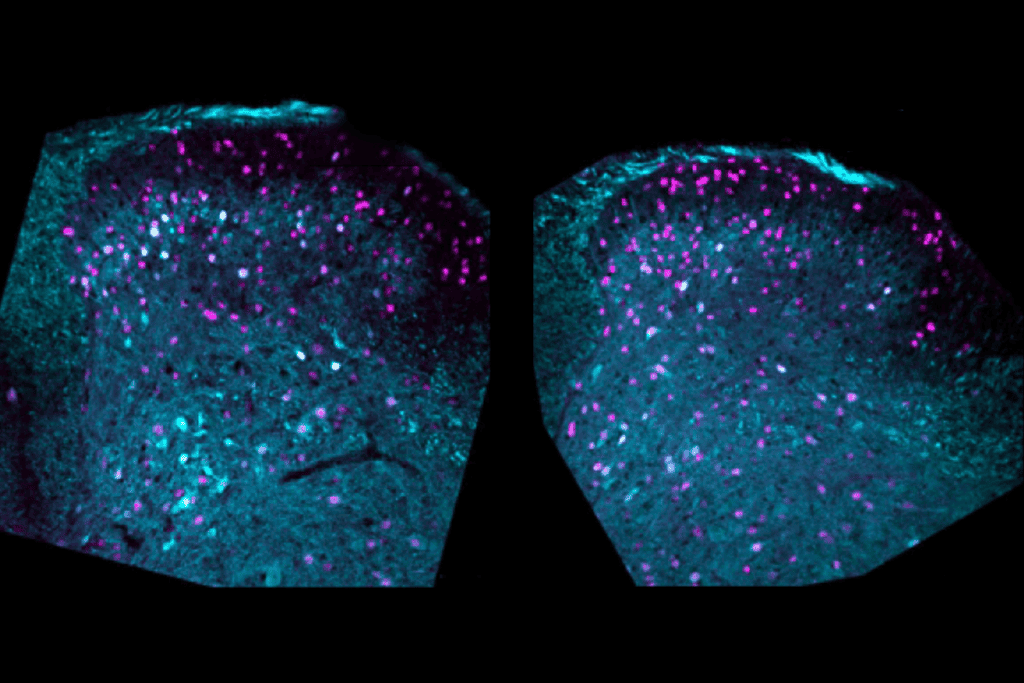
Federal advisory panel extends comment period, and more
Here is a roundup of autism-related news and research spotted around the web for the week of 27 July.
Federal advisory panel extends comment period, and more
Here is a roundup of autism-related news and research spotted around the web for the week of 27 July.
Explore more from The Transmitter

Autism-linked variants converge on two molecular patterns in mouse brains
Gene activity across 17 autism mouse models occurs in either of two opposing transcriptomic states, supporting the idea that diverse genetic changes may converge on a few recurring biological patterns.
Autism-linked variants converge on two molecular patterns in mouse brains
Gene activity across 17 autism mouse models occurs in either of two opposing transcriptomic states, supporting the idea that diverse genetic changes may converge on a few recurring biological patterns.
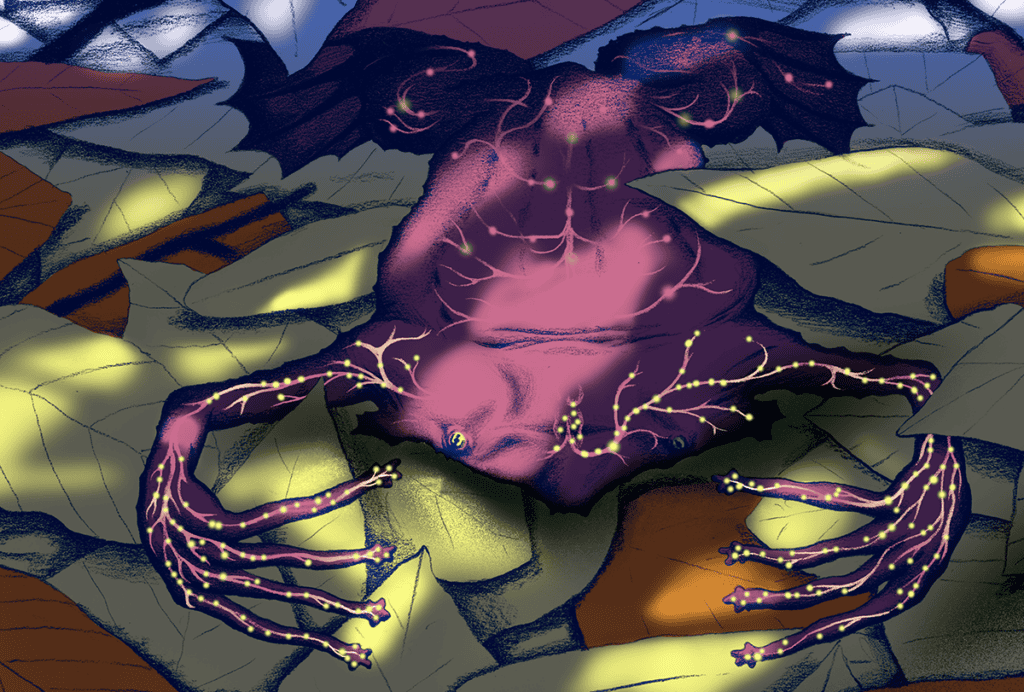
How the pipa frog hunts prey by touch
Each of the frog’s eight fingers branches into 16 ultra-sensitive tips, which together function as a fovea—potentially the first demonstration of this type of sensory structure outside of mammals.
How the pipa frog hunts prey by touch
Each of the frog’s eight fingers branches into 16 ultra-sensitive tips, which together function as a fovea—potentially the first demonstration of this type of sensory structure outside of mammals.

Response to ‘Finally, a new route for the magnetic-sense field’
Magnetoreception in Drosophila has much to offer those with an interest in neuroscience.
Response to ‘Finally, a new route for the magnetic-sense field’
Magnetoreception in Drosophila has much to offer those with an interest in neuroscience.