Technology
Recent articles

How Nobel Prize-winning optogenetics has revolutionized neuroscience
The technique has enabled neuroscientists to target brain circuits and cells with unprecedented specificity, transforming the study of memory, interoception, brain disorders and reward, among other domains.
How Nobel Prize-winning optogenetics has revolutionized neuroscience
The technique has enabled neuroscientists to target brain circuits and cells with unprecedented specificity, transforming the study of memory, interoception, brain disorders and reward, among other domains.
How neuromorphic computing could improve AI
Mihai Petrovici explains what neuromorphic computing is and how it can speed up and reduce energy consumption in artificial intelligence and brain simulations.
How neuromorphic computing could improve AI
Mihai Petrovici explains what neuromorphic computing is and how it can speed up and reduce energy consumption in artificial intelligence and brain simulations.
What are the most transformative neuroscience tools and technologies developed in the past five years?
Artificial intelligence and deep-learning methods featured prominently in the survey responses, followed by genetic tools to control circuits, advanced neuroimaging, transcriptomics and various approaches to record brain activity and behavior.
What are the most transformative neuroscience tools and technologies developed in the past five years?
Artificial intelligence and deep-learning methods featured prominently in the survey responses, followed by genetic tools to control circuits, advanced neuroimaging, transcriptomics and various approaches to record brain activity and behavior.
Basic pain research ‘is not working’: Q&A with Steven Prescott and Stéphanie Ratté
Prescott and Ratté critique the clinical relevance of preclinical studies in the field and highlight areas for improvement.
Basic pain research ‘is not working’: Q&A with Steven Prescott and Stéphanie Ratté
Prescott and Ratté critique the clinical relevance of preclinical studies in the field and highlight areas for improvement.
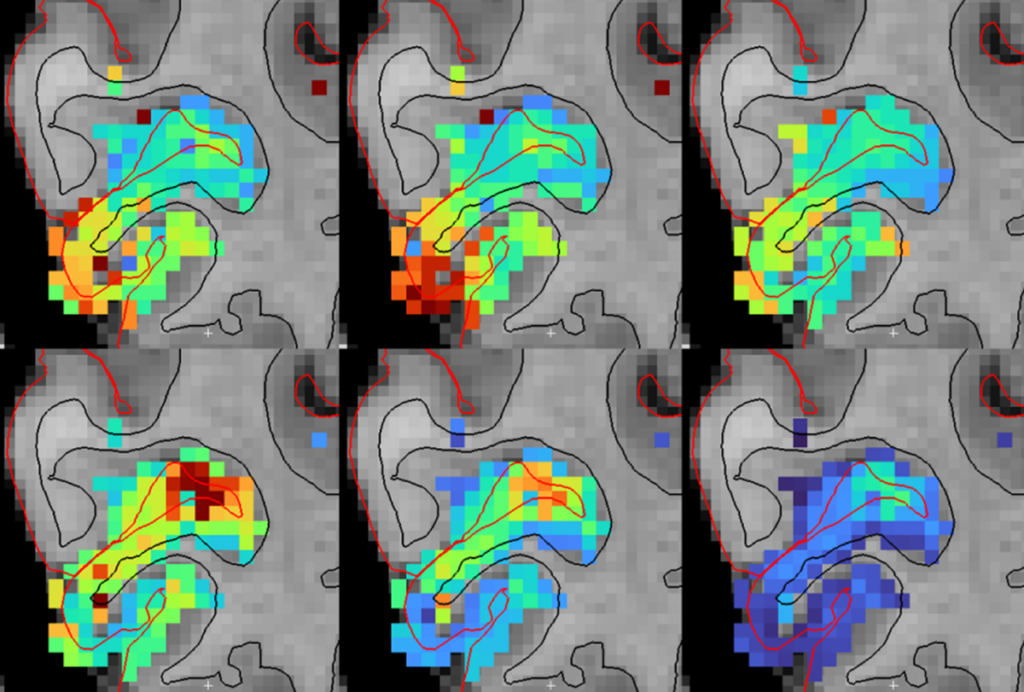
Functional MRI can do more than you think
Recent technological advances provide a range of new and different information about brain physiology. But taking full advantage of these gains depends on collaboration between engineers and neuroscientists.
Functional MRI can do more than you think
Recent technological advances provide a range of new and different information about brain physiology. But taking full advantage of these gains depends on collaboration between engineers and neuroscientists.
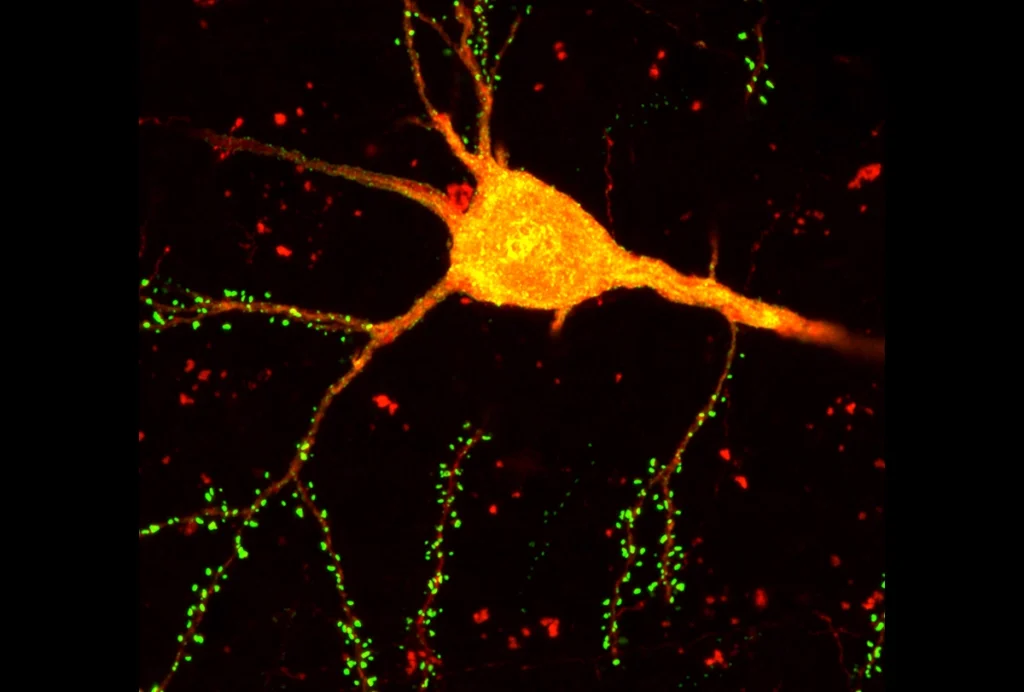
START method assembles brain’s wiring diagram by cell type
The new technique mapped the interactions of about 50 kinds of inhibitory neurons in the mouse visual cortex in finer detail than previous approaches.
START method assembles brain’s wiring diagram by cell type
The new technique mapped the interactions of about 50 kinds of inhibitory neurons in the mouse visual cortex in finer detail than previous approaches.
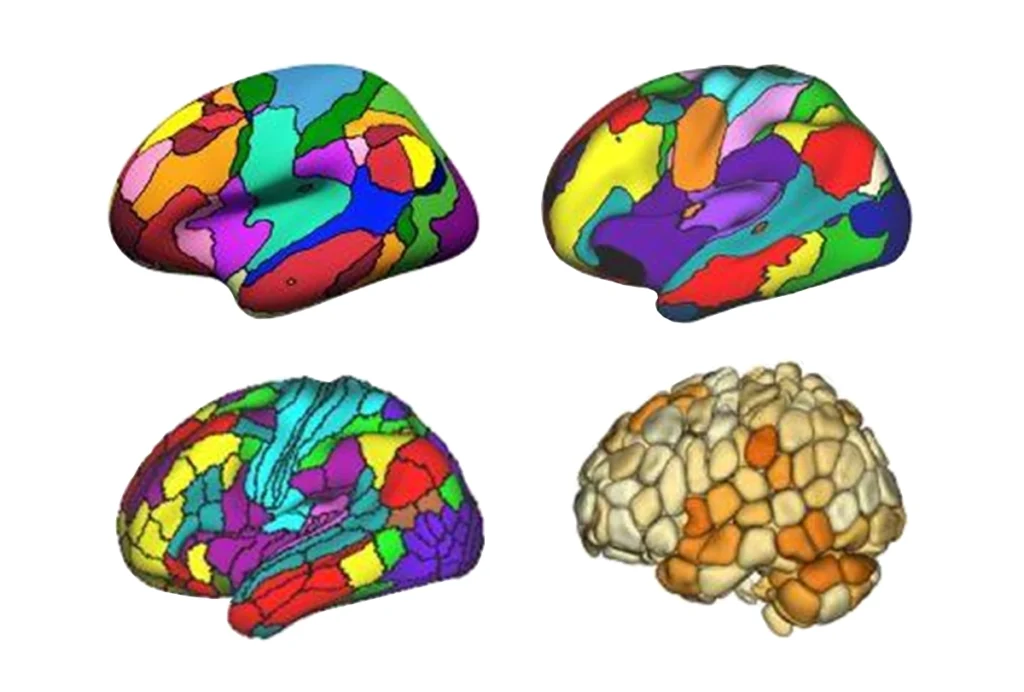
New ‘decoder’ tool translates functional neuroimaging terms across labs
The compendium of brain-parcellation atlases makes it possible to compare large-scale network data, which often involves different and overlapping network names.
New ‘decoder’ tool translates functional neuroimaging terms across labs
The compendium of brain-parcellation atlases makes it possible to compare large-scale network data, which often involves different and overlapping network names.
Robots boost data consistency in rodent studies reliant on mechanical, optogenetic stimulation
Two new devices take experimenter variation out of the equation, the lead investigators say.
Robots boost data consistency in rodent studies reliant on mechanical, optogenetic stimulation
Two new devices take experimenter variation out of the equation, the lead investigators say.
How long-read sequencing will transform neuroscience
New technology that delivers much more than a simple DNA sequence could have a major impact on brain research, enabling researchers to study transcript diversity, imprinting and more.
How long-read sequencing will transform neuroscience
New technology that delivers much more than a simple DNA sequence could have a major impact on brain research, enabling researchers to study transcript diversity, imprinting and more.
New specs immerse mice in virtual worlds
The tool — called “MouseGoggles” — could provide rodents with an improved virtual experience in the lab, at a lower cost than current techniques.
New specs immerse mice in virtual worlds
The tool — called “MouseGoggles” — could provide rodents with an improved virtual experience in the lab, at a lower cost than current techniques.
Explore more from The Transmitter
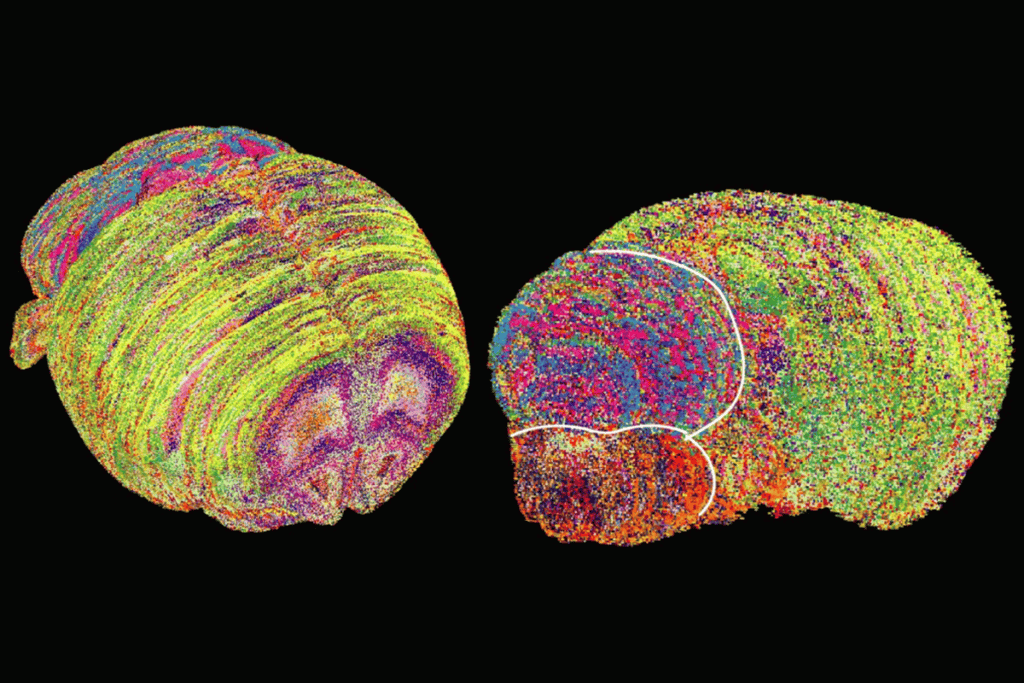
Lipids enter brain mapping limelight
Two new studies, including the first whole-brain lipid atlas in mice, uncover unforeseen complexity and influence during pregnancy and aging.
Lipids enter brain mapping limelight
Two new studies, including the first whole-brain lipid atlas in mice, uncover unforeseen complexity and influence during pregnancy and aging.
Behavioral phenomics in zebrafish; and more
Here is a roundup of autism-related news and research spotted around the web for the week of 26 October.
Behavioral phenomics in zebrafish; and more
Here is a roundup of autism-related news and research spotted around the web for the week of 26 October.

Neuroscience gave AI its start. What happens now?
David Sussillo maps the two fields' divergent paths, and where they might still meet.
Neuroscience gave AI its start. What happens now?
David Sussillo maps the two fields' divergent paths, and where they might still meet.