Testosterone
Recent articles
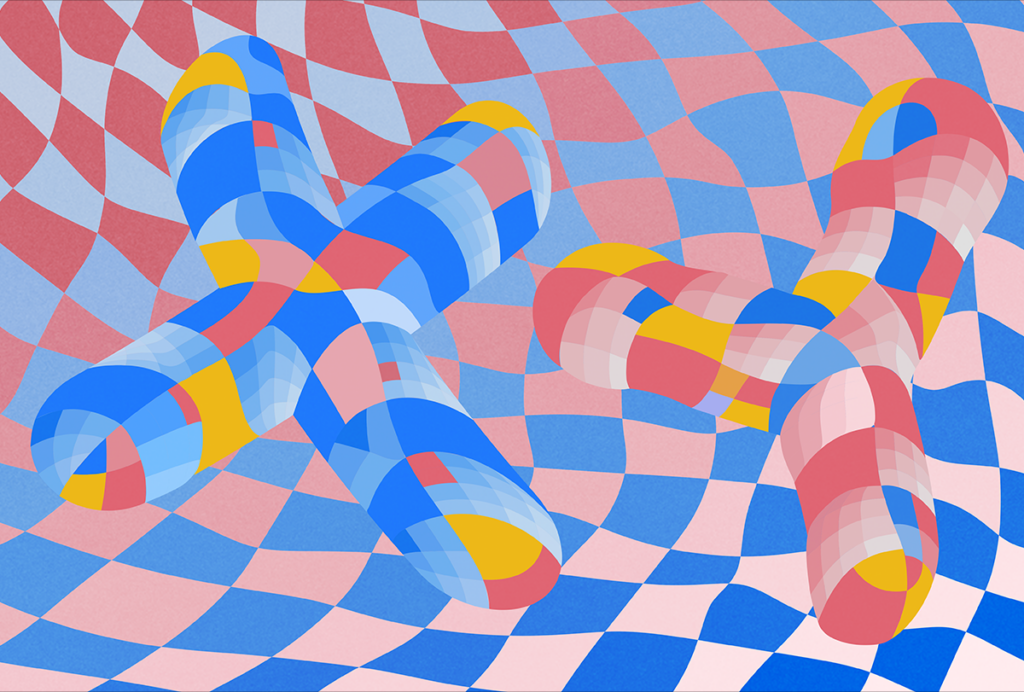
Accounting for a mosaic of sex differences: Q&A with Nicola Grissom
Breaking the binary view of sex traits can enable researchers to represent the broader complexity of behavior and cognition.
Accounting for a mosaic of sex differences: Q&A with Nicola Grissom
Breaking the binary view of sex traits can enable researchers to represent the broader complexity of behavior and cognition.
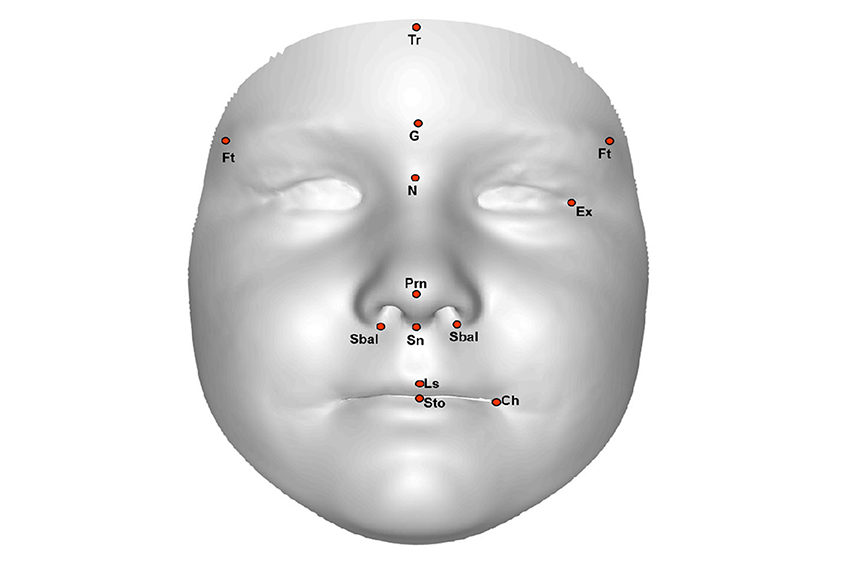
Siblings of autistic children may have distinct facial features
Siblings of autistic children, like those with the condition, tend to have faces that are more masculine than average.
Siblings of autistic children may have distinct facial features
Siblings of autistic children, like those with the condition, tend to have faces that are more masculine than average.
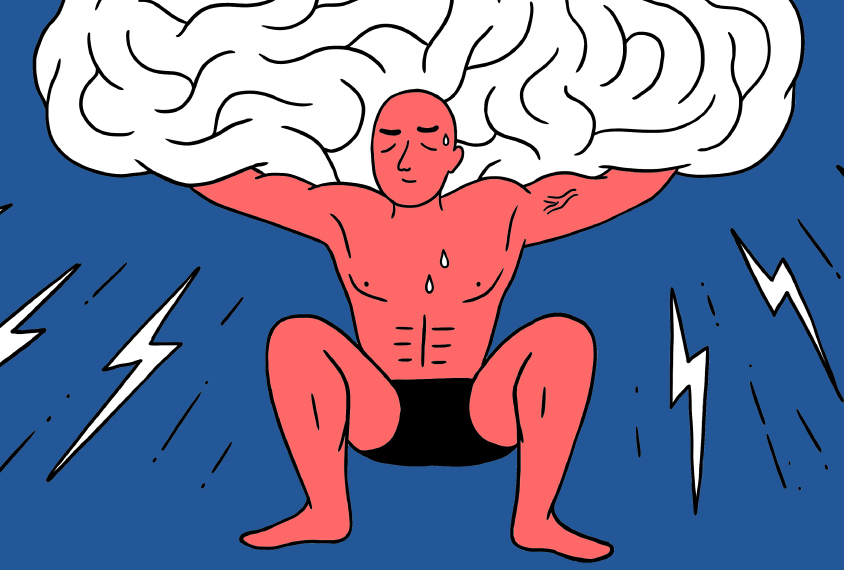
The extreme male brain, explained
The ‘extreme male brain’ theory suggests that autism is an exaggeration of systematic sex differences in ways of thinking.
The extreme male brain, explained
The ‘extreme male brain’ theory suggests that autism is an exaggeration of systematic sex differences in ways of thinking.
Predictive brain waves; spotting liars; pet peeve and more
Brain waves in infancy forecast autism, people with more autism features have trouble detecting lies, and veterinarians battle claims that vaccines cause autism in dogs.
Predictive brain waves; spotting liars; pet peeve and more
Brain waves in infancy forecast autism, people with more autism features have trouble detecting lies, and veterinarians battle claims that vaccines cause autism in dogs.

Some adults with autism traits reject conventional sexual labels
Adults who have characteristics of autism are about three times as likely as their peers to not identify as heterosexual, homosexual or bisexual.
Some adults with autism traits reject conventional sexual labels
Adults who have characteristics of autism are about three times as likely as their peers to not identify as heterosexual, homosexual or bisexual.
Boyish looks; popular pseudoscience; older fathers and more
Masculinized features help define children with autism, online autism-parent forums spread pseudoscience, and the United States has more older fathers than ever.
Boyish looks; popular pseudoscience; older fathers and more
Masculinized features help define children with autism, online autism-parent forums spread pseudoscience, and the United States has more older fathers than ever.
Testosterone test; enhancement stance; retirement pan
A new study casts doubt on the ‘extreme male brain’ theory of autism, Americans are worried about gene editing, and a Pasteur Institute clash raises questions about scientists’ age.
Testosterone test; enhancement stance; retirement pan
A new study casts doubt on the ‘extreme male brain’ theory of autism, Americans are worried about gene editing, and a Pasteur Institute clash raises questions about scientists’ age.

Hormonal imbalance during pregnancy tied to autism risk
Having polycystic ovary syndrome raises the risk of having a child with autism by nearly 60 percent.
Hormonal imbalance during pregnancy tied to autism risk
Having polycystic ovary syndrome raises the risk of having a child with autism by nearly 60 percent.
Hormone levels during pregnancy tied to autism risk
An analysis of prenatal screening test results fuels the theory that abnormal levels of steroid hormones in the womb wire the developing brain for autism.
Hormone levels during pregnancy tied to autism risk
An analysis of prenatal screening test results fuels the theory that abnormal levels of steroid hormones in the womb wire the developing brain for autism.
Linking autism, sex, gender and prenatal hormones
Elevated levels of fetal sex steroid hormones such as testosterone may explain many of autism’s unique features.
Linking autism, sex, gender and prenatal hormones
Elevated levels of fetal sex steroid hormones such as testosterone may explain many of autism’s unique features.
Explore more from The Transmitter
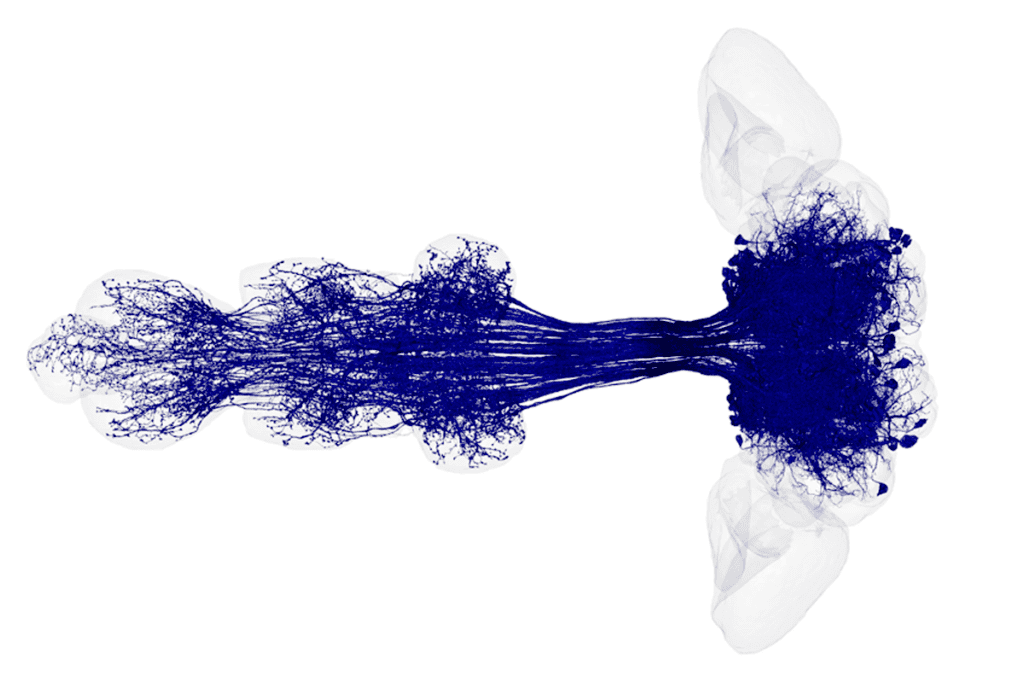
Fly taste connectome traces paths from sensation to action
The map—the first of its kind for an animal more complex than Caenorhabditis elegans—gives neuroscientists a trove of testable hypotheses about how neuronal circuits guide feeding behaviors.
Fly taste connectome traces paths from sensation to action
The map—the first of its kind for an animal more complex than Caenorhabditis elegans—gives neuroscientists a trove of testable hypotheses about how neuronal circuits guide feeding behaviors.
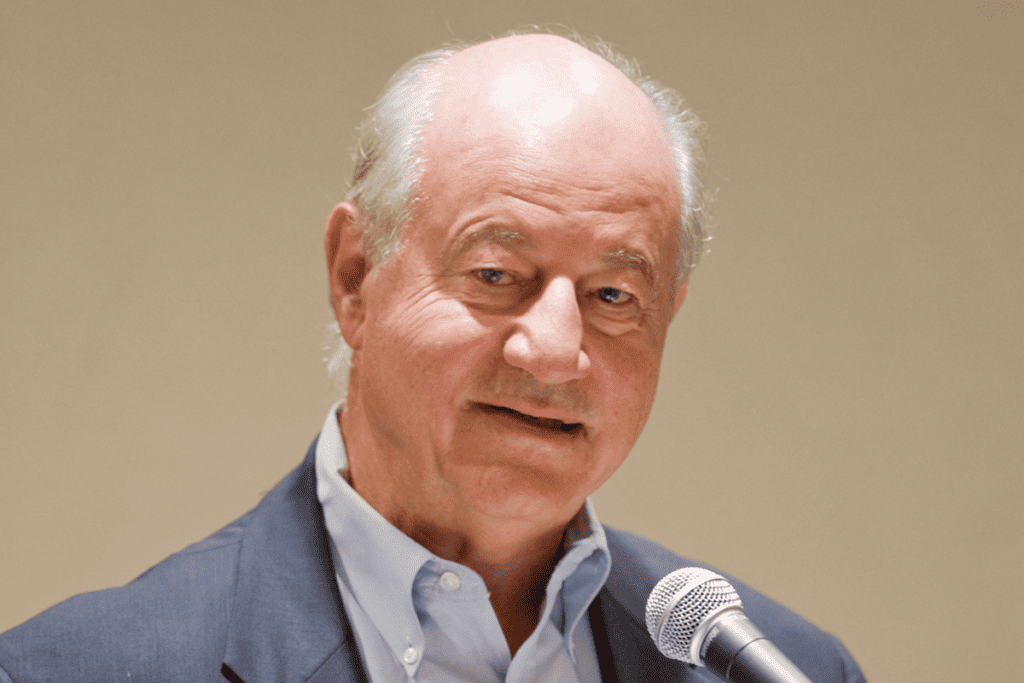
Remembering Gerry Fischbach, ‘orchestra conductor’ who brought scientists together
Fischbach, who died 25 October, elucidated the dynamic changes in neuromuscular junctions. Beyond the lab, he shaped careers, academic departments and scientific societies.
Remembering Gerry Fischbach, ‘orchestra conductor’ who brought scientists together
Fischbach, who died 25 October, elucidated the dynamic changes in neuromuscular junctions. Beyond the lab, he shaped careers, academic departments and scientific societies.
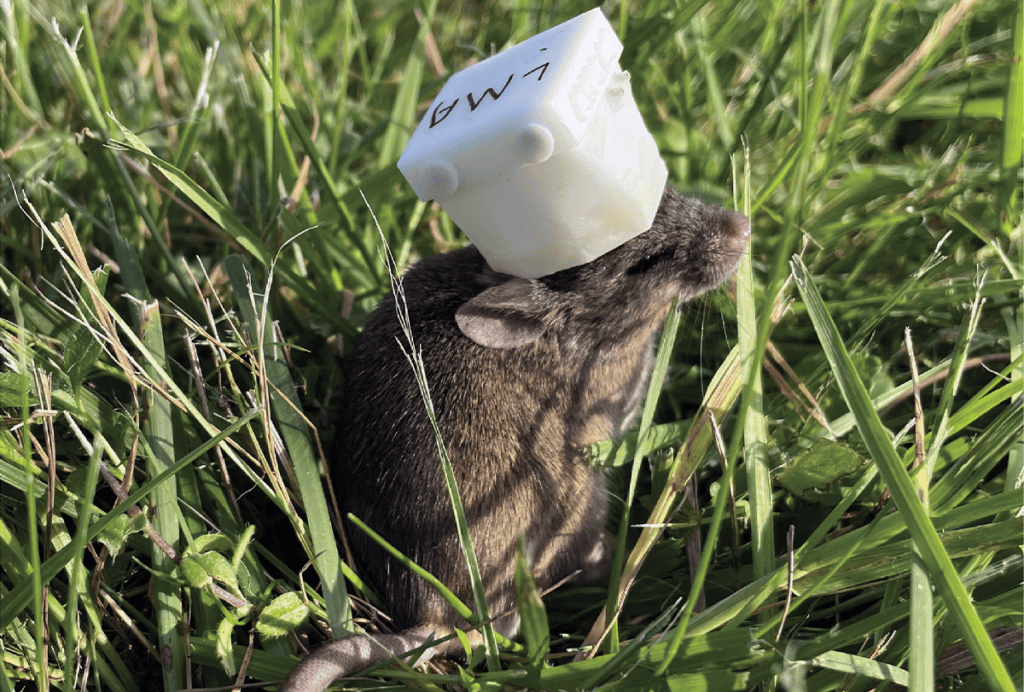
WILD platform levels up ability to record brain activity, behavior in nature
The customizable rig combines multimodal recording, onboard processing and neuronal manipulation to power more complex experiments.
WILD platform levels up ability to record brain activity, behavior in nature
The customizable rig combines multimodal recording, onboard processing and neuronal manipulation to power more complex experiments.