When autism and law enforcement meet
Recent articles
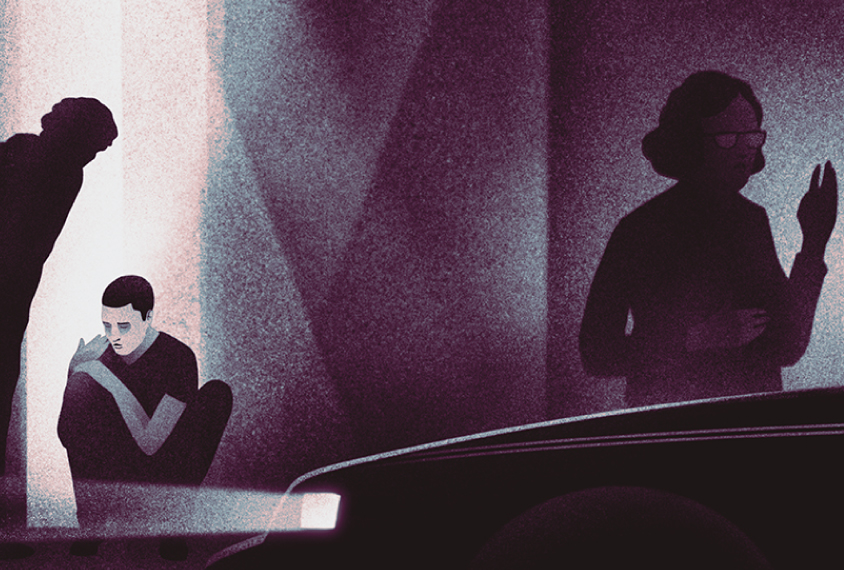
Why autism training for police isn’t enough
Inconsistent and underfunded training programs may hurt more than they help, experts say.
Why autism training for police isn’t enough
Inconsistent and underfunded training programs may hurt more than they help, experts say.

Autism behind bars
Prisons are often ill-equipped to handle autistic inmates, who are at risk for mental health problems and abuse.
Autism behind bars
Prisons are often ill-equipped to handle autistic inmates, who are at risk for mental health problems and abuse.
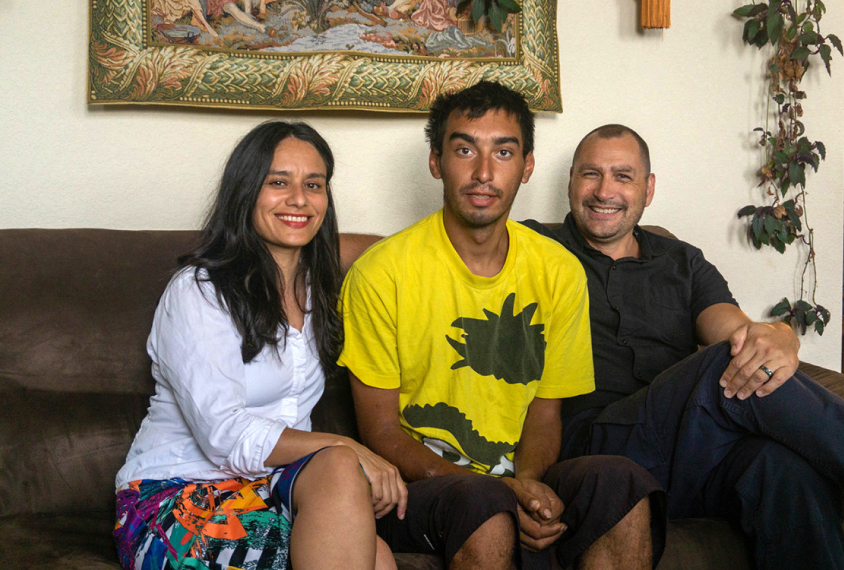
Model program could divert some 911 calls from police to mental health professionals
Denver, Colorado, is one of at least eight cities considering an Oregon program to decriminalize and improve the treatment of people with severe mental illness -- while saving the city money.
Model program could divert some 911 calls from police to mental health professionals
Denver, Colorado, is one of at least eight cities considering an Oregon program to decriminalize and improve the treatment of people with severe mental illness -- while saving the city money.
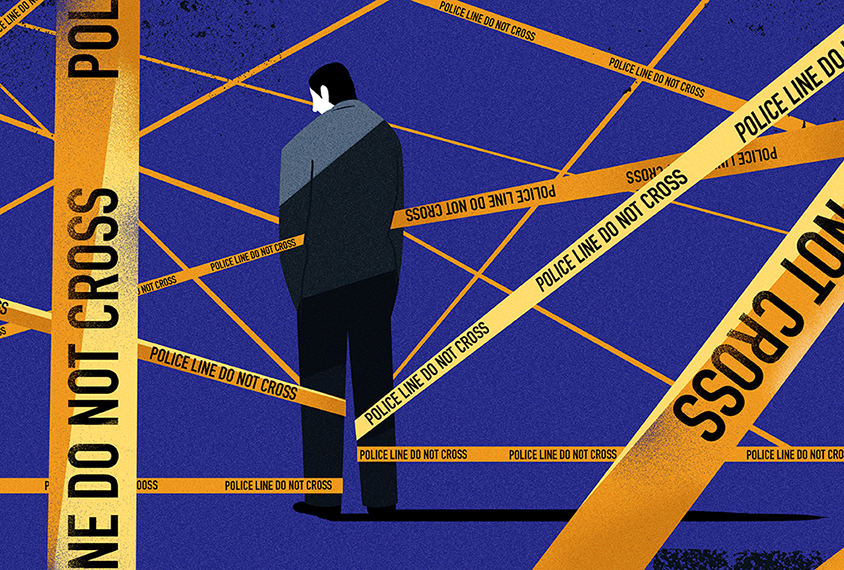
When autistic people commit sexual crimes
Many first-time sex offenders on the spectrum may not understand the laws they break. How should their crimes be treated?
When autistic people commit sexual crimes
Many first-time sex offenders on the spectrum may not understand the laws they break. How should their crimes be treated?
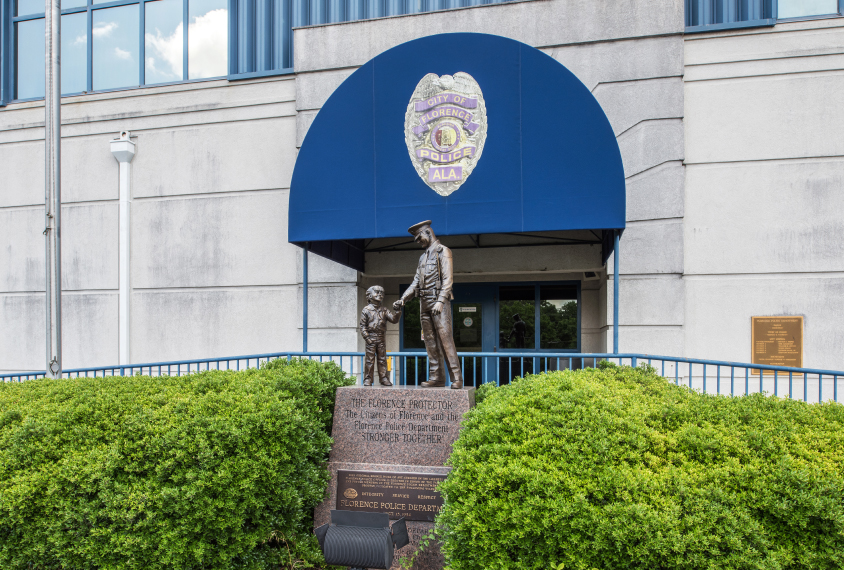
Why police need training to interact with people on the spectrum
Encounters between law enforcement and people with autism often go wrong, but some police departments are beginning to train their officers.
Why police need training to interact with people on the spectrum
Encounters between law enforcement and people with autism often go wrong, but some police departments are beginning to train their officers.

Training first responders to recognize autism may avert tragedies
A lack of training for first responders, combined with the communication difficulties of people with autism, can create dangerous misunderstandings.
Training first responders to recognize autism may avert tragedies
A lack of training for first responders, combined with the communication difficulties of people with autism, can create dangerous misunderstandings.
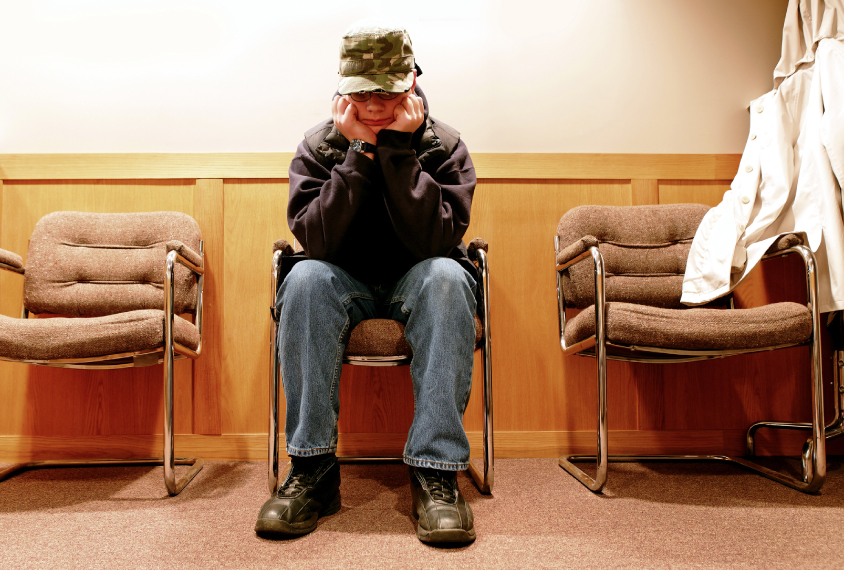
For teens with autism, behavioral issues boost risk of police run-ins
Young people with autism who have psychiatric problems may stand a ninefold greater chance of having an encounter with the police than do others on the spectrum.
For teens with autism, behavioral issues boost risk of police run-ins
Young people with autism who have psychiatric problems may stand a ninefold greater chance of having an encounter with the police than do others on the spectrum.

Down by law
A new study finds that Dutch children picked up by the police for minor offenses score higher than controls on a questionnaire measuring traits of autism.
Down by law
A new study finds that Dutch children picked up by the police for minor offenses score higher than controls on a questionnaire measuring traits of autism.
Explore more from The Transmitter
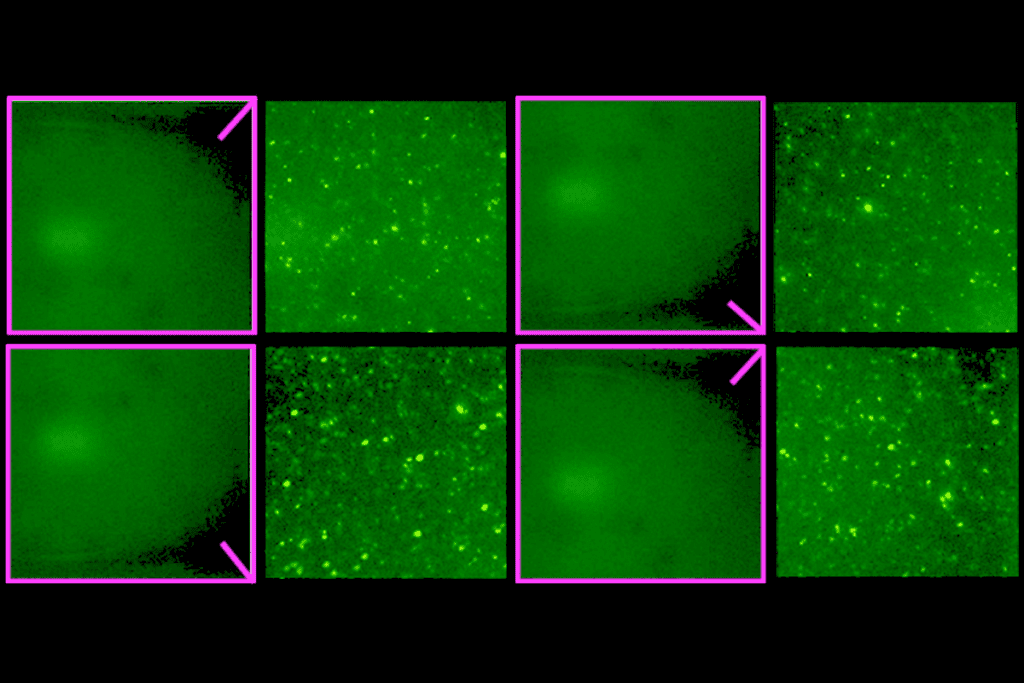
University probe leads to retraction of four neural tube studies
The University of Maryland conducted an internal investigation that identified image duplications and other data integrity issues in the studies, according to the retraction notices.
University probe leads to retraction of four neural tube studies
The University of Maryland conducted an internal investigation that identified image duplications and other data integrity issues in the studies, according to the retraction notices.

Highly cited autism paper earns expression of concern over data duplications
The notice, published in Nature last week, also addressed an image duplication identified by a prominent research-integrity sleuth.
Highly cited autism paper earns expression of concern over data duplications
The notice, published in Nature last week, also addressed an image duplication identified by a prominent research-integrity sleuth.

Govern neurodata by how it’s used, not where it’s from
New neurodata laws will shape how researchers gather, share and reuse brain data. A use-based governance protects basic researchers and those whose data are being used, without freezing science.
Govern neurodata by how it’s used, not where it’s from
New neurodata laws will shape how researchers gather, share and reuse brain data. A use-based governance protects basic researchers and those whose data are being used, without freezing science.