2023: Year in review
Recent articles
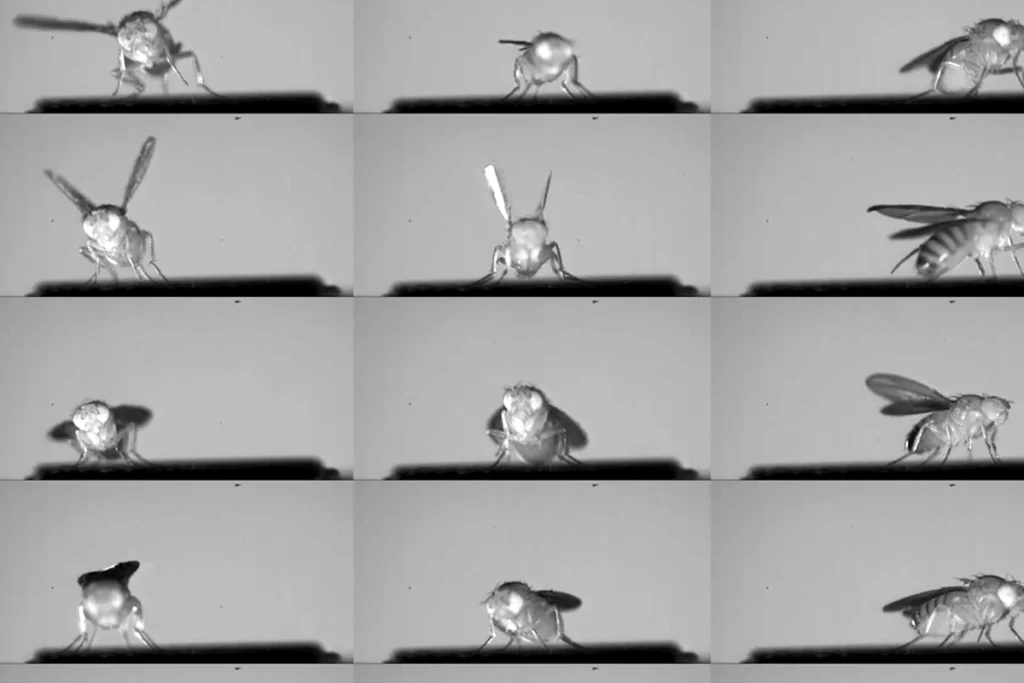
Seen and heard: The Transmitter’s top multimedia stories in 2023
Our audio, video and photo highlights from the past year help to transport readers into scientists’ lives and research, and the lives of their study participants.
Seen and heard: The Transmitter’s top multimedia stories in 2023
Our audio, video and photo highlights from the past year help to transport readers into scientists’ lives and research, and the lives of their study participants.

Year in Review: Spectrum’s best in 2023
Here are five must-reads from our coverage of autism research over the past 12 months.
Year in Review: Spectrum’s best in 2023
Here are five must-reads from our coverage of autism research over the past 12 months.
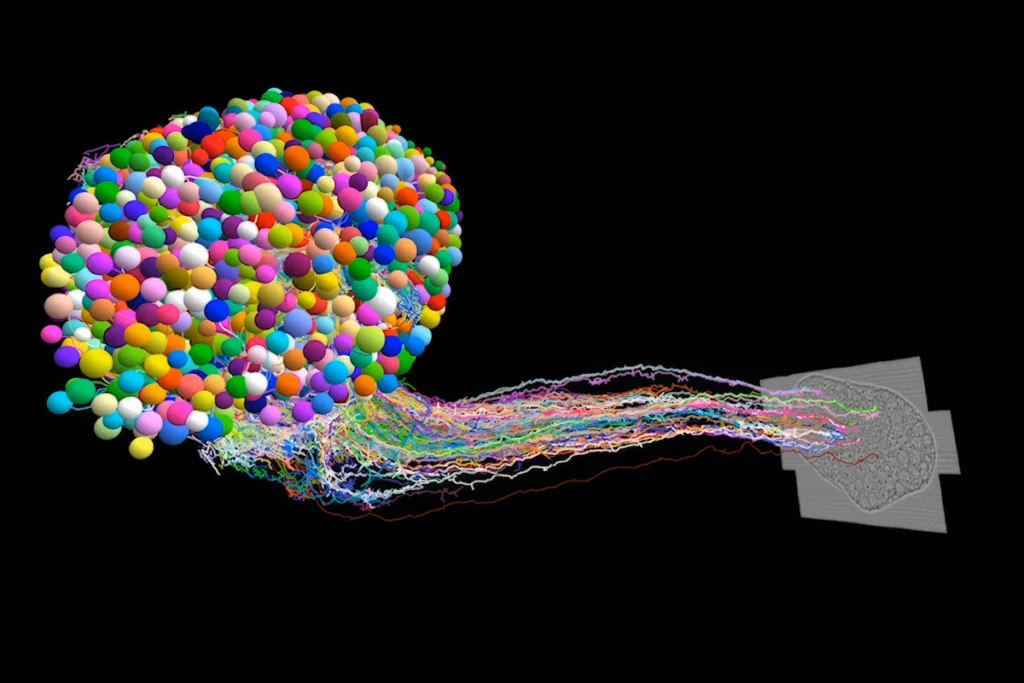
Standout neuroscience news in 2023
Did you miss any of our favorite stories from the past year? Revisit them here.
Standout neuroscience news in 2023
Did you miss any of our favorite stories from the past year? Revisit them here.
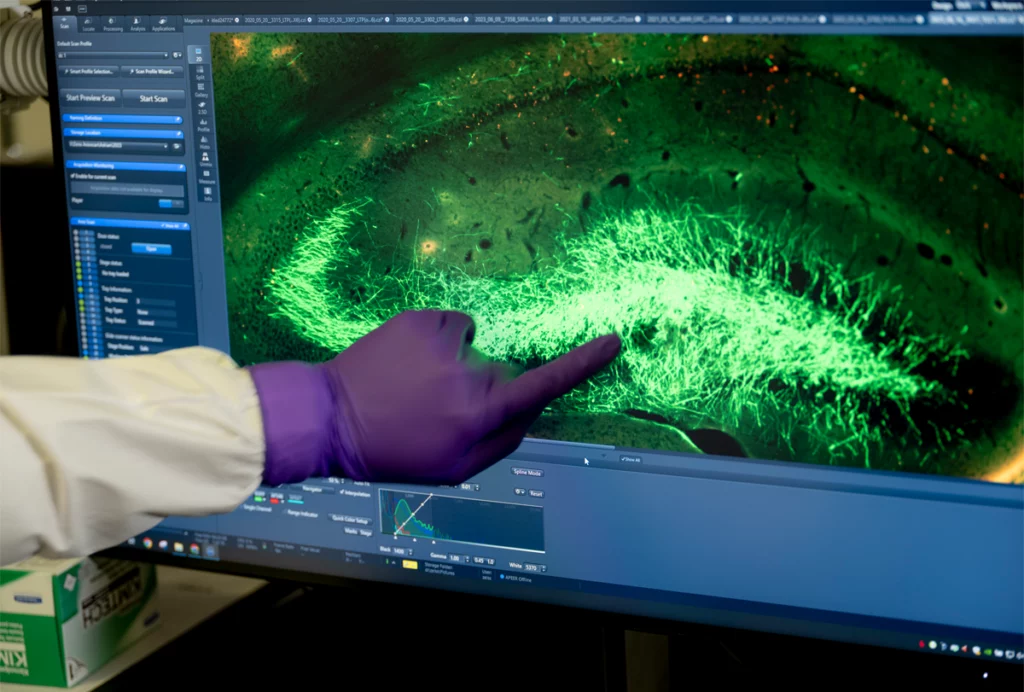
Going deep: The Transmitter’s top long-form stories in 2023
Our favorite features and book excerpts from the past year delved into the neurobiology of cancer; problems with survey data; free will; mathematical minds; and questions around one startup’s quest to treat brain conditions with cell therapies.
Going deep: The Transmitter’s top long-form stories in 2023
Our favorite features and book excerpts from the past year delved into the neurobiology of cancer; problems with survey data; free will; mathematical minds; and questions around one startup’s quest to treat brain conditions with cell therapies.
From a scientist’s perspective: The Transmitter’s top five essays in 2023
From big-picture debates about theories and terms to practical tips for teaching and writing, our favorite expert-written articles offer a glimpse into what neuroscientists are thinking.
From a scientist’s perspective: The Transmitter’s top five essays in 2023
From big-picture debates about theories and terms to practical tips for teaching and writing, our favorite expert-written articles offer a glimpse into what neuroscientists are thinking.
Explore more from The Transmitter
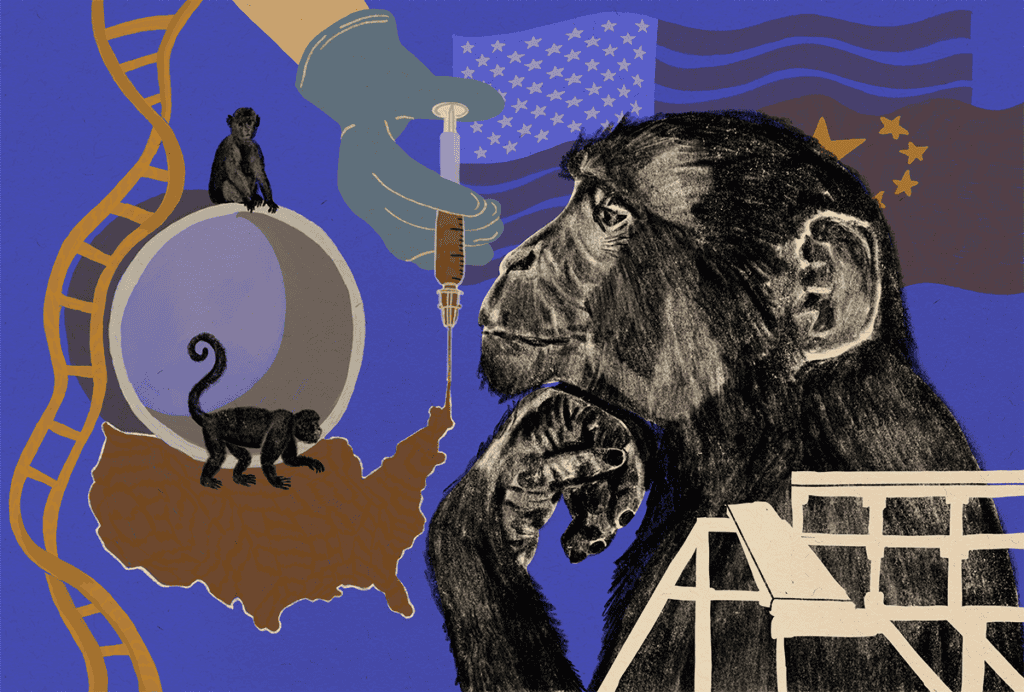
U.S. national primate research centers face an uncertain future
The facilities were meant to last 100 years. Four decades shy of that mark, amid flatlined funds and mounting political pressure, their directors are trying to find a path forward.
U.S. national primate research centers face an uncertain future
The facilities were meant to last 100 years. Four decades shy of that mark, amid flatlined funds and mounting political pressure, their directors are trying to find a path forward.
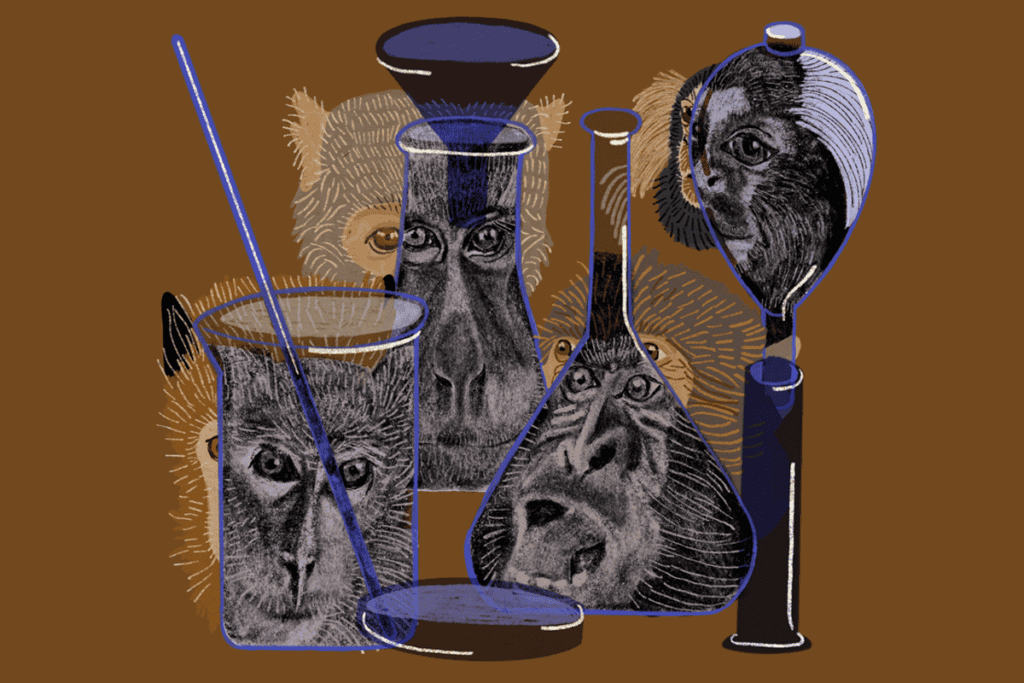
What if nonhuman primate research goes away?
As the U.S. government takes steps to stop using nonhuman primates in research, The Transmitter investigates what that shift could mean for neuroscience.
What if nonhuman primate research goes away?
As the U.S. government takes steps to stop using nonhuman primates in research, The Transmitter investigates what that shift could mean for neuroscience.
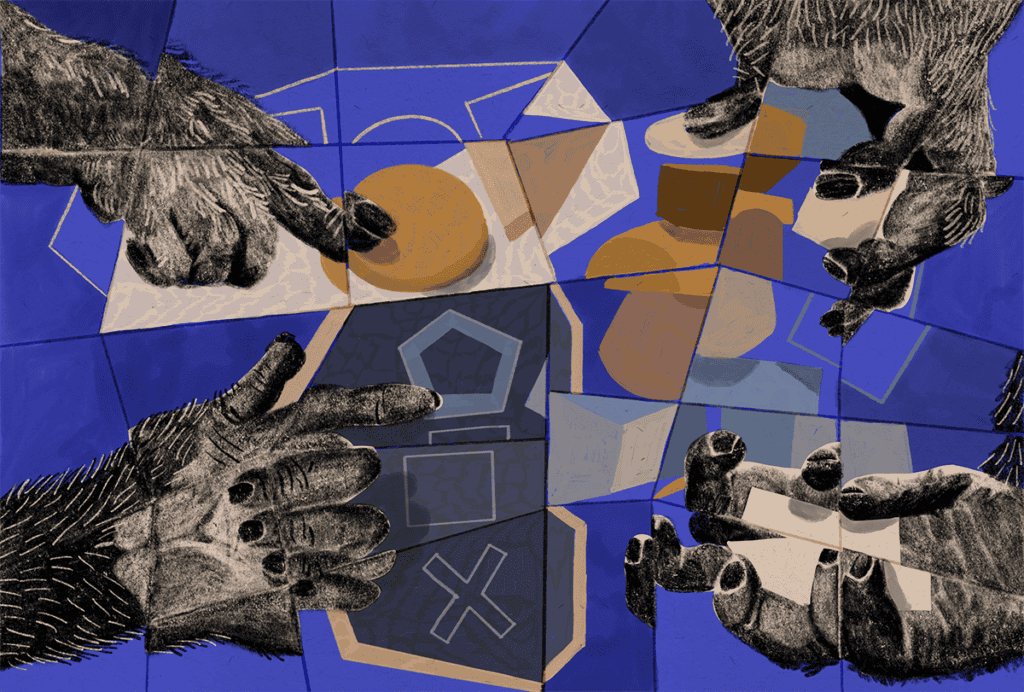
The neuroscience questions that need nonhuman primates
The Transmitter asked 17 neuroscientists what questions might remain unanswered if support for nonhuman primate research continues to decline.
The neuroscience questions that need nonhuman primates
The Transmitter asked 17 neuroscientists what questions might remain unanswered if support for nonhuman primate research continues to decline.