AGRE
Recent articles
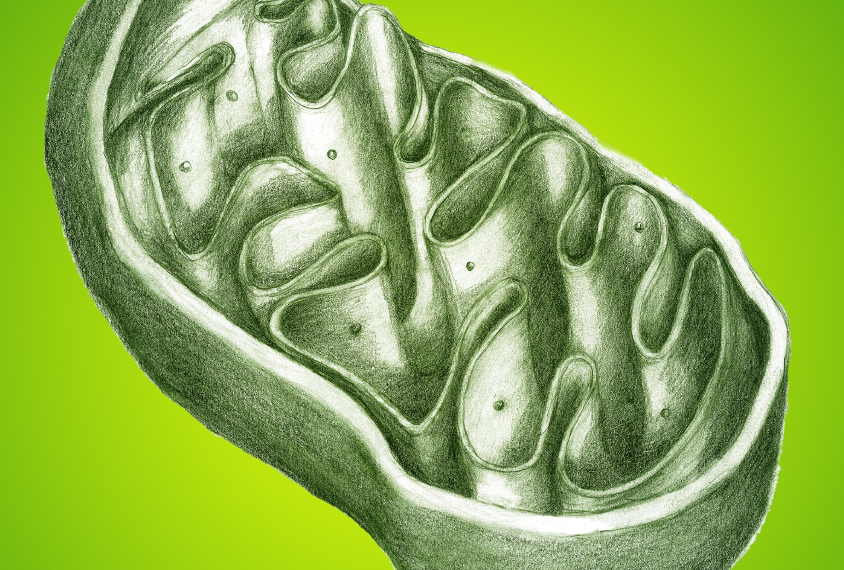
Mounting evidence links mitochondrial DNA to autism
Genetic variants that affect mitochondria, the organelles that power cells, may increase the risk of autism.
Mounting evidence links mitochondrial DNA to autism
Genetic variants that affect mitochondria, the organelles that power cells, may increase the risk of autism.
Mitochondrial risk; anxiety amelioration; fever factor and more
Some variants in mitochondrial DNA are more common than others in autism, cognitive therapy reduces anxiety for people on the spectrum, and maternal fever in the third trimester is tied to autism risk.
Mitochondrial risk; anxiety amelioration; fever factor and more
Some variants in mitochondrial DNA are more common than others in autism, cognitive therapy reduces anxiety for people on the spectrum, and maternal fever in the third trimester is tied to autism risk.

Sibling study bolsters role of common variants in autism
Children with autism are genetically more similar to one another than to a group of unaffected siblings.
Sibling study bolsters role of common variants in autism
Children with autism are genetically more similar to one another than to a group of unaffected siblings.
Rogue poop; ancestral autism; travel limbo and more
A Tampa clinic goes rogue with fecal transplants, autism’s genetic ancestry traces to our deep past, and the U.S. Supreme Court revives the travel ban.
Rogue poop; ancestral autism; travel limbo and more
A Tampa clinic goes rogue with fecal transplants, autism’s genetic ancestry traces to our deep past, and the U.S. Supreme Court revives the travel ban.

Some behavioral problems in autism may stem from poor health
Many children with autism have gastrointestinal problems, seizures and sleep disorders. A new study suggests that these seemingly disparate conditions are interconnected and may lead to the children’s behavioral issues.
Some behavioral problems in autism may stem from poor health
Many children with autism have gastrointestinal problems, seizures and sleep disorders. A new study suggests that these seemingly disparate conditions are interconnected and may lead to the children’s behavioral issues.
Power of girls to thwart autism shows up in sibling study
Children whose older sisters are on the spectrum are at higher risk for autism than are those with affected older brothers, a new study suggests. Younger brothers of children with autism are at greater risk than younger sisters.
Power of girls to thwart autism shows up in sibling study
Children whose older sisters are on the spectrum are at higher risk for autism than are those with affected older brothers, a new study suggests. Younger brothers of children with autism are at greater risk than younger sisters.
Reference strains aid genetic testing for Rett syndrome
Researchers have established a set of commercially available cell lines that can help gauge the quality of tests for Rett syndrome, they reported in the March issue of the Journal of Molecular Diagnostics.
Reference strains aid genetic testing for Rett syndrome
Researchers have established a set of commercially available cell lines that can help gauge the quality of tests for Rett syndrome, they reported in the March issue of the Journal of Molecular Diagnostics.
Algorithm uncovers autism syndromes’ fingerprints
An artificial-intelligence algorithm designed to analyze behavior has learned to recognize six genetic disorders associated with autism, according to a report published 11 February in Molecular Autism. The algorithm could be used to hone the search for autism’s genetic underpinnings.
Algorithm uncovers autism syndromes’ fingerprints
An artificial-intelligence algorithm designed to analyze behavior has learned to recognize six genetic disorders associated with autism, according to a report published 11 February in Molecular Autism. The algorithm could be used to hone the search for autism’s genetic underpinnings.
Clinical research: Epilepsy and autism share familial risk
In families with a history of autism, the affected children are seven times more likely to also have epilepsy than their unaffected siblings, according to a study published 1 December in Molecular Autism. The results suggest that epilepsy and autism share some risk factors.
Clinical research: Epilepsy and autism share familial risk
In families with a history of autism, the affected children are seven times more likely to also have epilepsy than their unaffected siblings, according to a study published 1 December in Molecular Autism. The results suggest that epilepsy and autism share some risk factors.
Large study links autism to autoimmune disease in mothers
About one in ten women who have a child with autism have immune molecules in their bloodstream that react with proteins in the brain, according to a study published 20 August in Molecular Psychiatry.
Large study links autism to autoimmune disease in mothers
About one in ten women who have a child with autism have immune molecules in their bloodstream that react with proteins in the brain, according to a study published 20 August in Molecular Psychiatry.
Explore more from The Transmitter
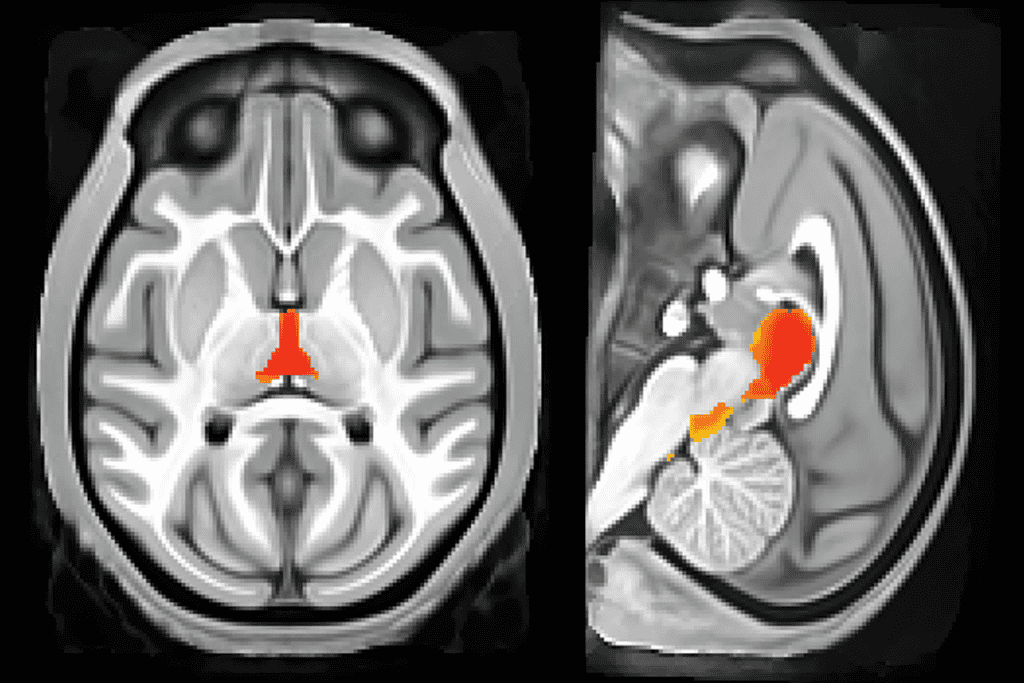
Acetaminophen effects on developing brain organoids; and more
Here is a roundup of autism-related news and research spotted around the web for the week of 12 October.
Acetaminophen effects on developing brain organoids; and more
Here is a roundup of autism-related news and research spotted around the web for the week of 12 October.

Private initiative makes ‘historic’ investment in autism research
Aligning Research to Impact Autism has committed more than $450 million to build a new multidisciplinary research network to uncover the roots of profound autism and develop treatments.
Private initiative makes ‘historic’ investment in autism research
Aligning Research to Impact Autism has committed more than $450 million to build a new multidisciplinary research network to uncover the roots of profound autism and develop treatments.
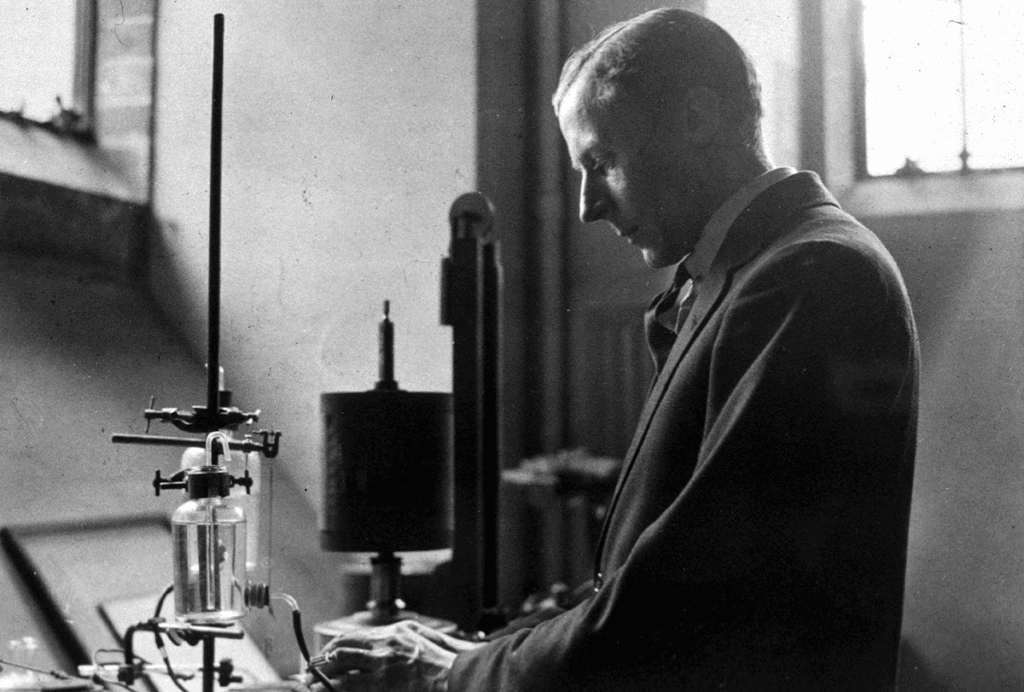
The neural code at 100
In two 1926 articles, Edgar Douglas Adrian revealed that neurons communicate through trains of spikes.
The neural code at 100
In two 1926 articles, Edgar Douglas Adrian revealed that neurons communicate through trains of spikes.