Amyotrophic lateral sclerosis
Recent articles
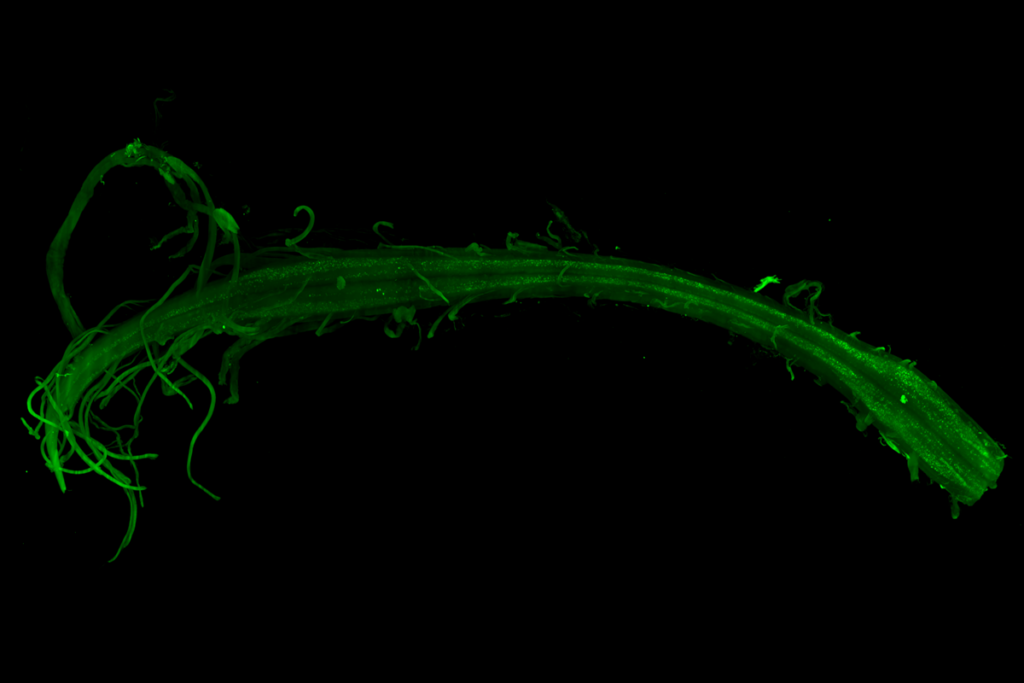
Allen Institute sets sights on treatments for five brain diseases
The Brain Health Accelerator program aims to harness single-cell transcriptomics and cell-type-specific genetic tools to develop treatments for Alzheimer’s, Huntington’s and Parkinson’s diseases, Lewy body dementia and ALS.
Allen Institute sets sights on treatments for five brain diseases
The Brain Health Accelerator program aims to harness single-cell transcriptomics and cell-type-specific genetic tools to develop treatments for Alzheimer’s, Huntington’s and Parkinson’s diseases, Lewy body dementia and ALS.
Expanding set of viral tools targets almost any brain cell type
Harmless viruses that encase short noncoding DNA elements called enhancers enable cell-type-specific gene delivery across the central nervous system in rodents and primates.
Expanding set of viral tools targets almost any brain cell type
Harmless viruses that encase short noncoding DNA elements called enhancers enable cell-type-specific gene delivery across the central nervous system in rodents and primates.
We found a major flaw in a scientific reagent used in thousands of neuroscience experiments — and we’re trying to fix it.
As part of that ambition, we launched a public-private partnership to systematically evaluate antibodies used to study neurological disease, and we plan to make all the data freely available.
We found a major flaw in a scientific reagent used in thousands of neuroscience experiments — and we’re trying to fix it.
As part of that ambition, we launched a public-private partnership to systematically evaluate antibodies used to study neurological disease, and we plan to make all the data freely available.
Explore more from The Transmitter
U.S. national primate research centers face an uncertain future
The facilities were meant to last 100 years. Four decades shy of that mark, amid flatlined funds and mounting political pressure, their directors are trying to find a path forward.
U.S. national primate research centers face an uncertain future
The facilities were meant to last 100 years. Four decades shy of that mark, amid flatlined funds and mounting political pressure, their directors are trying to find a path forward.
What if nonhuman primate research goes away?
As the U.S. government takes steps to stop using nonhuman primates in research, The Transmitter investigates what that shift could mean for neuroscience.
What if nonhuman primate research goes away?
As the U.S. government takes steps to stop using nonhuman primates in research, The Transmitter investigates what that shift could mean for neuroscience.
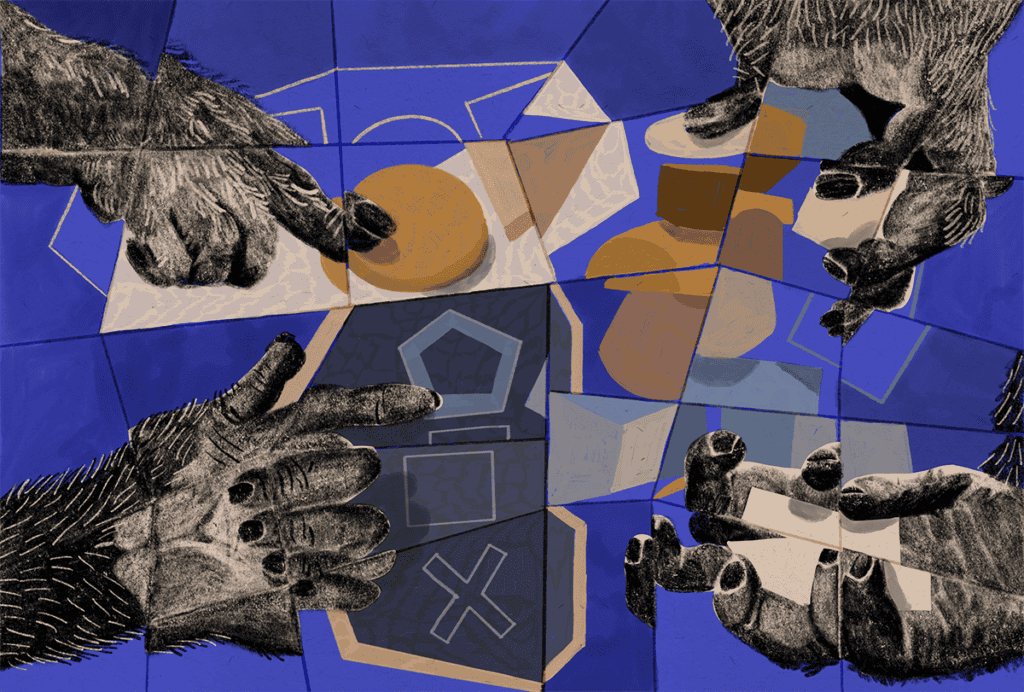
The neuroscience questions that need nonhuman primates
The Transmitter asked 17 neuroscientists what questions might remain unanswered if support for nonhuman primate research continues to decline.
The neuroscience questions that need nonhuman primates
The Transmitter asked 17 neuroscientists what questions might remain unanswered if support for nonhuman primate research continues to decline.