Autism
Recent articles
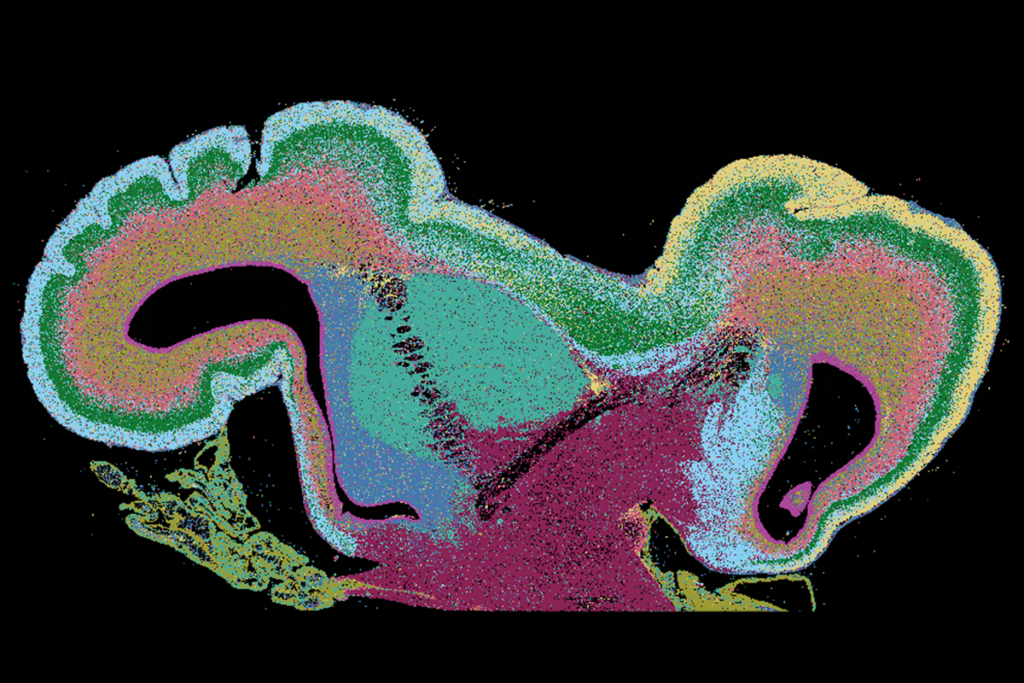
Scaling up n-of-1 trials; and more
Here is a roundup of autism-related news and research spotted around the web for the week of 16 November.
Scaling up n-of-1 trials; and more
Here is a roundup of autism-related news and research spotted around the web for the week of 16 November.
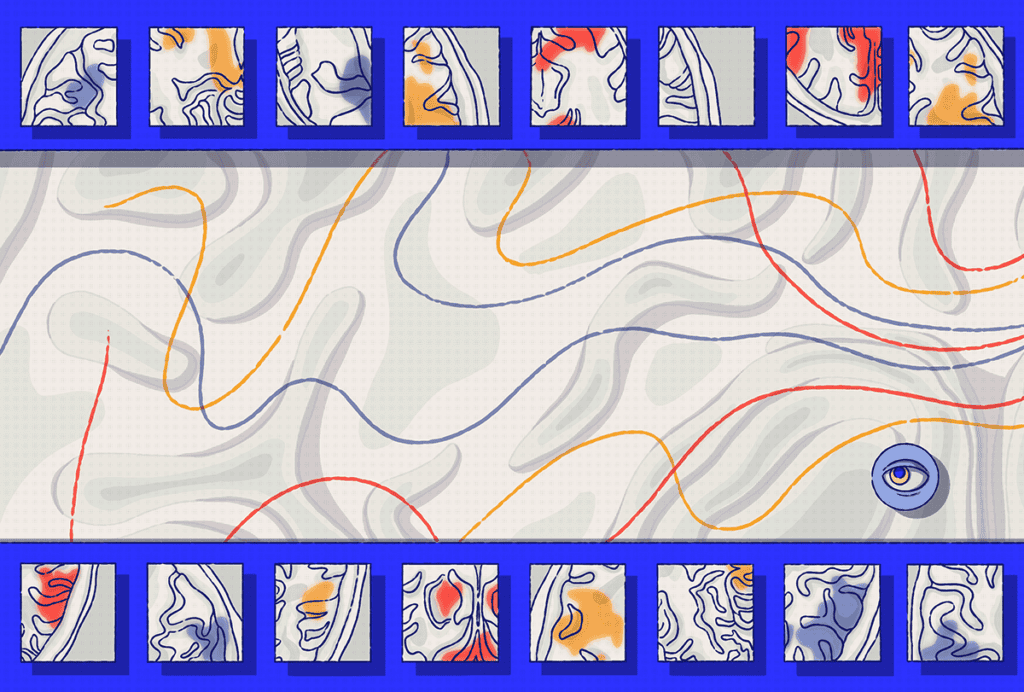
This paper changed my life: The salience network makes its mark
Vinod Menon’s 2008 PNAS paper found that activity in the salience network allows the brain to switch between different areas that control cognitive processing. The work drove Uddin to focus her research on large-scale brain networks and interactions among them.
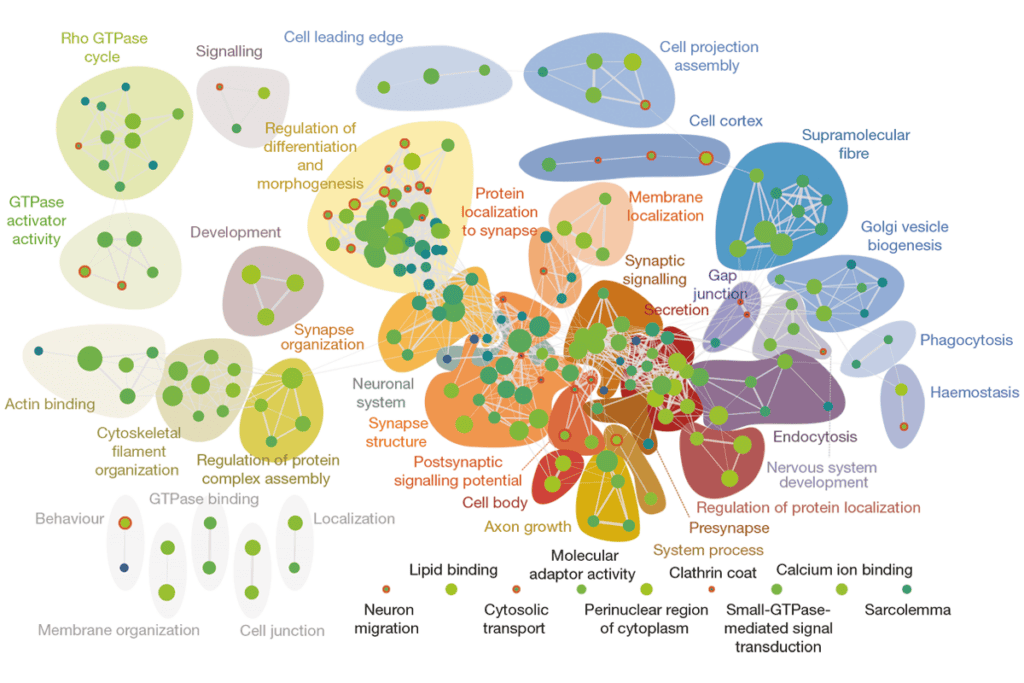
Machine-learning model spots autism-linked variants that scramble splicing
The model provides a way to investigate genetic variation in regions of the genome whose functions have been difficult to interpret.
Machine-learning model spots autism-linked variants that scramble splicing
The model provides a way to investigate genetic variation in regions of the genome whose functions have been difficult to interpret.
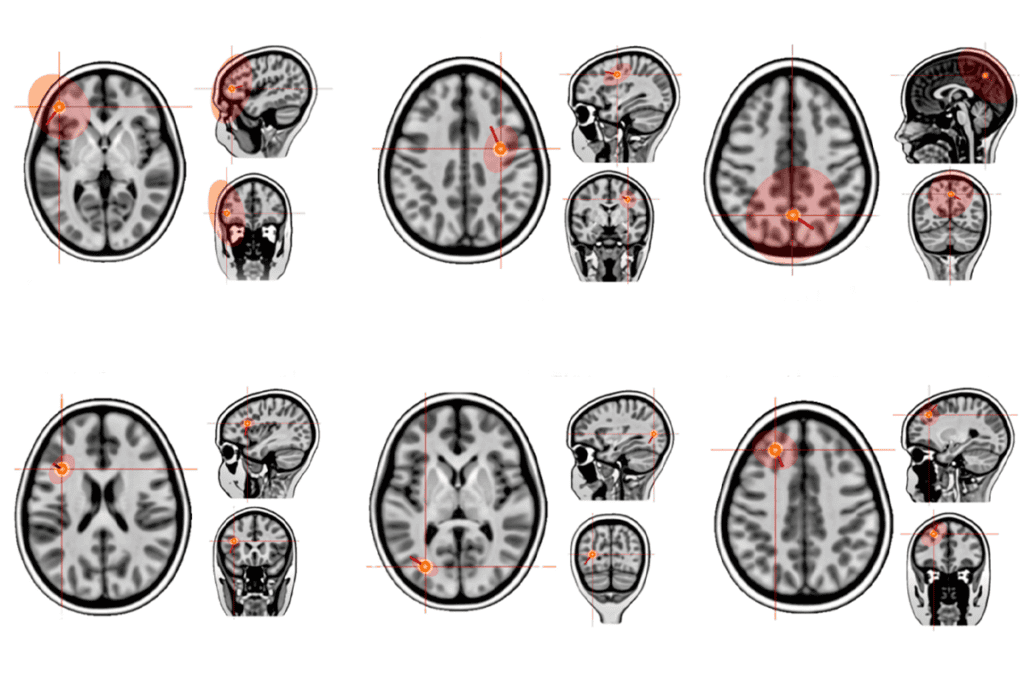
Language development during the first 1,000 days; and more
Here is a roundup of autism-related news and research spotted around the web for the week of 9 November.
Language development during the first 1,000 days; and more
Here is a roundup of autism-related news and research spotted around the web for the week of 9 November.
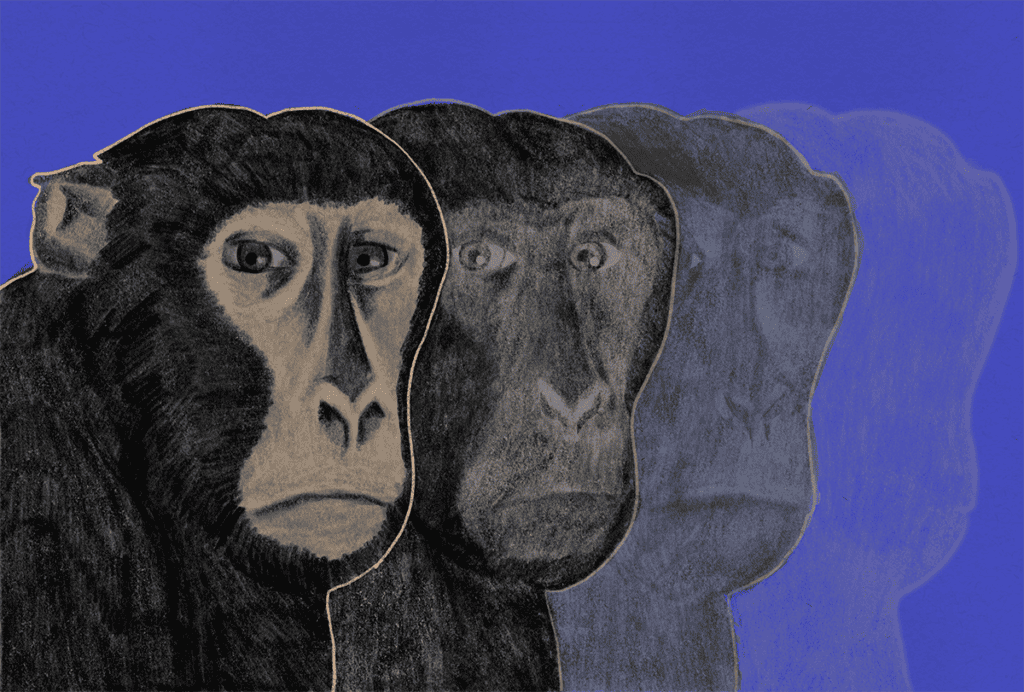
Autism research involving monkeys contends with uphill battle
Macaques and marmosets recapitulate the condition’s core traits better than mice can, but funding uncertainty and challenges at primate centers in the United States could make this work difficult to continue.
Autism research involving monkeys contends with uphill battle
Macaques and marmosets recapitulate the condition’s core traits better than mice can, but funding uncertainty and challenges at primate centers in the United States could make this work difficult to continue.
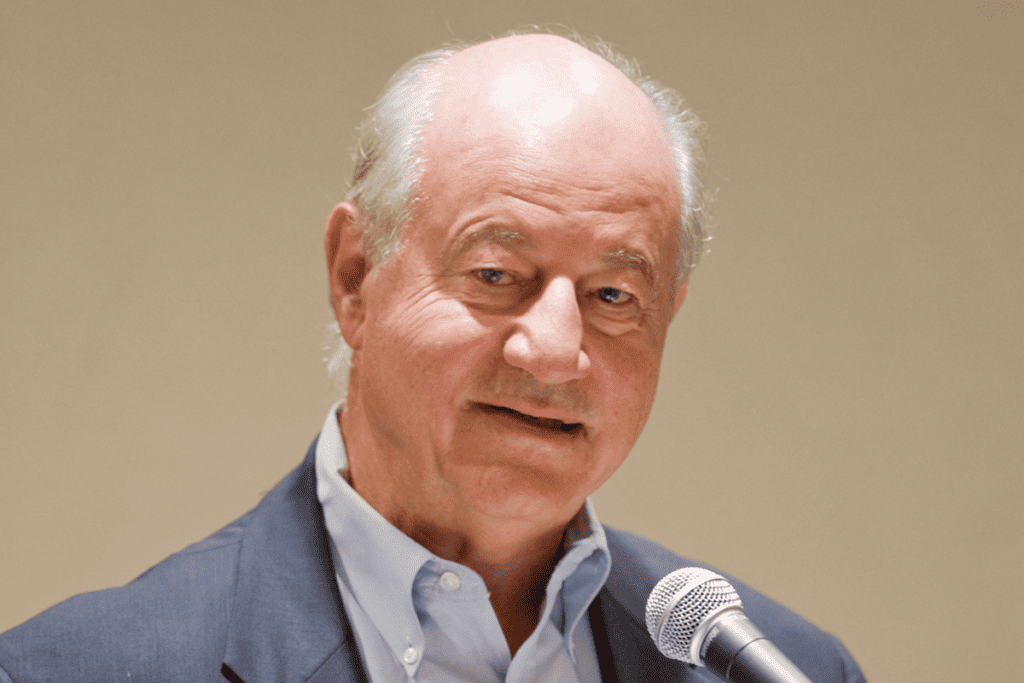
Remembering Gerry Fischbach, ‘orchestra conductor’ who brought scientists together
Fischbach, who died 25 October, elucidated the dynamic changes in neuromuscular junctions. Beyond the lab, he shaped careers, academic departments and scientific societies.
Remembering Gerry Fischbach, ‘orchestra conductor’ who brought scientists together
Fischbach, who died 25 October, elucidated the dynamic changes in neuromuscular junctions. Beyond the lab, he shaped careers, academic departments and scientific societies.
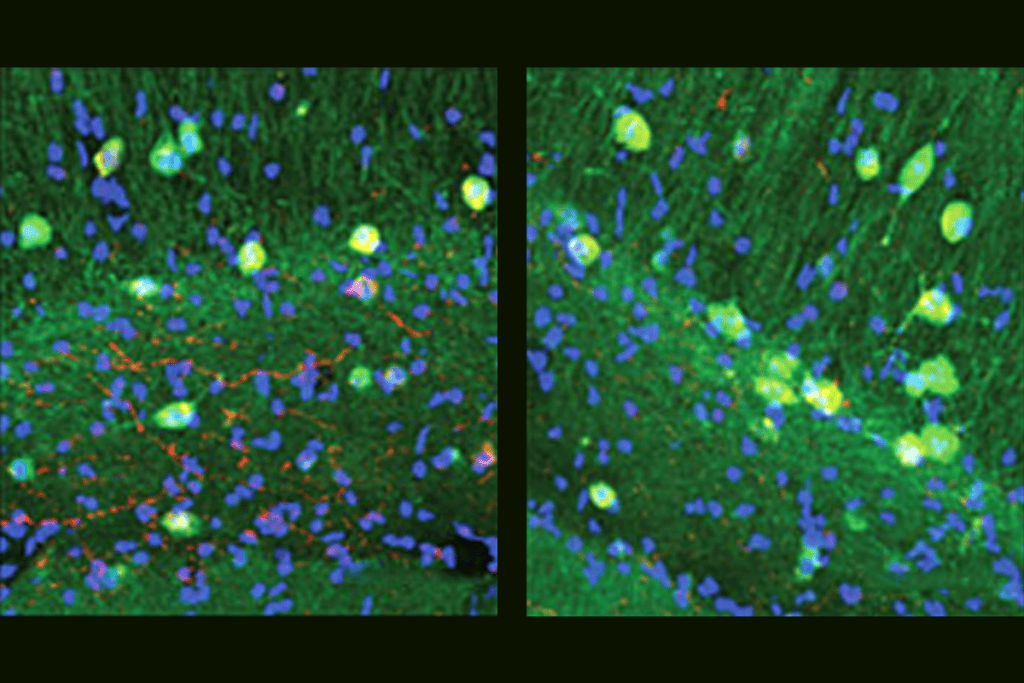
Behavioral phenomics in zebrafish; and more
Here is a roundup of autism-related news and research spotted around the web for the week of 26 October.
Behavioral phenomics in zebrafish; and more
Here is a roundup of autism-related news and research spotted around the web for the week of 26 October.
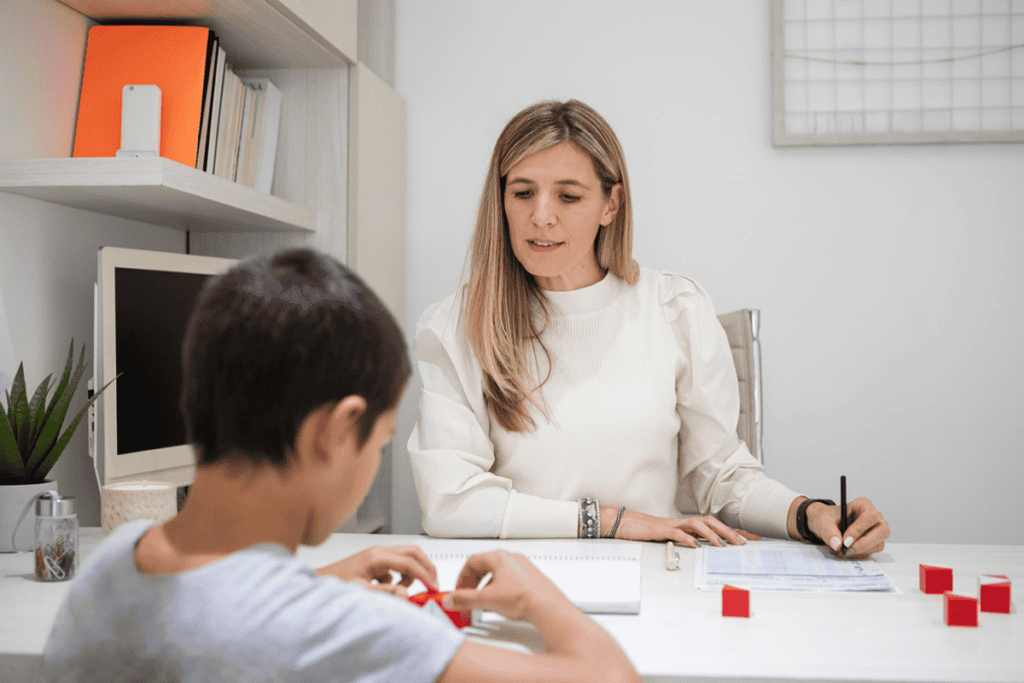
Prevalence of profound autism declines with new definition
The updated, more precise definition used in a CDC study includes adaptive scores.
Prevalence of profound autism declines with new definition
The updated, more precise definition used in a CDC study includes adaptive scores.
COVID-19 and influenza effects in pregnancy; and more
Here is a roundup of autism-related news and research spotted around the web for the week of 19 October.
COVID-19 and influenza effects in pregnancy; and more
Here is a roundup of autism-related news and research spotted around the web for the week of 19 October.

Highly cited autism paper earns expression of concern over data duplications
The notice, published in Nature last week, also addressed an image duplication identified by a prominent research-integrity sleuth.
Highly cited autism paper earns expression of concern over data duplications
The notice, published in Nature last week, also addressed an image duplication identified by a prominent research-integrity sleuth.
Explore more from The Transmitter
What makes computation possible in brains?
Nima Dehghani formalizes how computation can arise out of physical systems, such as brains, and describes the “special sauce” for real biological agency.
What makes computation possible in brains?
Nima Dehghani formalizes how computation can arise out of physical systems, such as brains, and describes the “special sauce” for real biological agency.
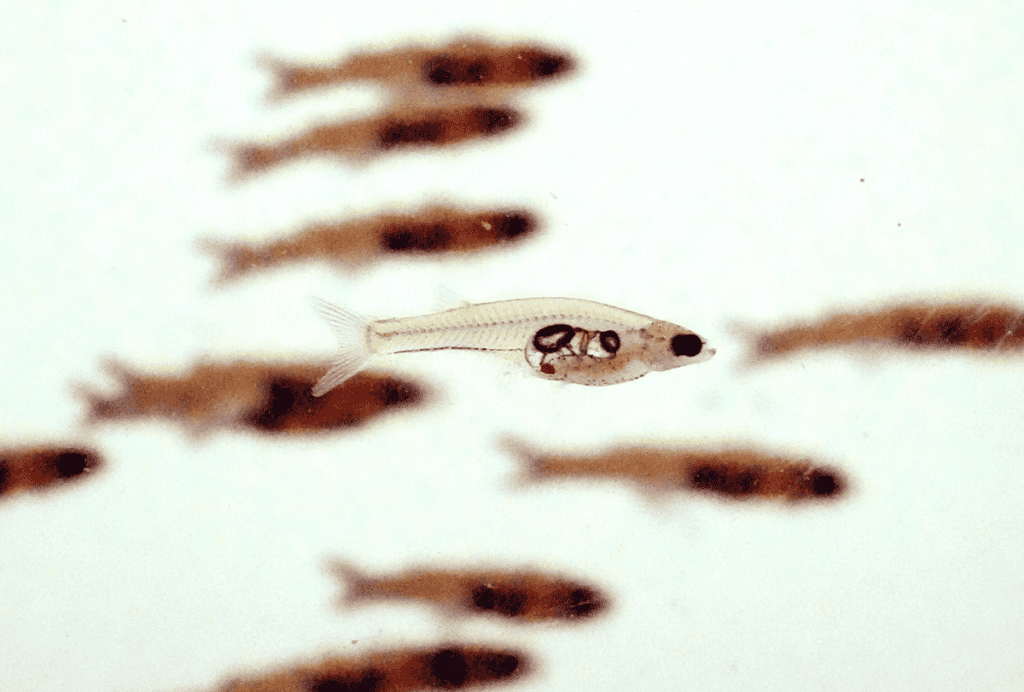
Fish brains follow swimming friends to avoid foes
A subset of neurons in glassfish activate when the animals see others escape, new research shows, offering clues for how collective behaviors emerge from individual neural activity.
Fish brains follow swimming friends to avoid foes
A subset of neurons in glassfish activate when the animals see others escape, new research shows, offering clues for how collective behaviors emerge from individual neural activity.
How does the developing brain make so many different types of neurons?
Oliver Hobert describes how analyzing patterns of gene expression and connectivity in closely and more distantly related species of nematodes sheds light on the structural and functional organization of the nervous system.
How does the developing brain make so many different types of neurons?
Oliver Hobert describes how analyzing patterns of gene expression and connectivity in closely and more distantly related species of nematodes sheds light on the structural and functional organization of the nervous system.