Awards
Recent articles
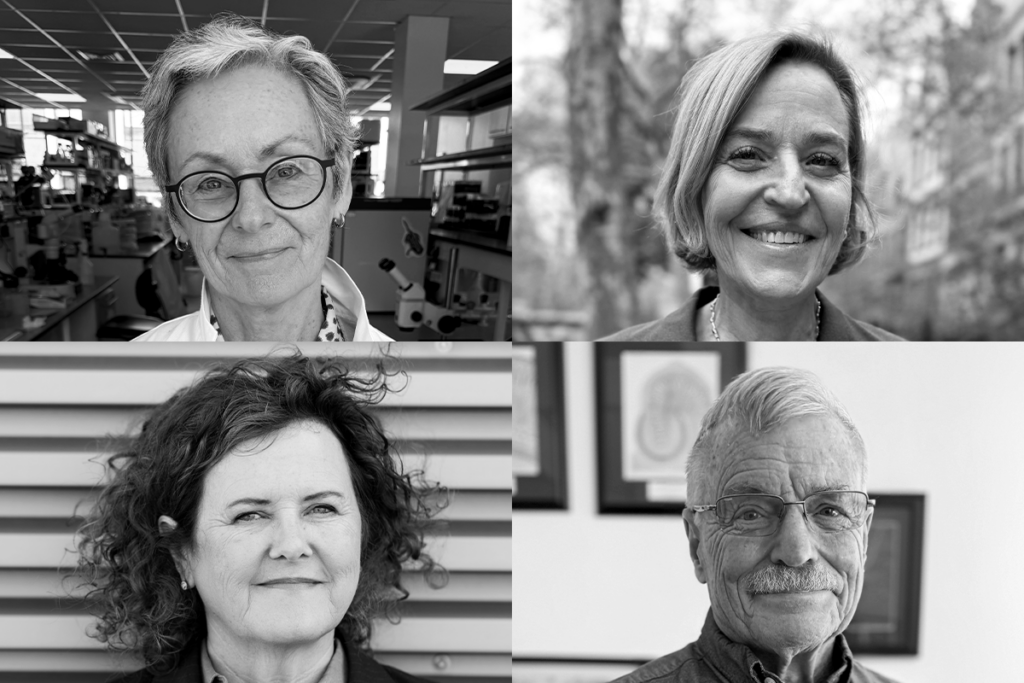
Four protein synthesis pioneers win Kavli Prize in Neuroscience
Their research revealed how neurons synthesize proteins in previously unrecognized places.
Four protein synthesis pioneers win Kavli Prize in Neuroscience
Their research revealed how neurons synthesize proteins in previously unrecognized places.

Top neuroscience prize winners in 2025
The awards recognize lifetime achievements and new discoveries.
Top neuroscience prize winners in 2025
The awards recognize lifetime achievements and new discoveries.

2024 Kavli Prize awarded for research on face-selective brain areas
Studies by Nancy Kanwisher, Winrich Freiwald and Doris Tsao revealed how the brains of humans and other primates identify faces and helped establish an understanding of brain specialization.
2024 Kavli Prize awarded for research on face-selective brain areas
Studies by Nancy Kanwisher, Winrich Freiwald and Doris Tsao revealed how the brains of humans and other primates identify faces and helped establish an understanding of brain specialization.
Explore more from The Transmitter
Finding neuroheterogeneity’s sweet spot
Once thought to be detrimental to memory processing, neuronal diversity—at the right ‘Goldilocks’ dose—is a new boon to theoretical neuroscience.
Finding neuroheterogeneity’s sweet spot
Once thought to be detrimental to memory processing, neuronal diversity—at the right ‘Goldilocks’ dose—is a new boon to theoretical neuroscience.

COVID-19 and influenza effects in pregnancy; and more
Here is a roundup of autism-related news and research spotted around the web for the week of 19 October.
COVID-19 and influenza effects in pregnancy; and more
Here is a roundup of autism-related news and research spotted around the web for the week of 19 October.
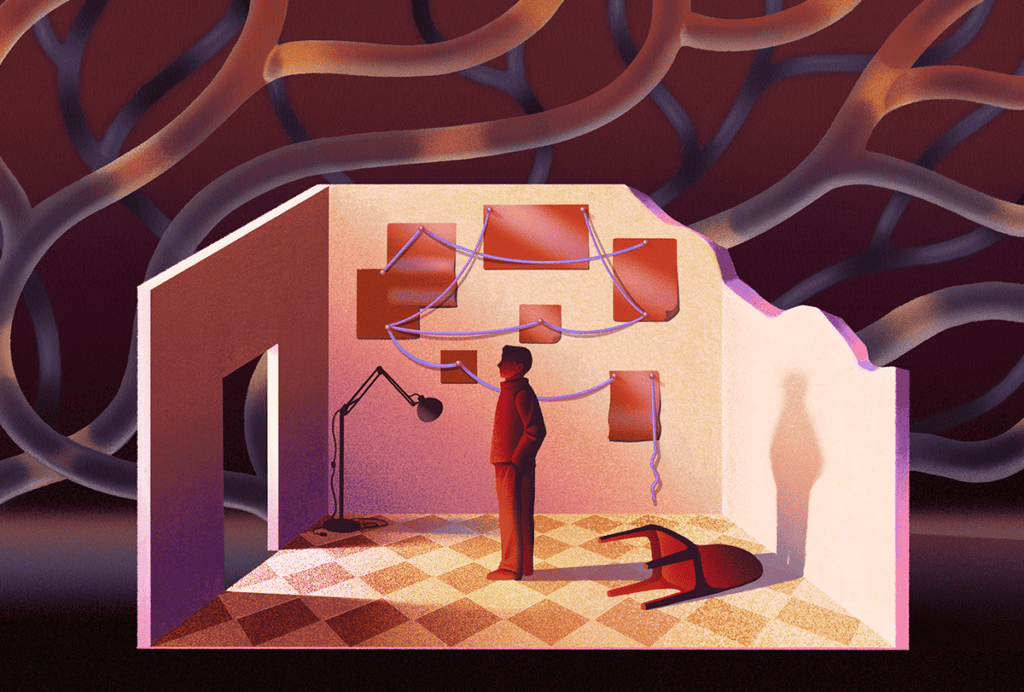
What to do when traditional mechanistic approaches no longer work
Many complex behaviors have stubbornly resisted mechanistic explanations. Deciphering them will require new approaches—and perhaps a new concept of “understanding.”
What to do when traditional mechanistic approaches no longer work
Many complex behaviors have stubbornly resisted mechanistic explanations. Deciphering them will require new approaches—and perhaps a new concept of “understanding.”