Brain banks
Recent articles
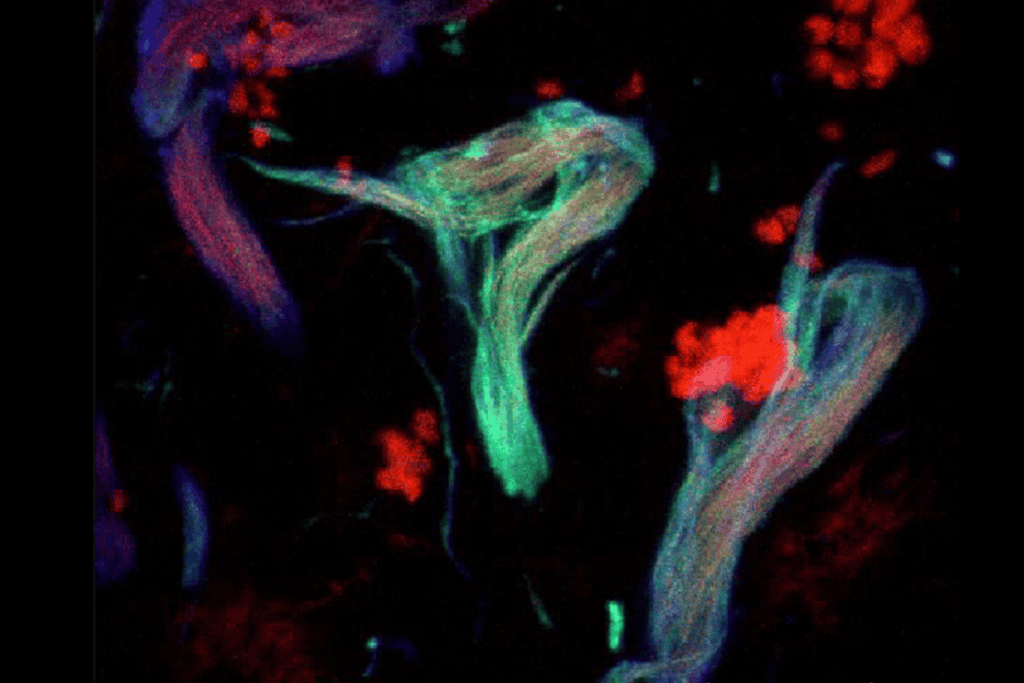
Reimagining Mexico’s brain bank
Since Alzheimer’s disease researcher José Luna-Muñoz assumed leadership of the facility—Latin America’s oldest—in 2011, he has been acquiring additional tissue types and is working to expand donor recruitment to rural areas.
Reimagining Mexico’s brain bank
Since Alzheimer’s disease researcher José Luna-Muñoz assumed leadership of the facility—Latin America’s oldest—in 2011, he has been acquiring additional tissue types and is working to expand donor recruitment to rural areas.
Reimaginando o banco de cérebros do México
Desde que o pesquisador da doença de Alzheimer José Luna-Muñoz assumiu a direção da instituição—a mais antiga da América Latina—em 2011, ele vem adquirindo novos tipos de tecido e trabalhando para ampliar o recrutamento de doadores nas áreas rurais
Reimaginando o banco de cérebros do México
Desde que o pesquisador da doença de Alzheimer José Luna-Muñoz assumiu a direção da instituição—a mais antiga da América Latina—em 2011, ele vem adquirindo novos tipos de tecido e trabalhando para ampliar o recrutamento de doadores nas áreas rurais
Reimaginando el banco de cerebros de México
Desde que el investigador de la enfermedad de Alzheimer José Luna-Muñoz se hizo cargo del banco de cerebros—el más antiguo de América Latina—en 2011, ha incorporado otros tipos de tejidos y trabaja para ampliar la captación de donantes a las zonas rurales.
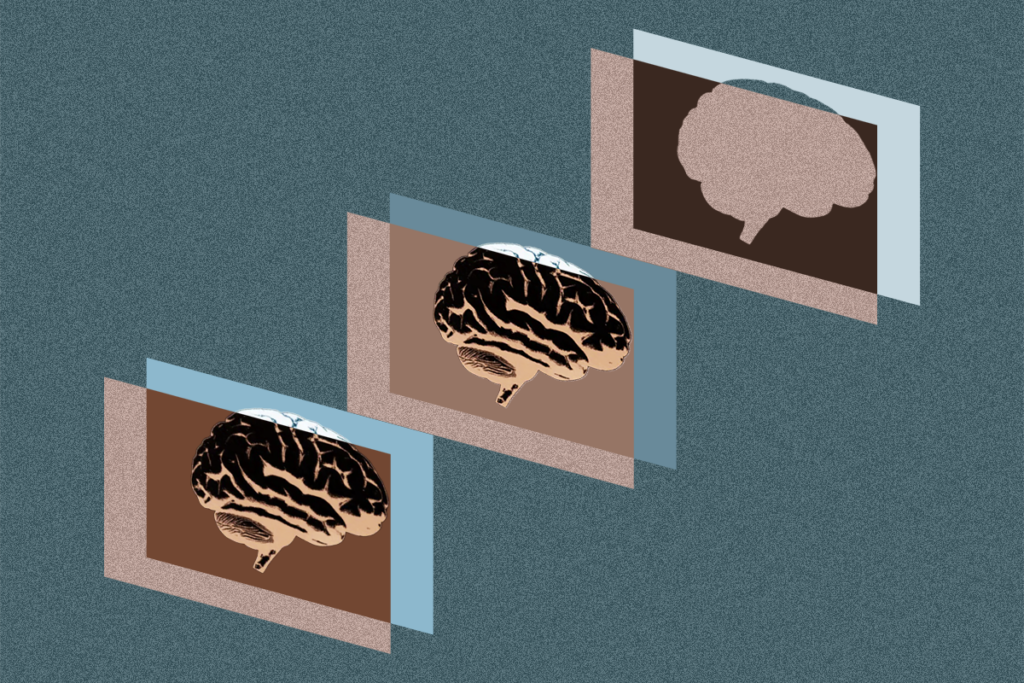
Exclusive: Recruitment issues jeopardize ambitious plan for human brain atlas
A lack of six new brain donors may stop the project from meeting its goal to pair molecular and cellular data with the functional organization of the cortex.
Exclusive: Recruitment issues jeopardize ambitious plan for human brain atlas
A lack of six new brain donors may stop the project from meeting its goal to pair molecular and cellular data with the functional organization of the cortex.
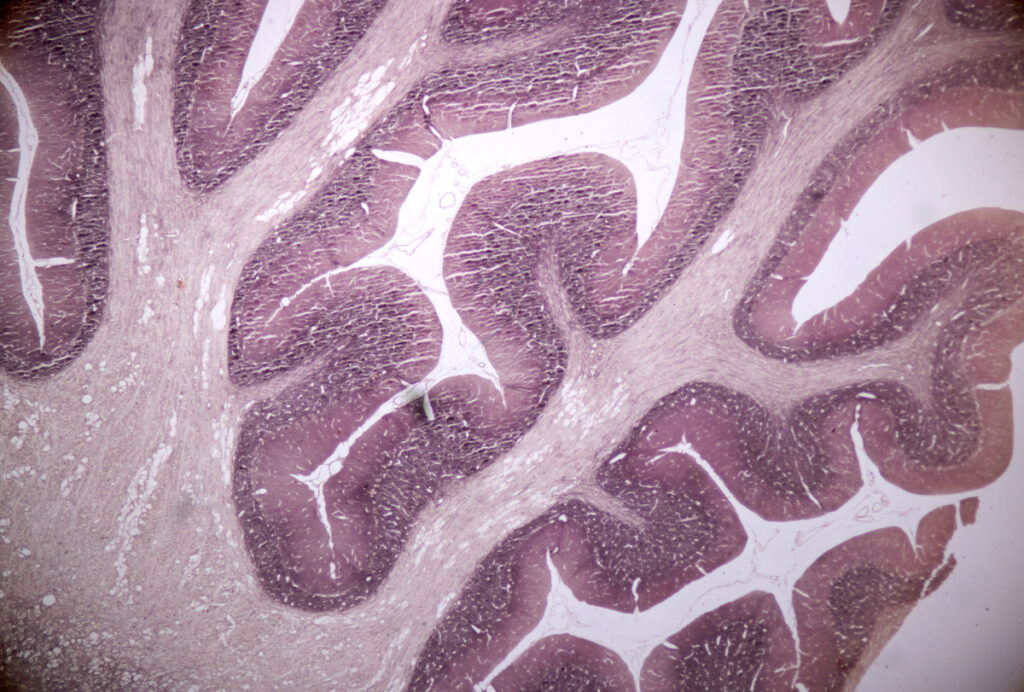
Preprint questions validity of postmortem brain studies
But the alternatives, including living-brain biopsies, raise logistical and ethical questions, experts say.
Preprint questions validity of postmortem brain studies
But the alternatives, including living-brain biopsies, raise logistical and ethical questions, experts say.

Diversifying autism brain banks: Q&A with Verónica Martínez-Cerdeño
The postmortem brain tissue available for autism research is overwhelmingly from people of Western European heritage. Verónica Martínez-Cerdeño and her colleagues are working to change that.
Diversifying autism brain banks: Q&A with Verónica Martínez-Cerdeño
The postmortem brain tissue available for autism research is overwhelmingly from people of Western European heritage. Verónica Martínez-Cerdeño and her colleagues are working to change that.
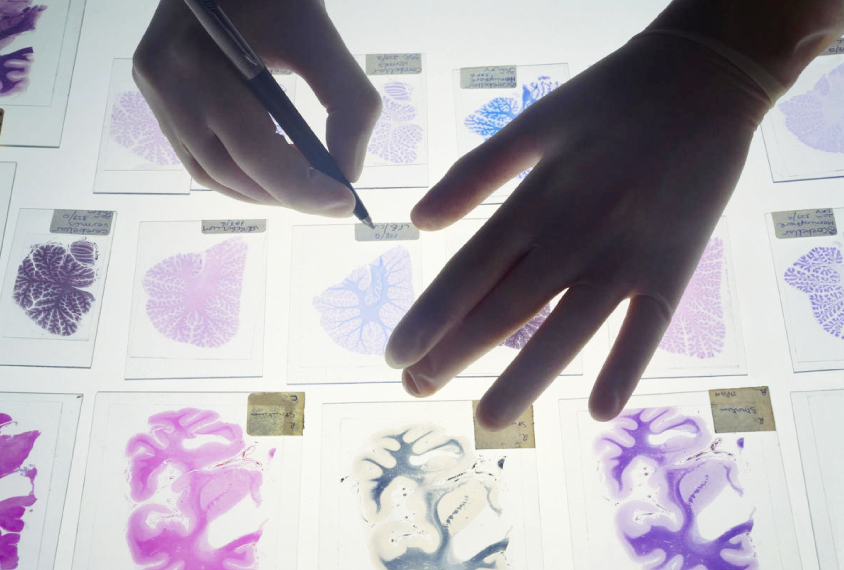
Autism brain bank doubles amount of available tissue
Autism BrainNet, a repository of postmortem brains, has new tissue from more than 150 brains, including 59 from people with confirmed or possible autism.
Autism brain bank doubles amount of available tissue
Autism BrainNet, a repository of postmortem brains, has new tissue from more than 150 brains, including 59 from people with confirmed or possible autism.
Analyzing postmortem brains for autism? Proceed with caution
Any study of postmortem brains must control for artifacts, which are pervasive in brain tissue.
Analyzing postmortem brains for autism? Proceed with caution
Any study of postmortem brains must control for artifacts, which are pervasive in brain tissue.
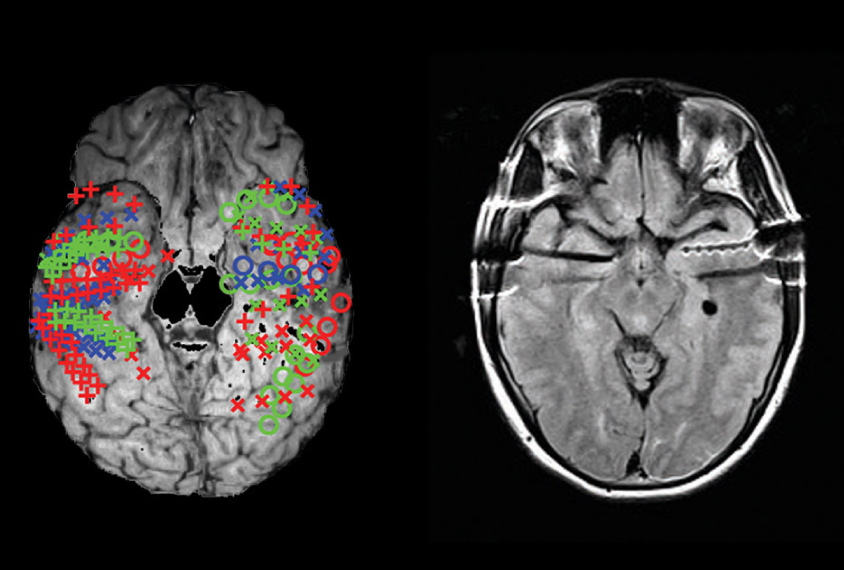
Internal recordings of human brain may offer insight into autism
A technique called intracranial electroencephalography can reveal brain functions with great sensitivity and may ultimately unearth the underpinnings of autism.
Internal recordings of human brain may offer insight into autism
A technique called intracranial electroencephalography can reveal brain functions with great sensitivity and may ultimately unearth the underpinnings of autism.
Cerebral palsy connection; misleading expressions; multiple maladies and more
New evidence links autism and cerebral palsy at the genetic level, facial expressions tend to mislead, and many health conditions accompany autism.
Cerebral palsy connection; misleading expressions; multiple maladies and more
New evidence links autism and cerebral palsy at the genetic level, facial expressions tend to mislead, and many health conditions accompany autism.
Explore more from The Transmitter
The term ‘model organism’ should be reserved for biological systems
By referring to artificial neural networks as model organisms, we run the risk of distorting funding priorities and disregard the explanatory power of a shared evolutionary history across biological organisms.
The term ‘model organism’ should be reserved for biological systems
By referring to artificial neural networks as model organisms, we run the risk of distorting funding priorities and disregard the explanatory power of a shared evolutionary history across biological organisms.
New phase of BRAIN Initiative spawns basal ganglia ‘parts list’
With a standardized cell naming system and infrastructure for data collection and analysis, the basal ganglia project sets the stage for a whole-brain primate atlas.
New phase of BRAIN Initiative spawns basal ganglia ‘parts list’
With a standardized cell naming system and infrastructure for data collection and analysis, the basal ganglia project sets the stage for a whole-brain primate atlas.
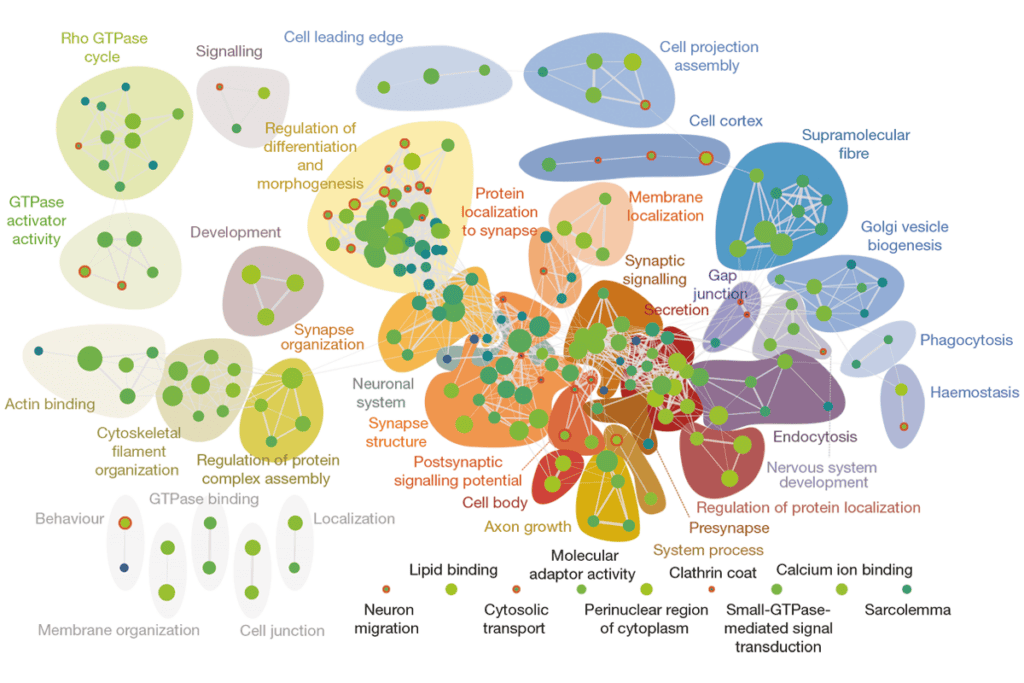
Machine-learning model spots autism-linked variants that scramble splicing
The model provides a way to investigate genetic variation in regions of the genome whose functions have been difficult to interpret.
Machine-learning model spots autism-linked variants that scramble splicing
The model provides a way to investigate genetic variation in regions of the genome whose functions have been difficult to interpret.