Genes
Recent articles
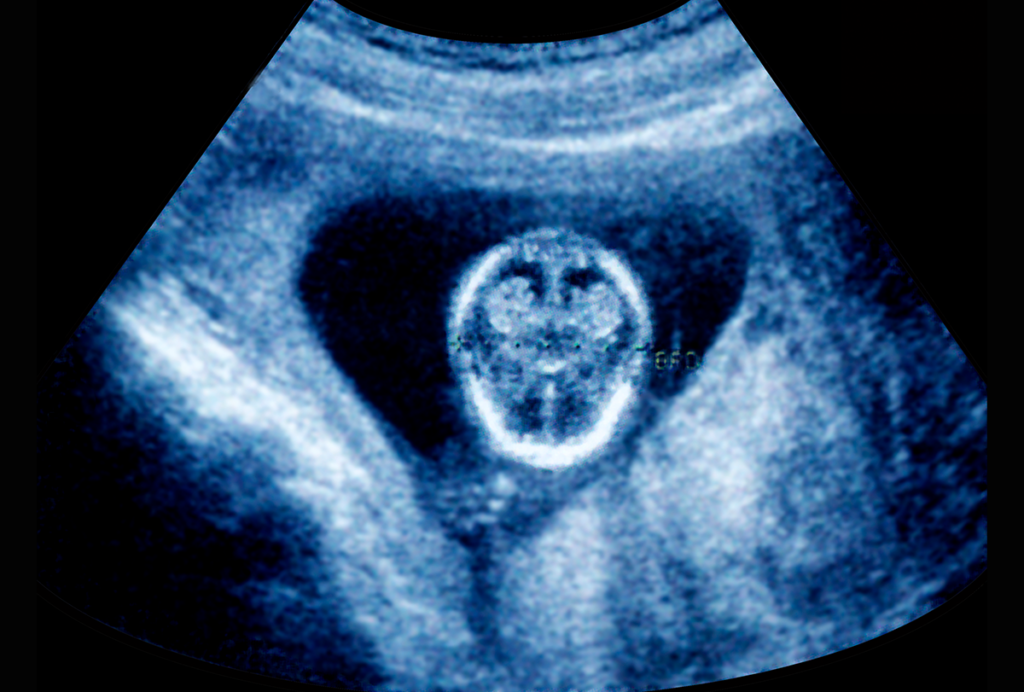
Gene-activity map of developing brain reveals new clues about autism’s sex bias
Boys and girls may be vulnerable to different genetic changes, which could help explain why the condition is more common in boys despite linked variants appearing more often in girls.
Gene-activity map of developing brain reveals new clues about autism’s sex bias
Boys and girls may be vulnerable to different genetic changes, which could help explain why the condition is more common in boys despite linked variants appearing more often in girls.
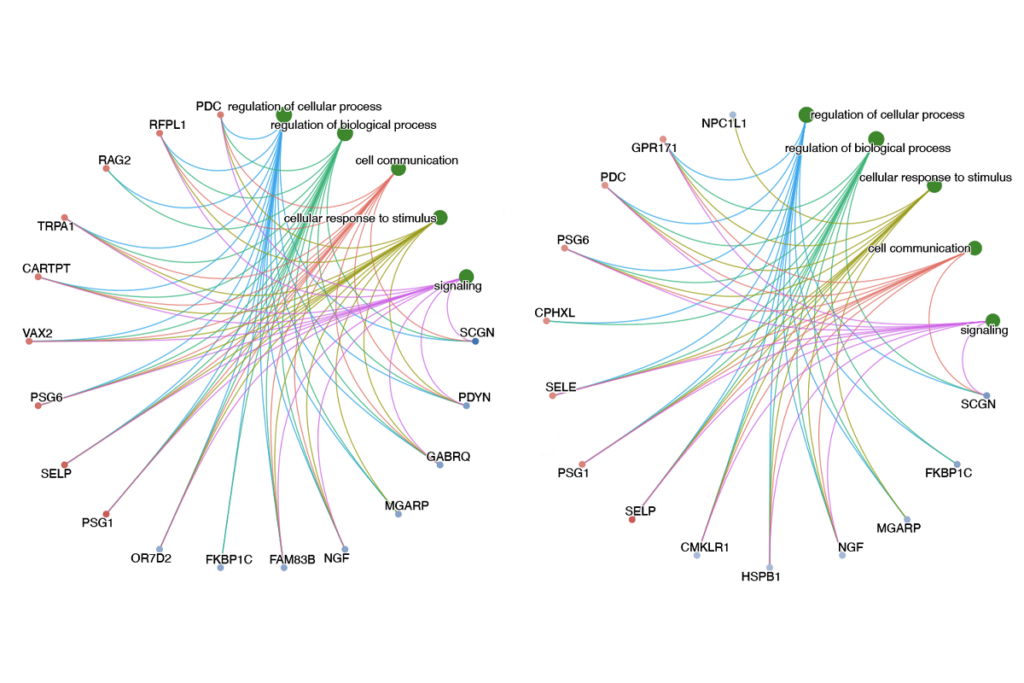
New tool may help untangle downstream effects of autism-linked genes
The statistical approach helps scientists better control for both measured and unmeasured confounders in gene-expression data, revealing causal relationships between autism-linked genetic variants and downstream cellular effects, such as impaired neuron development.
Familiar autism-linked genes emerge from first analysis of Latin American cohort
The findings, detailed in a January preprint, suggest autism’s fundamental biology is the same regardless of ancestry. But questions remain.
Familiar autism-linked genes emerge from first analysis of Latin American cohort
The findings, detailed in a January preprint, suggest autism’s fundamental biology is the same regardless of ancestry. But questions remain.
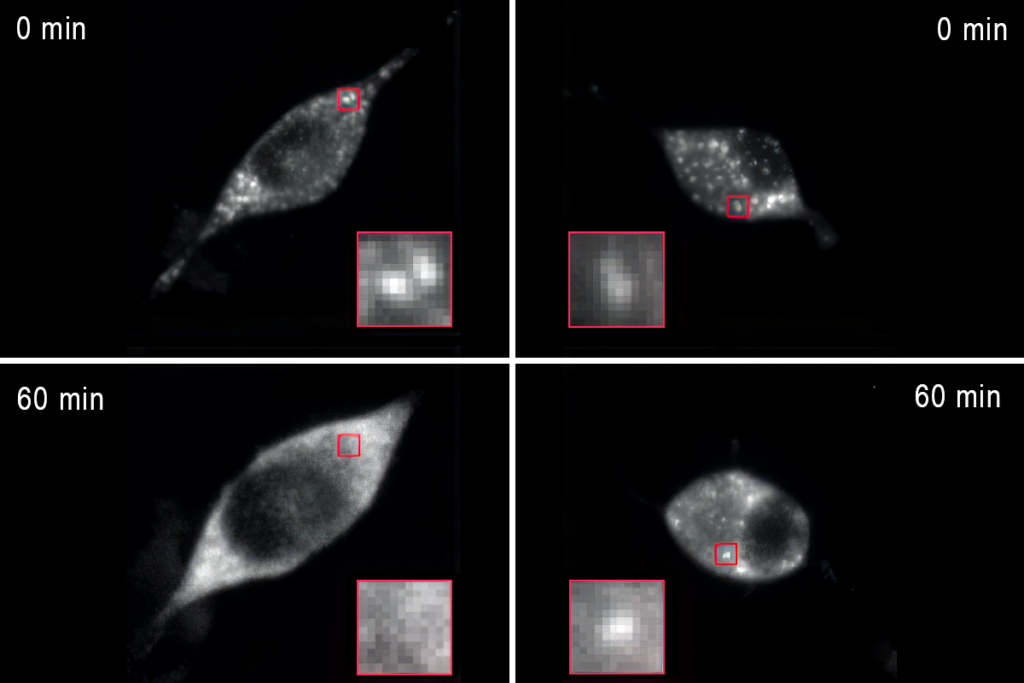
Protein aggregates gum up ‘master regulator’ of autism-linked genes
The regulator, CPEB4, typically controls protein production for hundreds of autism-linked genes, but an alternative version of it found in autistic people forms irreversible clumps and malfunctions.
Protein aggregates gum up ‘master regulator’ of autism-linked genes
The regulator, CPEB4, typically controls protein production for hundreds of autism-linked genes, but an alternative version of it found in autistic people forms irreversible clumps and malfunctions.
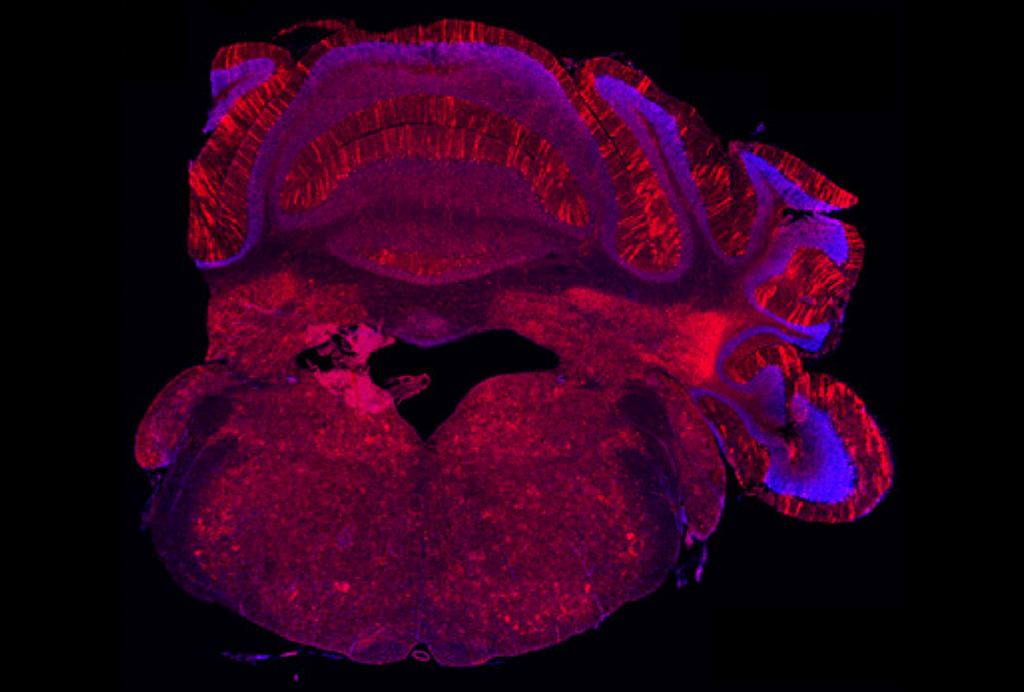
Mutation in top autism-linked gene may alter eye reflex
The discovery could help clinicians diagnose children who carry mutations in the gene, called SCN2A, and gauge their responses to potential therapies.
Mutation in top autism-linked gene may alter eye reflex
The discovery could help clinicians diagnose children who carry mutations in the gene, called SCN2A, and gauge their responses to potential therapies.
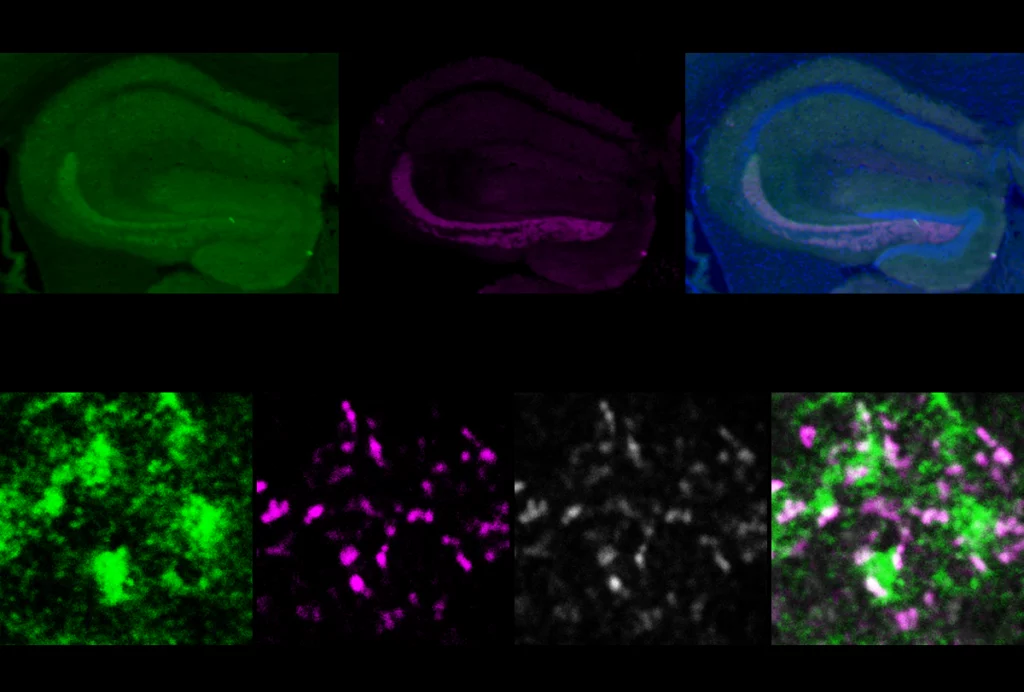
Some social issues in DYRK1A model mice stem from faulty inhibitory circuits
Alterations in inhibitory circuits and difficulties in social recognition characterize mice missing one copy of DYRK1A, a gene linked to autism.
Some social issues in DYRK1A model mice stem from faulty inhibitory circuits
Alterations in inhibitory circuits and difficulties in social recognition characterize mice missing one copy of DYRK1A, a gene linked to autism.
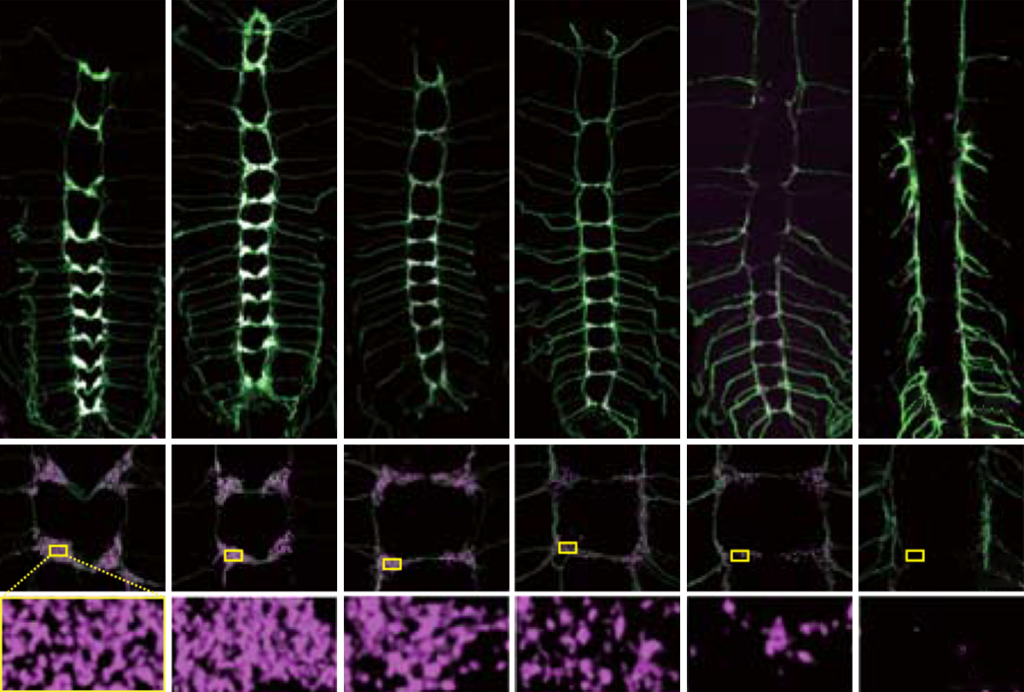
UBE3A’s link to synaptic pruning bolstered by fly study
Increasing or reducing the levels of the UBE3A gene, which is associated with autism and autism-related syndromes, results in altered patterns of synaptic pruning — a process that snips away brain cell connections.
UBE3A’s link to synaptic pruning bolstered by fly study
Increasing or reducing the levels of the UBE3A gene, which is associated with autism and autism-related syndromes, results in altered patterns of synaptic pruning — a process that snips away brain cell connections.
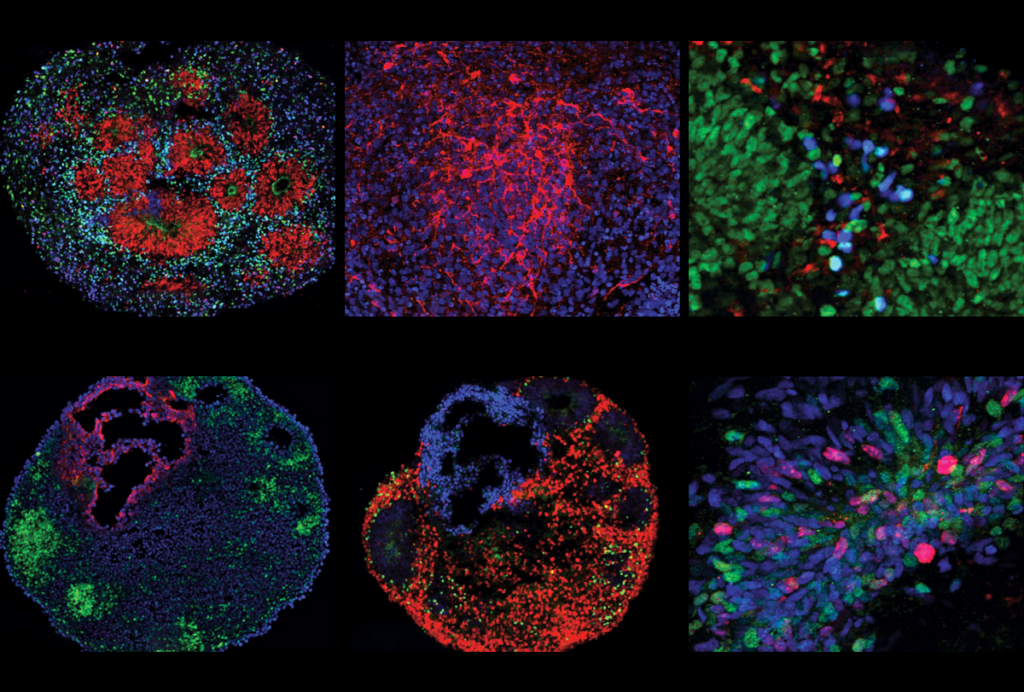
Head size parts autism into two major subtypes
An imbalance in the number of excitatory neurons in early brain development may account for the difference.
Head size parts autism into two major subtypes
An imbalance in the number of excitatory neurons in early brain development may account for the difference.
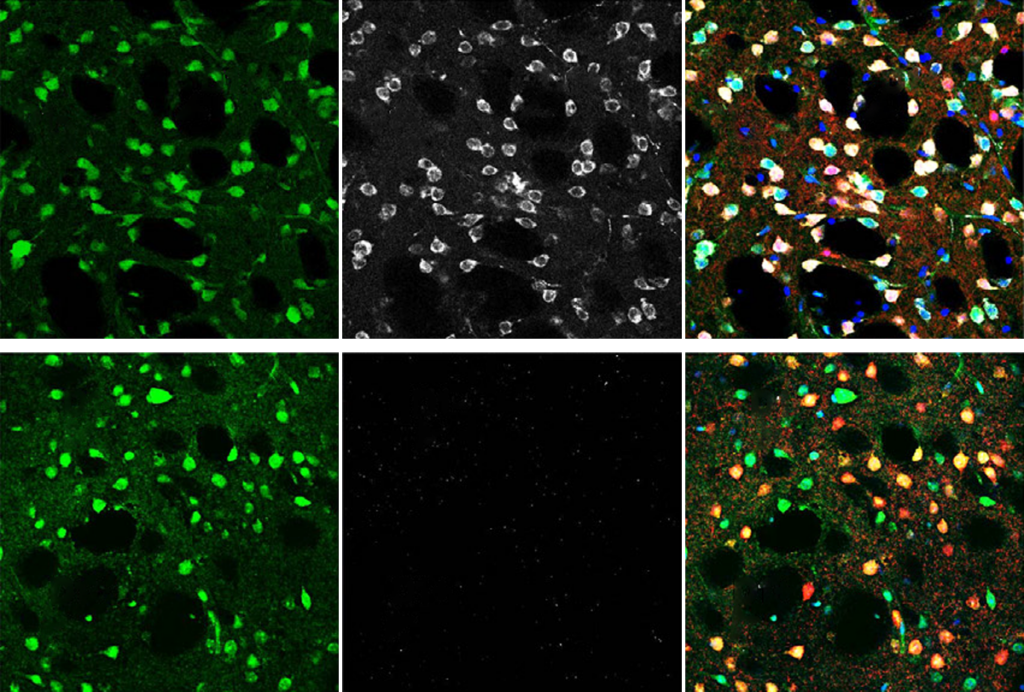
Skewed signaling in striatum may spawn repetitive behaviors
Synaptic changes in the brain region could drive a core trait of fragile X syndrome, a new mouse study suggests.
Skewed signaling in striatum may spawn repetitive behaviors
Synaptic changes in the brain region could drive a core trait of fragile X syndrome, a new mouse study suggests.
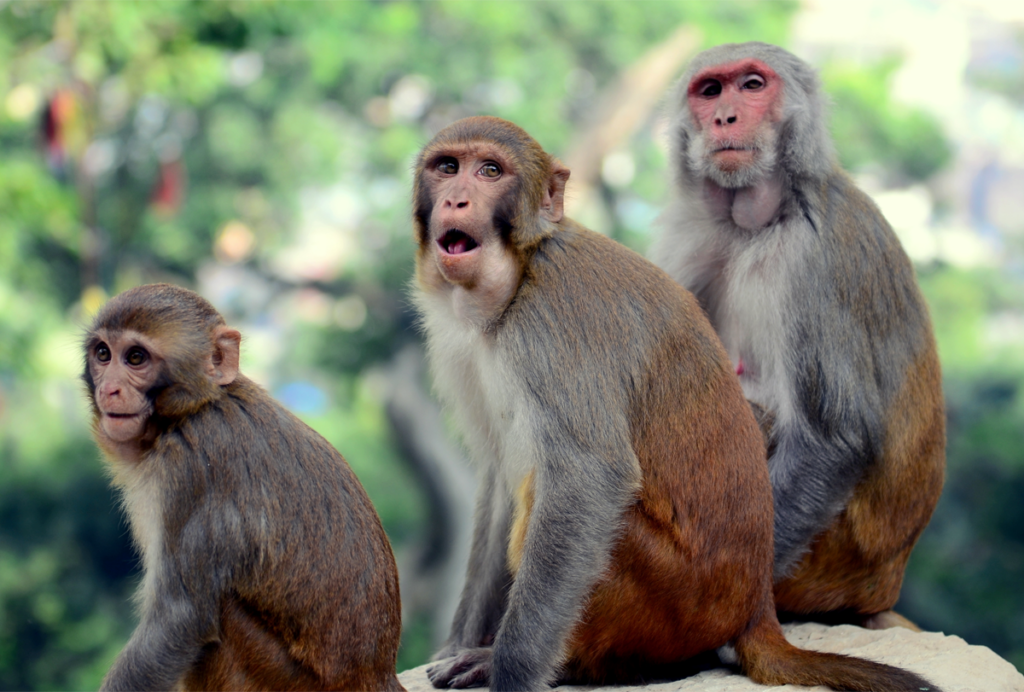
Father’s genes may drive sociability in male monkeys
The findings in rhesus macaque monkeys may provide clues to sex differences in the heredity of social behavior in people.
Father’s genes may drive sociability in male monkeys
The findings in rhesus macaque monkeys may provide clues to sex differences in the heredity of social behavior in people.
Explore more from The Transmitter
Finding neuroheterogeneity’s sweet spot
Once thought to be detrimental to memory processing, neuronal diversity—at the right ‘Goldilocks’ dose—is a new boon to theoretical neuroscience.
Finding neuroheterogeneity’s sweet spot
Once thought to be detrimental to memory processing, neuronal diversity—at the right ‘Goldilocks’ dose—is a new boon to theoretical neuroscience.

COVID-19 and influenza effects in pregnancy; and more
Here is a roundup of autism-related news and research spotted around the web for the week of 19 October.
COVID-19 and influenza effects in pregnancy; and more
Here is a roundup of autism-related news and research spotted around the web for the week of 19 October.
What to do when traditional mechanistic approaches no longer work
Many complex behaviors have stubbornly resisted mechanistic explanations. Deciphering them will require new approaches—and perhaps a new concept of “understanding.”
What to do when traditional mechanistic approaches no longer work
Many complex behaviors have stubbornly resisted mechanistic explanations. Deciphering them will require new approaches—and perhaps a new concept of “understanding.”