Signs and Symptoms
Recent articles
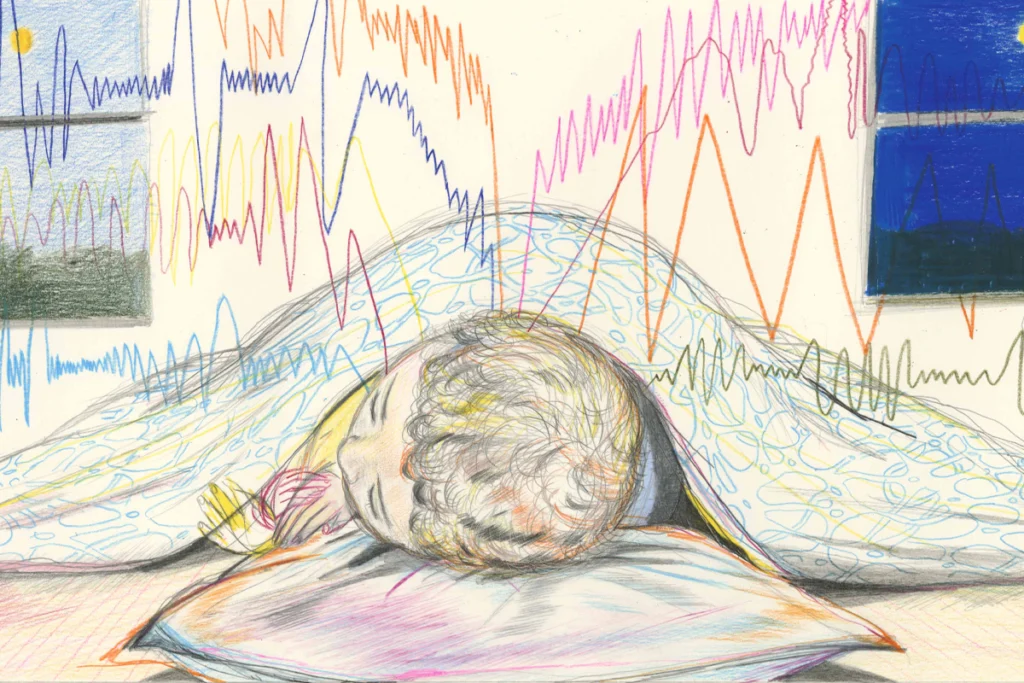
Exploring the connection between autism and sleep
The Transmitter rounds up the latest research on autism and sleep.
Exploring the connection between autism and sleep
The Transmitter rounds up the latest research on autism and sleep.
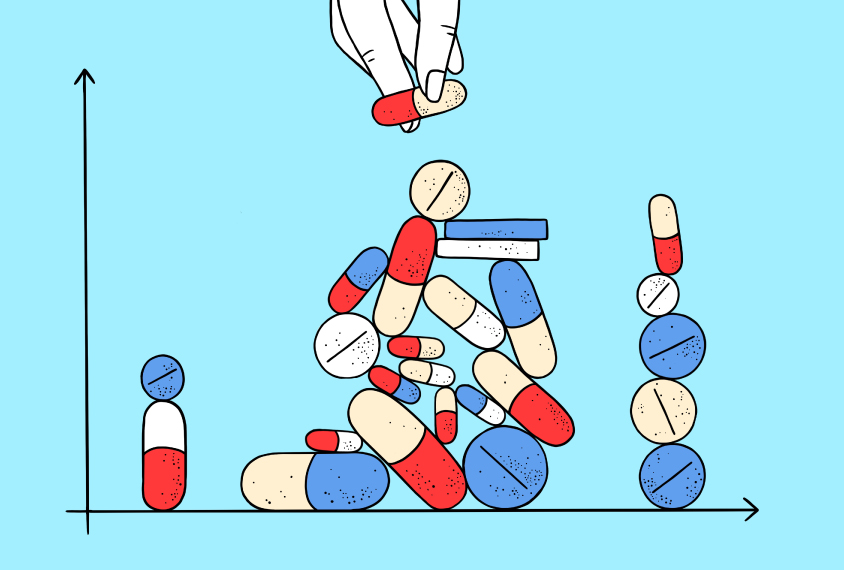
Looking at eye tracking’s potential for clinical trials
This month’s Going on Trial newsletter explores how eye tracking might be used beyond helping with diagnosis, among other drug development news.
Looking at eye tracking’s potential for clinical trials
This month’s Going on Trial newsletter explores how eye tracking might be used beyond helping with diagnosis, among other drug development news.

Mental health issues emerge with shifts in autism traits across childhood
Anxiety and other challenges autistic children experience may stem from an increase in social-communication issues and a decrease in repetitive behaviors from ages 6 to 11.
Mental health issues emerge with shifts in autism traits across childhood
Anxiety and other challenges autistic children experience may stem from an increase in social-communication issues and a decrease in repetitive behaviors from ages 6 to 11.
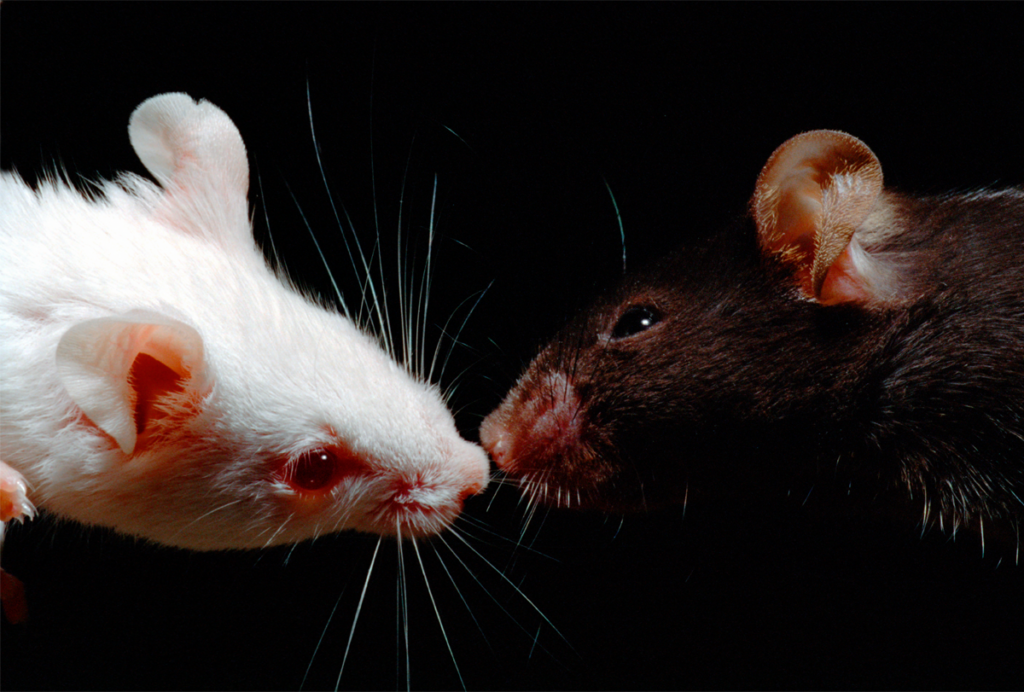
‘Social touch’ responses in mice gauged with unprecedented control
A new tool could help decipher the brain circuits underlying aversion to social touch, which is common in people with autism.
‘Social touch’ responses in mice gauged with unprecedented control
A new tool could help decipher the brain circuits underlying aversion to social touch, which is common in people with autism.
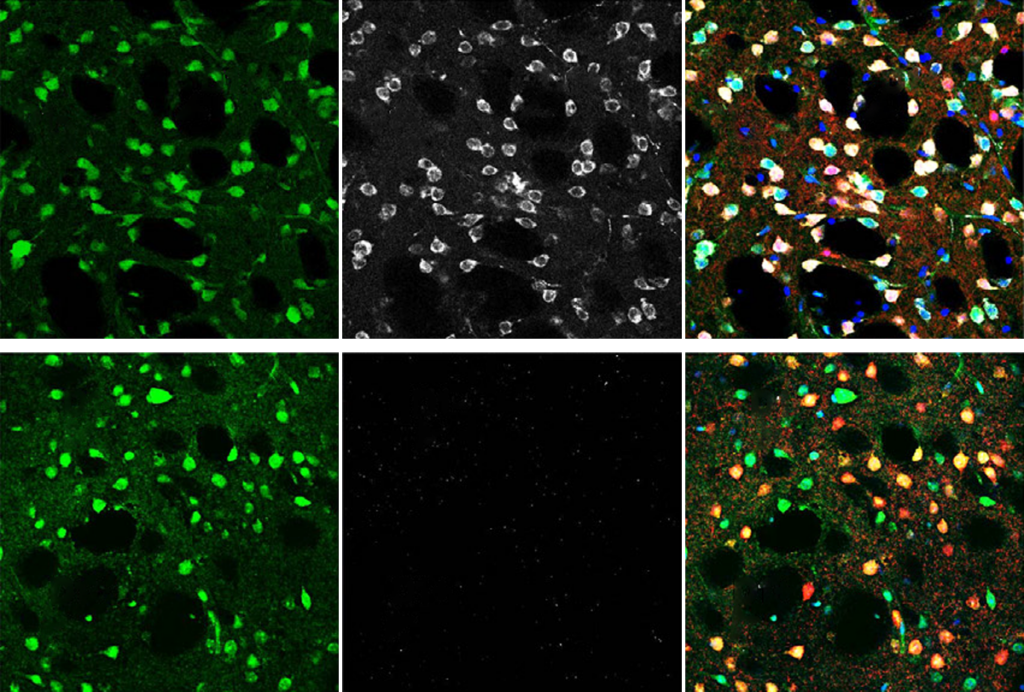
Skewed signaling in striatum may spawn repetitive behaviors
Synaptic changes in the brain region could drive a core trait of fragile X syndrome, a new mouse study suggests.
Skewed signaling in striatum may spawn repetitive behaviors
Synaptic changes in the brain region could drive a core trait of fragile X syndrome, a new mouse study suggests.
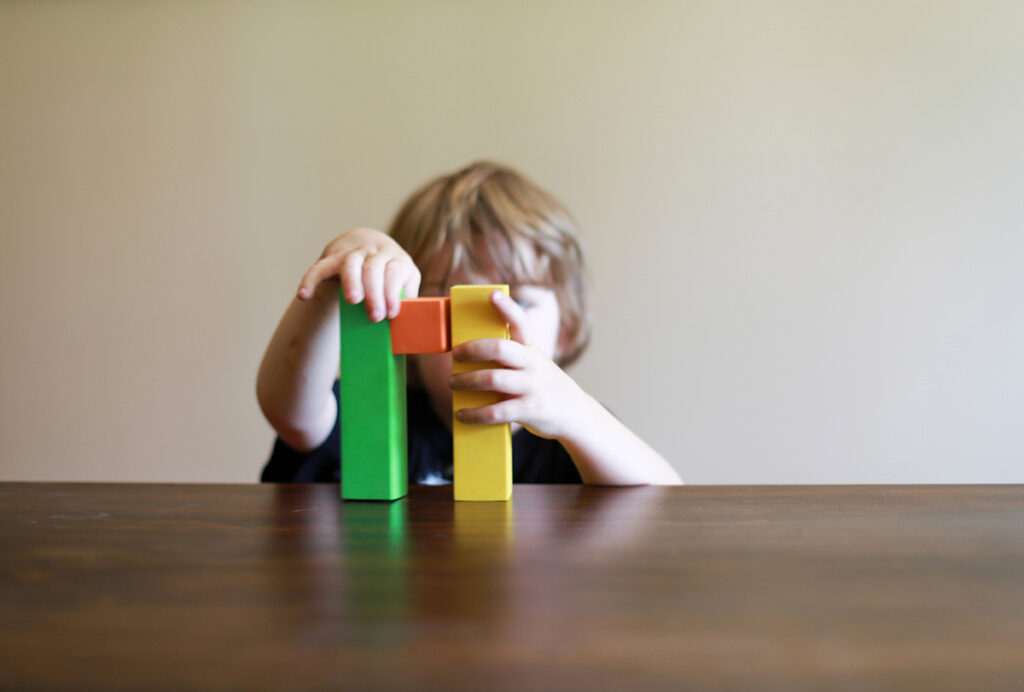
High prevalence of developmental delay strains Australia’s support systems
The nation needs to build capacity to support the roughly 20 percent of children in Australia who have developmental delay.
High prevalence of developmental delay strains Australia’s support systems
The nation needs to build capacity to support the roughly 20 percent of children in Australia who have developmental delay.

Social skills decline during adolescence for a sliver of autistic youth
Most children with the condition, however, gain communication and social abilities over time.
Social skills decline during adolescence for a sliver of autistic youth
Most children with the condition, however, gain communication and social abilities over time.
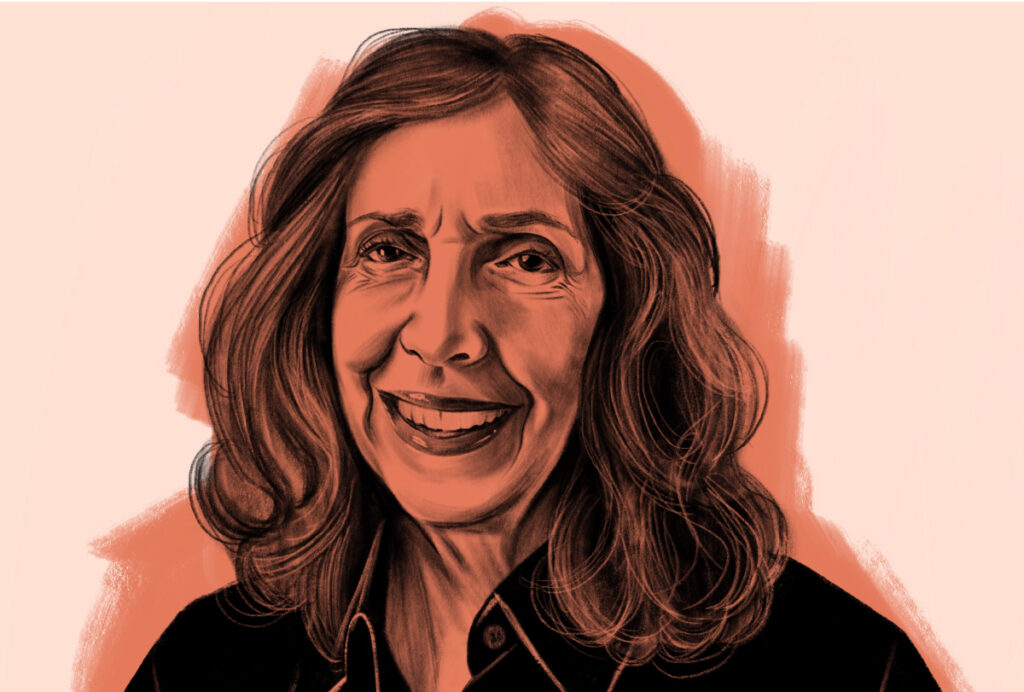
Amy Wetherby: Impatient for progress
A speech-language pathologist by training, Wetherby has spent more than four decades developing tools to help identify and treat autism early; now her work has taken on a more personal sense of urgency.
Amy Wetherby: Impatient for progress
A speech-language pathologist by training, Wetherby has spent more than four decades developing tools to help identify and treat autism early; now her work has taken on a more personal sense of urgency.
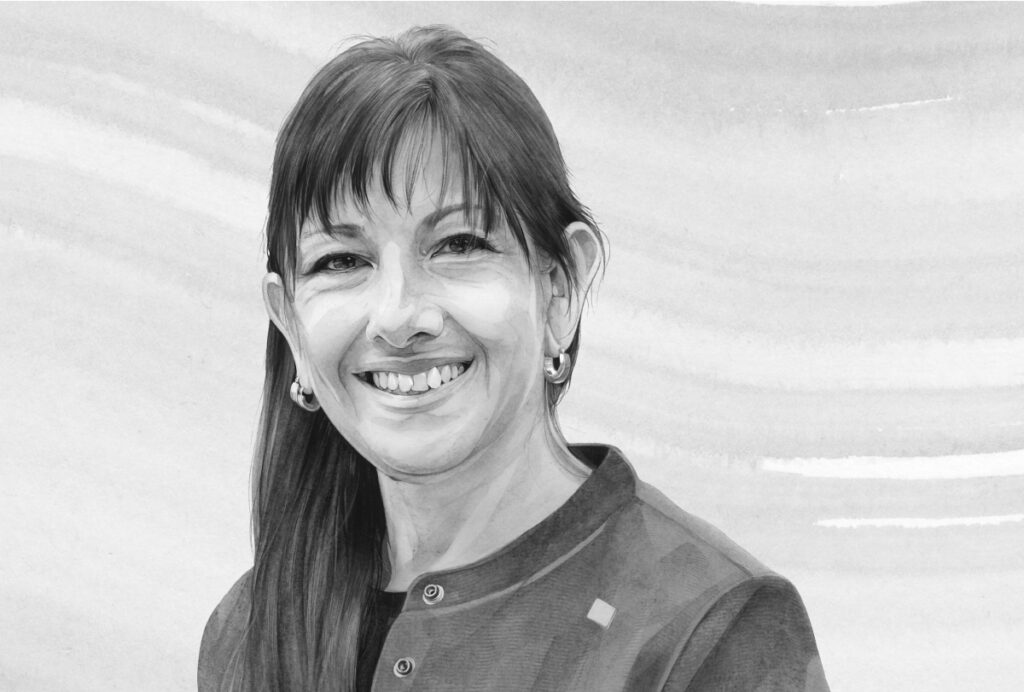
The story of autism research in Australia: A conversation with Cheryl Dissanayake
With the help of a generous benefactor, autism research in Australia is gathering critical mass.
The story of autism research in Australia: A conversation with Cheryl Dissanayake
With the help of a generous benefactor, autism research in Australia is gathering critical mass.
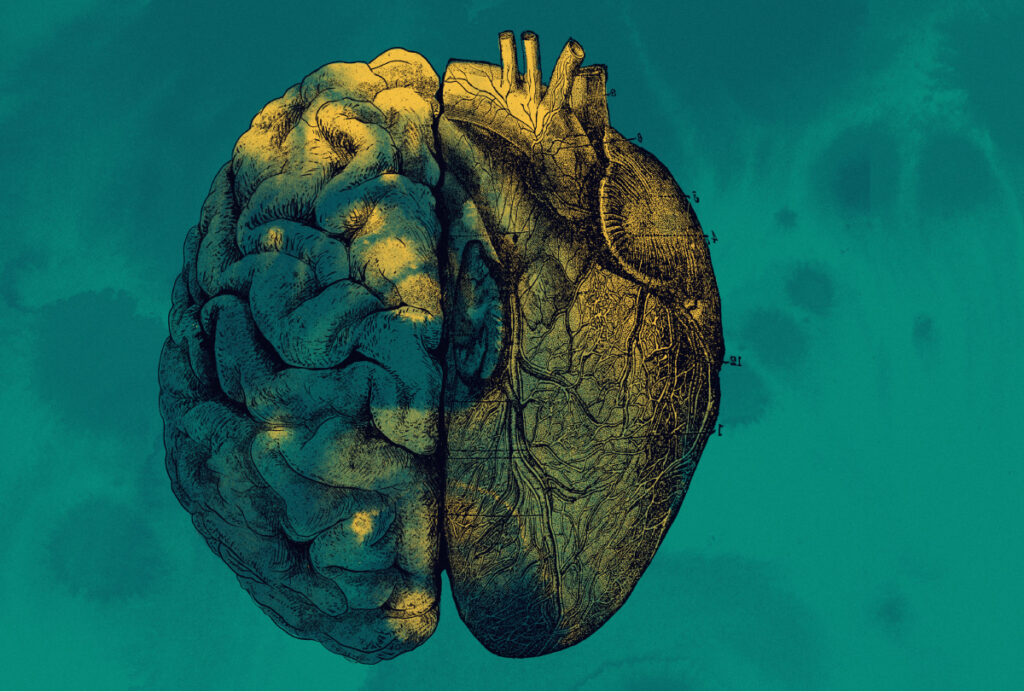
Change of heart and mind: Autism’s ties to cardiac defects
Children with congenital heart disease have an increased likelihood of autism. Why?
Change of heart and mind: Autism’s ties to cardiac defects
Children with congenital heart disease have an increased likelihood of autism. Why?
Explore more from The Transmitter

Amid funding uncertainty, graduate neuroscience programs in the U.S. adapt
The Transmitter surveyed 50 graduate program directors to learn how they’re faring. Securing labs for new students is one of the greatest concerns.
Amid funding uncertainty, graduate neuroscience programs in the U.S. adapt
The Transmitter surveyed 50 graduate program directors to learn how they’re faring. Securing labs for new students is one of the greatest concerns.

The changing nature of the neuroscience Ph.D.
The best science can only be sustained by a steady influx of early-stage scientists and the innovative ideas they bring, says Diane Lipscombe. She reflects on the loss of international students, the value of training grants, and the challenges that lie ahead for graduate education.
Rethinking neuroscience graduate education in the age of AI
What knowledge from traditional training protocols needs to be maintained, what can be discarded, and what new types of training should be introduced? Six neuroscientists weigh in.
Rethinking neuroscience graduate education in the age of AI
What knowledge from traditional training protocols needs to be maintained, what can be discarded, and what new types of training should be introduced? Six neuroscientists weigh in.