This paper changed my life
Recent articles
Neuroscientists respond to a set of questions to reflect on a paper that profoundly influenced their career and how they think about their research.

This paper changed my life: A first glimpse into the ‘middle’ of brain processing
Work by Jeffrey Moran and Robert Desimone showed that monkeys could focus their attention on different stimuli in their visual field without shifting their gaze. Their work marked a key milestone in the emergence of cognitive neuroscience.
This paper changed my life: A first glimpse into the ‘middle’ of brain processing
Work by Jeffrey Moran and Robert Desimone showed that monkeys could focus their attention on different stimuli in their visual field without shifting their gaze. Their work marked a key milestone in the emergence of cognitive neuroscience.
This paper changed my life: Transformative work in addiction neuroscience
A 2011 Nature study found that loss of a nicotinic receptor subunit leads to increased nicotine intake in mice. The work set the standard for how to functionally validate genetic association study findings in neuroscience.
This paper changed my life: Transformative work in addiction neuroscience
A 2011 Nature study found that loss of a nicotinic receptor subunit leads to increased nicotine intake in mice. The work set the standard for how to functionally validate genetic association study findings in neuroscience.
This paper changed my life: A technical breakthrough for memory studies
In a 2007 Science paper, Mark Mayford and his colleagues found that some neurons activated during learning are also recruited during memory retrieval. Noelia Weisstaub shares how this study and others drove an era of great progress in tool development.
This paper changed my life: A technical breakthrough for memory studies
In a 2007 Science paper, Mark Mayford and his colleagues found that some neurons activated during learning are also recruited during memory retrieval. Noelia Weisstaub shares how this study and others drove an era of great progress in tool development.
Este artículo cambió mi vida: Un descubrimiento técnico para estudios de la memoria
En un artículo de Science del 2007, Mark Mayford y sus compañeros encontraron neuronas activadas durante el aprendizaje son reclutadas durante la recuperación de la memoria. Noela Weisstaub comparte como este estudio y otros impulsaron una era de gran progreso en el desarrollo de herramientas
Este artículo cambió mi vida: Un descubrimiento técnico para estudios de la memoria
En un artículo de Science del 2007, Mark Mayford y sus compañeros encontraron neuronas activadas durante el aprendizaje son reclutadas durante la recuperación de la memoria. Noela Weisstaub comparte como este estudio y otros impulsaron una era de gran progreso en el desarrollo de herramientas
Este artigo mudou minha vida: um avanço técnico para os estudos da memória
Em um artigo publicado na revista Science em 2007, Mark Mayford e seus colegas descobriram que alguns neurônios ativados durante a aprendizagem também são reativados durante a recuperação da memória. Noelia Weisstaub conta como esse e outros estudos impulsionaram uma era de grande progresso no desenvolvimento de ferramentas.
Este artigo mudou minha vida: um avanço técnico para os estudos da memória
Em um artigo publicado na revista Science em 2007, Mark Mayford e seus colegas descobriram que alguns neurônios ativados durante a aprendizagem também são reativados durante a recuperação da memória. Noelia Weisstaub conta como esse e outros estudos impulsionaram uma era de grande progresso no desenvolvimento de ferramentas.
This paper changed my life: Embracing an early model for naturalistic neuroscience
A 1992 PNAS paper showed how birdsong upregulates the expression of an immediate early gene in bird forebrains. The work revealed to Ribeiro the importance of studying molecular responses in naturalistic contexts.
This paper changed my life: Embracing an early model for naturalistic neuroscience
A 1992 PNAS paper showed how birdsong upregulates the expression of an immediate early gene in bird forebrains. The work revealed to Ribeiro the importance of studying molecular responses in naturalistic contexts.
Este artigo mudou minha vida: adotando um dos primeiros modelos de neurociência naturalística
Um artigo publicado na PNAS em 1992 mostrou que o canto das aves aumenta a expressão de um gene de resposta imediata no prosencéfalo dessas aves. O estudo revelou a Ribeiro a importância de investigar as respostas moleculares em contextos naturalísticos.
Este artigo mudou minha vida: adotando um dos primeiros modelos de neurociência naturalística
Um artigo publicado na PNAS em 1992 mostrou que o canto das aves aumenta a expressão de um gene de resposta imediata no prosencéfalo dessas aves. O estudo revelou a Ribeiro a importância de investigar as respostas moleculares em contextos naturalísticos.
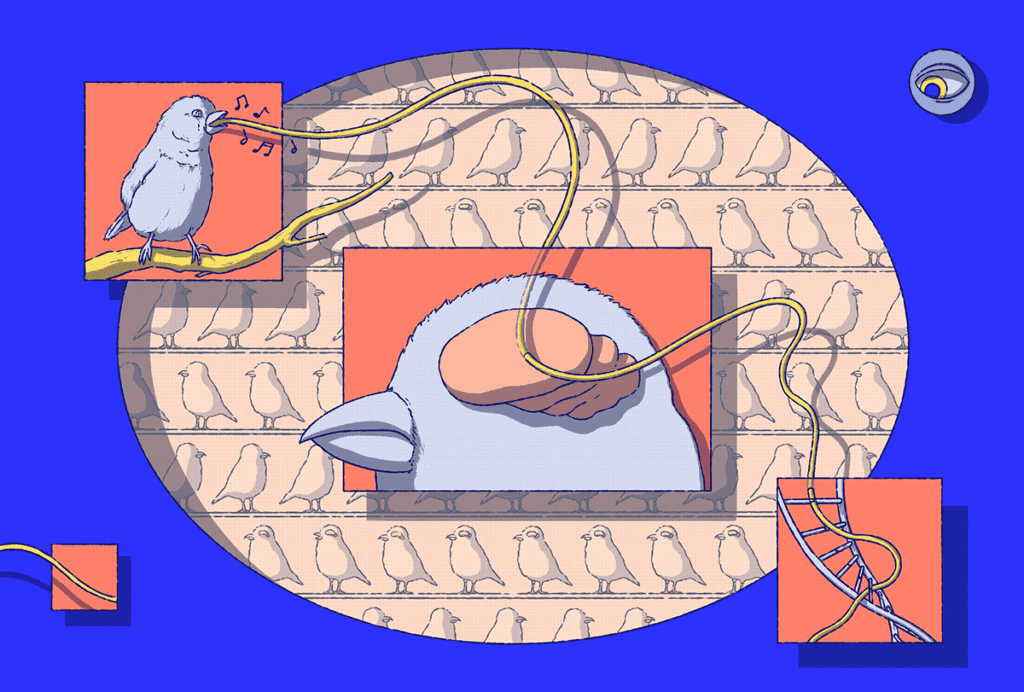
Este artículo cambió mi vida: Adoptando un modelo temprano de neurociencia naturalista
Un estudio del 1992 publicado en PNAS demostró que el canto de las aves aumenta la expresión de un gen de respuesta temprana inmediata en el prosencéfalo de los pájaros. El trabajo le reveló a Ribeiro la importancia de estudiar las respuestas moleculares en contextos naturalistas.
Este artículo cambió mi vida: Adoptando un modelo temprano de neurociencia naturalista
Un estudio del 1992 publicado en PNAS demostró que el canto de las aves aumenta la expresión de un gen de respuesta temprana inmediata en el prosencéfalo de los pájaros. El trabajo le reveló a Ribeiro la importancia de estudiar las respuestas moleculares en contextos naturalistas.
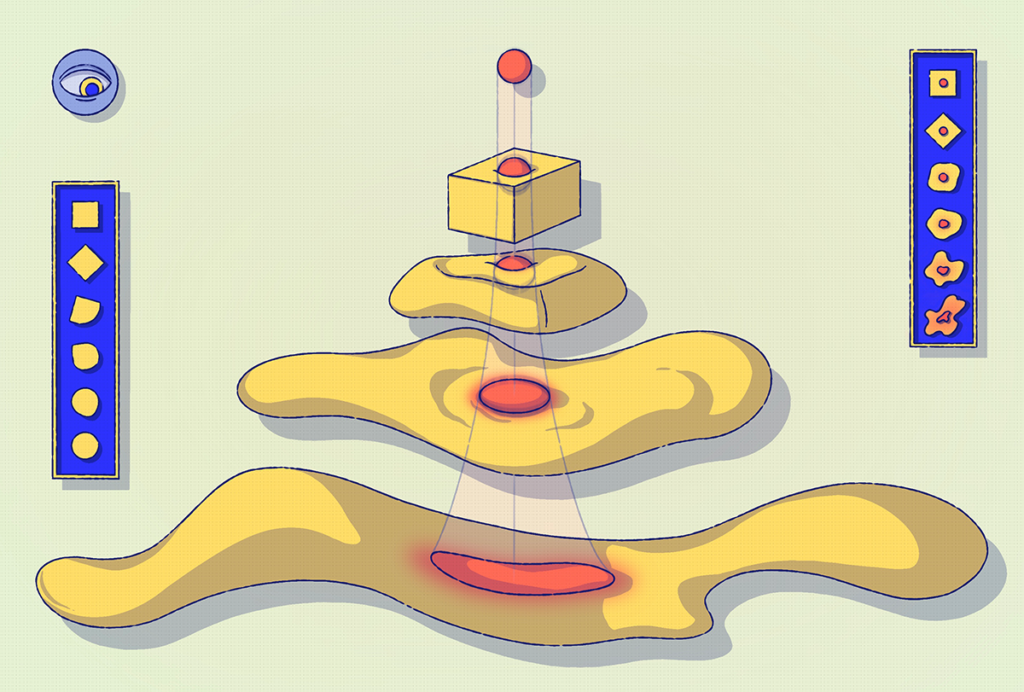
This paper changed my life: Learning the molecular rules of cell identity
A 1987 Cell paper showed that a single transcription factor could turn fibroblasts into muscle cells. The work inspired Ardem Patapoutian to think about the molecular codes that define neuronal subtypes.
This paper changed my life: Learning the molecular rules of cell identity
A 1987 Cell paper showed that a single transcription factor could turn fibroblasts into muscle cells. The work inspired Ardem Patapoutian to think about the molecular codes that define neuronal subtypes.
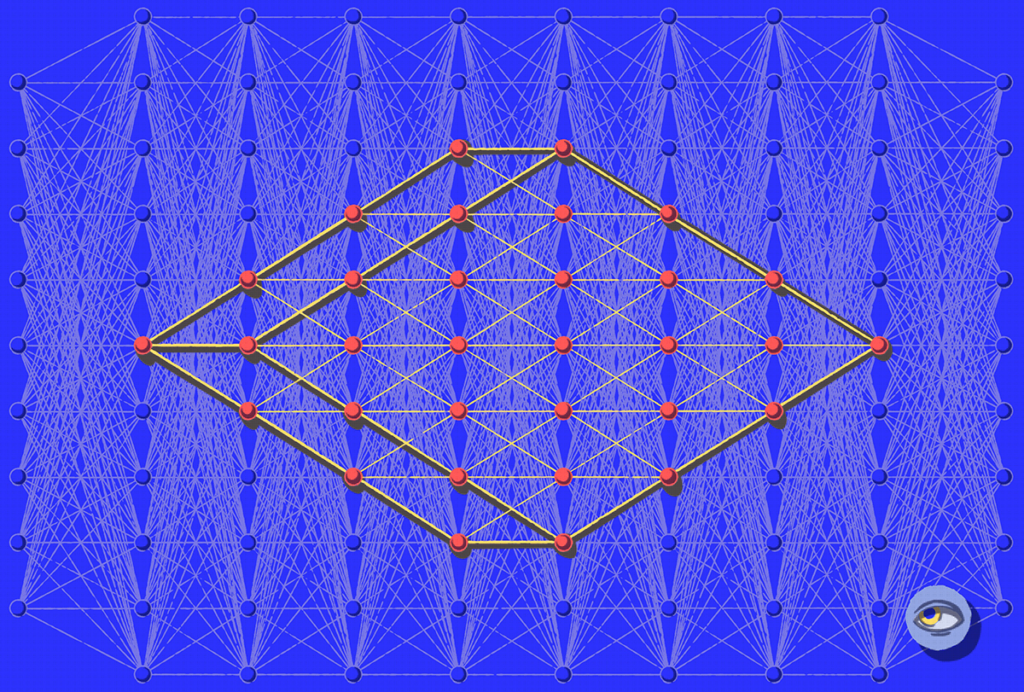
This paper changed my life: Appreciating John Hopfield’s brilliant neural network
In a 1982 paper, the Nobel laureate created his namesake recurrent neural network—work that taught Maria Geffen to always ground research questions in biology.
This paper changed my life: Appreciating John Hopfield’s brilliant neural network
In a 1982 paper, the Nobel laureate created his namesake recurrent neural network—work that taught Maria Geffen to always ground research questions in biology.
Explore more from The Transmitter
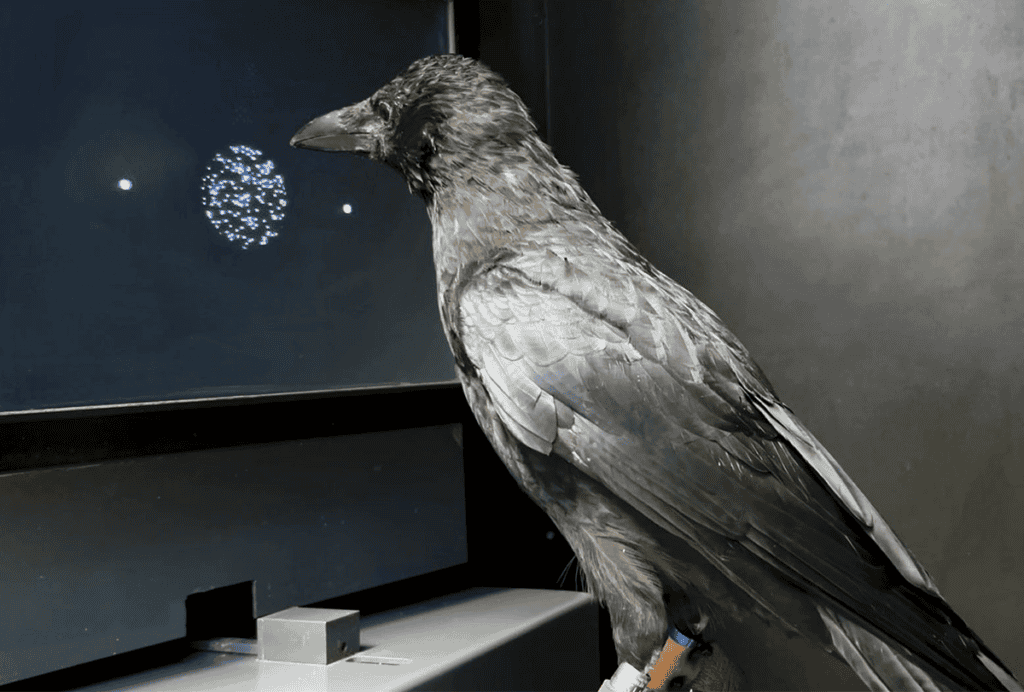
Crows have brains ‘in the fast lane’
The birds accurately complete decision-making tasks twice as fast as primates, although their endbrains look considerably different.
Crows have brains ‘in the fast lane’
The birds accurately complete decision-making tasks twice as fast as primates, although their endbrains look considerably different.

Prevalence of profound autism declines with new definition
The updated, more precise definition used in a CDC study includes adaptive scores.
Prevalence of profound autism declines with new definition
The updated, more precise definition used in a CDC study includes adaptive scores.
Is it time for neuroscience to shift its focus from a computational mind to a navigating mind?
Andrea Hiott explains her navigational approach to the mind, and why now is the time to embrace seemingly paradoxical findings in neuroscience.
Is it time for neuroscience to shift its focus from a computational mind to a navigating mind?
Andrea Hiott explains her navigational approach to the mind, and why now is the time to embrace seemingly paradoxical findings in neuroscience.