Angelman syndrome
Recent articles
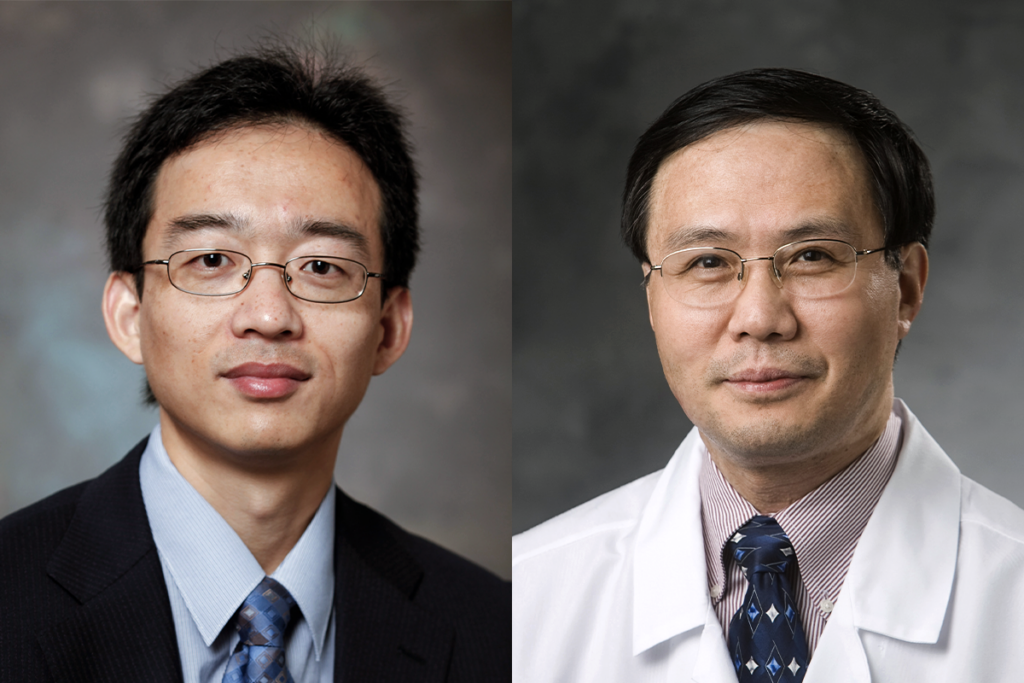
Supported by a $40 million NIH grant, Yale brain shuttle technology raises questions
Yale University claims its STEP platform might be able to deliver gene-editing tools into the brain via multiple routes. Researchers are eager to see more.
Supported by a $40 million NIH grant, Yale brain shuttle technology raises questions
Yale University claims its STEP platform might be able to deliver gene-editing tools into the brain via multiple routes. Researchers are eager to see more.
Advances in genetic medicine took center stage at INSAR
The president of the Autism Science Foundation and parent of a child with profound autism reflects on how advances in the treatment of rare gene variants bring hope to many families.
Advances in genetic medicine took center stage at INSAR
The president of the Autism Science Foundation and parent of a child with profound autism reflects on how advances in the treatment of rare gene variants bring hope to many families.
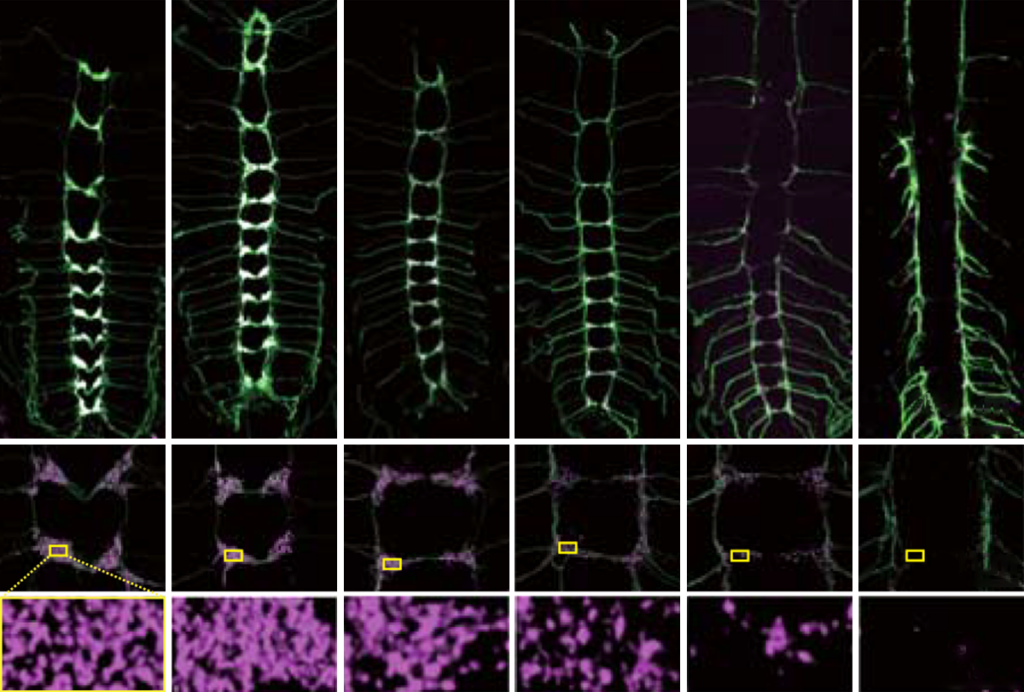
UBE3A’s link to synaptic pruning bolstered by fly study
Increasing or reducing the levels of the UBE3A gene, which is associated with autism and autism-related syndromes, results in altered patterns of synaptic pruning — a process that snips away brain cell connections.
UBE3A’s link to synaptic pruning bolstered by fly study
Increasing or reducing the levels of the UBE3A gene, which is associated with autism and autism-related syndromes, results in altered patterns of synaptic pruning — a process that snips away brain cell connections.
Trials test utility of EEG biomarkers for autism-related conditions
This month’s Going on Trial newsletter dives into an electroencephalography biomarker that could track the efficacy of treatments for dup15q and Angelman syndromes, among other drug development news.
Trials test utility of EEG biomarkers for autism-related conditions
This month’s Going on Trial newsletter dives into an electroencephalography biomarker that could track the efficacy of treatments for dup15q and Angelman syndromes, among other drug development news.
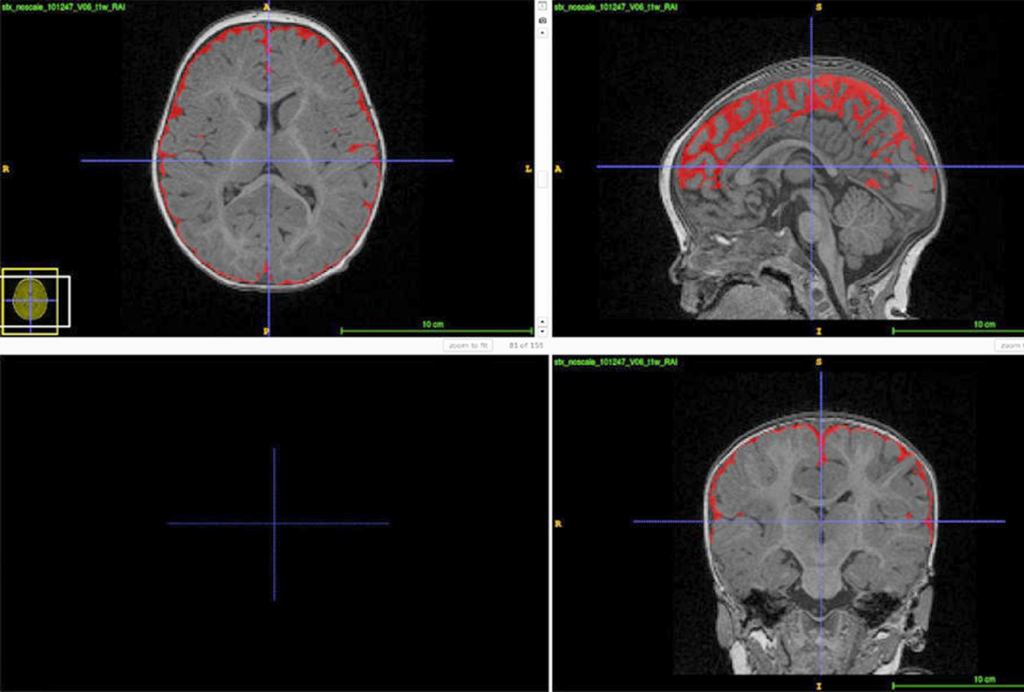
Is excess brain fluid an early marker of autism?
Brain scans of hundreds of infants suggest that up to 80 percent of those with autism have unusual amounts of cerebrospinal fluid. Researchers are studying how this might contribute to the condition.
Is excess brain fluid an early marker of autism?
Brain scans of hundreds of infants suggest that up to 80 percent of those with autism have unusual amounts of cerebrospinal fluid. Researchers are studying how this might contribute to the condition.
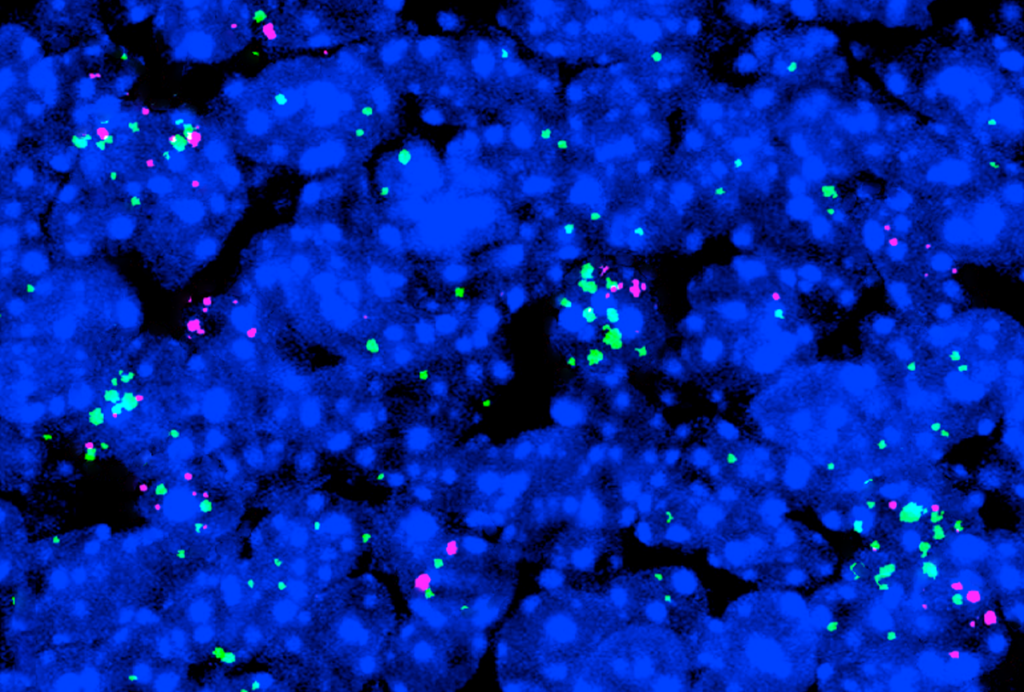
‘Gain-of-function’ mutation spawns autism traits
The mutation increases the activity of an autism-linked protein and leads to social difficulties and other behavioral differences in mice.
‘Gain-of-function’ mutation spawns autism traits
The mutation increases the activity of an autism-linked protein and leads to social difficulties and other behavioral differences in mice.
Prenatal exposures; Angelman trial suspension; autistic adult well-being
This month’s issue of the Null and Noteworthy newsletter breaks down some negative results involving prenatal exposures, an experimental treatment for Angelman syndrome, and the role that age at autism diagnosis plays in subsequent outcomes, and more.
Prenatal exposures; Angelman trial suspension; autistic adult well-being
This month’s issue of the Null and Noteworthy newsletter breaks down some negative results involving prenatal exposures, an experimental treatment for Angelman syndrome, and the role that age at autism diagnosis plays in subsequent outcomes, and more.
Spotted around the web: Synthetic embryos; Angelman gene therapy
Here is a roundup of news and research for the week of 26 June.
Spotted around the web: Synthetic embryos; Angelman gene therapy
Here is a roundup of news and research for the week of 26 June.
The future of autism therapies: A conversation with Lilia Iakoucheva and Derek Hong
If a therapy for autism’s core traits makes it to market, it will likely take one of three forms, the researchers say.
The future of autism therapies: A conversation with Lilia Iakoucheva and Derek Hong
If a therapy for autism’s core traits makes it to market, it will likely take one of three forms, the researchers say.
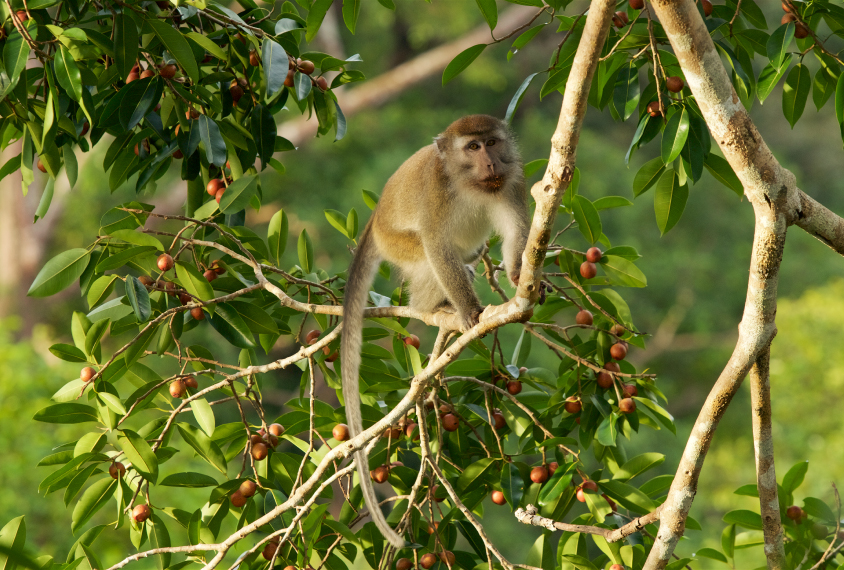
RNA therapy restores gene function in monkeys modeling Angelman syndrome
The result raises hopes for an ongoing clinical trial in people — and offers fresh insight into the biology of imprinting and the UBE3A antisense transcript.
RNA therapy restores gene function in monkeys modeling Angelman syndrome
The result raises hopes for an ongoing clinical trial in people — and offers fresh insight into the biology of imprinting and the UBE3A antisense transcript.
Explore more from The Transmitter
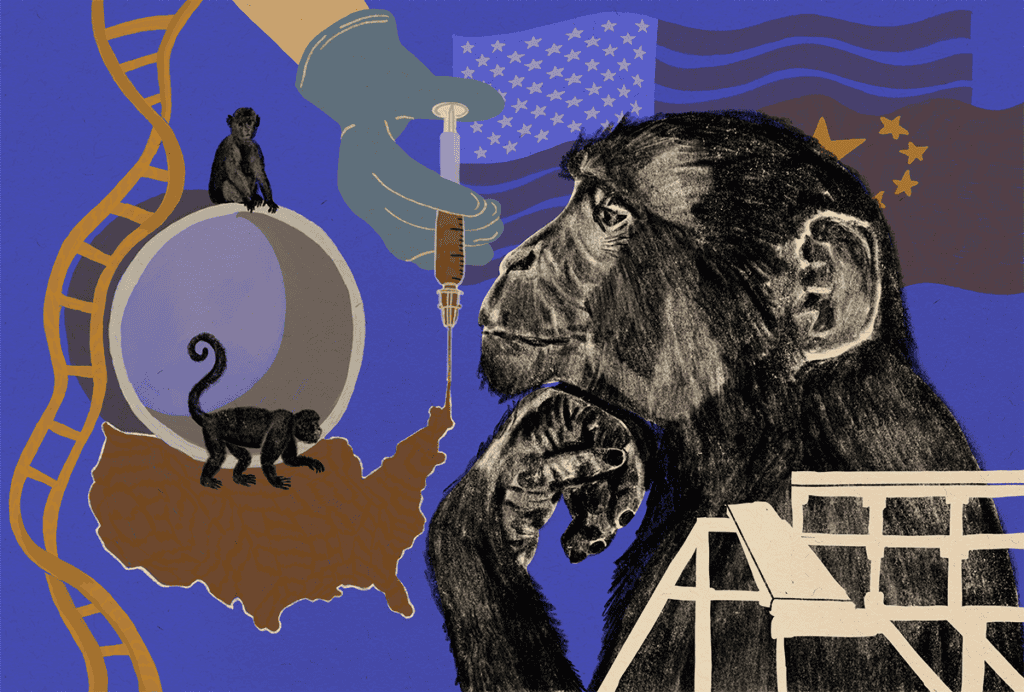
U.S. national primate research centers face an uncertain future
The facilities were meant to last 100 years. Four decades shy of that mark, amid flatlined funds and mounting political pressure, their directors are trying to find a path forward.
U.S. national primate research centers face an uncertain future
The facilities were meant to last 100 years. Four decades shy of that mark, amid flatlined funds and mounting political pressure, their directors are trying to find a path forward.
What if nonhuman primate research goes away?
As the U.S. government takes steps to stop using nonhuman primates in research, The Transmitter investigates what that shift could mean for neuroscience.
What if nonhuman primate research goes away?
As the U.S. government takes steps to stop using nonhuman primates in research, The Transmitter investigates what that shift could mean for neuroscience.
The neuroscience questions that need nonhuman primates
The Transmitter asked 17 neuroscientists what questions might remain unanswered if support for nonhuman primate research continues to decline.
The neuroscience questions that need nonhuman primates
The Transmitter asked 17 neuroscientists what questions might remain unanswered if support for nonhuman primate research continues to decline.