Autism in the brain, region by region
Recent articles
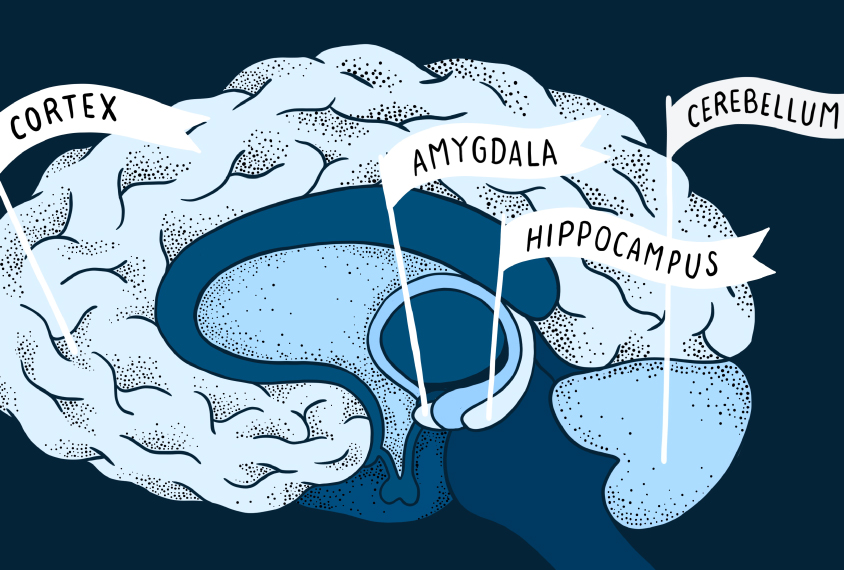
Brain structure changes in autism, explained
Autistic people have distinct patterns of brain development, which sometimes result in differences in brain structure. Here's what we know about those differences.
Brain structure changes in autism, explained
Autistic people have distinct patterns of brain development, which sometimes result in differences in brain structure. Here's what we know about those differences.
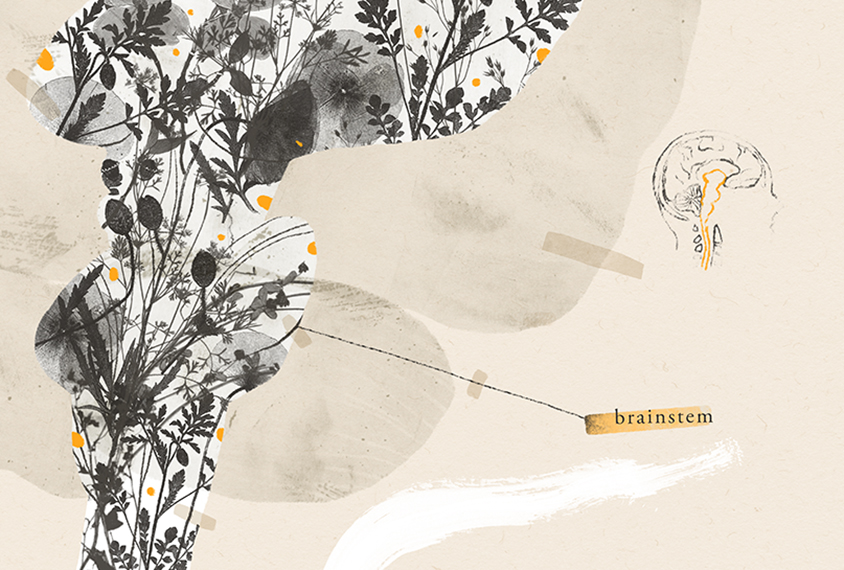
Brain’s center of automatic body functions has autism links
The brainstem controls such disparate functions as breathing, sensation and sleep — all of which can be altered in autism.
Brain’s center of automatic body functions has autism links
The brainstem controls such disparate functions as breathing, sensation and sleep — all of which can be altered in autism.
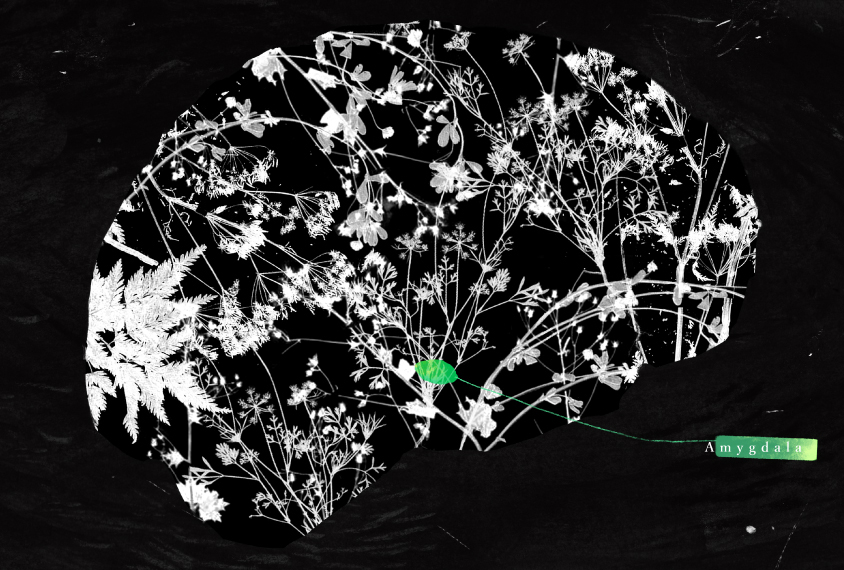
Amygdala, the brain’s threat detector, has broad roles in autism
The amygdala has long been a focus of autism research. But its exact role in the condition has been unclear.
Amygdala, the brain’s threat detector, has broad roles in autism
The amygdala has long been a focus of autism research. But its exact role in the condition has been unclear.
How the cerebellum is linked to autism
In this video, professors Sam Wang and Peter Tsai explain the role of the ‘little brain’ in cognition, social skills, emotion control and repetitive behaviors.
How the cerebellum is linked to autism
In this video, professors Sam Wang and Peter Tsai explain the role of the ‘little brain’ in cognition, social skills, emotion control and repetitive behaviors.
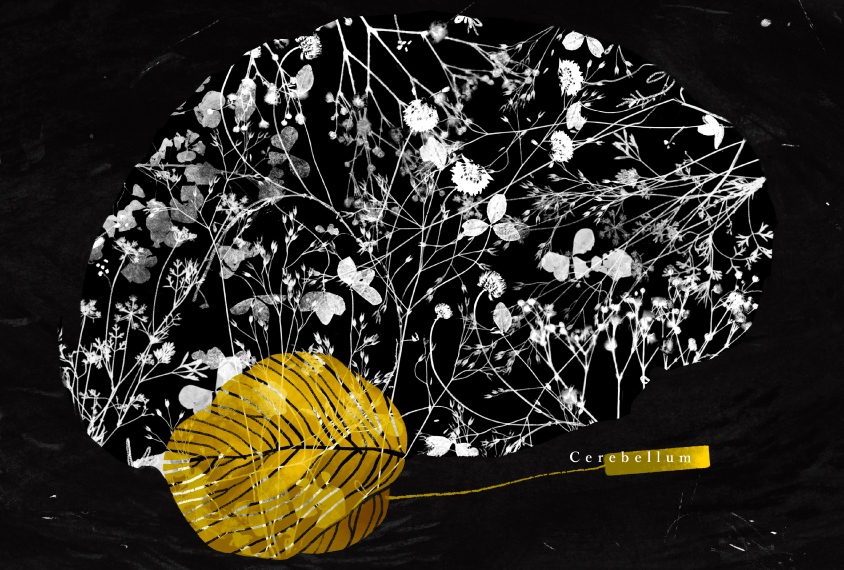
Brain’s motor hub plays unsung role in social skills, cognition
Long known as the director of movement, the cerebellum may also coordinate social and cognitive abilities, including those central to autism.
Brain’s motor hub plays unsung role in social skills, cognition
Long known as the director of movement, the cerebellum may also coordinate social and cognitive abilities, including those central to autism.
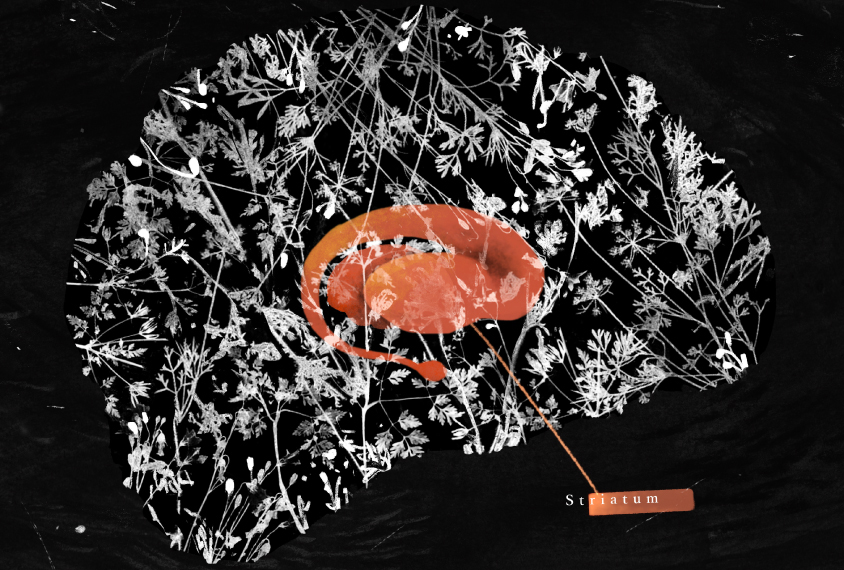
Striatum, the brain’s reward hub, may drive core autism traits
Associated primarily with its role in movement, the striatum may also influence the social difficulties of autistic people.
Striatum, the brain’s reward hub, may drive core autism traits
Associated primarily with its role in movement, the striatum may also influence the social difficulties of autistic people.
Brain’s prefrontal cortex conducts symphony of social players
A brain region that orchestrates responses to social cues and aids decision-making may be off tempo in autism.
Brain’s prefrontal cortex conducts symphony of social players
A brain region that orchestrates responses to social cues and aids decision-making may be off tempo in autism.
Brain’s bridge could yield clues to faulty wiring in autism
Decoding distortions in the brain’s largest nerve tract could lay bare basic problems with long-range neural connections in autism.
Brain’s bridge could yield clues to faulty wiring in autism
Decoding distortions in the brain’s largest nerve tract could lay bare basic problems with long-range neural connections in autism.
Memory hub could underlie social, cognitive quirks of autism
The brain's memory center, the hippocampus, may provide clues to features of autism as disparate as personal relationships and decision-making.
Memory hub could underlie social, cognitive quirks of autism
The brain's memory center, the hippocampus, may provide clues to features of autism as disparate as personal relationships and decision-making.
Brain’s social ‘river’ carries clues about autism
Researchers are homing in on the superior temporal sulcus, a groove in the brain that collects social information, as a key player in autism.
Brain’s social ‘river’ carries clues about autism
Researchers are homing in on the superior temporal sulcus, a groove in the brain that collects social information, as a key player in autism.
Explore more from The Transmitter
U.S. national primate research centers face an uncertain future
The facilities were meant to last 100 years. Four decades shy of that mark, amid flatlined funds and mounting political pressure, their directors are trying to find a path forward.
U.S. national primate research centers face an uncertain future
The facilities were meant to last 100 years. Four decades shy of that mark, amid flatlined funds and mounting political pressure, their directors are trying to find a path forward.
What if nonhuman primate research goes away?
As the U.S. government takes steps to stop using nonhuman primates in research, The Transmitter investigates what that shift could mean for neuroscience.
What if nonhuman primate research goes away?
As the U.S. government takes steps to stop using nonhuman primates in research, The Transmitter investigates what that shift could mean for neuroscience.
The neuroscience questions that need nonhuman primates
The Transmitter asked 17 neuroscientists what questions might remain unanswered if support for nonhuman primate research continues to decline.
The neuroscience questions that need nonhuman primates
The Transmitter asked 17 neuroscientists what questions might remain unanswered if support for nonhuman primate research continues to decline.