Biomarkers
Recent articles
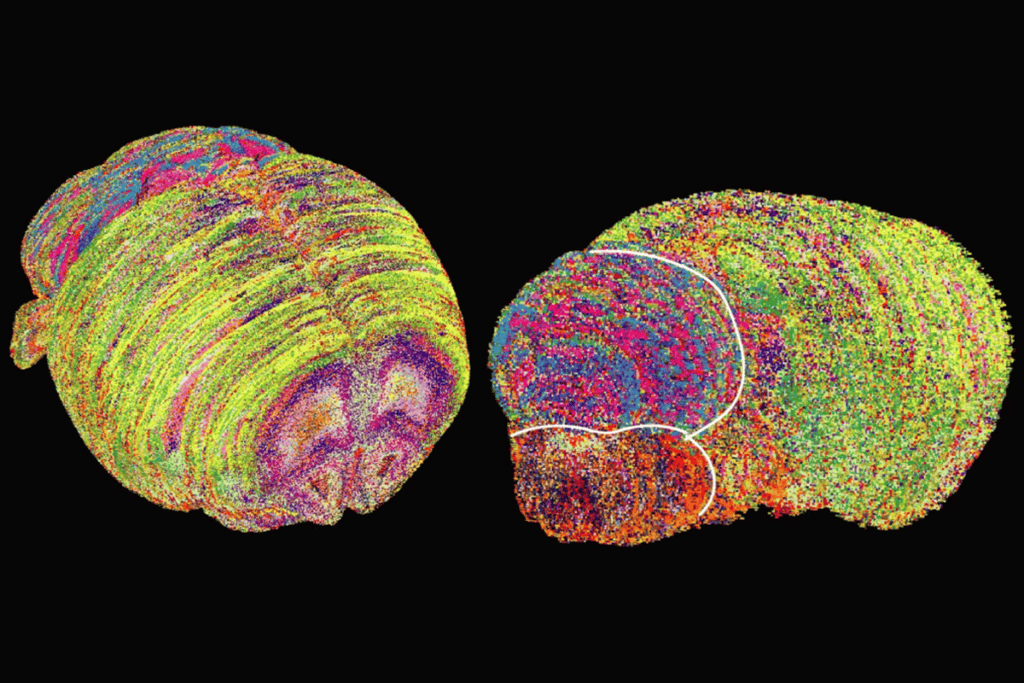
Lipids enter brain mapping limelight
Two new studies, including the first whole-brain lipid atlas in mice, uncover unforeseen complexity and influence during pregnancy and aging.
Lipids enter brain mapping limelight
Two new studies, including the first whole-brain lipid atlas in mice, uncover unforeseen complexity and influence during pregnancy and aging.
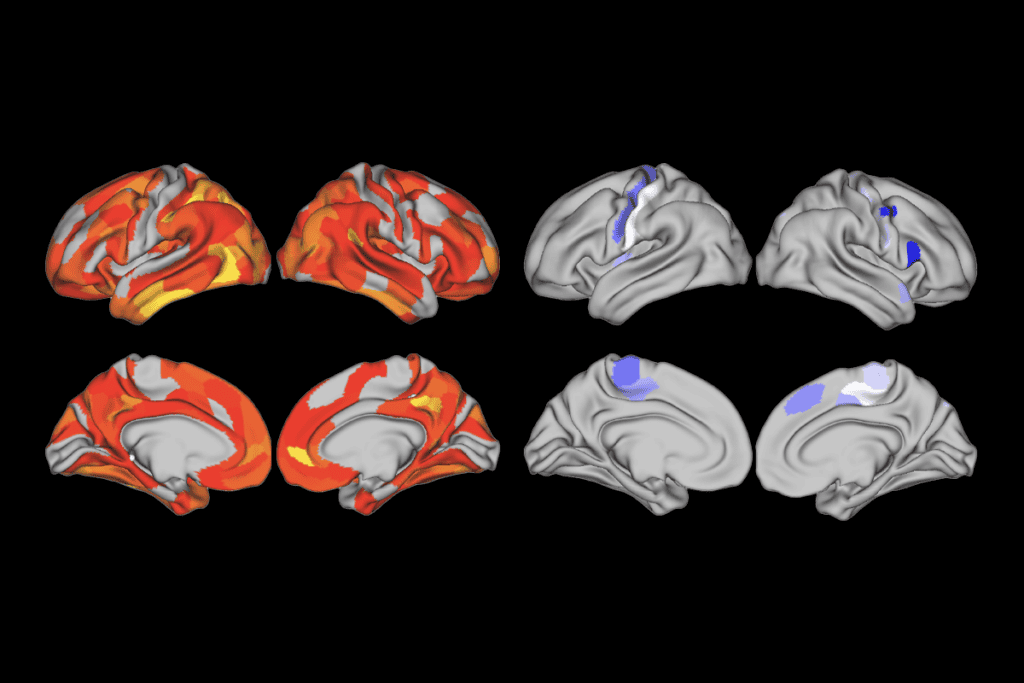
Brain’s sex differences are subtle and contradictory, large MRI study finds
Sex-based behavioral differences do not match with variations in brain activation or structure in a study of almost 1,000 people.
Brain’s sex differences are subtle and contradictory, large MRI study finds
Sex-based behavioral differences do not match with variations in brain activation or structure in a study of almost 1,000 people.

Reporter’s notebook: Highlights from INSAR 2026
At the 25th annual meeting of the International Society for Autism Research, scientists, clinicians and self-advocates gathered to discuss topics such as autism genetics and the gap between clinical trials and real-world benefits.
Reporter’s notebook: Highlights from INSAR 2026
At the 25th annual meeting of the International Society for Autism Research, scientists, clinicians and self-advocates gathered to discuss topics such as autism genetics and the gap between clinical trials and real-world benefits.
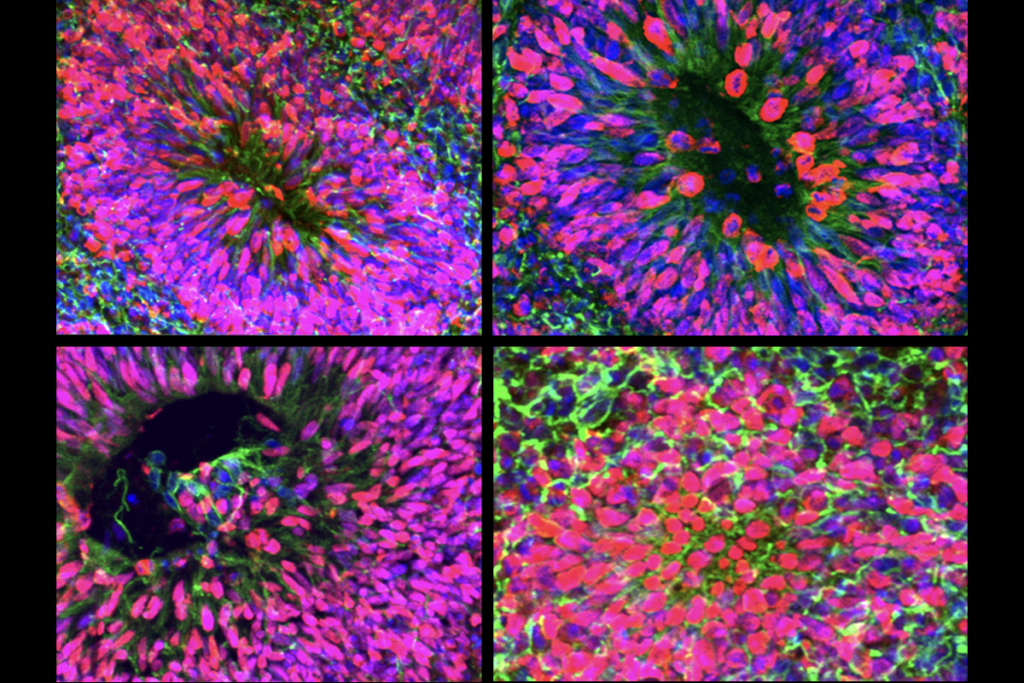
New organoid atlas unveils four neurodevelopmental signatures
The comprehensive resource details data on microcephaly, polymicrogyria, epilepsy and intellectual disability from 352 people.
New organoid atlas unveils four neurodevelopmental signatures
The comprehensive resource details data on microcephaly, polymicrogyria, epilepsy and intellectual disability from 352 people.
Going against the gut: Q&A with Kevin Mitchell on the autism-microbiome theory
A new review of 15 years of studies on the connection between the microbiome and autism reveals widespread statistical and conceptual errors.
Going against the gut: Q&A with Kevin Mitchell on the autism-microbiome theory
A new review of 15 years of studies on the connection between the microbiome and autism reveals widespread statistical and conceptual errors.

Sounding the alarm on pseudoreplication: Q&A with Constantinos Eleftheriou and Peter Kind
Most studies of neurological disorders in mice erroneously treat multiple samples from a single animal as independent replicates, according to a new analysis. But scientists and journals can take steps to curb this practice.
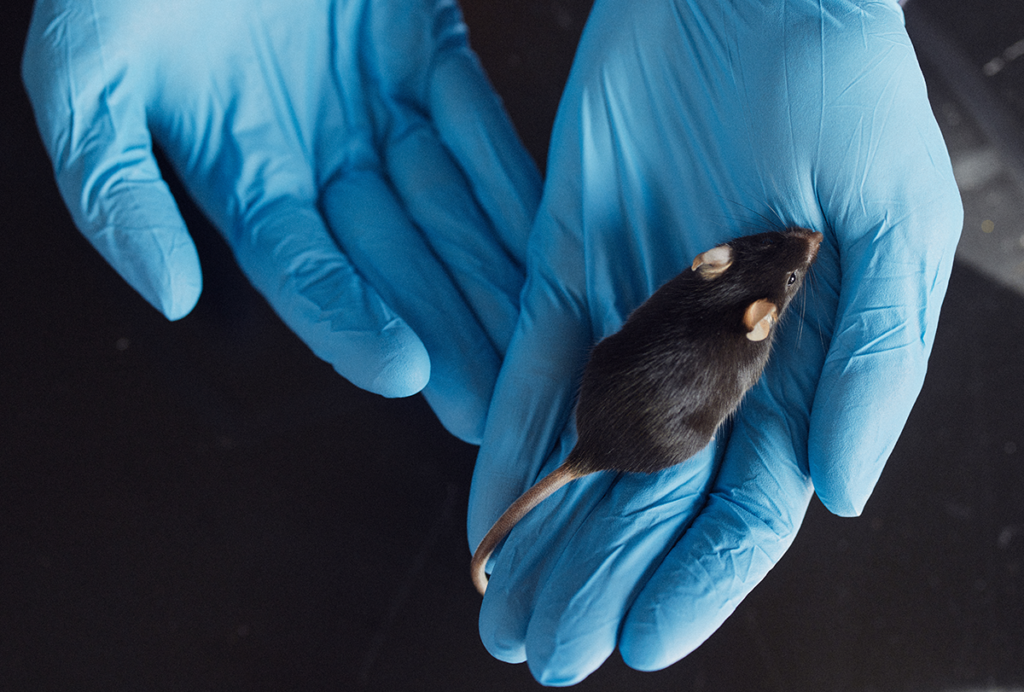
Molecular changes after MECP2 loss may drive Rett syndrome traits
Knocking out the gene in adult mice triggered up- and down-regulated expression of myriad genes weeks before there were changes in neuronal function.
Molecular changes after MECP2 loss may drive Rett syndrome traits
Knocking out the gene in adult mice triggered up- and down-regulated expression of myriad genes weeks before there were changes in neuronal function.
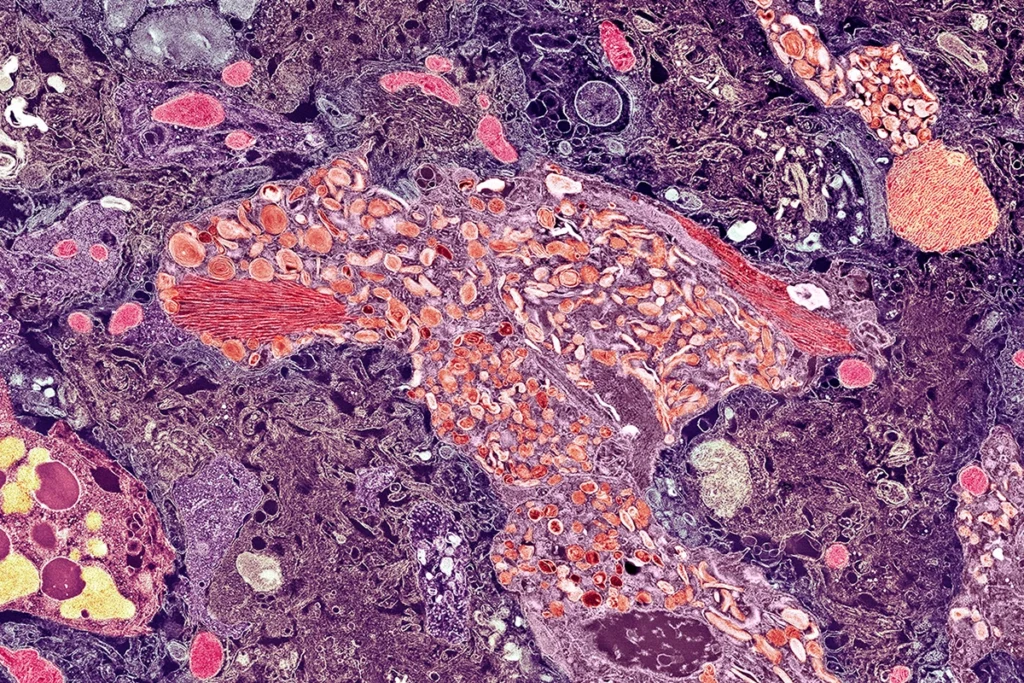
Skeptics challenge claims of Alzheimer’s disease transmission via growth hormone
Some people who received cadaver-derived human growth hormone may not have Alzheimer’s as previously suggested, according to a new Perspective article.
Skeptics challenge claims of Alzheimer’s disease transmission via growth hormone
Some people who received cadaver-derived human growth hormone may not have Alzheimer’s as previously suggested, according to a new Perspective article.
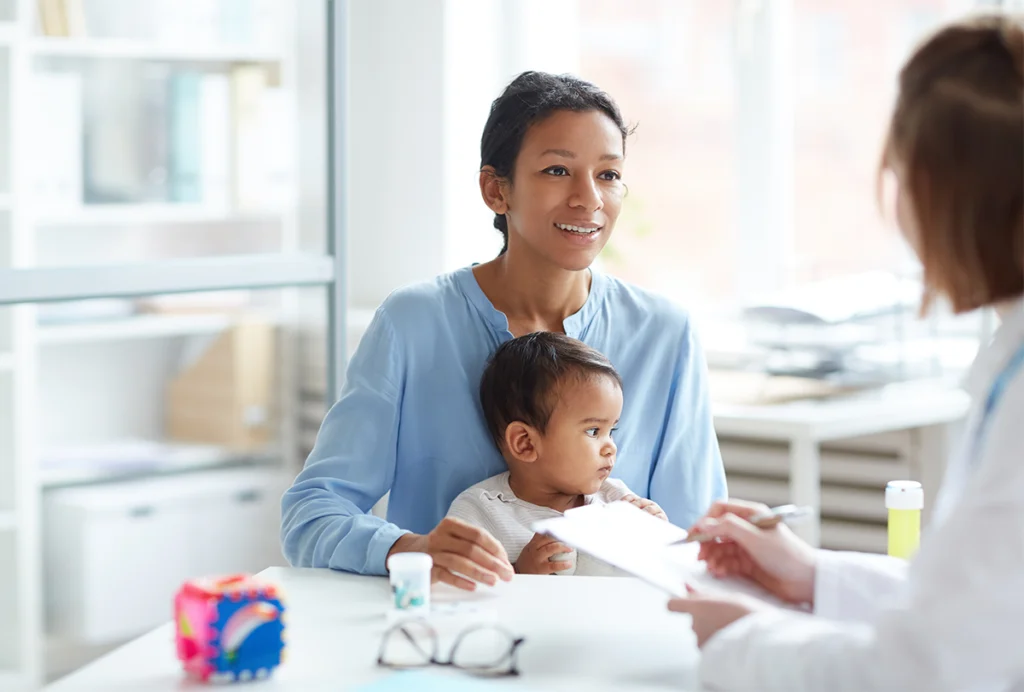
A genetics-first clinic for catching developmental conditions early: Q&A with Jacob Vorstman
A new clinic is assessing children who have a genetic predisposition for autism and other neurodevelopmental conditions—sometimes before traits appear.
A genetics-first clinic for catching developmental conditions early: Q&A with Jacob Vorstman
A new clinic is assessing children who have a genetic predisposition for autism and other neurodevelopmental conditions—sometimes before traits appear.

Data access changes to UK Biobank stir unease in neuroscientists
“I feel a little bit in limbo,” says neuroscientist Stephanie Noble, who has paused a study using Biobank data after the repository shifted from a data download to a cloud-only access model.
Data access changes to UK Biobank stir unease in neuroscientists
“I feel a little bit in limbo,” says neuroscientist Stephanie Noble, who has paused a study using Biobank data after the repository shifted from a data download to a cloud-only access model.
Explore more from The Transmitter
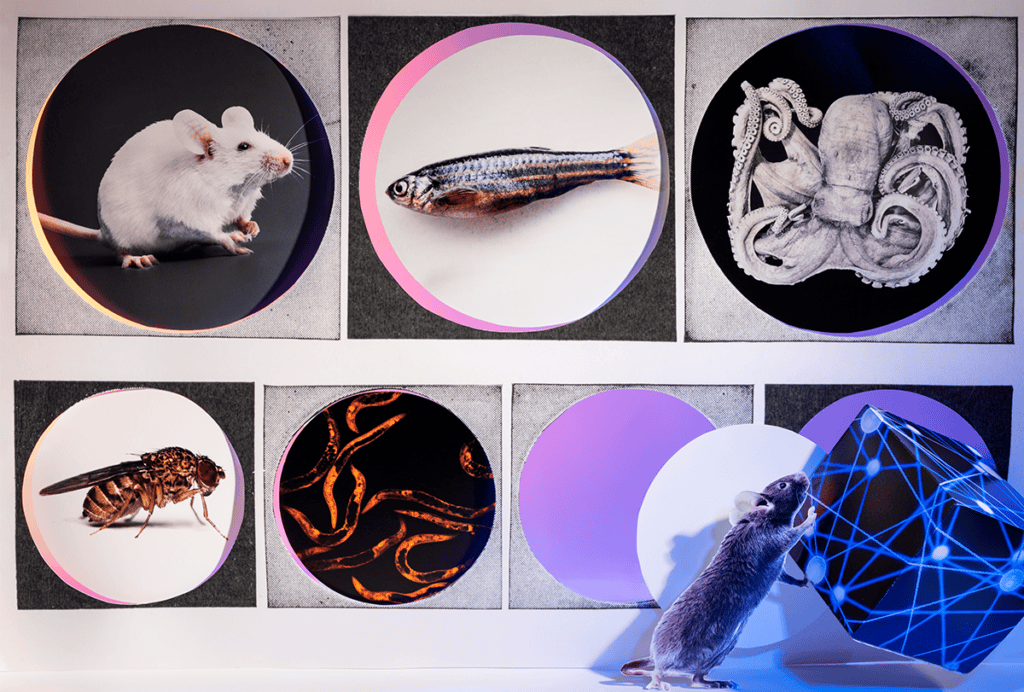
The term ‘model organism’ should be reserved for biological systems
By referring to artificial neural networks as model organisms, we run the risk of distorting funding priorities and disregard the explanatory power of a shared evolutionary history across biological organisms.
The term ‘model organism’ should be reserved for biological systems
By referring to artificial neural networks as model organisms, we run the risk of distorting funding priorities and disregard the explanatory power of a shared evolutionary history across biological organisms.
New phase of BRAIN Initiative spawns basal ganglia ‘parts list’
With a standardized cell naming system and infrastructure for data collection and analysis, the basal ganglia project sets the stage for a whole-brain primate atlas.
New phase of BRAIN Initiative spawns basal ganglia ‘parts list’
With a standardized cell naming system and infrastructure for data collection and analysis, the basal ganglia project sets the stage for a whole-brain primate atlas.
Machine-learning model spots autism-linked variants that scramble splicing
The model provides a way to investigate genetic variation in regions of the genome whose functions have been difficult to interpret.
Machine-learning model spots autism-linked variants that scramble splicing
The model provides a way to investigate genetic variation in regions of the genome whose functions have been difficult to interpret.