Computational neuroscience
Recent articles
How neuromorphic computing could improve AI
Mihai Petrovici explains what neuromorphic computing is and how it can speed up and reduce energy consumption in artificial intelligence and brain simulations.
How neuromorphic computing could improve AI
Mihai Petrovici explains what neuromorphic computing is and how it can speed up and reduce energy consumption in artificial intelligence and brain simulations.
Dimensionality—neuroscience’s red herring?
Placing too much emphasis on a specific interpretation of dimensionality, or treating it as an end-all quantification of some aspect of neural computation, may hinder progress in understanding the brain.
Dimensionality—neuroscience’s red herring?
Placing too much emphasis on a specific interpretation of dimensionality, or treating it as an end-all quantification of some aspect of neural computation, may hinder progress in understanding the brain.

The promise of open neuroscience for Latin America
Two Uruguayan researchers explain how their work on computational tools to decode breathing from mouse video recordings could spark more open science initiatives in Latin America.
The promise of open neuroscience for Latin America
Two Uruguayan researchers explain how their work on computational tools to decode breathing from mouse video recordings could spark more open science initiatives in Latin America.
A promessa da neurociência aberta para a América Latina
Dois pesquisadores uruguaios explicam como seu trabalho com ferramentas computacionais para decodificar a respiração a partir de gravações em vídeo de camundongos pode inspirar novas iniciativas de ciência aberta na América Latina.
A promessa da neurociência aberta para a América Latina
Dois pesquisadores uruguaios explicam como seu trabalho com ferramentas computacionais para decodificar a respiração a partir de gravações em vídeo de camundongos pode inspirar novas iniciativas de ciência aberta na América Latina.
La promesa de la neurociencia abierta para Latinoamérica
Dos investigadores uruguayos explican cómo su trabajo en herramientas computacionales para decodificar la respiración a partir de grabaciones de video de ratones podría impulsar más iniciativas de ciencia abierta en América Latina.
La promesa de la neurociencia abierta para Latinoamérica
Dos investigadores uruguayos explican cómo su trabajo en herramientas computacionales para decodificar la respiración a partir de grabaciones de video de ratones podría impulsar más iniciativas de ciencia abierta en América Latina.
Explore more from The Transmitter
How new technologies can bring primatologists and systems neuroscientists together
The two groups study the same behavioral phenomena yet rarely interact or read each other's work—a mutual blind spot that weakens both fields. New technologies offer a chance to bring them together.
How new technologies can bring primatologists and systems neuroscientists together
The two groups study the same behavioral phenomena yet rarely interact or read each other's work—a mutual blind spot that weakens both fields. New technologies offer a chance to bring them together.
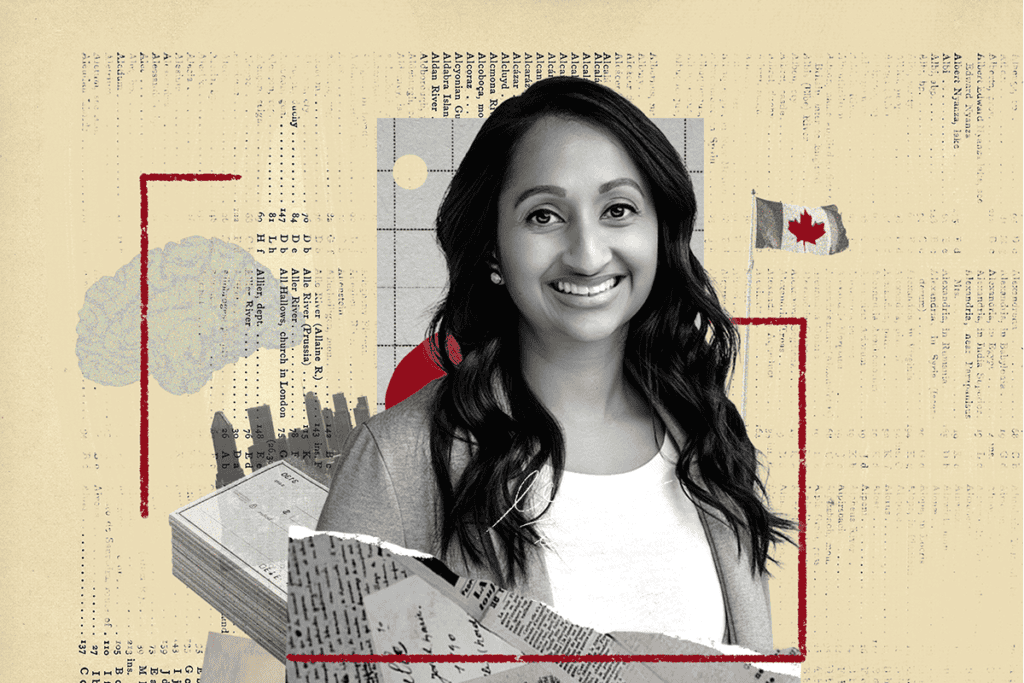
Creating community through grant support
Fiona Sanderson, a senior program manager at the Brain Canada Foundation, shares how she got into grant administration and how she helps connect researchers with funding and one another.
Creating community through grant support
Fiona Sanderson, a senior program manager at the Brain Canada Foundation, shares how she got into grant administration and how she helps connect researchers with funding and one another.
This paper changed my life: A first glimpse into the ‘middle’ of brain processing
Work by Jeffrey Moran and Robert Desimone showed that monkeys could focus their attention on different stimuli in their visual field without shifting their gaze. Their work marked a key milestone in the emergence of cognitive neuroscience.
This paper changed my life: A first glimpse into the ‘middle’ of brain processing
Work by Jeffrey Moran and Robert Desimone showed that monkeys could focus their attention on different stimuli in their visual field without shifting their gaze. Their work marked a key milestone in the emergence of cognitive neuroscience.