Computational neuroscience
Recent articles
What do astrocytes do, and how can they be modeled?
Marja-Leena Linne discusses the emerging field of computational glioscience and describes how to model astrocytes’ effects on neuronal dynamics.
What do astrocytes do, and how can they be modeled?
Marja-Leena Linne discusses the emerging field of computational glioscience and describes how to model astrocytes’ effects on neuronal dynamics.
What makes computation possible in brains?
Nima Dehghani formalizes how computation can arise out of physical systems, such as brains, and describes the “special sauce” for real biological agency.
What makes computation possible in brains?
Nima Dehghani formalizes how computation can arise out of physical systems, such as brains, and describes the “special sauce” for real biological agency.
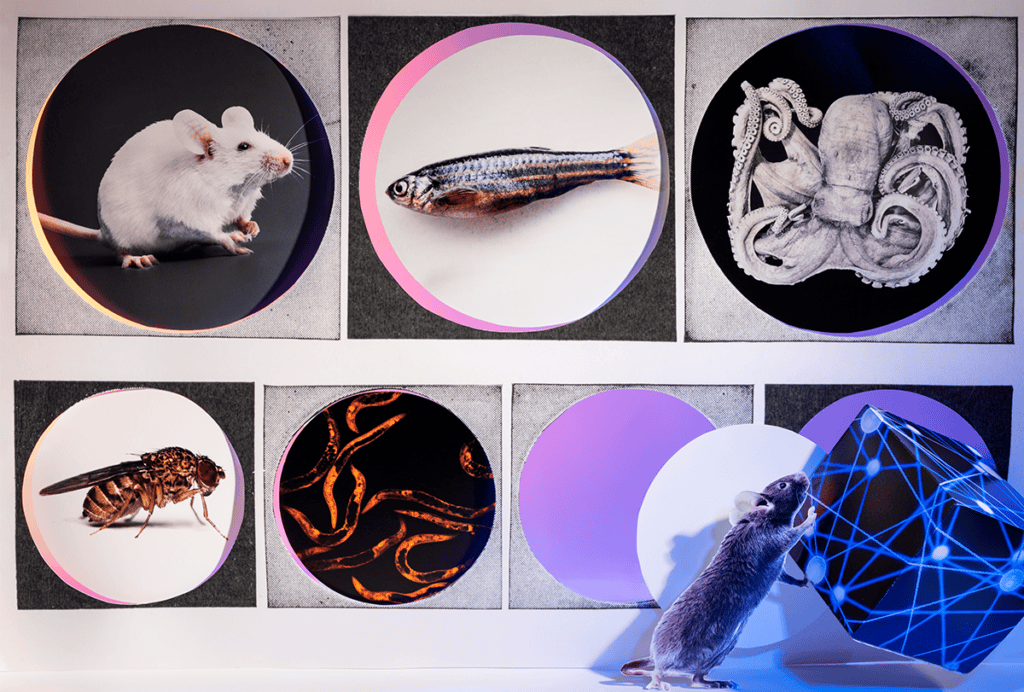
The term ‘model organism’ should be reserved for biological systems
By referring to artificial neural networks as model organisms, we run the risk of distorting funding priorities and disregard the explanatory power of a shared evolutionary history across biological organisms.
The term ‘model organism’ should be reserved for biological systems
By referring to artificial neural networks as model organisms, we run the risk of distorting funding priorities and disregard the explanatory power of a shared evolutionary history across biological organisms.
Future of AI brain models sparks debate
Neuroscientists are divided about whether foundation models that predict brain responses will help the field understand how brains work.
Future of AI brain models sparks debate
Neuroscientists are divided about whether foundation models that predict brain responses will help the field understand how brains work.
‘Brain Flows: How Network Dynamics Compose the Human Mind,’ an excerpt
In his new book, published today, Michael W. Cole examines how the movement of neuronal activity between neuronal populations shapes free will, intelligence and creativity. In this excerpt from Chapter 1, Cole explores why activity flows could unify efforts to map brain functions and connectivity.
Explore more from The Transmitter
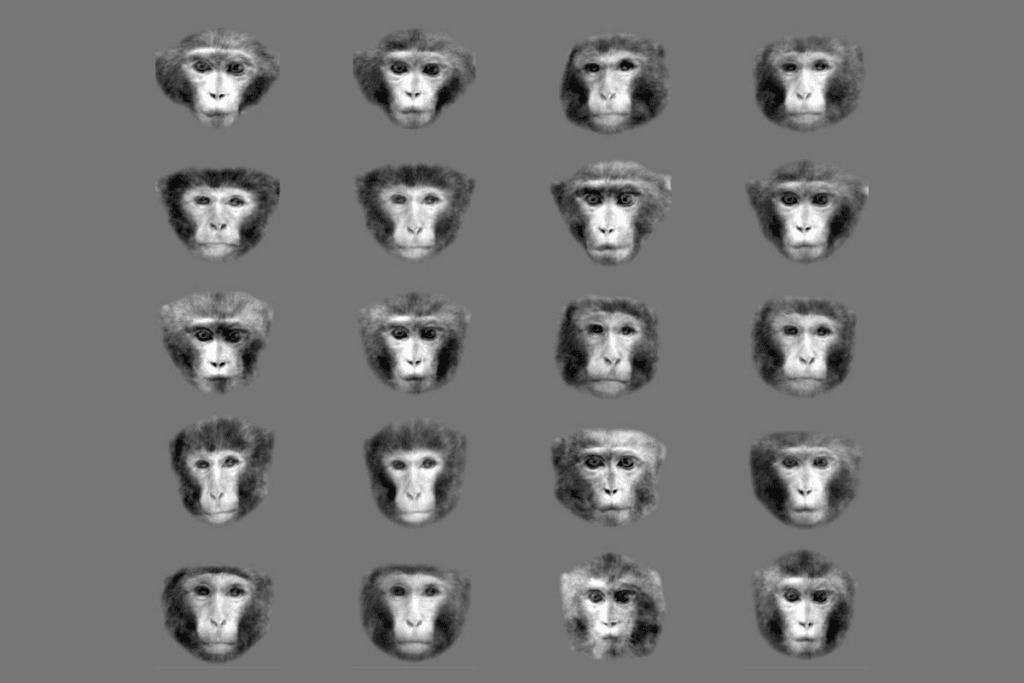
Cortical activity toggles between seen, unseen images
Awareness of an image doesn’t always coincide with the brain activity that tracks it, according to a new preprint that study investigator Doris Tsao says marks a step toward identifying the neural correlates of consciousness.
Cortical activity toggles between seen, unseen images
Awareness of an image doesn’t always coincide with the brain activity that tracks it, according to a new preprint that study investigator Doris Tsao says marks a step toward identifying the neural correlates of consciousness.
Detained neuroscientist ‘holding out strong’
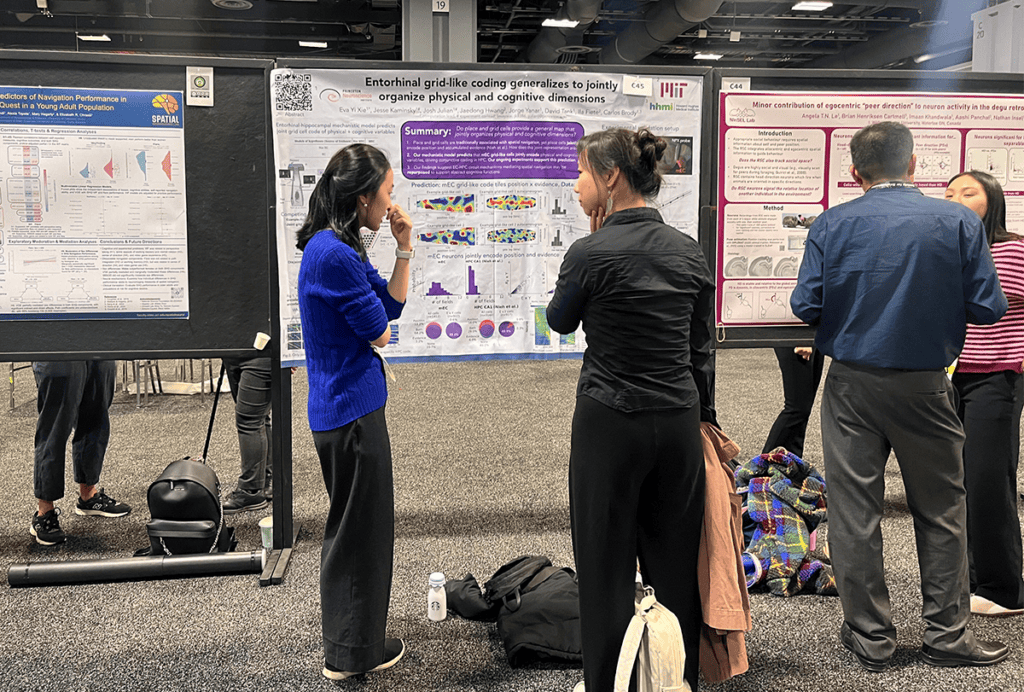
Princeton University graduate student Eva Yi Xie has been held in U.S. Immigration and Customs Enforcement custody since Thursday but remains in good spirits, according to friends and colleagues who have spoken with her on video calls.
Detained neuroscientist ‘holding out strong’
Princeton University graduate student Eva Yi Xie has been held in U.S. Immigration and Customs Enforcement custody since Thursday but remains in good spirits, according to friends and colleagues who have spoken with her on video calls.
Noncoding role of FMR1 transcripts; and more
Here is a roundup of autism-related news and research spotted around the web for the week of 23 November.
Noncoding role of FMR1 transcripts; and more
Here is a roundup of autism-related news and research spotted around the web for the week of 23 November.