Dementia
Recent articles
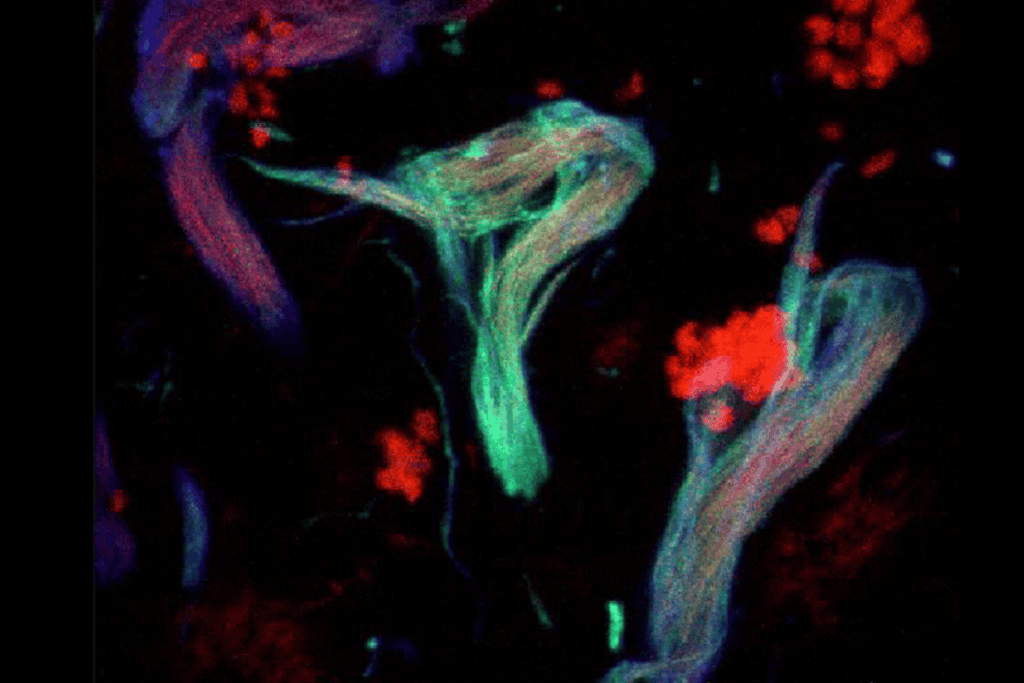
Reimagining Mexico’s brain bank
Since Alzheimer’s disease researcher José Luna-Muñoz assumed leadership of the facility—Latin America’s oldest—in 2011, he has been acquiring additional tissue types and is working to expand donor recruitment to rural areas.
Reimagining Mexico’s brain bank
Since Alzheimer’s disease researcher José Luna-Muñoz assumed leadership of the facility—Latin America’s oldest—in 2011, he has been acquiring additional tissue types and is working to expand donor recruitment to rural areas.
Reimaginando o banco de cérebros do México
Desde que o pesquisador da doença de Alzheimer José Luna-Muñoz assumiu a direção da instituição—a mais antiga da América Latina—em 2011, ele vem adquirindo novos tipos de tecido e trabalhando para ampliar o recrutamento de doadores nas áreas rurais
Reimaginando o banco de cérebros do México
Desde que o pesquisador da doença de Alzheimer José Luna-Muñoz assumiu a direção da instituição—a mais antiga da América Latina—em 2011, ele vem adquirindo novos tipos de tecido e trabalhando para ampliar o recrutamento de doadores nas áreas rurais
Reimaginando el banco de cerebros de México
Desde que el investigador de la enfermedad de Alzheimer José Luna-Muñoz se hizo cargo del banco de cerebros—el más antiguo de América Latina—en 2011, ha incorporado otros tipos de tejidos y trabaja para ampliar la captación de donantes a las zonas rurales.
Reimaginando el banco de cerebros de México
Desde que el investigador de la enfermedad de Alzheimer José Luna-Muñoz se hizo cargo del banco de cerebros—el más antiguo de América Latina—en 2011, ha incorporado otros tipos de tejidos y trabaja para ampliar la captación de donantes a las zonas rurales.
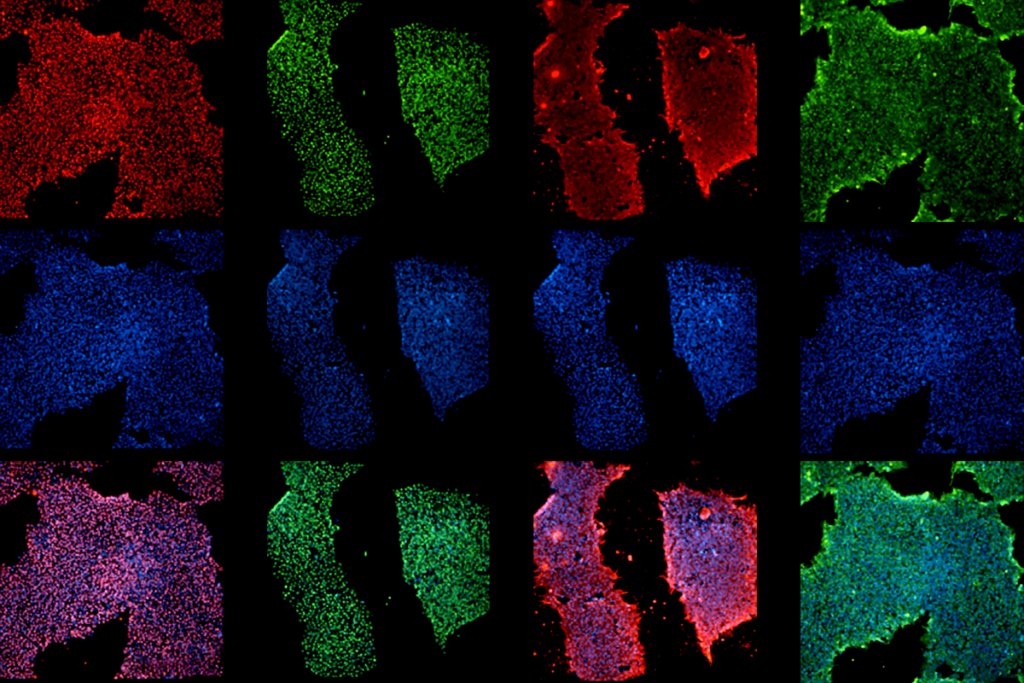
Bringing African ancestry into cellular neuroscience
Two independent teams in Africa are developing stem cell lines and organoids from local populations to explore neurodevelopmental and neurodegenerative conditions.
Bringing African ancestry into cellular neuroscience
Two independent teams in Africa are developing stem cell lines and organoids from local populations to explore neurodevelopmental and neurodegenerative conditions.
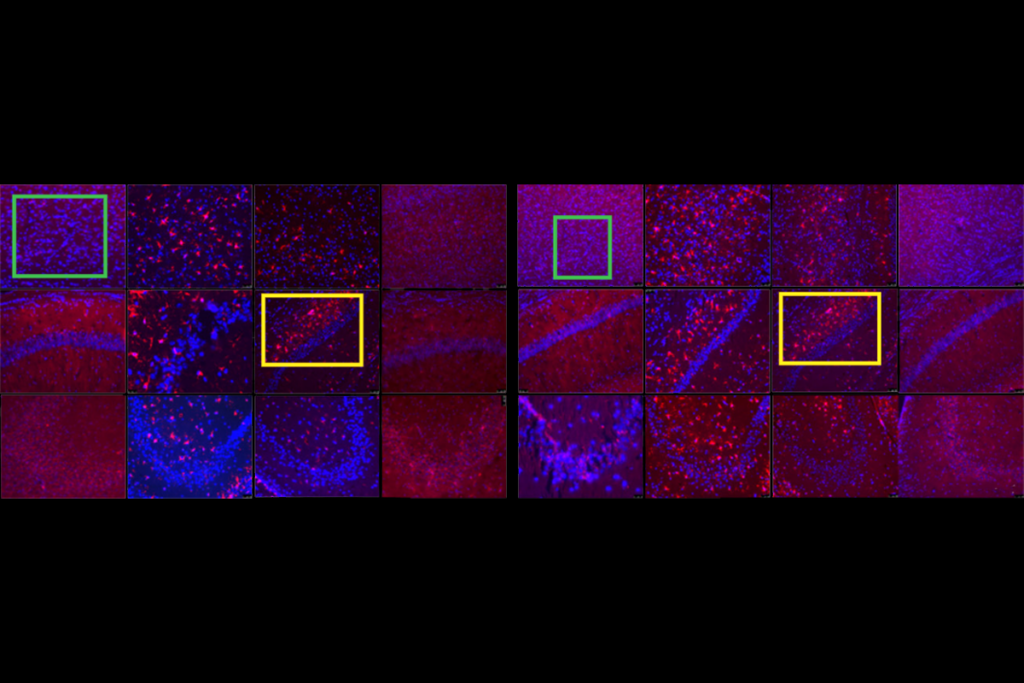
Alzheimer’s scientist forced to retract paper during his own replication effort
Gary Dunbar, a neuroscientist at Central Michigan University, was attempting to redo the 2020 paper after a collaborator admitted to using flawed data in the original work.
Alzheimer’s scientist forced to retract paper during his own replication effort
Gary Dunbar, a neuroscientist at Central Michigan University, was attempting to redo the 2020 paper after a collaborator admitted to using flawed data in the original work.
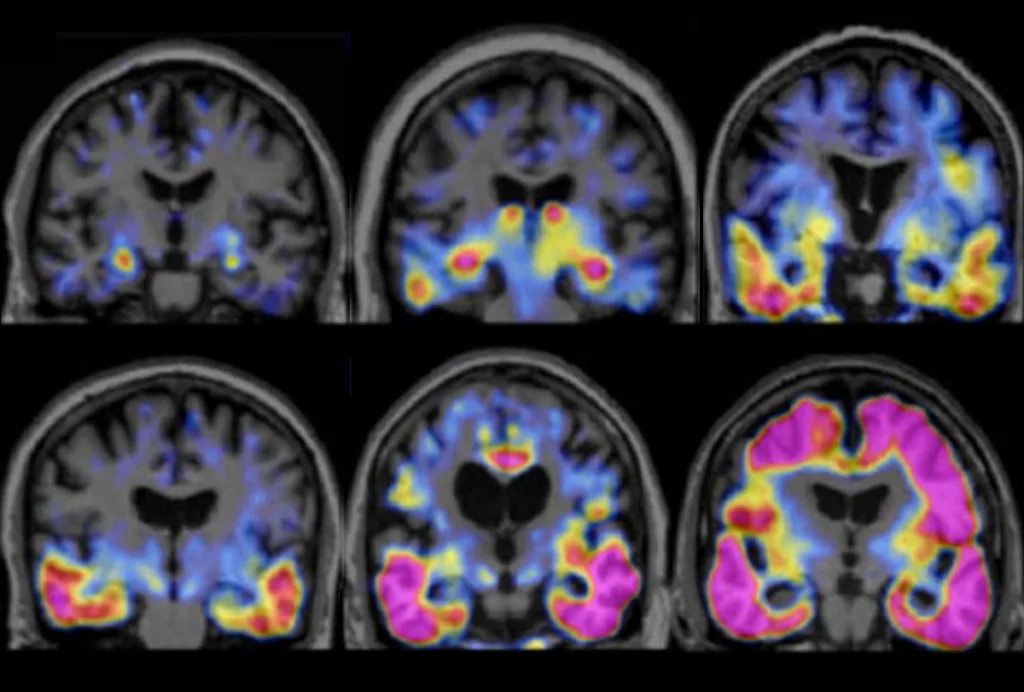
Supersized version of Alzheimer’s protein avoids clumping in brain
“Big tau” may explain why some brain regions, such as the cerebellum and brainstem, are largely spared from neurodegeneration, even though tau is expressed throughout the nervous system.
Supersized version of Alzheimer’s protein avoids clumping in brain
“Big tau” may explain why some brain regions, such as the cerebellum and brainstem, are largely spared from neurodegeneration, even though tau is expressed throughout the nervous system.
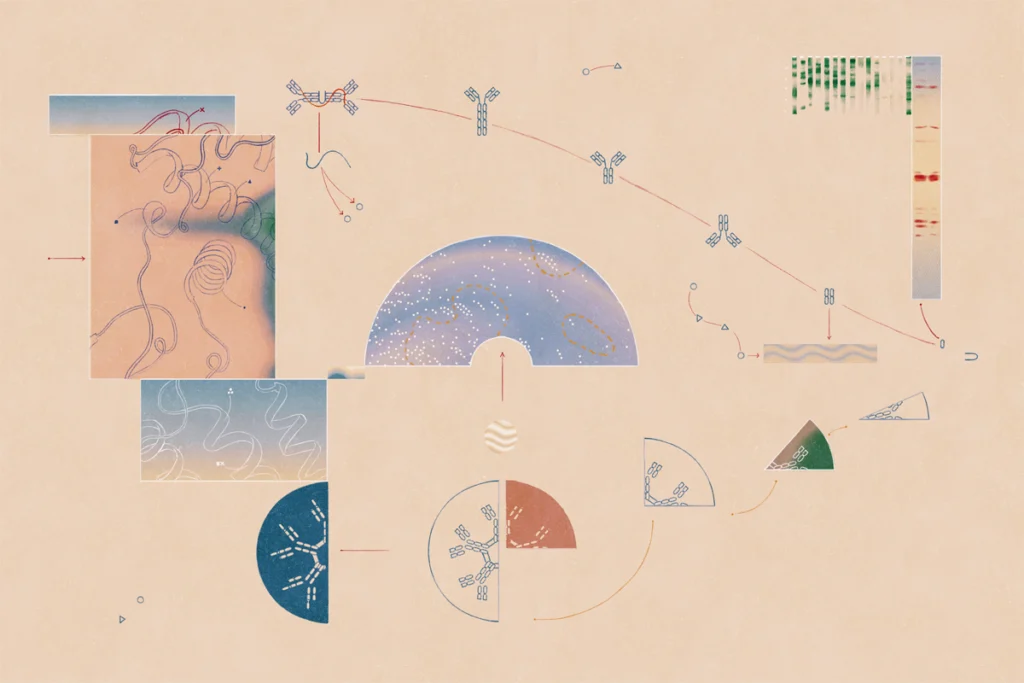
We found a major flaw in a scientific reagent used in thousands of neuroscience experiments — and we’re trying to fix it.
As part of that ambition, we launched a public-private partnership to systematically evaluate antibodies used to study neurological disease, and we plan to make all the data freely available.
We found a major flaw in a scientific reagent used in thousands of neuroscience experiments — and we’re trying to fix it.
As part of that ambition, we launched a public-private partnership to systematically evaluate antibodies used to study neurological disease, and we plan to make all the data freely available.
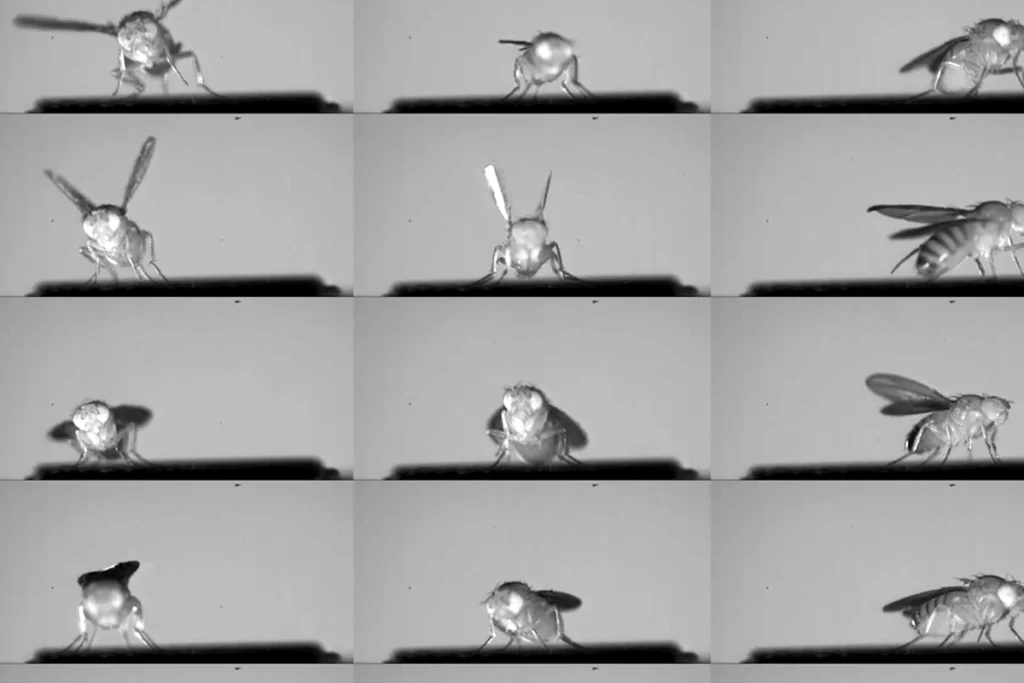
Seen and heard: The Transmitter’s top multimedia stories in 2023
Our audio, video and photo highlights from the past year help to transport readers into scientists’ lives and research, and the lives of their study participants.
Seen and heard: The Transmitter’s top multimedia stories in 2023
Our audio, video and photo highlights from the past year help to transport readers into scientists’ lives and research, and the lives of their study participants.
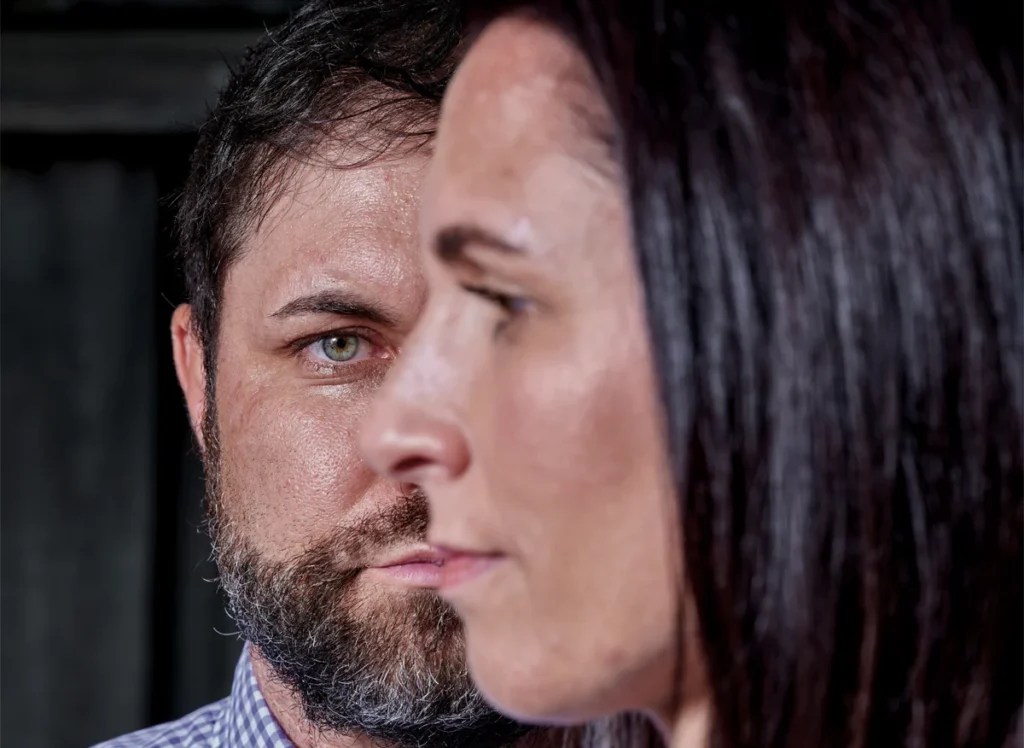
Unmasking Alzheimer’s disease
People with early-onset Alzheimer’s disease describe why they enrolled in clinical trials through the Dominantly Inherited Alzheimer Network (DIAN), in a new book of portrait photography.
Unmasking Alzheimer’s disease
People with early-onset Alzheimer’s disease describe why they enrolled in clinical trials through the Dominantly Inherited Alzheimer Network (DIAN), in a new book of portrait photography.
Explore more from The Transmitter
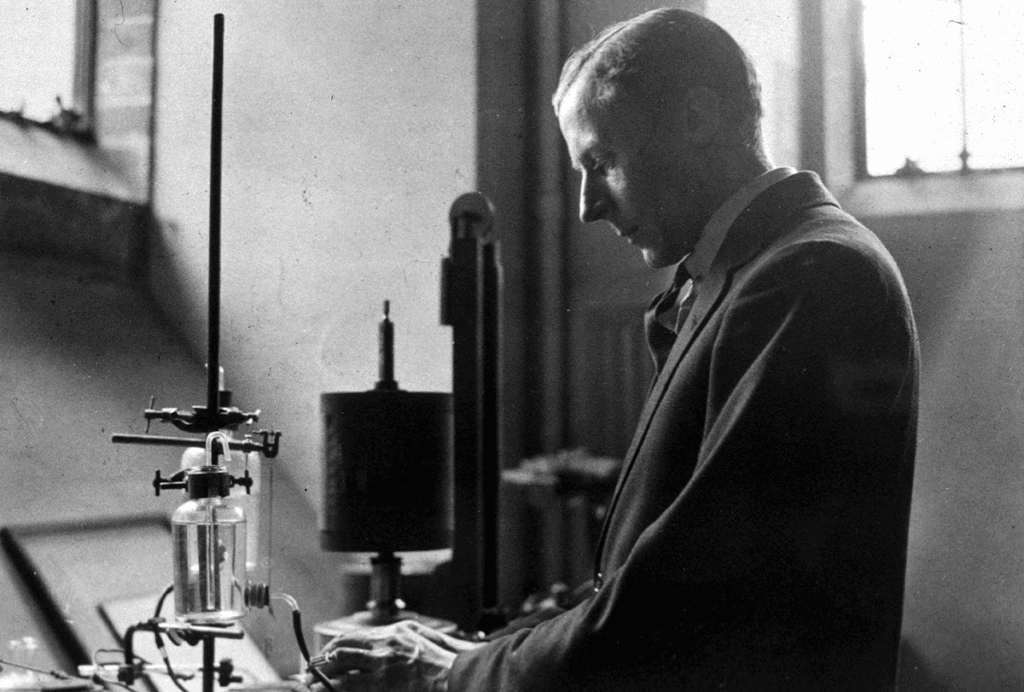
The neural code at 100
In two 1926 articles, Edgar Douglas Adrian revealed that neurons communicate through trains of spikes.
The neural code at 100
In two 1926 articles, Edgar Douglas Adrian revealed that neurons communicate through trains of spikes.
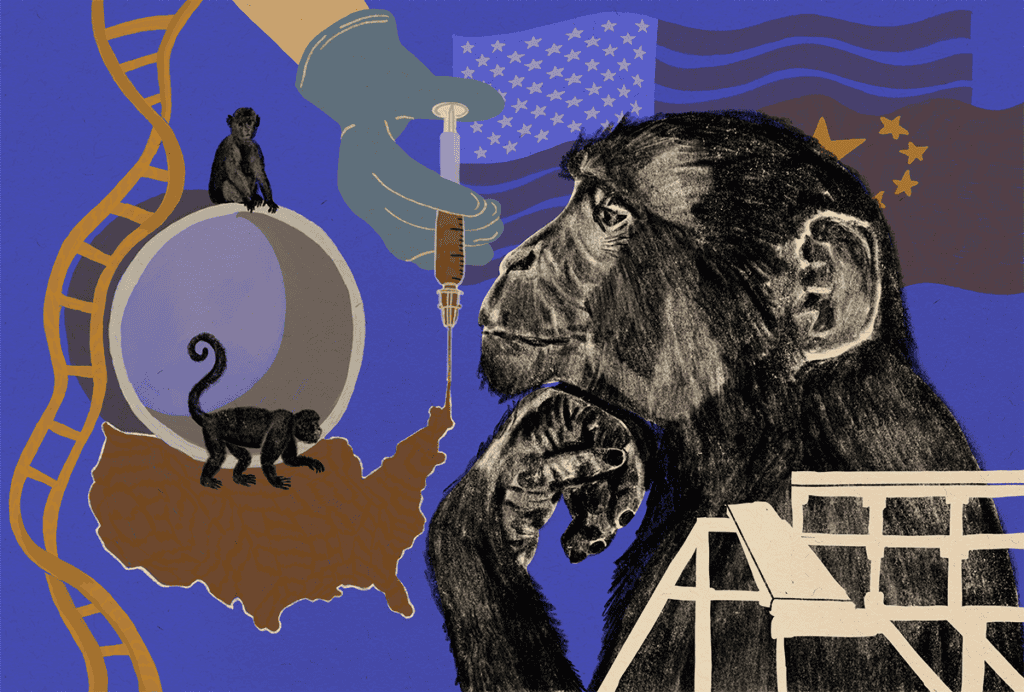
U.S. national primate research centers face an uncertain future
The facilities were meant to last 100 years. Four decades shy of that mark, amid flatlined funds and mounting political pressure, their directors are trying to find a path forward.
U.S. national primate research centers face an uncertain future
The facilities were meant to last 100 years. Four decades shy of that mark, amid flatlined funds and mounting political pressure, their directors are trying to find a path forward.
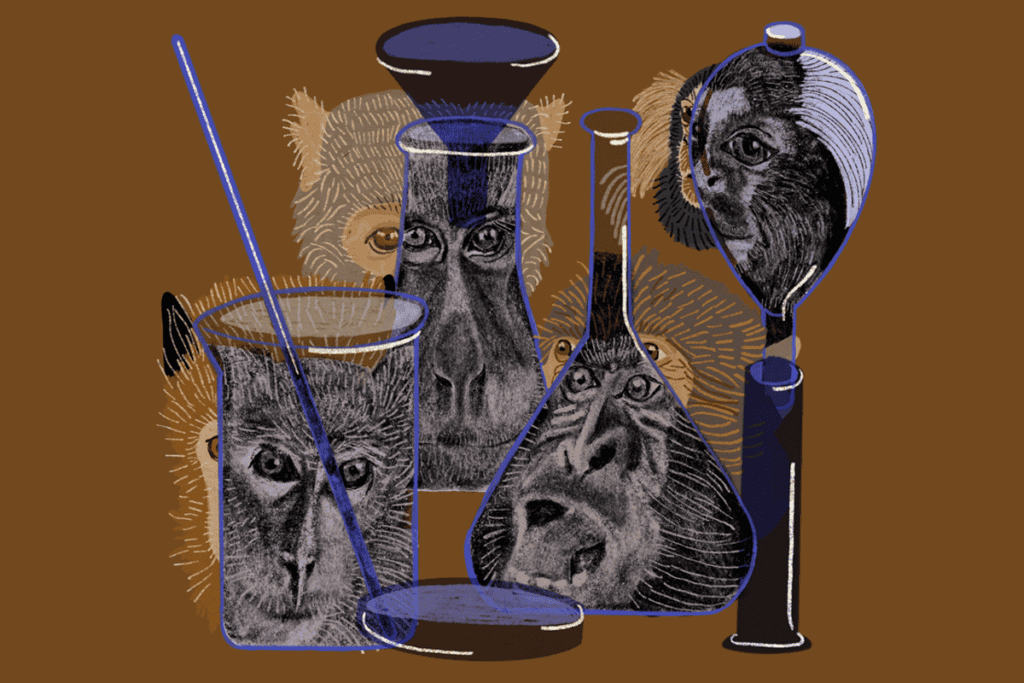
What if nonhuman primate research goes away?
As the U.S. government takes steps to stop using nonhuman primates in research, The Transmitter investigates what that shift could mean for neuroscience.
What if nonhuman primate research goes away?
As the U.S. government takes steps to stop using nonhuman primates in research, The Transmitter investigates what that shift could mean for neuroscience.