Female protective effect
Recent articles
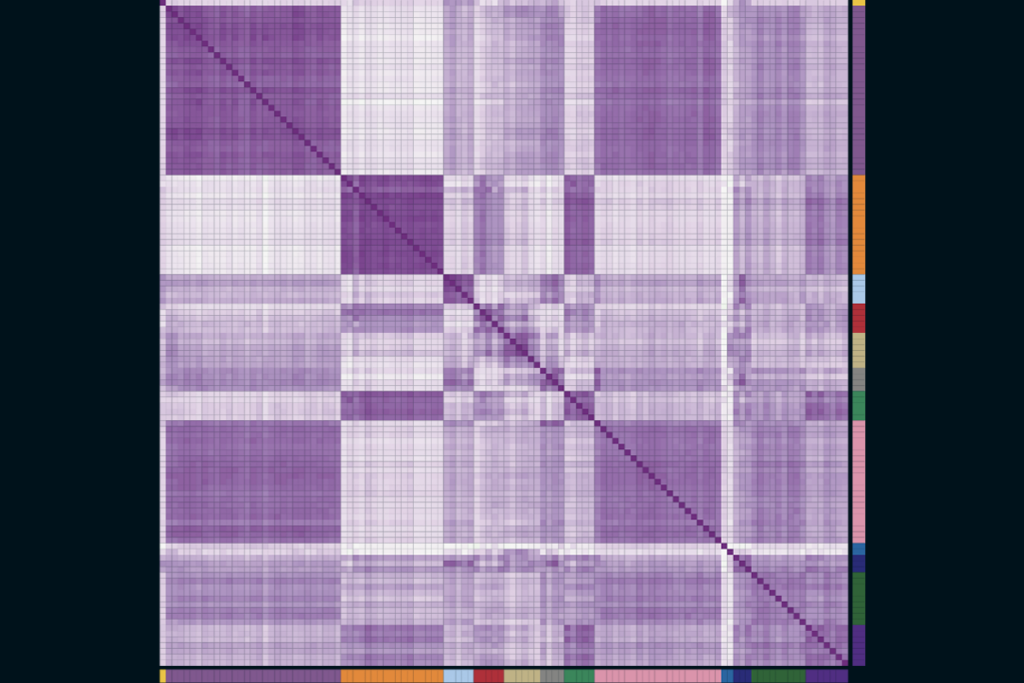
Gene activity in human cortex shows striking sex differences
The results mark a “dramatic shift” in how neuroscientists think about sex differences, and they may help explain sex biases in certain neurodegenerative and neurodevelopmental conditions.
Gene activity in human cortex shows striking sex differences
The results mark a “dramatic shift” in how neuroscientists think about sex differences, and they may help explain sex biases in certain neurodegenerative and neurodevelopmental conditions.
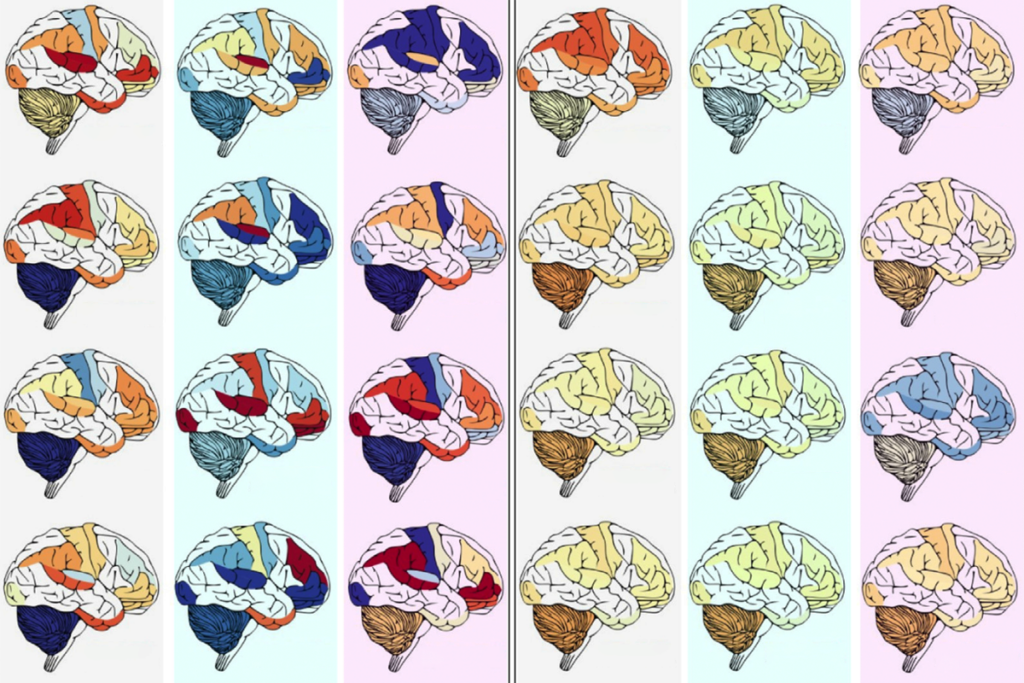
X marks the spot in search for autism variants
Genetic variants on the X chromosome, including those in the gene DDX53, contribute to autism’s gender imbalance, two new studies suggest.
X marks the spot in search for autism variants
Genetic variants on the X chromosome, including those in the gene DDX53, contribute to autism’s gender imbalance, two new studies suggest.
Autism is more heritable in boys than in girls
If boys have greater inherited liability for autism, the female protective effect may not fully explain the sex difference in prevalence.
Autism is more heritable in boys than in girls
If boys have greater inherited liability for autism, the female protective effect may not fully explain the sex difference in prevalence.
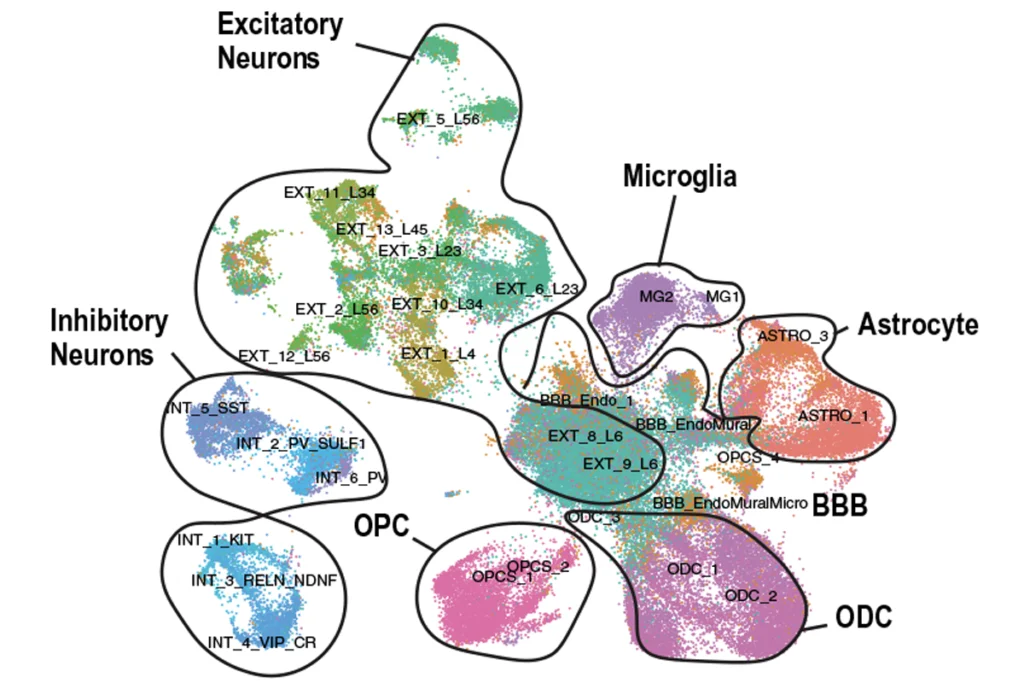
Giant analysis reveals how autism-linked genes affect brain cell types
Genes that predispose people to autism account for a large portion of the neuronal and glial cell changes seen in those with the condition.
Giant analysis reveals how autism-linked genes affect brain cell types
Genes that predispose people to autism account for a large portion of the neuronal and glial cell changes seen in those with the condition.
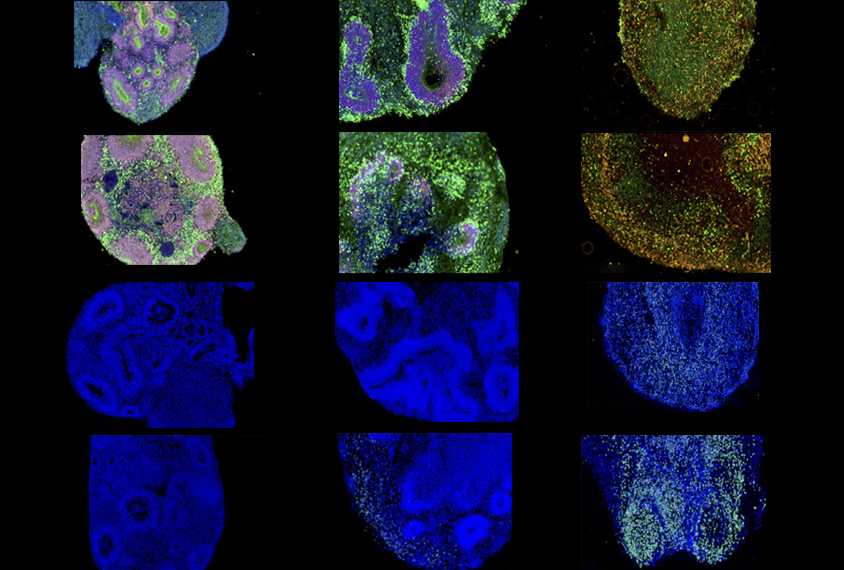
Genetic background sways effects of autism-linked mutation
Experiments offer clues to why certain mutations are associated with autism in some people and not others.
Genetic background sways effects of autism-linked mutation
Experiments offer clues to why certain mutations are associated with autism in some people and not others.
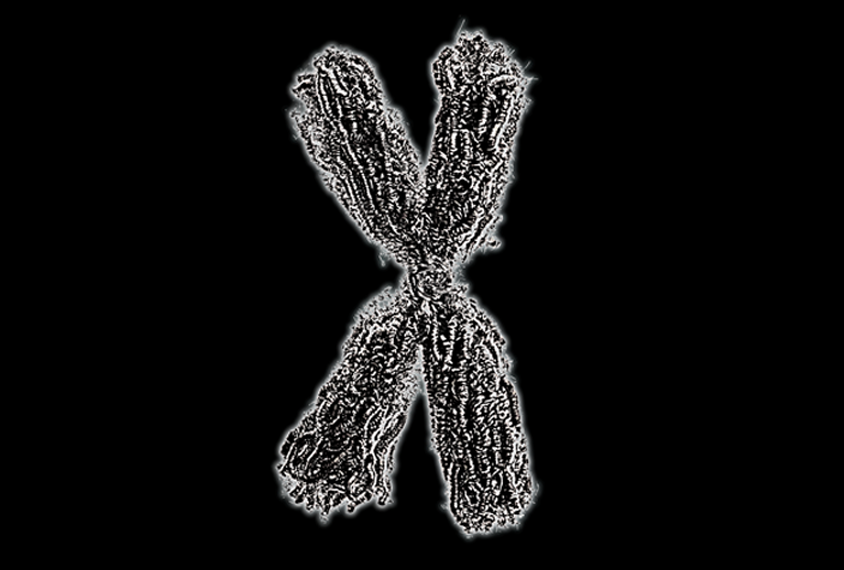
X-chromosome variants help explain autism’s sex bias
The rare variants are also linked to ADHD and Tourette syndrome, two other conditions that disproportionately affect boys and men.
X-chromosome variants help explain autism’s sex bias
The rare variants are also linked to ADHD and Tourette syndrome, two other conditions that disproportionately affect boys and men.
Explore more from The Transmitter
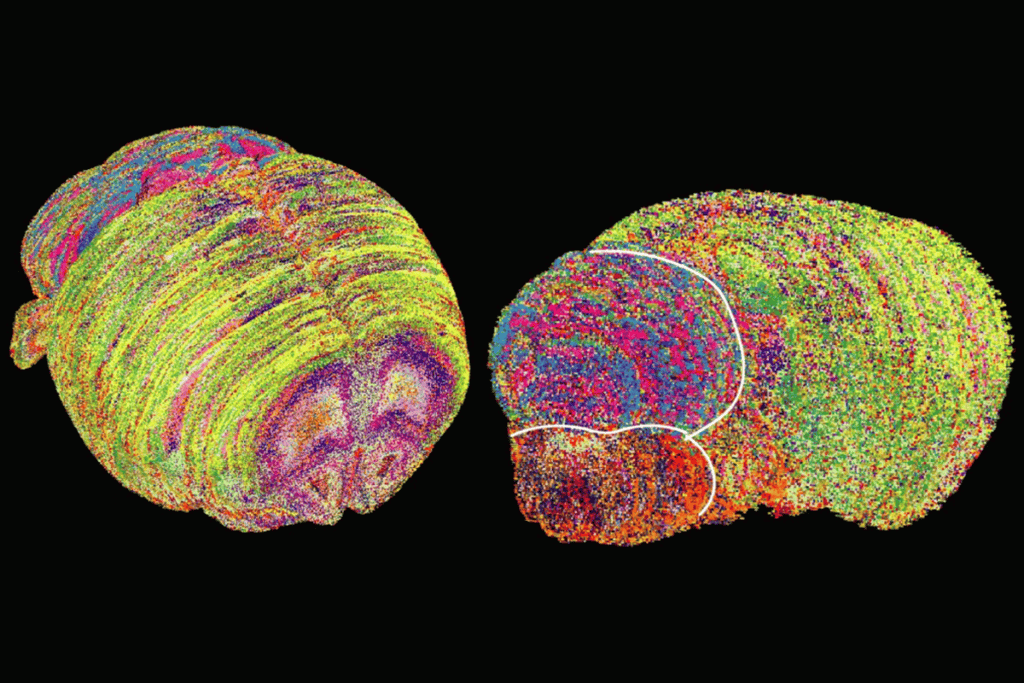
Lipids enter brain mapping limelight
Two new studies, including the first whole-brain lipid atlas in mice, uncover unforeseen complexity and influence during pregnancy and aging.
Lipids enter brain mapping limelight
Two new studies, including the first whole-brain lipid atlas in mice, uncover unforeseen complexity and influence during pregnancy and aging.
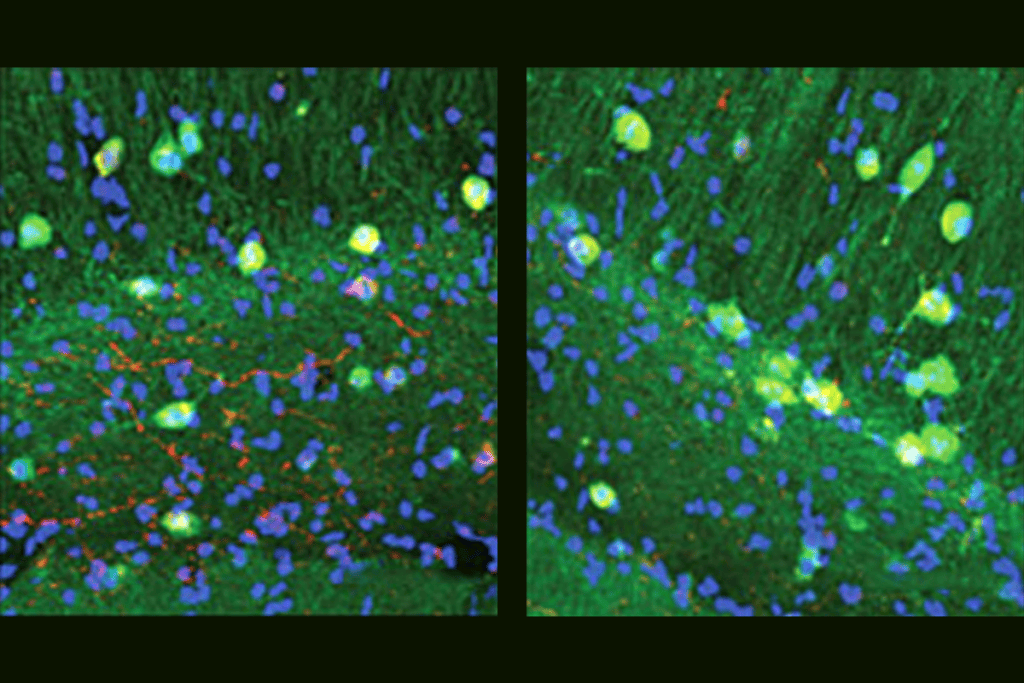
Behavioral phenomics in zebrafish; and more
Here is a roundup of autism-related news and research spotted around the web for the week of 26 October.
Behavioral phenomics in zebrafish; and more
Here is a roundup of autism-related news and research spotted around the web for the week of 26 October.
Neuroscience gave AI its start. What happens now?
David Sussillo maps the two fields' divergent paths, and where they might still meet.
Neuroscience gave AI its start. What happens now?
David Sussillo maps the two fields' divergent paths, and where they might still meet.