Maternal infection
Recent articles

Highly cited autism paper earns expression of concern over data duplications
The notice, published in Nature last week, also addressed an image duplication identified by a prominent research-integrity sleuth.
Highly cited autism paper earns expression of concern over data duplications
The notice, published in Nature last week, also addressed an image duplication identified by a prominent research-integrity sleuth.
Cousin comparison parses genetic effects in autism
The approach helps reveal whether maternal genes contribute directly to autism in children or have indirect effects on the prenatal environment.
Cousin comparison parses genetic effects in autism
The approach helps reveal whether maternal genes contribute directly to autism in children or have indirect effects on the prenatal environment.
Talking shop: The Transmitter’s top quotes of 2025
Find out what “may be one of the brain’s most underappreciated superpowers” and why it’s so crucial to “talk about our research in our everyday lives.”
Talking shop: The Transmitter’s top quotes of 2025
Find out what “may be one of the brain’s most underappreciated superpowers” and why it’s so crucial to “talk about our research in our everyday lives.”
Maternal infection’s link to autism may be a mirage
Family-linked factors explain most associations between maternal illness and autism, a study of 1.1 million Danish children finds.
Maternal infection’s link to autism may be a mirage
Family-linked factors explain most associations between maternal illness and autism, a study of 1.1 million Danish children finds.
Microglial overreaction to atypical neurons may drive autism
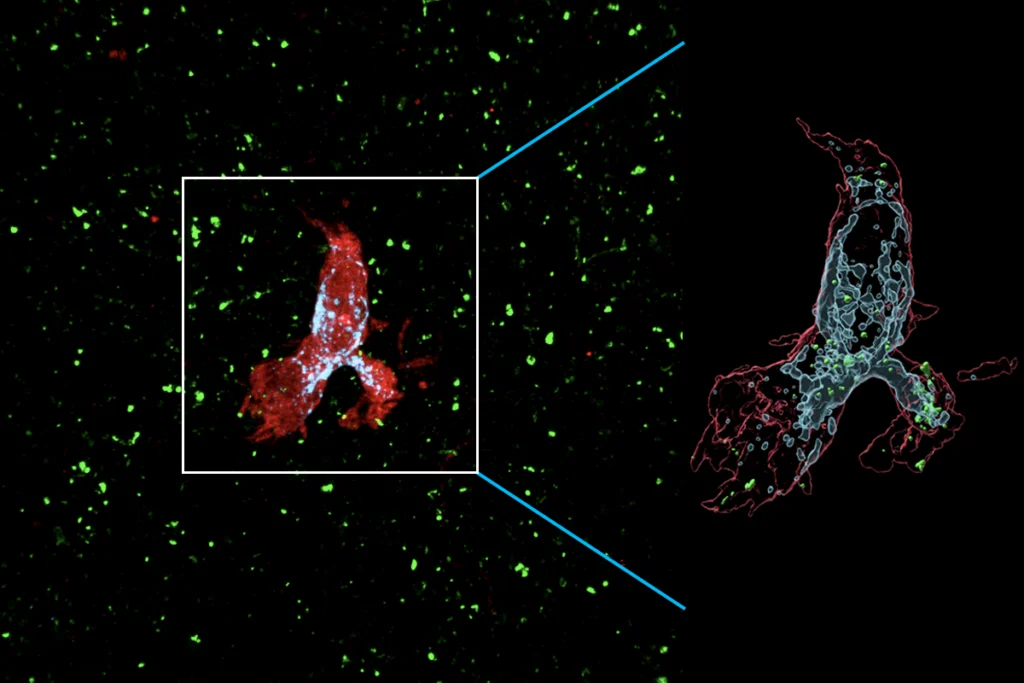
In mice and organoids lacking a neuronal protein, microglia prune synapses to excess.
Microglial overreaction to atypical neurons may drive autism
In mice and organoids lacking a neuronal protein, microglia prune synapses to excess.
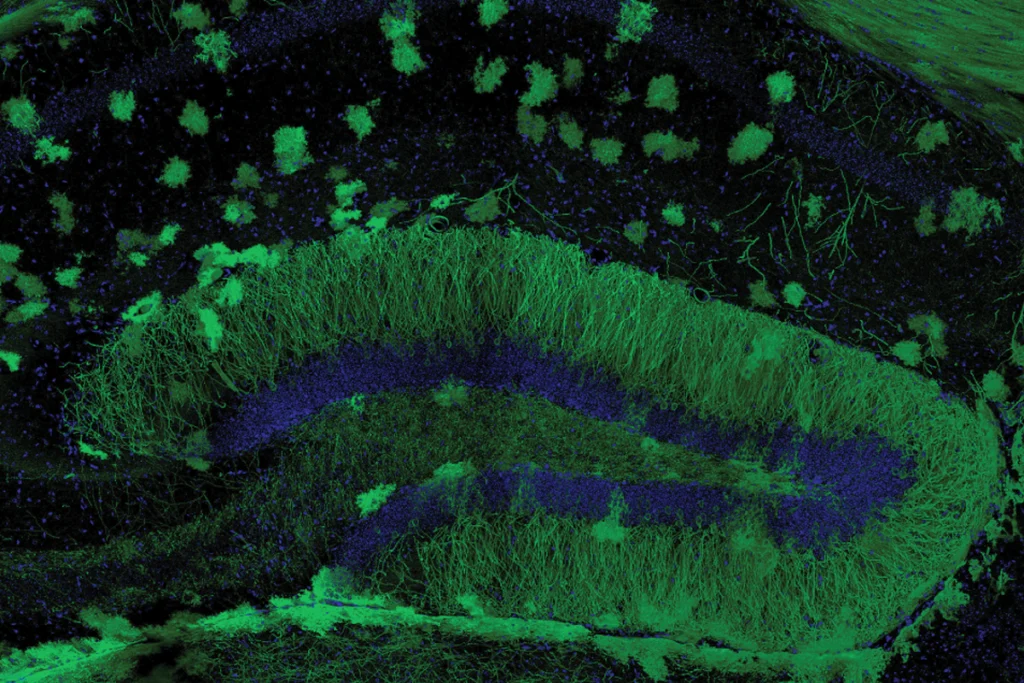
Immune-activation model mice escape infantile amnesia, retain early memories
Male pups born to mothers treated with immune-stimulating molecules show autism-like behaviors and, unlike wildtype animals, do not lose memories formed during early life.
Immune-activation model mice escape infantile amnesia, retain early memories
Male pups born to mothers treated with immune-stimulating molecules show autism-like behaviors and, unlike wildtype animals, do not lose memories formed during early life.
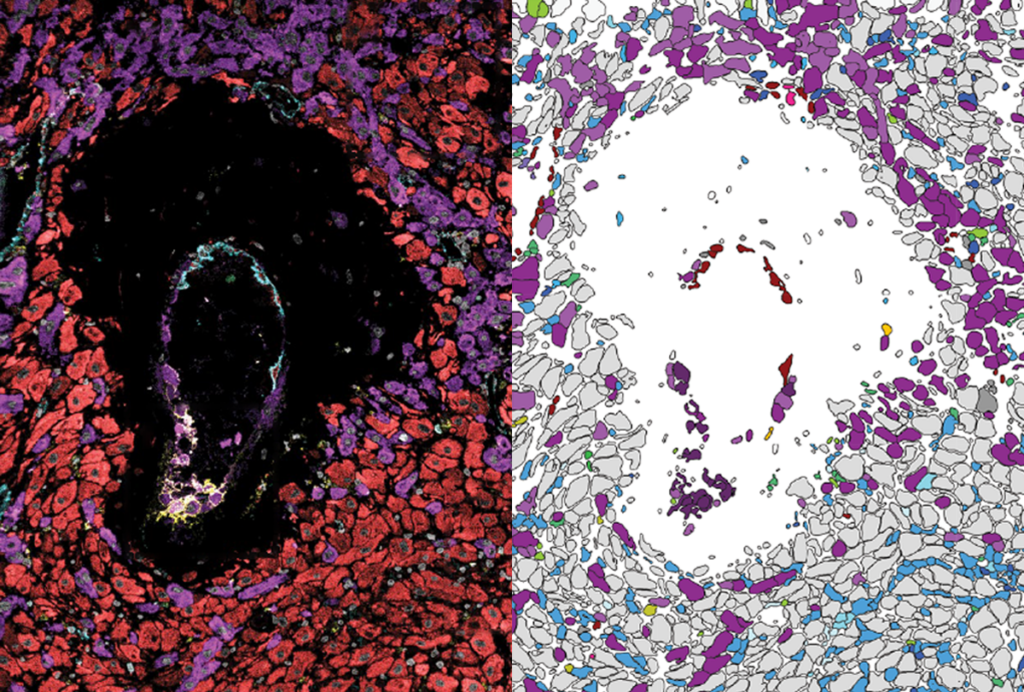
Atlas charts cells of human placenta, uterus across early pregnancy
A new resource gives an unparalleled look at how fetal placental cells attach to the uterine wall and remodel maternal blood vessels to access nutrients.
Atlas charts cells of human placenta, uterus across early pregnancy
A new resource gives an unparalleled look at how fetal placental cells attach to the uterine wall and remodel maternal blood vessels to access nutrients.
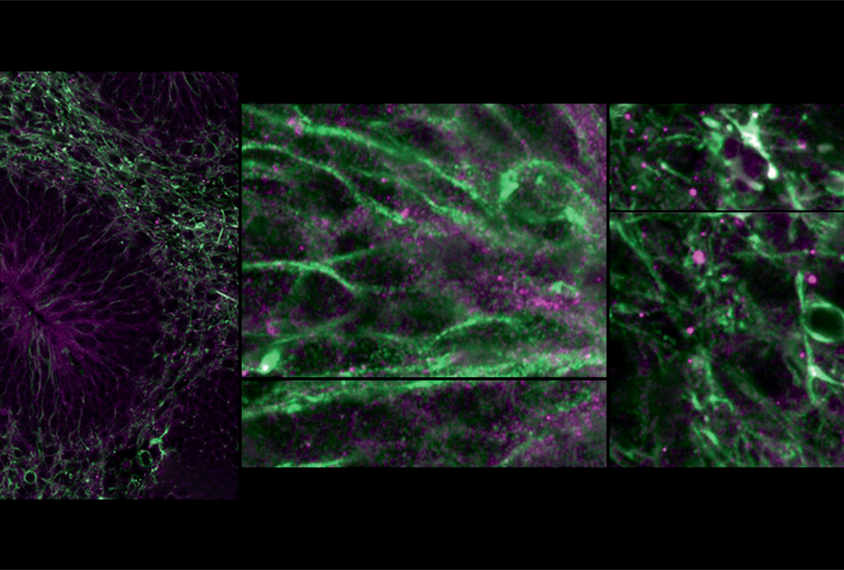
Immune molecule alters cellular makeup of human brain organoids
The changes may help explain the link between maternal infection and autism, though more research is needed.
Immune molecule alters cellular makeup of human brain organoids
The changes may help explain the link between maternal infection and autism, though more research is needed.
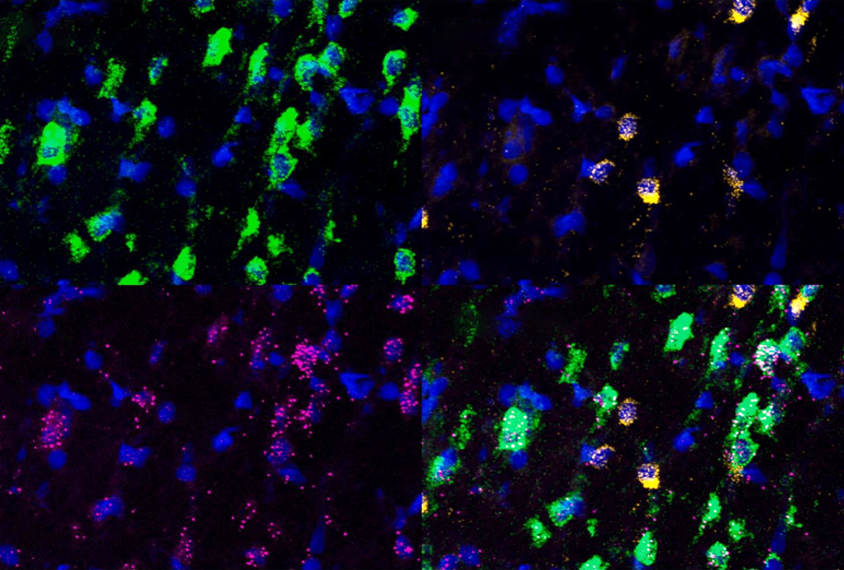
Maternal immune response dulls male rats’ social radar
Male rats prenatally exposed to a maternal immune response have atypical responses to other rats in distress, according to a new study.
Maternal immune response dulls male rats’ social radar
Male rats prenatally exposed to a maternal immune response have atypical responses to other rats in distress, according to a new study.
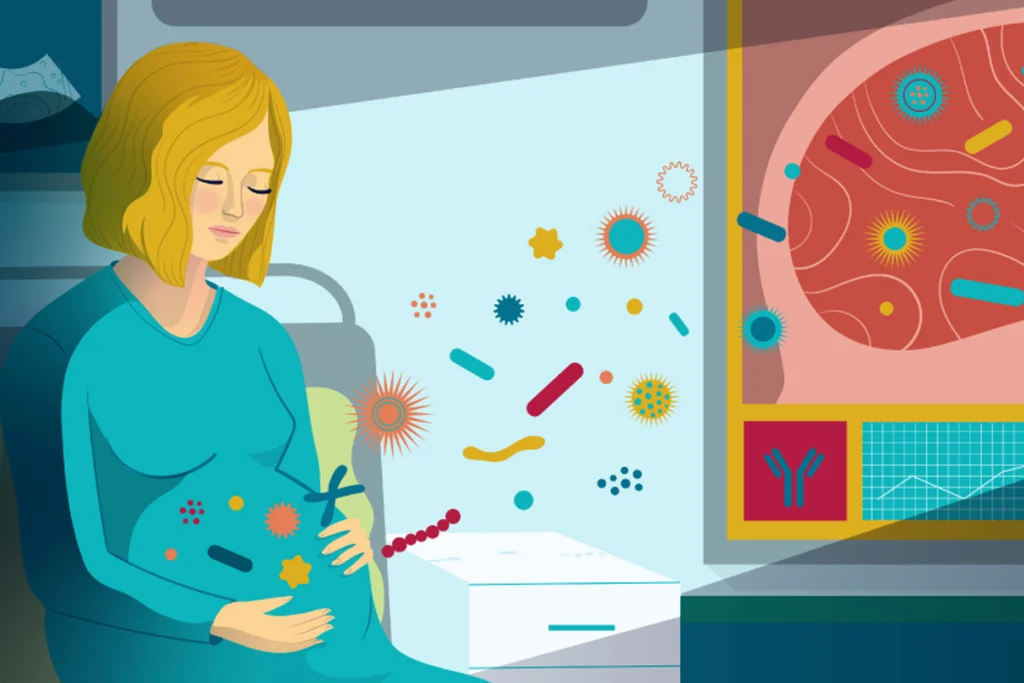
The link between maternal infection and autism, explained
Having an infection during pregnancy is tied to a small increase in the chances of having an autistic child, but the connection may not be causal.
The link between maternal infection and autism, explained
Having an infection during pregnancy is tied to a small increase in the chances of having an autistic child, but the connection may not be causal.
Explore more from The Transmitter
Is it time for neuroscience to shift its focus from a computational mind to a navigating mind?
Andrea Hiott explains her navigational approach to the mind, and why now is the time to embrace seemingly paradoxical findings in neuroscience.
Is it time for neuroscience to shift its focus from a computational mind to a navigating mind?
Andrea Hiott explains her navigational approach to the mind, and why now is the time to embrace seemingly paradoxical findings in neuroscience.
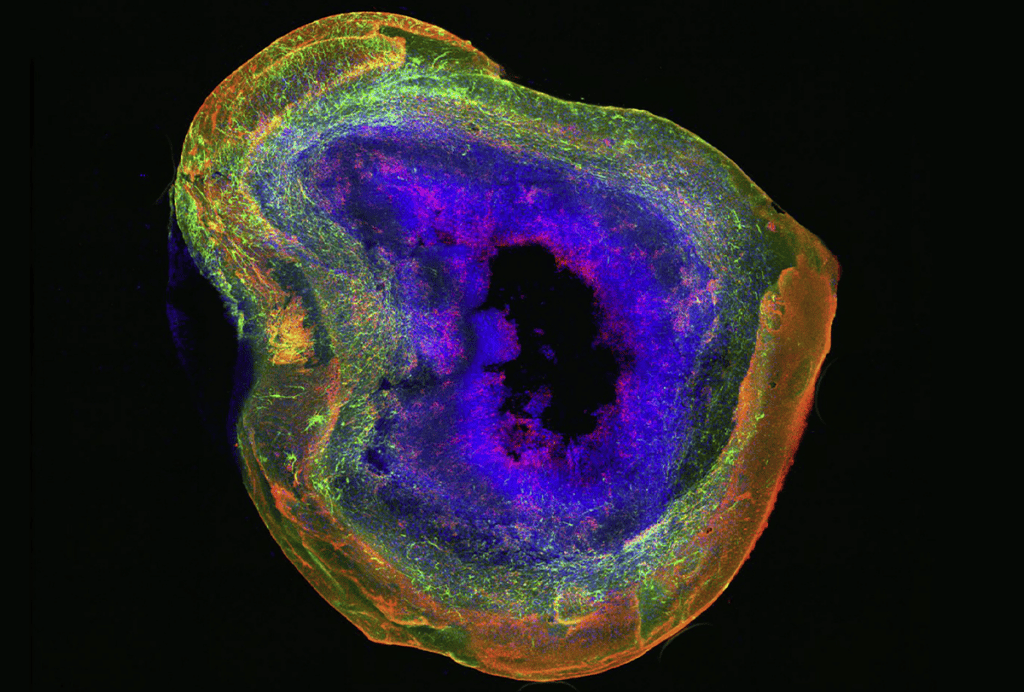
Human brain organoids come of age—but still have room to grow
The U.S. government has touted organoids as an alternative to animals for studying the brain. The model has improved since its debut in 2013, but scientists are still working to overcome key limitations: immaturity, consistency and the lack of vascularization.
Finding neuroheterogeneity’s sweet spot
Once thought to be detrimental to memory processing, neuronal diversity—at the right ‘Goldilocks’ dose—is a new boon to theoretical neuroscience.
Finding neuroheterogeneity’s sweet spot
Once thought to be detrimental to memory processing, neuronal diversity—at the right ‘Goldilocks’ dose—is a new boon to theoretical neuroscience.