Maternal stress
Recent articles
Cousin comparison parses genetic effects in autism
The approach helps reveal whether maternal genes contribute directly to autism in children or have indirect effects on the prenatal environment.
Cousin comparison parses genetic effects in autism
The approach helps reveal whether maternal genes contribute directly to autism in children or have indirect effects on the prenatal environment.
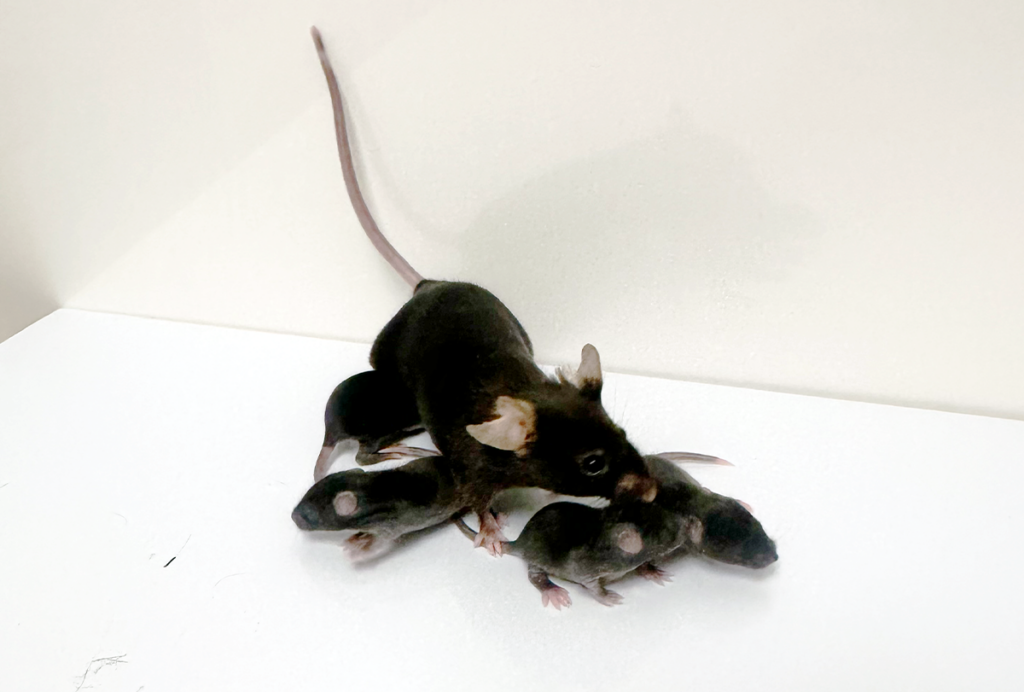
Maternity induces lasting gene-expression changes in mouse brains
The findings add to a small but growing body of research on neurological changes linked to pregnancy, birth and parenting.
Maternity induces lasting gene-expression changes in mouse brains
The findings add to a small but growing body of research on neurological changes linked to pregnancy, birth and parenting.
Maternal infection’s link to autism may be a mirage
Family-linked factors explain most associations between maternal illness and autism, a study of 1.1 million Danish children finds.
Maternal infection’s link to autism may be a mirage
Family-linked factors explain most associations between maternal illness and autism, a study of 1.1 million Danish children finds.
New catalog charts familial ties from autism to 90 other conditions
The research tool reveals associations stretching across three generations.
New catalog charts familial ties from autism to 90 other conditions
The research tool reveals associations stretching across three generations.
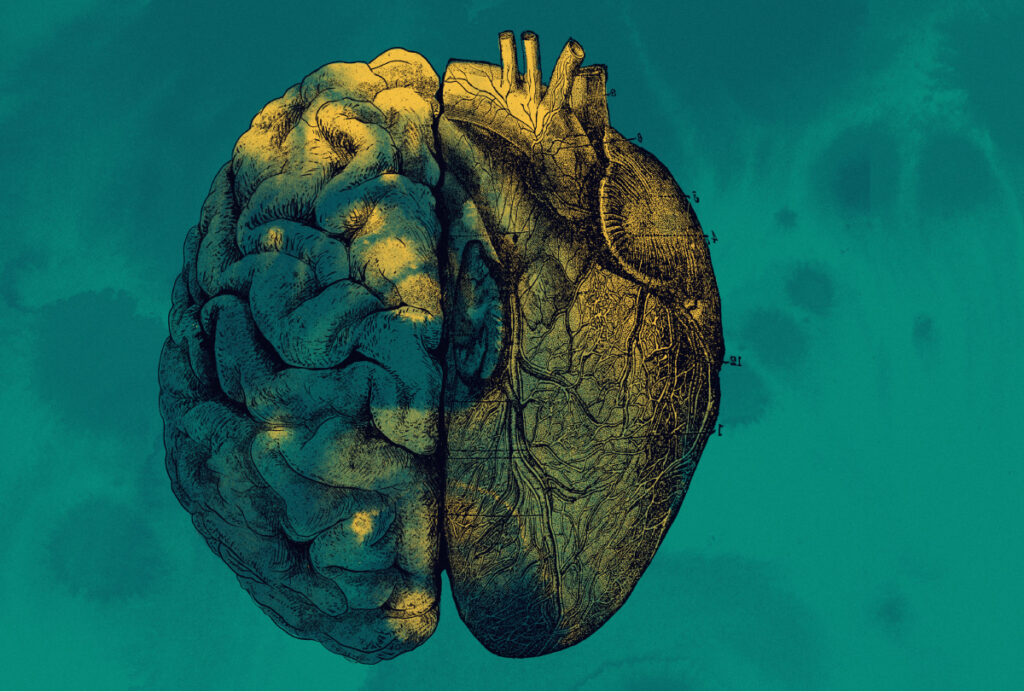
Change of heart and mind: Autism’s ties to cardiac defects
Children with congenital heart disease have an increased likelihood of autism. Why?
Change of heart and mind: Autism’s ties to cardiac defects
Children with congenital heart disease have an increased likelihood of autism. Why?
The most personalized medicine: Studying your own child’s rare condition
A handful of scientists are committed to advancing research on the autism-related genetic conditions their own children have.
The most personalized medicine: Studying your own child’s rare condition
A handful of scientists are committed to advancing research on the autism-related genetic conditions their own children have.
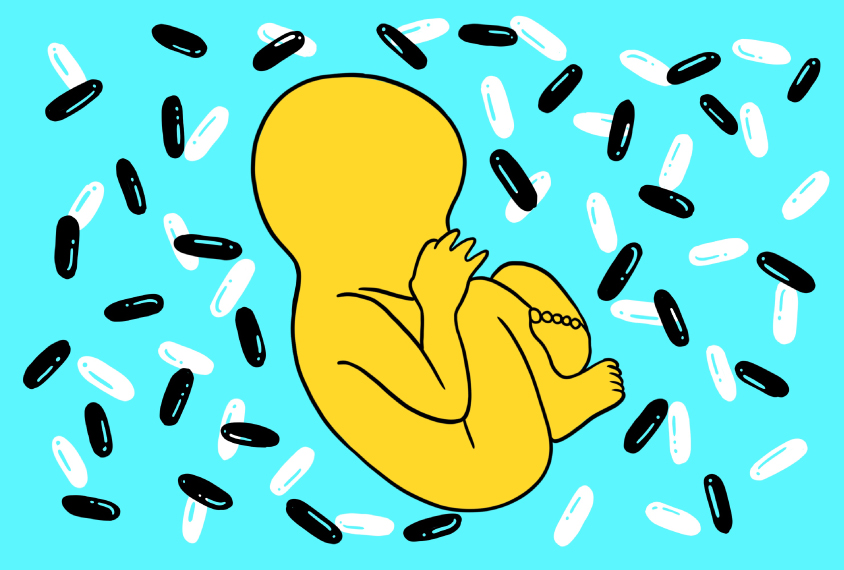
The link between vitamins, supplements and autism, explained
Too little — or too much — of certain substances during pregnancy may increase the odds of having a child with autism. Here we explain what scientists know about these associations.
The link between vitamins, supplements and autism, explained
Too little — or too much — of certain substances during pregnancy may increase the odds of having a child with autism. Here we explain what scientists know about these associations.
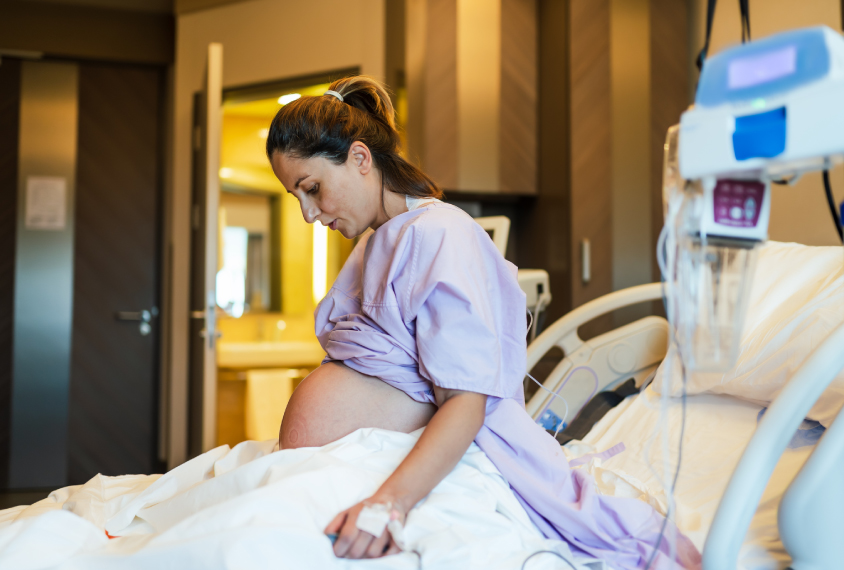
Epidurals linked to slightly higher autism odds, but connection is unclear
Women who receive epidural anesthesia during labor have an elevated chance of having a child with autism, a new study has found. But it is too soon for doctors to recommend against epidurals, experts say.
Epidurals linked to slightly higher autism odds, but connection is unclear
Women who receive epidural anesthesia during labor have an elevated chance of having a child with autism, a new study has found. But it is too soon for doctors to recommend against epidurals, experts say.
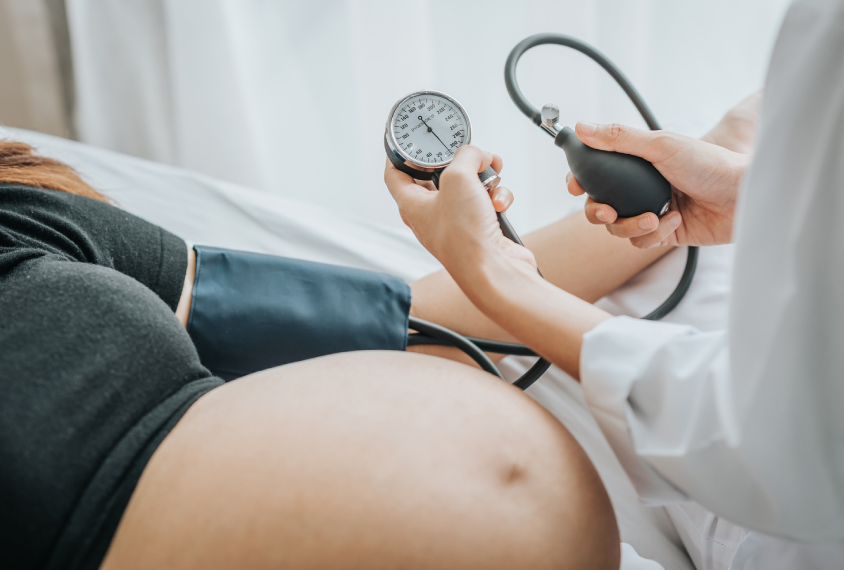
Common pregnancy complication linked to increased autism odds
High blood pressure during pregnancy may raise a woman's chances of having an autistic child.
Common pregnancy complication linked to increased autism odds
High blood pressure during pregnancy may raise a woman's chances of having an autistic child.
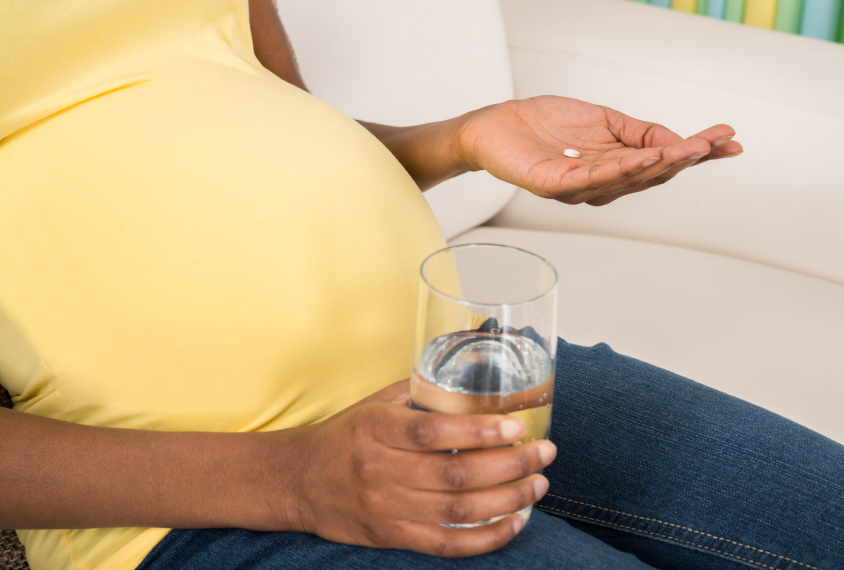
Acetaminophen use in pregnancy linked to autism, attention deficit in children
Pregnant women’s use of acetaminophen may increase the odds of autism and attention deficit hyperactivity disorder in their children.
Acetaminophen use in pregnancy linked to autism, attention deficit in children
Pregnant women’s use of acetaminophen may increase the odds of autism and attention deficit hyperactivity disorder in their children.
Explore more from The Transmitter
Preserving neuroscience history, one memoir at a time
Volume 14 of “The History of Neuroscience in Autobiography” was published this month. Series editors Larry Squire and Thomas Albright spoke with The Transmitter about how the volumes come together and why the two want to capture the personal side of the field.
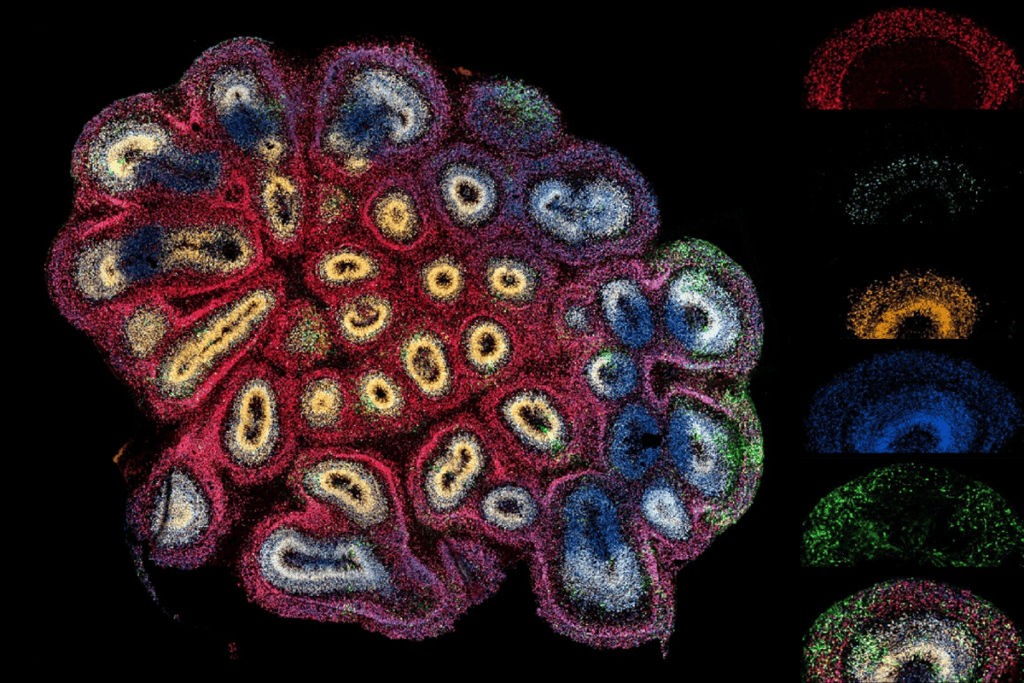
X chromosome gene may explain autism’s sex bias
“The field has been searching for this for a while,” says geneticist Donna Werling.
X chromosome gene may explain autism’s sex bias
“The field has been searching for this for a while,” says geneticist Donna Werling.
What do astrocytes do, and how can they be modeled?
Marja-Leena Linne discusses the emerging field of computational glioscience and describes how to model astrocytes’ effects on neuronal dynamics.
What do astrocytes do, and how can they be modeled?
Marja-Leena Linne discusses the emerging field of computational glioscience and describes how to model astrocytes’ effects on neuronal dynamics.