Neuropixels
Recent articles
Eighteen teams analyzed the same neurophysiology dataset—and got wildly different answers
The “Brainhack” hackathon revealed that disagreement in neuroscience runs deeper than most researchers suspect—even in electrophysiology, a field that prides itself on hard data.
Eighteen teams analyzed the same neurophysiology dataset—and got wildly different answers
The “Brainhack” hackathon revealed that disagreement in neuroscience runs deeper than most researchers suspect—even in electrophysiology, a field that prides itself on hard data.
What are the most transformative neuroscience tools and technologies developed in the past five years?
Artificial intelligence and deep-learning methods featured prominently in the survey responses, followed by genetic tools to control circuits, advanced neuroimaging, transcriptomics and various approaches to record brain activity and behavior.
What are the most transformative neuroscience tools and technologies developed in the past five years?
Artificial intelligence and deep-learning methods featured prominently in the survey responses, followed by genetic tools to control circuits, advanced neuroimaging, transcriptomics and various approaches to record brain activity and behavior.
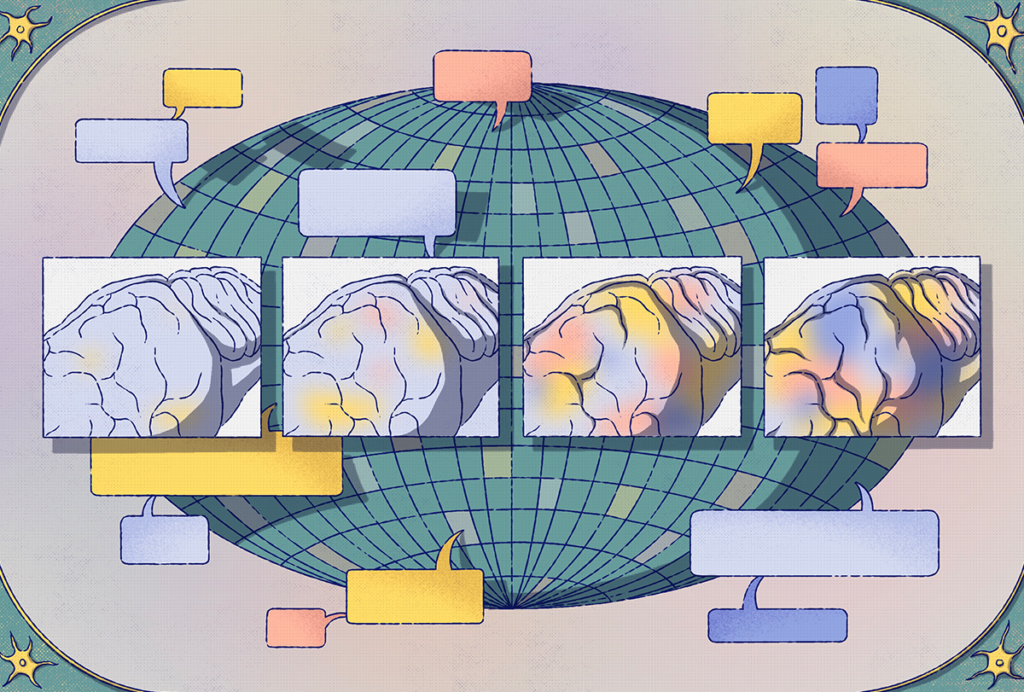
A community-designed experiment tests open questions in predictive processing
More than 50 scientists came together to identify the key missing data needed to rigorously test theoretical models.
A community-designed experiment tests open questions in predictive processing
More than 50 scientists came together to identify the key missing data needed to rigorously test theoretical models.
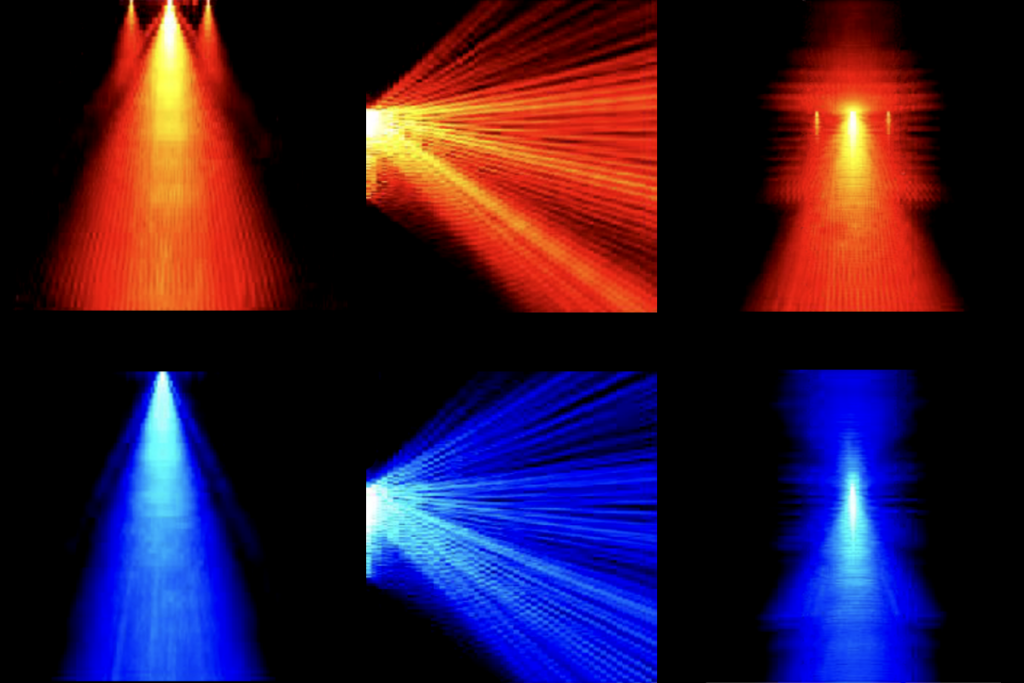
‘Perturb and record’ optogenetics probe aims precision spotlight at brain structures
The tool provides a new way to characterize cells and study neuronal circuits.
‘Perturb and record’ optogenetics probe aims precision spotlight at brain structures
The tool provides a new way to characterize cells and study neuronal circuits.
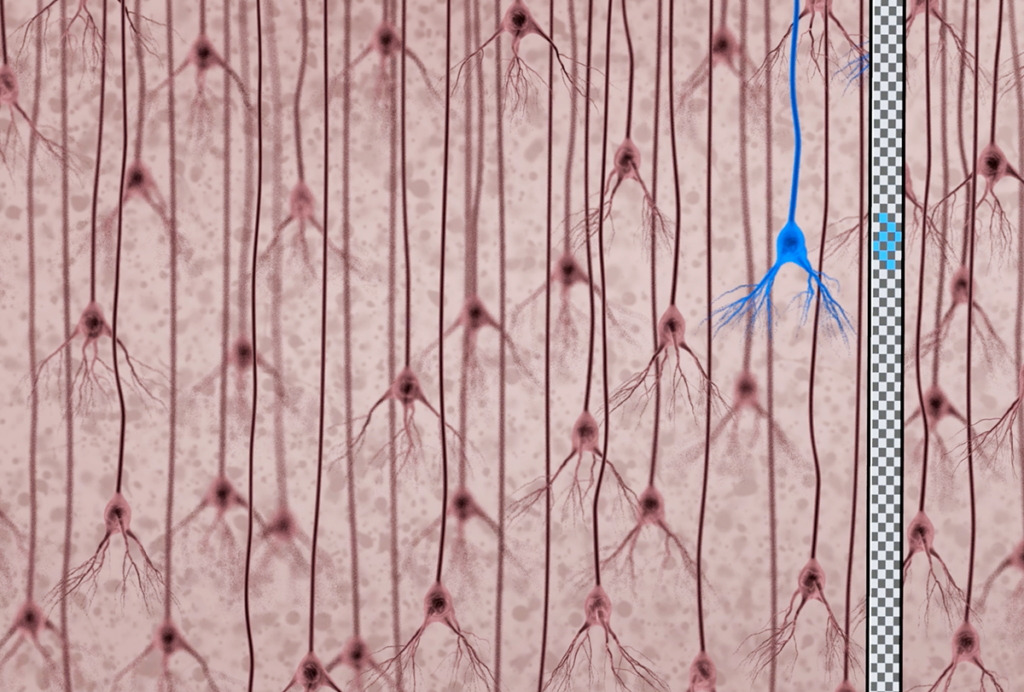
Tracking single neurons in the human brain reveals new insight into language and other human-specific functions
Better technologies to stably monitor cell populations over long periods of time make it possible to study neural coding and dynamics in the human brain.
Tracking single neurons in the human brain reveals new insight into language and other human-specific functions
Better technologies to stably monitor cell populations over long periods of time make it possible to study neural coding and dynamics in the human brain.
Explore more from The Transmitter
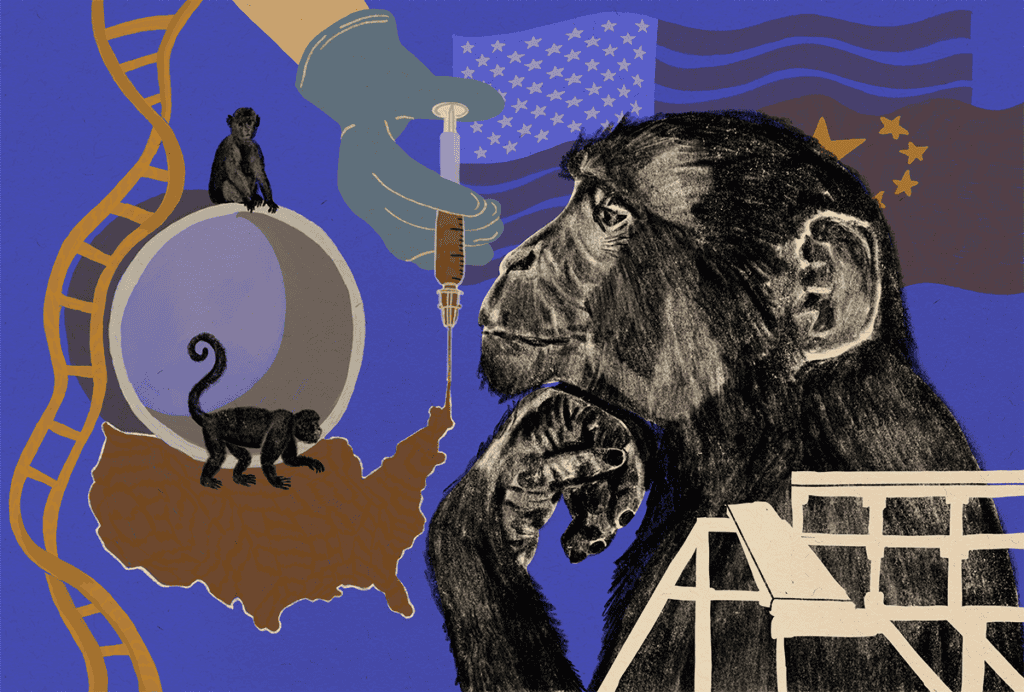
U.S. national primate research centers face an uncertain future
The facilities were meant to last 100 years. Four decades shy of that mark, amid flatlined funds and mounting political pressure, their directors are trying to find a path forward.
U.S. national primate research centers face an uncertain future
The facilities were meant to last 100 years. Four decades shy of that mark, amid flatlined funds and mounting political pressure, their directors are trying to find a path forward.
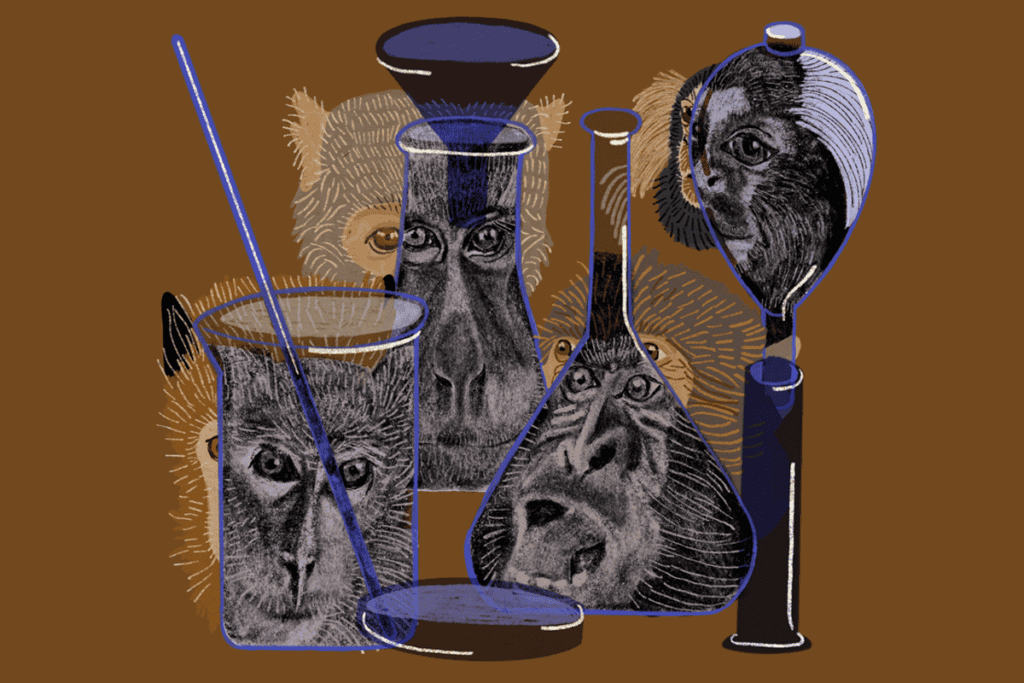
What if nonhuman primate research goes away?
As the U.S. government takes steps to stop using nonhuman primates in research, The Transmitter investigates what that shift could mean for neuroscience.
What if nonhuman primate research goes away?
As the U.S. government takes steps to stop using nonhuman primates in research, The Transmitter investigates what that shift could mean for neuroscience.
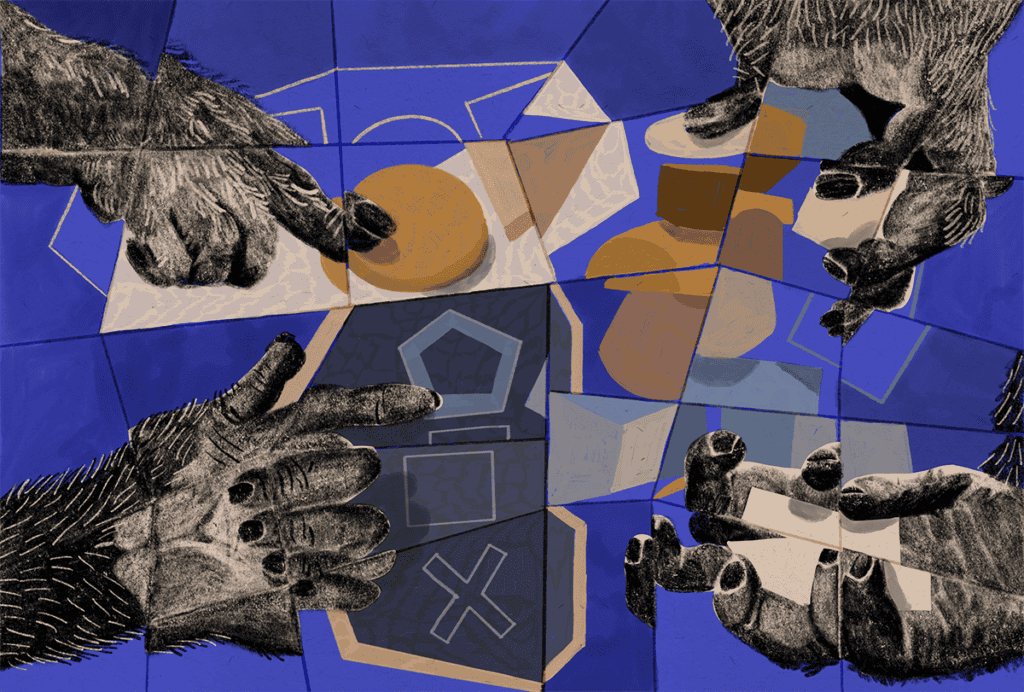
The neuroscience questions that need nonhuman primates
The Transmitter asked 17 neuroscientists what questions might remain unanswered if support for nonhuman primate research continues to decline.
The neuroscience questions that need nonhuman primates
The Transmitter asked 17 neuroscientists what questions might remain unanswered if support for nonhuman primate research continues to decline.