Postdoc perspectives
Recent articles
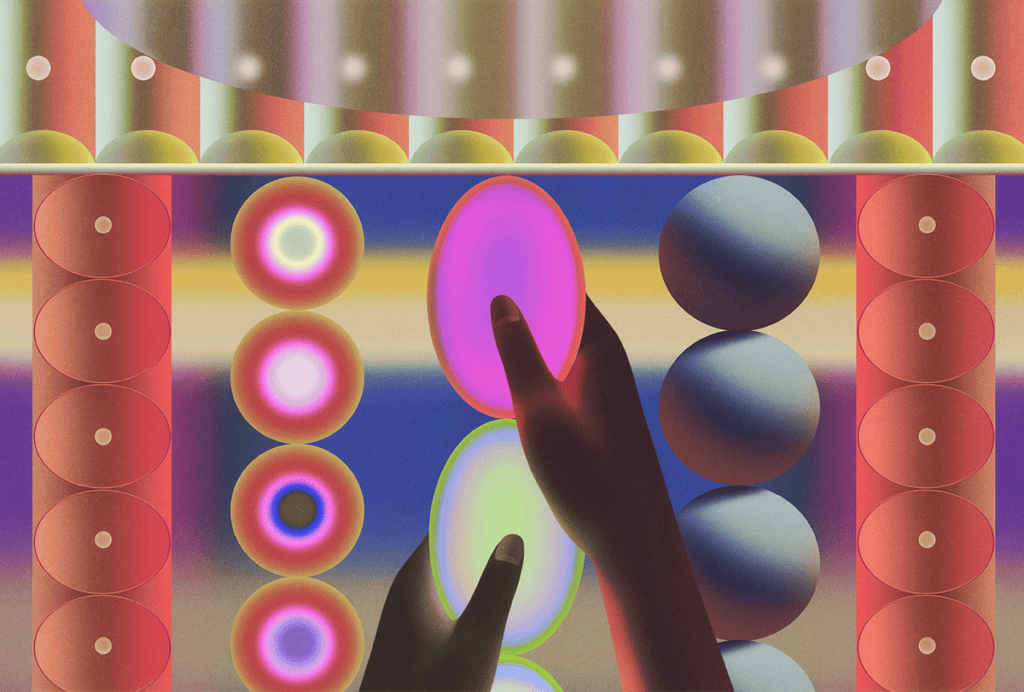
How new technologies can bring primatologists and systems neuroscientists together
The two groups study the same behavioral phenomena yet rarely interact or read each other's work—a mutual blind spot that weakens both fields. New technologies offer a chance to bring them together.
How new technologies can bring primatologists and systems neuroscientists together
The two groups study the same behavioral phenomena yet rarely interact or read each other's work—a mutual blind spot that weakens both fields. New technologies offer a chance to bring them together.
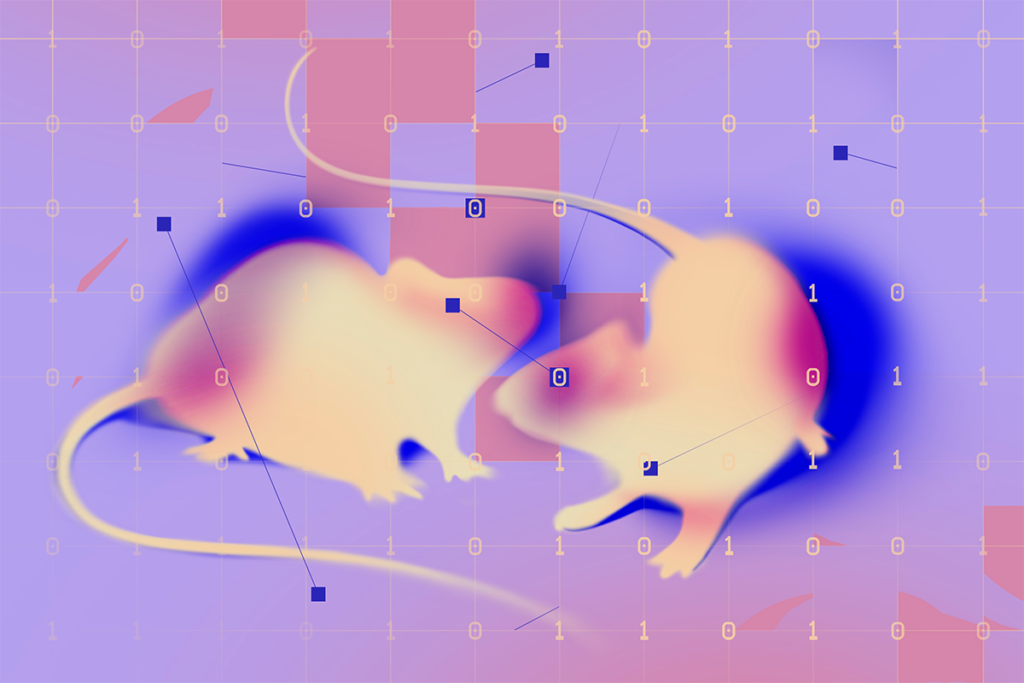
How artificial agents can help us understand social recognition
Neuroscience is chasing the complexity of social behavior, yet we have not answered the simplest question in the chain: How does a brain know “who is who”? Emerging multi-agent artificial intelligence may help accelerate our understanding of this fundamental computation.
How artificial agents can help us understand social recognition
Neuroscience is chasing the complexity of social behavior, yet we have not answered the simplest question in the chain: How does a brain know “who is who”? Emerging multi-agent artificial intelligence may help accelerate our understanding of this fundamental computation.
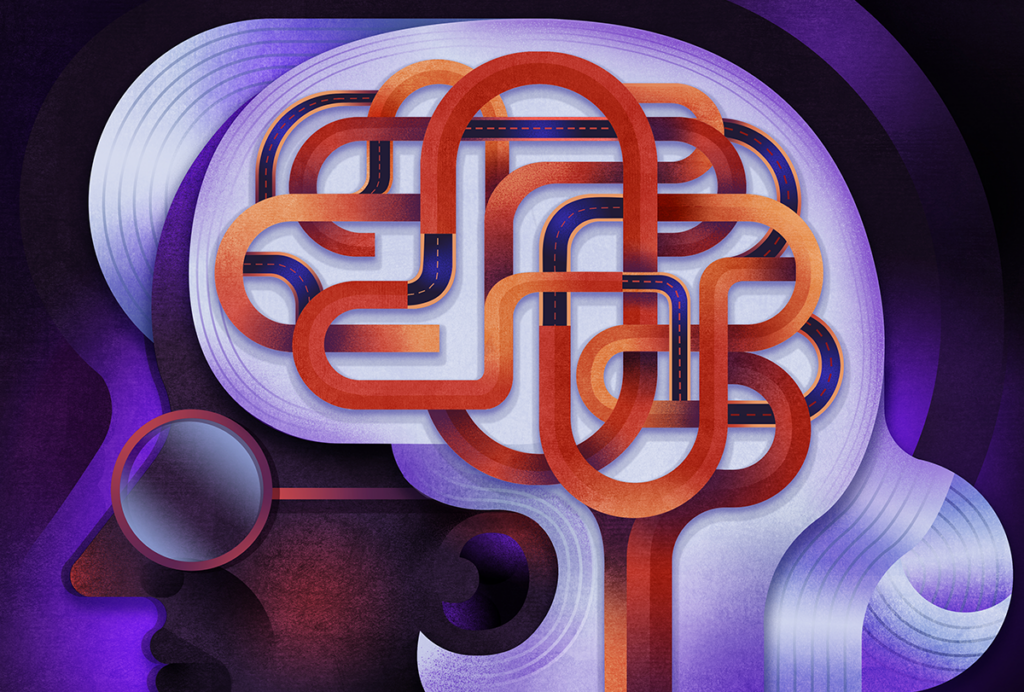
Aging as adaptation: Learning the brain’s recipe for resilience
Some age-related changes in the brain and in behavior are not solely the result of cognitive decline but rather part of a larger adaptive process.
Aging as adaptation: Learning the brain’s recipe for resilience
Some age-related changes in the brain and in behavior are not solely the result of cognitive decline but rather part of a larger adaptive process.
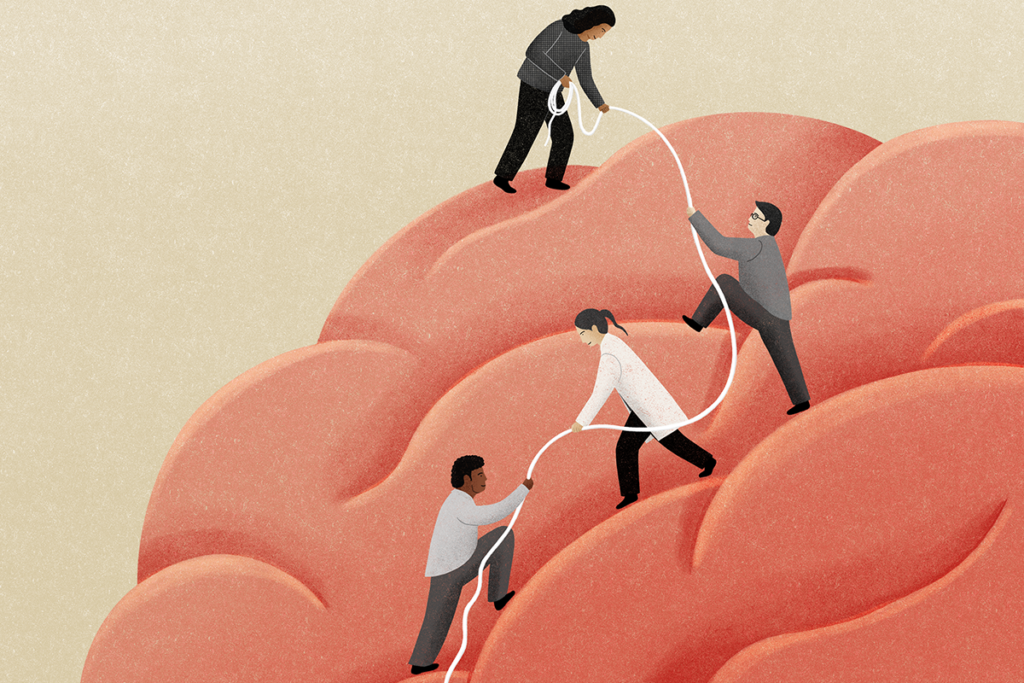
As federal funders desert mentorship programs for marginalized students, trainee-led initiatives fill the gap
Grassroots organizations, led by graduate students and postdoctoral researchers, are stepping up to provide neuroscience career training and guidance for students from marginalized backgrounds—and they need your support.
As federal funders desert mentorship programs for marginalized students, trainee-led initiatives fill the gap
Grassroots organizations, led by graduate students and postdoctoral researchers, are stepping up to provide neuroscience career training and guidance for students from marginalized backgrounds—and they need your support.
Explore more from The Transmitter
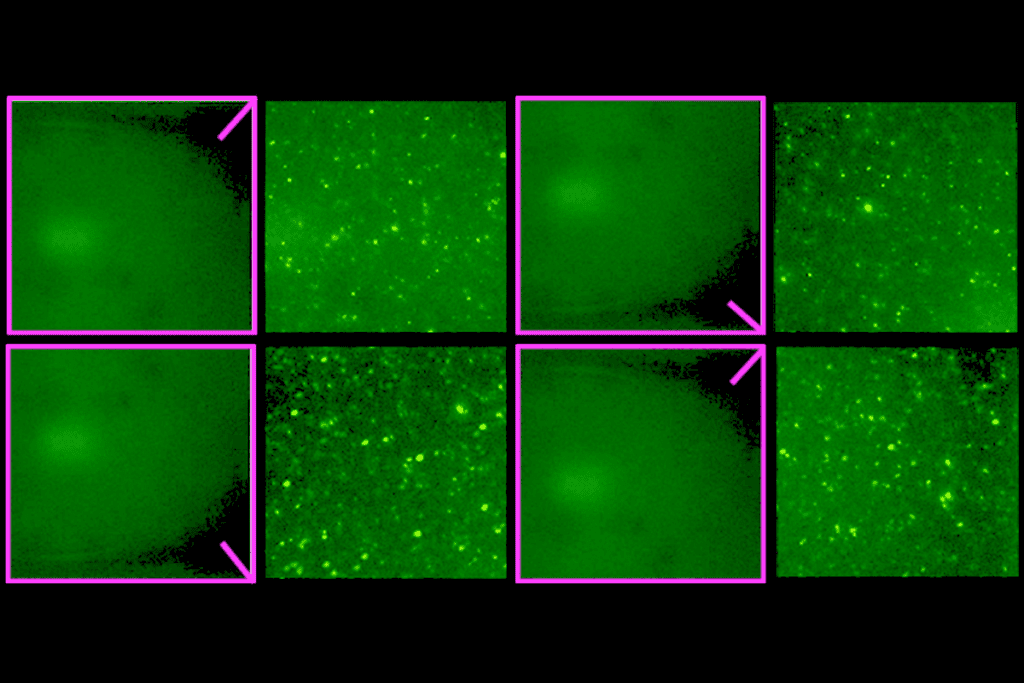
University probe leads to retraction of four neural tube studies
The University of Maryland conducted an internal investigation that identified image duplications and other data integrity issues in the studies, according to the retraction notices.
University probe leads to retraction of four neural tube studies
The University of Maryland conducted an internal investigation that identified image duplications and other data integrity issues in the studies, according to the retraction notices.

Highly cited autism paper earns expression of concern over data duplications
The notice, published in Nature last week, also addressed an image duplication identified by a prominent research-integrity sleuth.
Highly cited autism paper earns expression of concern over data duplications
The notice, published in Nature last week, also addressed an image duplication identified by a prominent research-integrity sleuth.
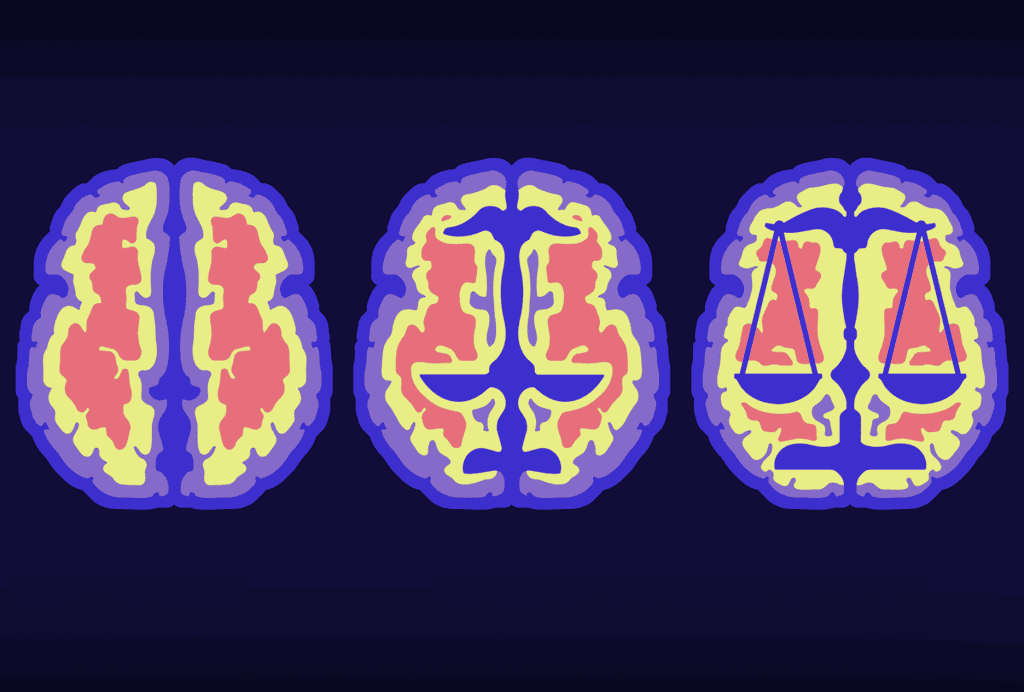
Govern neurodata by how it’s used, not where it’s from
New neurodata laws will shape how researchers gather, share and reuse brain data. A use-based governance protects basic researchers and those whose data are being used, without freezing science.
Govern neurodata by how it’s used, not where it’s from
New neurodata laws will shape how researchers gather, share and reuse brain data. A use-based governance protects basic researchers and those whose data are being used, without freezing science.