Spotted
Recent articles
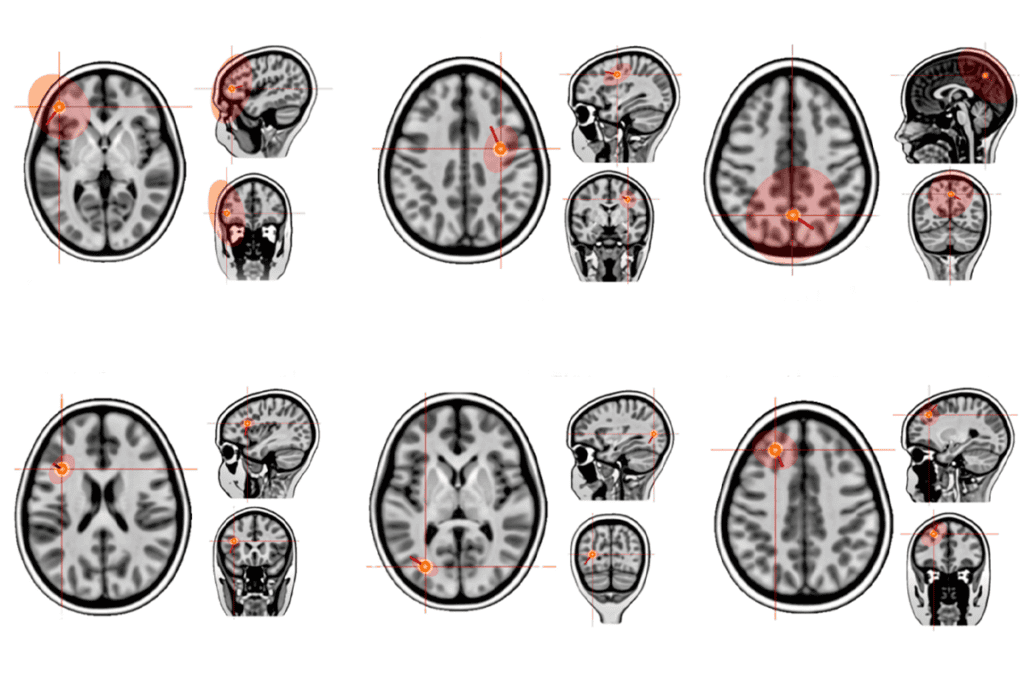
Language development during the first 1,000 days; and more
Here is a roundup of autism-related news and research spotted around the web for the week of 9 November.
Language development during the first 1,000 days; and more
Here is a roundup of autism-related news and research spotted around the web for the week of 9 November.
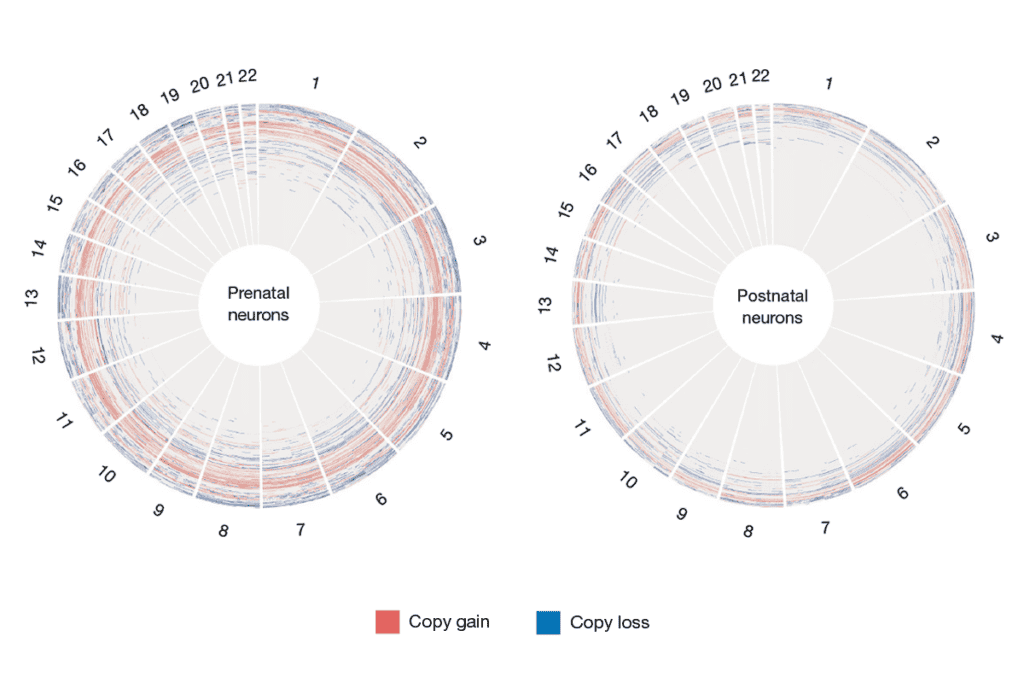
Prenatal pruning of neurons with copy number variants; and more
Here is a roundup of autism-related news and research spotted around the web for the week of 2 November.
Prenatal pruning of neurons with copy number variants; and more
Here is a roundup of autism-related news and research spotted around the web for the week of 2 November.
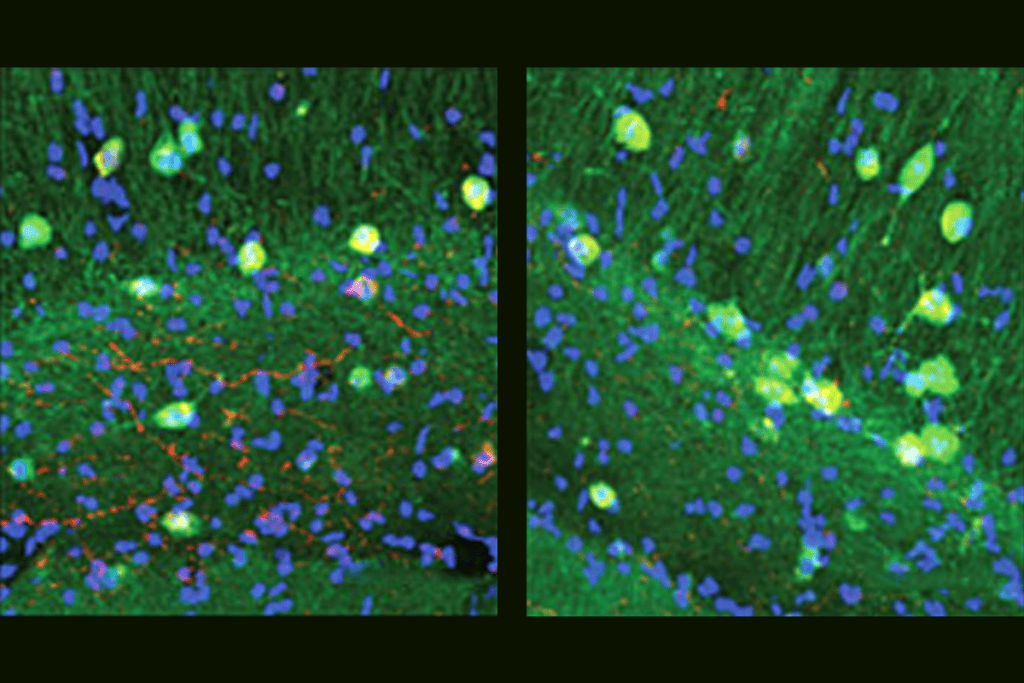
Behavioral phenomics in zebrafish; and more
Here is a roundup of autism-related news and research spotted around the web for the week of 26 October.
Behavioral phenomics in zebrafish; and more
Here is a roundup of autism-related news and research spotted around the web for the week of 26 October.
COVID-19 and influenza effects in pregnancy; and more
Here is a roundup of autism-related news and research spotted around the web for the week of 19 October.
COVID-19 and influenza effects in pregnancy; and more
Here is a roundup of autism-related news and research spotted around the web for the week of 19 October.
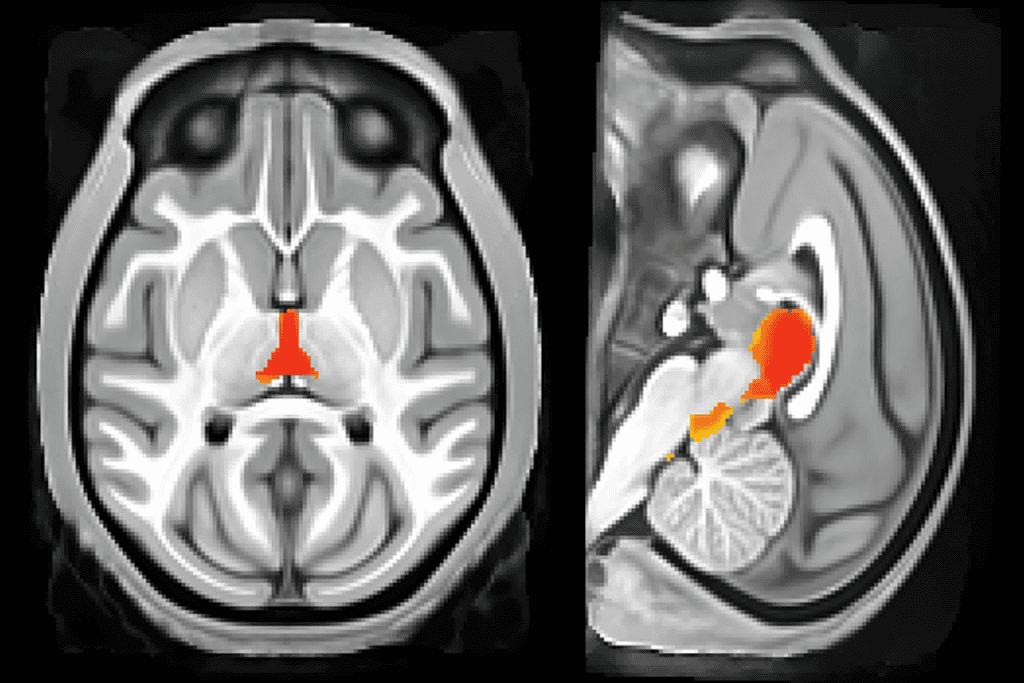
Acetaminophen effects on developing brain organoids; and more
Here is a roundup of autism-related news and research spotted around the web for the week of 12 October.
Acetaminophen effects on developing brain organoids; and more
Here is a roundup of autism-related news and research spotted around the web for the week of 12 October.
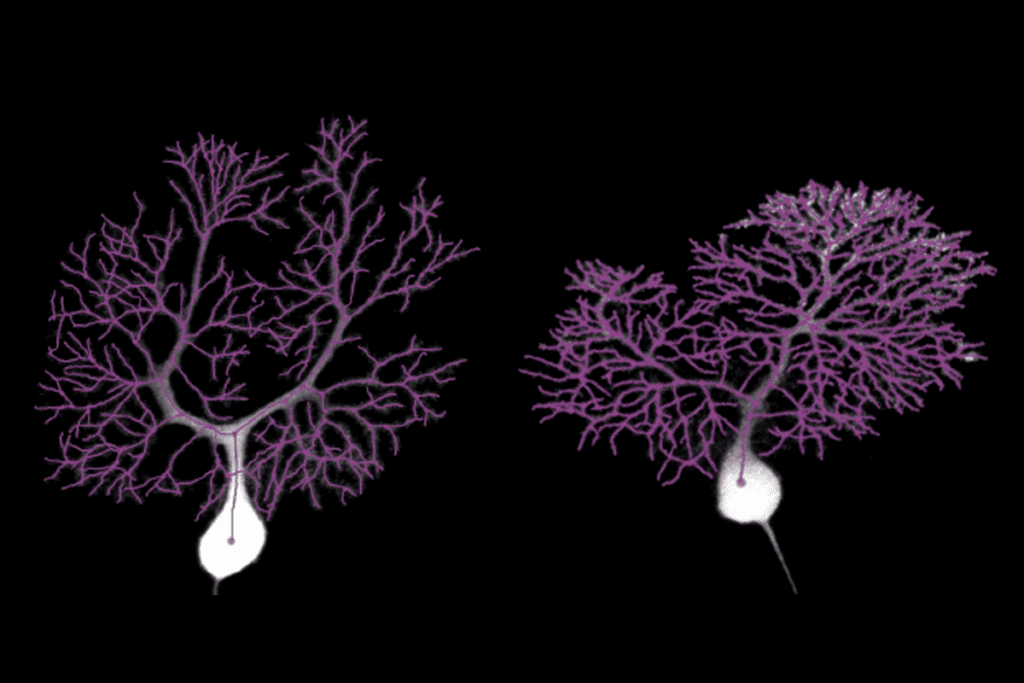
Aging biomarkers in autism; and more
Here is a roundup of autism-related news and research spotted around the web for the week of 5 October.
Aging biomarkers in autism; and more
Here is a roundup of autism-related news and research spotted around the web for the week of 5 October.
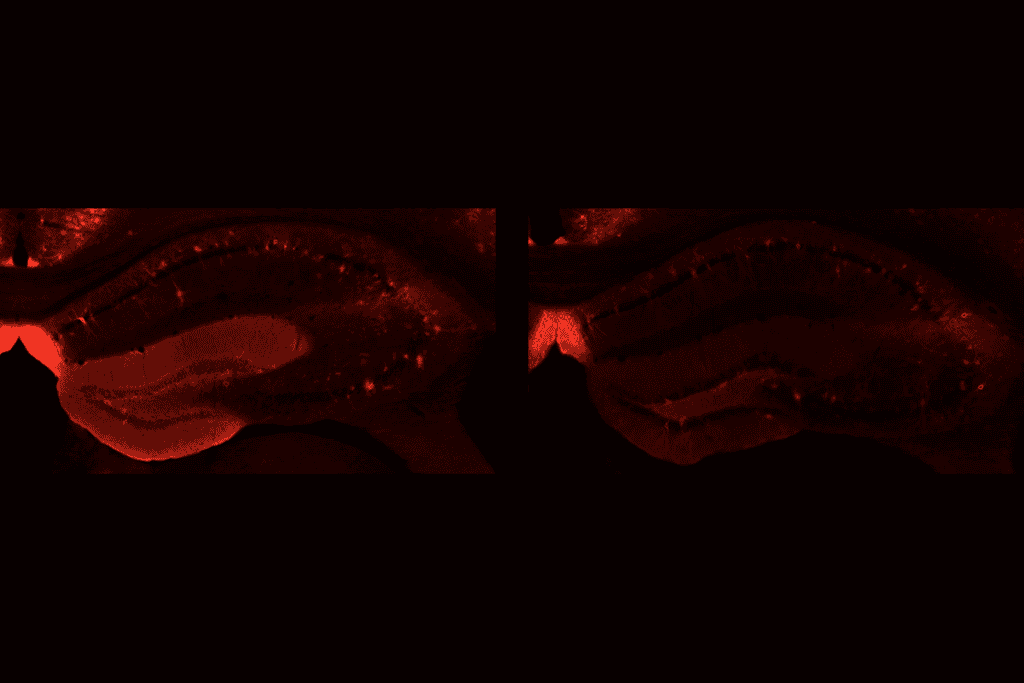
Organoids missing the TSC2 gene form rogue astrocytes; and more
Here is a roundup of autism-related news and research spotted around the web for the week of 28 September.
Organoids missing the TSC2 gene form rogue astrocytes; and more
Here is a roundup of autism-related news and research spotted around the web for the week of 28 September.
Two populations of neurons, two effects on sociability; and more
Here is a roundup of autism-related news and research spotted around the web for the week of 21 September.
Two populations of neurons, two effects on sociability; and more
Here is a roundup of autism-related news and research spotted around the web for the week of 21 September.
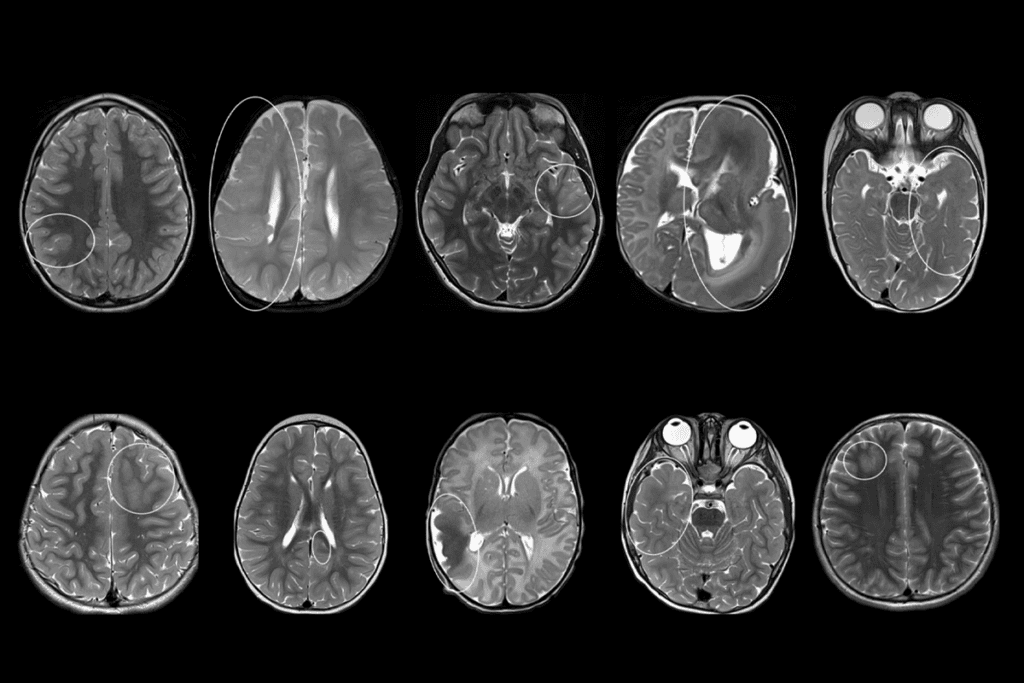
Additional data suggest changes in diagnostics underlie increases in autism diagnoses, and more
Here is a roundup of autism-related news and research spotted around the web for the week of 14 September.
Additional data suggest changes in diagnostics underlie increases in autism diagnoses, and more
Here is a roundup of autism-related news and research spotted around the web for the week of 14 September.
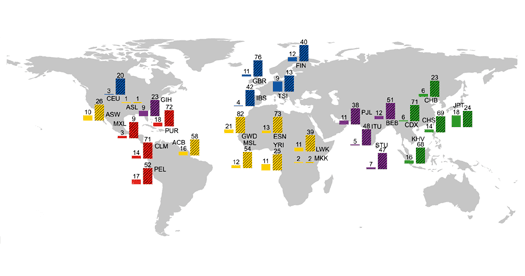
New methods to contextualize autism-linked genes, and more
Here is a roundup of autism-related news and research spotted around the web for the week of 7 September.
New methods to contextualize autism-linked genes, and more
Here is a roundup of autism-related news and research spotted around the web for the week of 7 September.
Explore more from The Transmitter
What ‘Brain Flows’ gets right
Michael W. Cole’s new book makes a convincing case that the dynamic movement of signals underpins just about everything the brain does, though it misses mention of relevant theoretical and single-cell work.
What ‘Brain Flows’ gets right
Michael W. Cole’s new book makes a convincing case that the dynamic movement of signals underpins just about everything the brain does, though it misses mention of relevant theoretical and single-cell work.

Amid funding uncertainty, graduate neuroscience programs in the U.S. adapt
The Transmitter surveyed 50 graduate program directors to learn how they’re faring. Securing labs for new students is one of the greatest concerns.
Amid funding uncertainty, graduate neuroscience programs in the U.S. adapt
The Transmitter surveyed 50 graduate program directors to learn how they’re faring. Securing labs for new students is one of the greatest concerns.

The changing nature of the neuroscience Ph.D.
The best science can only be sustained by a steady influx of early-stage scientists and the innovative ideas they bring, says Diane Lipscombe. She reflects on the loss of international students, the value of training grants, and the challenges that lie ahead for graduate education.