Trends
Recent articles
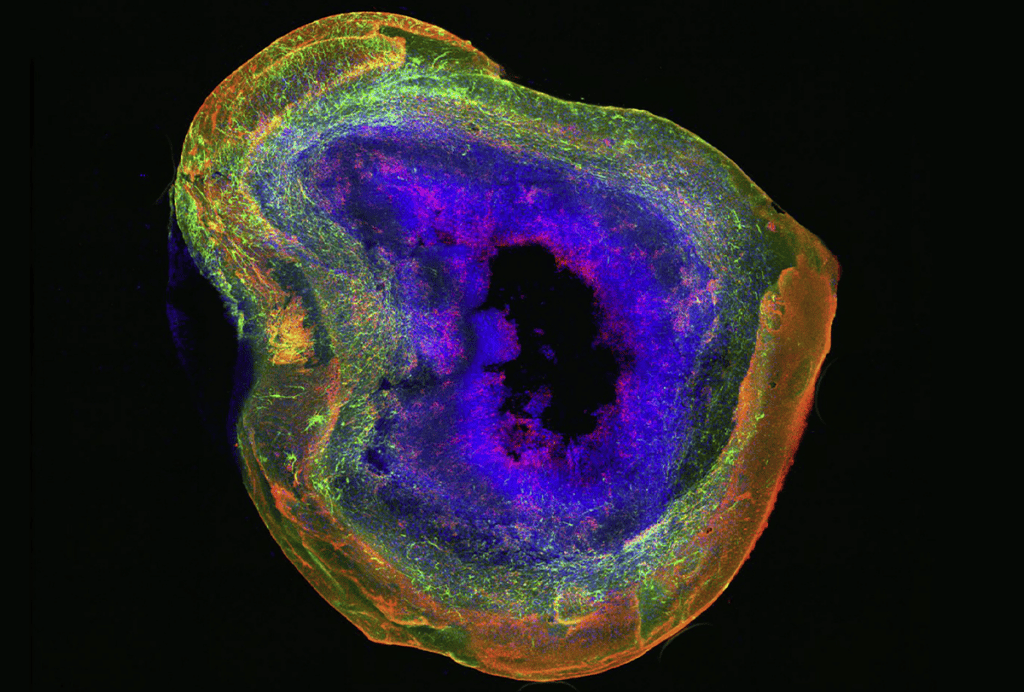
Human brain organoids come of age—but still have room to grow
The U.S. government has touted organoids as an alternative to animals for studying the brain. The model has improved since its debut in 2013, but scientists are still working to overcome key limitations: immaturity, consistency and the lack of vascularization.
Finding neuroheterogeneity’s sweet spot
Once thought to be detrimental to memory processing, neuronal diversity—at the right ‘Goldilocks’ dose—is a new boon to theoretical neuroscience.
Finding neuroheterogeneity’s sweet spot
Once thought to be detrimental to memory processing, neuronal diversity—at the right ‘Goldilocks’ dose—is a new boon to theoretical neuroscience.
The neuroscience questions that need nonhuman primates
The Transmitter asked 17 neuroscientists what questions might remain unanswered if support for nonhuman primate research continues to decline.
The neuroscience questions that need nonhuman primates
The Transmitter asked 17 neuroscientists what questions might remain unanswered if support for nonhuman primate research continues to decline.
Autism research hits the road
Some scientists are thinking creatively about how to collect data in flexible environments and meet communities where they’re at.
Autism research hits the road
Some scientists are thinking creatively about how to collect data in flexible environments and meet communities where they’re at.
Explore more from The Transmitter
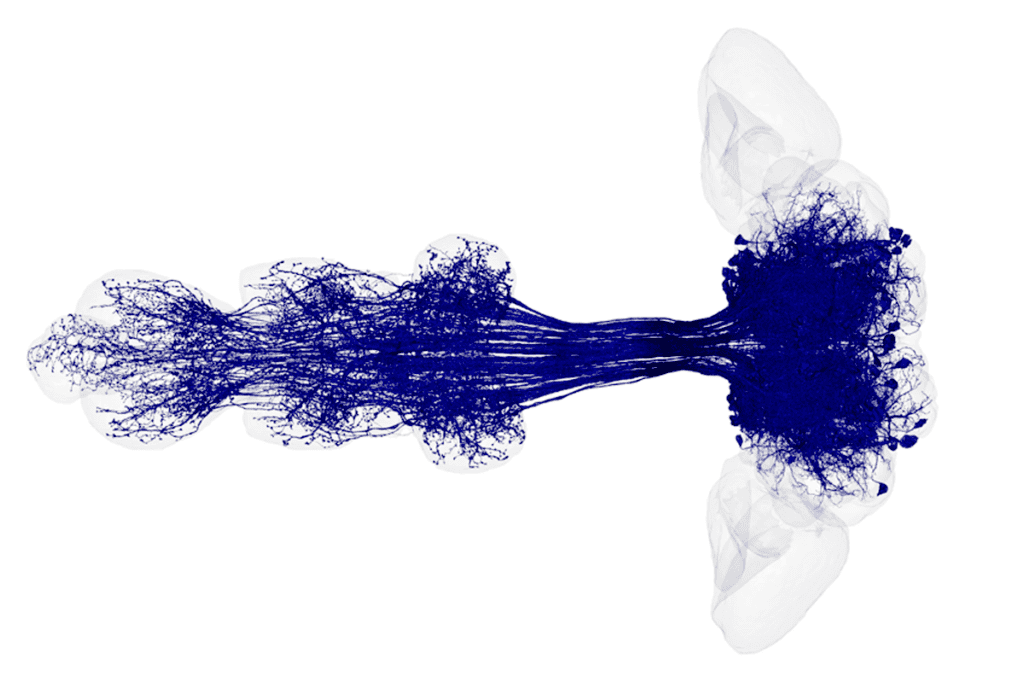
Fly taste connectome traces paths from sensation to action
The map—the first of its kind for an animal more complex than Caenorhabditis elegans—gives neuroscientists a trove of testable hypotheses about how neuronal circuits guide feeding behaviors.
Fly taste connectome traces paths from sensation to action
The map—the first of its kind for an animal more complex than Caenorhabditis elegans—gives neuroscientists a trove of testable hypotheses about how neuronal circuits guide feeding behaviors.
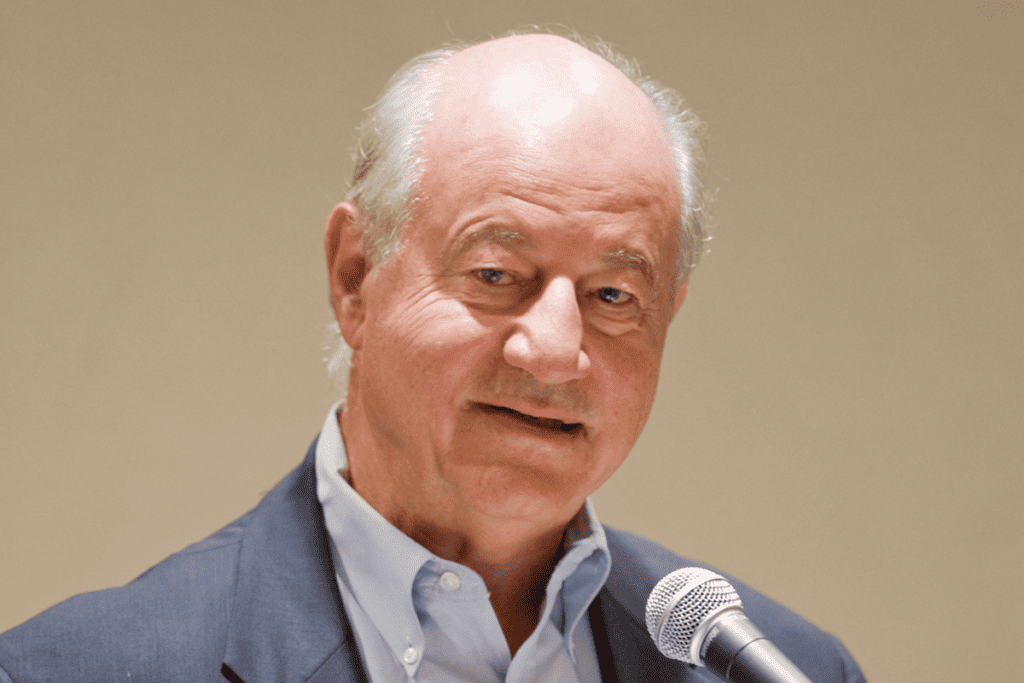
Remembering Gerry Fischbach, ‘orchestra conductor’ who brought scientists together
Fischbach, who died 25 October, elucidated the dynamic changes in neuromuscular junctions. Beyond the lab, he shaped careers, academic departments and scientific societies.
Remembering Gerry Fischbach, ‘orchestra conductor’ who brought scientists together
Fischbach, who died 25 October, elucidated the dynamic changes in neuromuscular junctions. Beyond the lab, he shaped careers, academic departments and scientific societies.
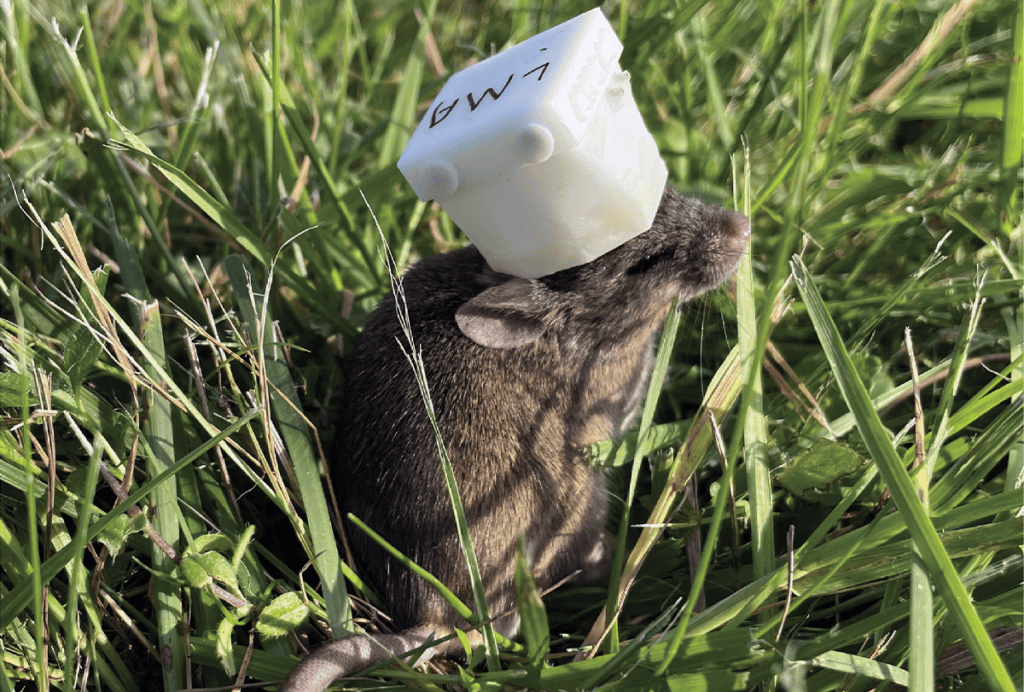
WILD platform levels up ability to record brain activity, behavior in nature
The customizable rig combines multimodal recording, onboard processing and neuronal manipulation to power more complex experiments.
WILD platform levels up ability to record brain activity, behavior in nature
The customizable rig combines multimodal recording, onboard processing and neuronal manipulation to power more complex experiments.