Behavioral neuroscience
Recent articles
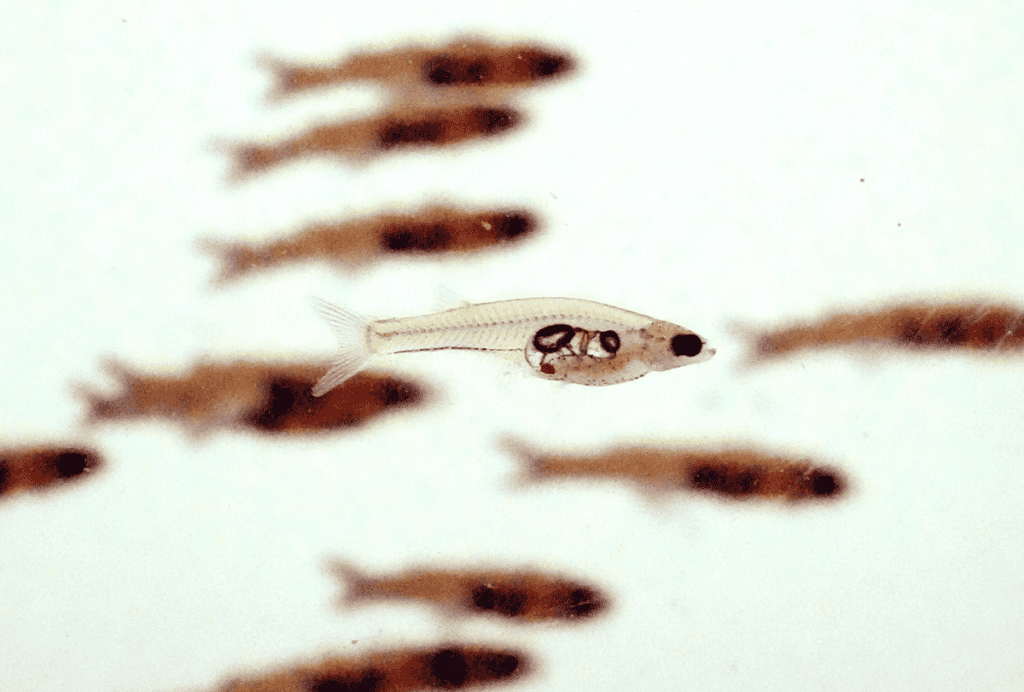
Fish brains follow swimming friends to avoid foes
A subset of neurons in glassfish activate when the animals see others escape, new research shows, offering clues for how collective behaviors emerge from individual neural activity.
Fish brains follow swimming friends to avoid foes
A subset of neurons in glassfish activate when the animals see others escape, new research shows, offering clues for how collective behaviors emerge from individual neural activity.

What to do when traditional mechanistic approaches no longer work
Many complex behaviors have stubbornly resisted mechanistic explanations. Deciphering them will require new approaches—and perhaps a new concept of “understanding.”
What to do when traditional mechanistic approaches no longer work
Many complex behaviors have stubbornly resisted mechanistic explanations. Deciphering them will require new approaches—and perhaps a new concept of “understanding.”
Neuromechanical models deepen our understanding of animal motor control
Thanks to recent progress in physics-based simulators and robotics, it has never been easier for neuroscientists to use neuromechanical modeling to test hypotheses about animal movement.
Neuromechanical models deepen our understanding of animal motor control
Thanks to recent progress in physics-based simulators and robotics, it has never been easier for neuroscientists to use neuromechanical modeling to test hypotheses about animal movement.
Revealing how crabs make their escape
Houdini-like Neohelice granulata offers a rare opportunity to record intracellularly from awake, behaving animals.
Revealing how crabs make their escape
Houdini-like Neohelice granulata offers a rare opportunity to record intracellularly from awake, behaving animals.
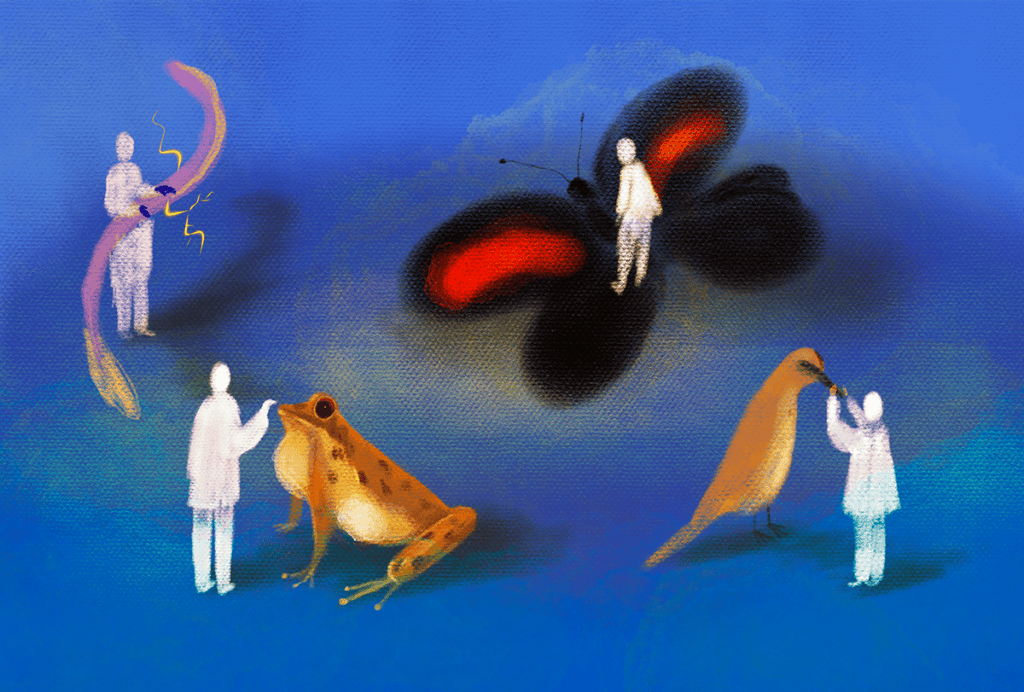
La biodiversidad de Latinoamérica impulsa avances en comportamiento social y cognición
Horneros, peces eléctricos, ranitas y otra fauna regional ayudan a los neurocientíficos a plantear nuevas preguntas de investigación en el campo.
La biodiversidad de Latinoamérica impulsa avances en comportamiento social y cognición
Horneros, peces eléctricos, ranitas y otra fauna regional ayudan a los neurocientíficos a plantear nuevas preguntas de investigación en el campo.
Descobrindo como as borboletas escolhem seus parceiros
As borboletas do gênero Heliconius permitem investigar os circuitos neurais e os genes envolvidos na preferência pela cor dos parceiros.
Descobrindo como as borboletas escolhem seus parceiros
As borboletas do gênero Heliconius permitem investigar os circuitos neurais e os genes envolvidos na preferência pela cor dos parceiros.
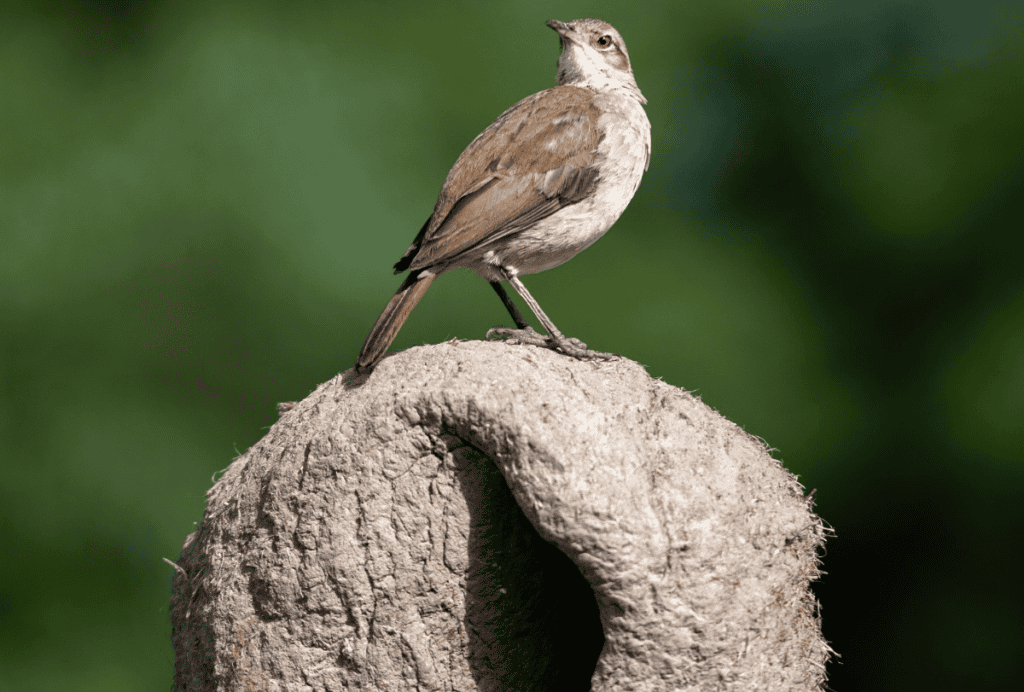
Identificando o que torna o canto de uma ave único
As oscinas e as suboscinas, duas linhagens de aves evolutivamente próximas, aprendem e não aprendem a cantar, respectivamente, ajudando os cientistas a desvendar os correlatos neuronais da aprendizagem e da variabilidade vocal.
Identificando o que torna o canto de uma ave único
As oscinas e as suboscinas, duas linhagens de aves evolutivamente próximas, aprendem e não aprendem a cantar, respectivamente, ajudando os cientistas a desvendar os correlatos neuronais da aprendizagem e da variabilidade vocal.
Qué hace único al canto de un ave
Los oscinos y los suboscinos son dos linajes de aves evolutivamente cercanos, pero solo uno de ellos aprende a cantar. Esa diferencia les permite a los científicos rastrear las bases neuronales del aprendizaje vocal.
Qué hace único al canto de un ave
Los oscinos y los suboscinos son dos linajes de aves evolutivamente cercanos, pero solo uno de ellos aprende a cantar. Esa diferencia les permite a los científicos rastrear las bases neuronales del aprendizaje vocal.
Revelando como os caranguejos conseguem escapar
Os Neohelice granulata, verdadeiros Houdinis, oferecem uma rara oportunidade de realizar registros intracelulares em animais acordados e em movimento.
Revelando como os caranguejos conseguem escapar
Os Neohelice granulata, verdadeiros Houdinis, oferecem uma rara oportunidade de realizar registros intracelulares em animais acordados e em movimento.
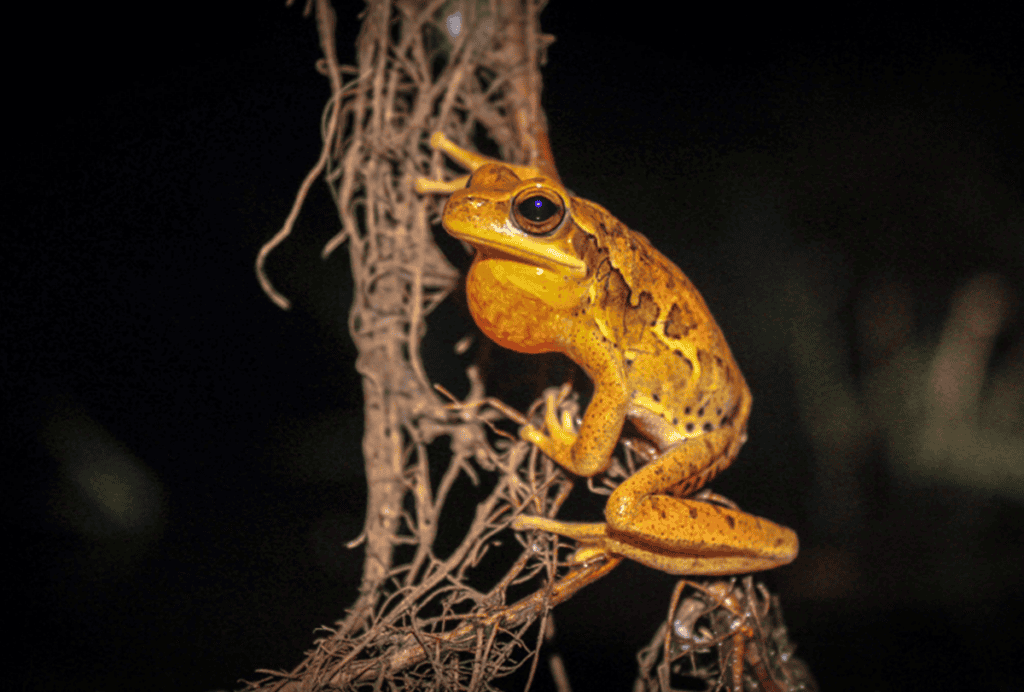
Cómo los neuropéptidos afectan el canto de la ranita de zarzal
Según una investigación uruguaya, los neuropéptidos modulan el “canto de amor” de la ranita de zarzal.
Cómo los neuropéptidos afectan el canto de la ranita de zarzal
Según una investigación uruguaya, los neuropéptidos modulan el “canto de amor” de la ranita de zarzal.
Explore more from The Transmitter
What do astrocytes do, and how can they be modeled?
Marja-Leena Linne discusses the emerging field of computational glioscience and describes how to model astrocytes’ effects on neuronal dynamics.
What do astrocytes do, and how can they be modeled?
Marja-Leena Linne discusses the emerging field of computational glioscience and describes how to model astrocytes’ effects on neuronal dynamics.
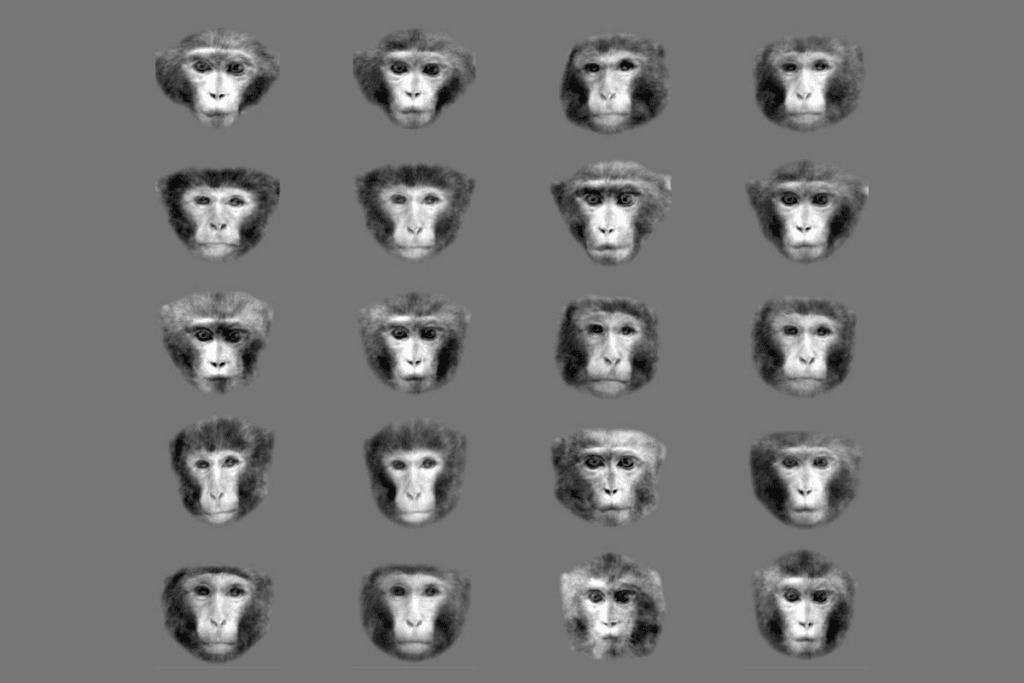
Cortical activity toggles between seen, unseen images
Awareness of an image doesn’t always coincide with the brain activity that tracks it, according to a new preprint that study investigator Doris Tsao says marks a step toward identifying the neural correlates of consciousness.
Cortical activity toggles between seen, unseen images
Awareness of an image doesn’t always coincide with the brain activity that tracks it, according to a new preprint that study investigator Doris Tsao says marks a step toward identifying the neural correlates of consciousness.
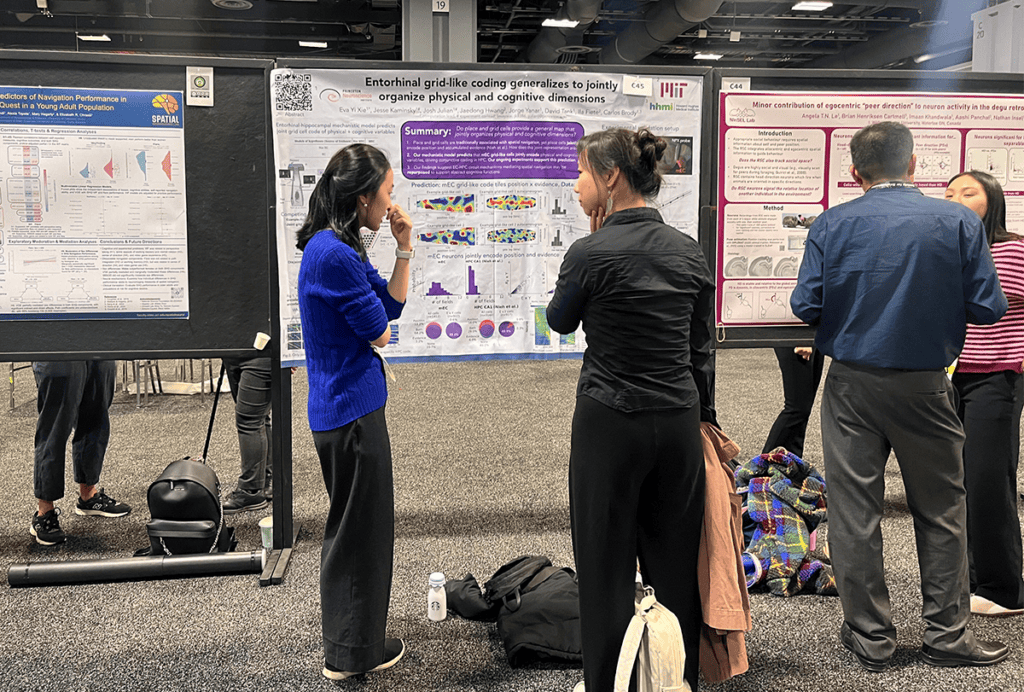
Detained neuroscientist ‘holding out strong’
Princeton University graduate student Eva Yi Xie has been held in U.S. Immigration and Customs Enforcement custody since Thursday but remains in good spirits, according to friends and colleagues who have spoken with her on video calls.
Detained neuroscientist ‘holding out strong’
Princeton University graduate student Eva Yi Xie has been held in U.S. Immigration and Customs Enforcement custody since Thursday but remains in good spirits, according to friends and colleagues who have spoken with her on video calls.