Andreea Jurj
From this contributor

Neuroscience gave AI its start. What happens now?
David Sussillo maps the two fields' divergent paths, and where they might still meet.
Neuroscience gave AI its start. What happens now?
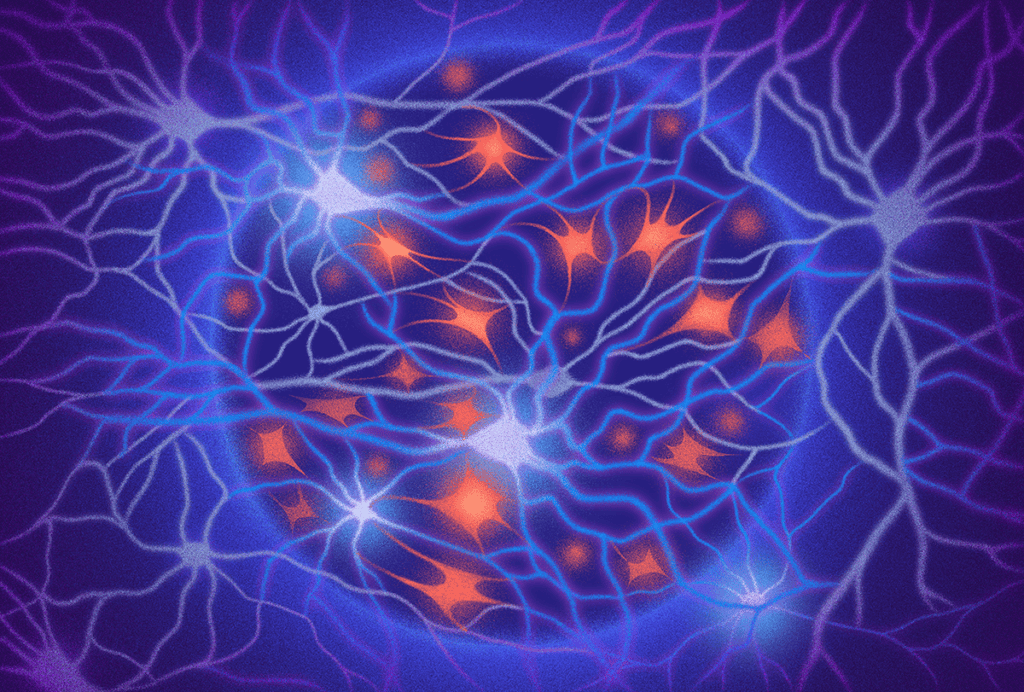
Are parts of the memory trace found in the ‘astroengram?’
Neurons have long taken top billing in memory, but researchers are making the case for astrocytes.
Are parts of the memory trace found in the ‘astroengram?’
Models at the speed of thought: How AI coding is reshaping theoretical neuroscience
Agentic coding makes it possible to specify a neuroscience model in hours instead of months. Seven neuroscientists weigh in on what that tectonic change may bring to the field.
Models at the speed of thought: How AI coding is reshaping theoretical neuroscience
Explore more from The Transmitter
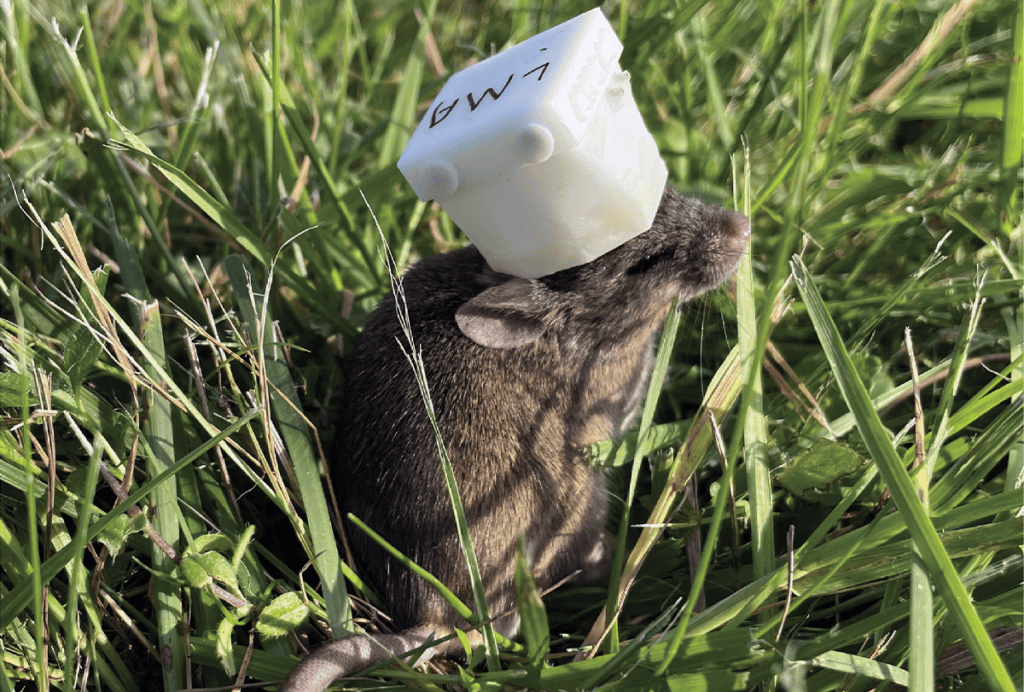
WILD platform levels up ability to record brain activity, behavior in nature
The customizable rig combines multimodal recording, onboard processing and neuronal manipulation to power more complex experiments.
WILD platform levels up ability to record brain activity, behavior in nature
The customizable rig combines multimodal recording, onboard processing and neuronal manipulation to power more complex experiments.
The relationship between structure and function in cortical networks
Michael Reimann explains how the shape of neurons puts strong constraints on how they are wired in a network, and how this affects their structure-function relationships.
The relationship between structure and function in cortical networks
Michael Reimann explains how the shape of neurons puts strong constraints on how they are wired in a network, and how this affects their structure-function relationships.
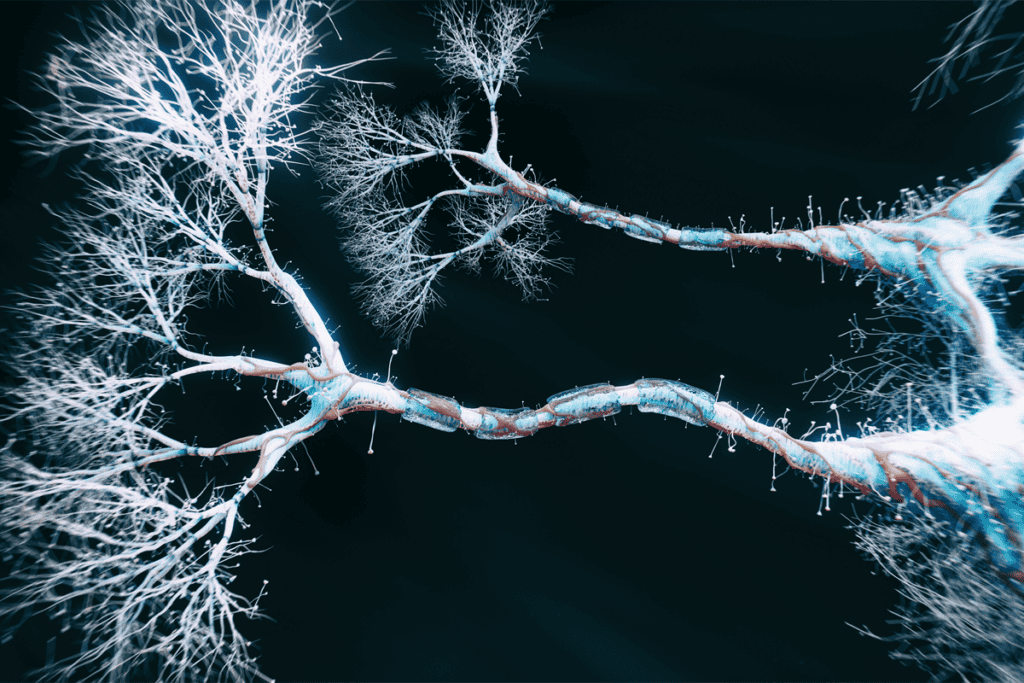
How brains prevent ‘catastrophic forgetting’
Dendrite-specific inhibition lets overlapping neuronal assemblies form across brain areas without erasing existing memories, a new modeling study suggests.
How brains prevent ‘catastrophic forgetting’
Dendrite-specific inhibition lets overlapping neuronal assemblies form across brain areas without erasing existing memories, a new modeling study suggests.