Frontiers in human neurotechnology
Recent articles
This series of essays explores new technologies that offer a window into the human brain.
‘Neuroethics: The Implications of Mapping and Changing the Brain,’ an excerpt
In his new book, published today, philosopher Walter Glannon examines the ethics of six areas of neuroscience. In Chapter 4, a portion of which appears below, he tackles the ethical considerations of using brain organoids in research.
‘Neuroethics: The Implications of Mapping and Changing the Brain,’ an excerpt
In his new book, published today, philosopher Walter Glannon examines the ethics of six areas of neuroscience. In Chapter 4, a portion of which appears below, he tackles the ethical considerations of using brain organoids in research.
Why the 21st-century neuroscientist needs to be neuroethically engaged
Technological advances in decoding brain activity and in growing human brain cells raise new ethical issues. Here is a framework to help researchers navigate them.
Why the 21st-century neuroscientist needs to be neuroethically engaged
Technological advances in decoding brain activity and in growing human brain cells raise new ethical issues. Here is a framework to help researchers navigate them.
Thinking about thinking: AI offers theoretical insights into human memory
We need a new conceptual framework for understanding cognitive functions—particularly how globally distributed brain states are formed and maintained for hours.
Thinking about thinking: AI offers theoretical insights into human memory
We need a new conceptual framework for understanding cognitive functions—particularly how globally distributed brain states are formed and maintained for hours.
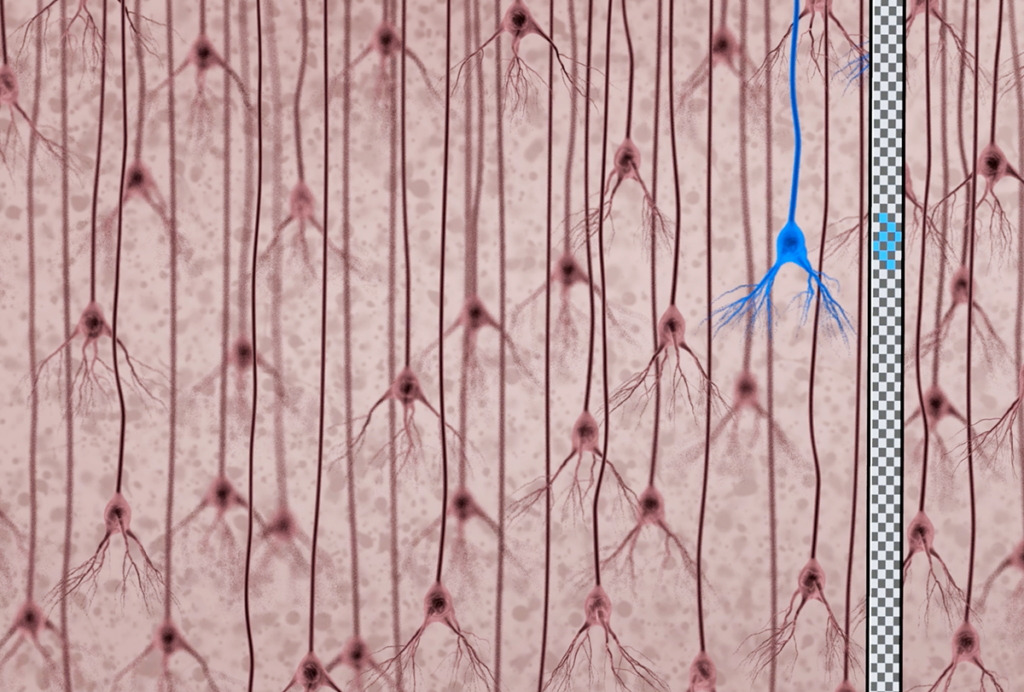
Tracking single neurons in the human brain reveals new insight into language and other human-specific functions
Better technologies to stably monitor cell populations over long periods of time make it possible to study neural coding and dynamics in the human brain.
Tracking single neurons in the human brain reveals new insight into language and other human-specific functions
Better technologies to stably monitor cell populations over long periods of time make it possible to study neural coding and dynamics in the human brain.
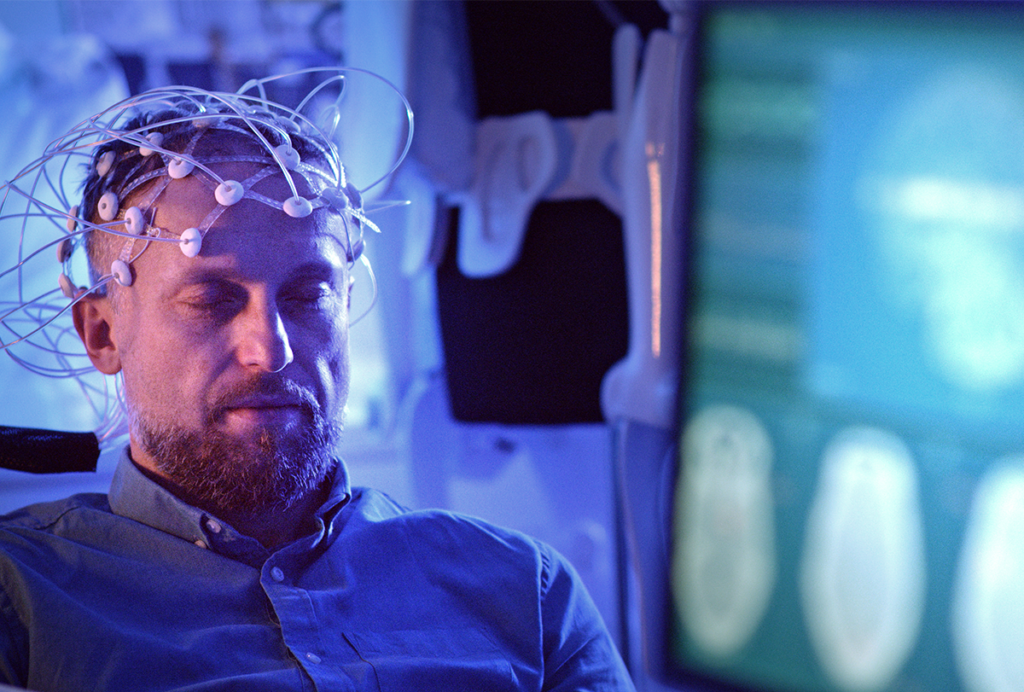
Noninvasive technologies can map and target human brain with unprecedented precision
But to fully grasp the tools’ potential, we need to better understand how electric and magnetic fields interact with the brain.
Noninvasive technologies can map and target human brain with unprecedented precision
But to fully grasp the tools’ potential, we need to better understand how electric and magnetic fields interact with the brain.
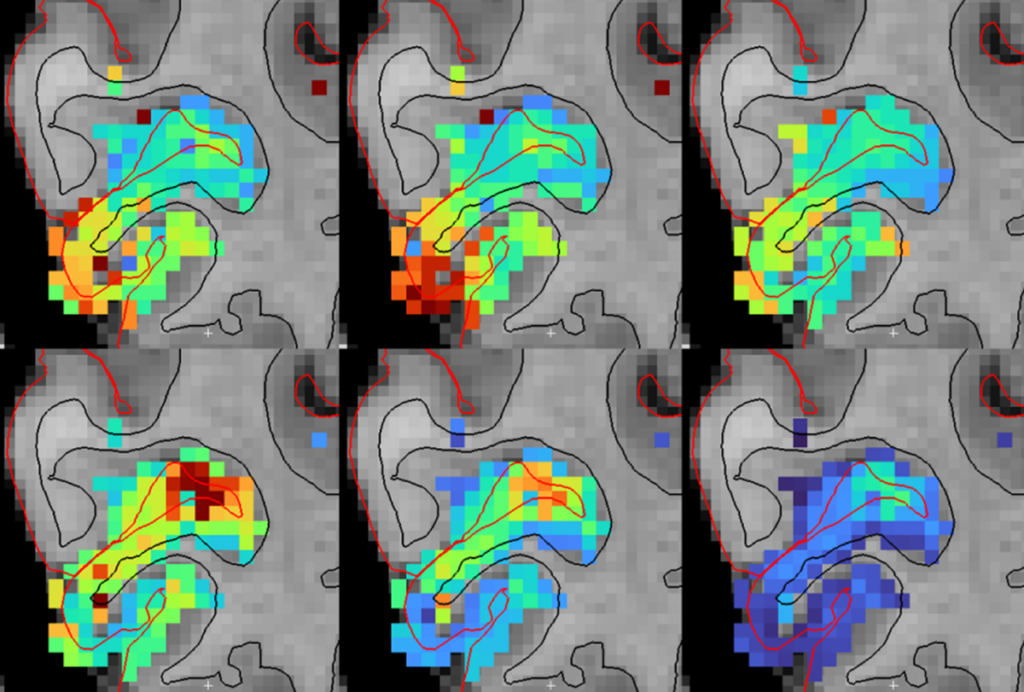
Functional MRI can do more than you think
Recent technological advances provide a range of new and different information about brain physiology. But taking full advantage of these gains depends on collaboration between engineers and neuroscientists.
Functional MRI can do more than you think
Recent technological advances provide a range of new and different information about brain physiology. But taking full advantage of these gains depends on collaboration between engineers and neuroscientists.
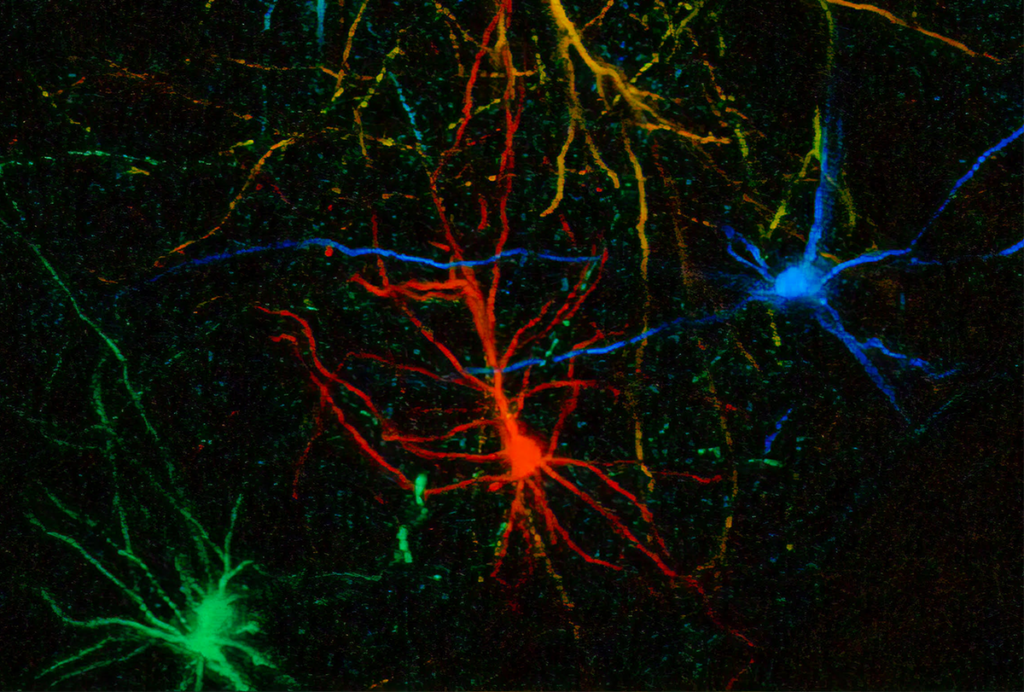
In vivo veritas: Xenotransplantation can help us study the development and function of human neurons in a living brain
Transplanted cells offer insight into human-specific properties, such as a lengthy cortical development and sensitivity to neurodevelopmental and neurodegenerative disease.
In vivo veritas: Xenotransplantation can help us study the development and function of human neurons in a living brain
Transplanted cells offer insight into human-specific properties, such as a lengthy cortical development and sensitivity to neurodevelopmental and neurodegenerative disease.
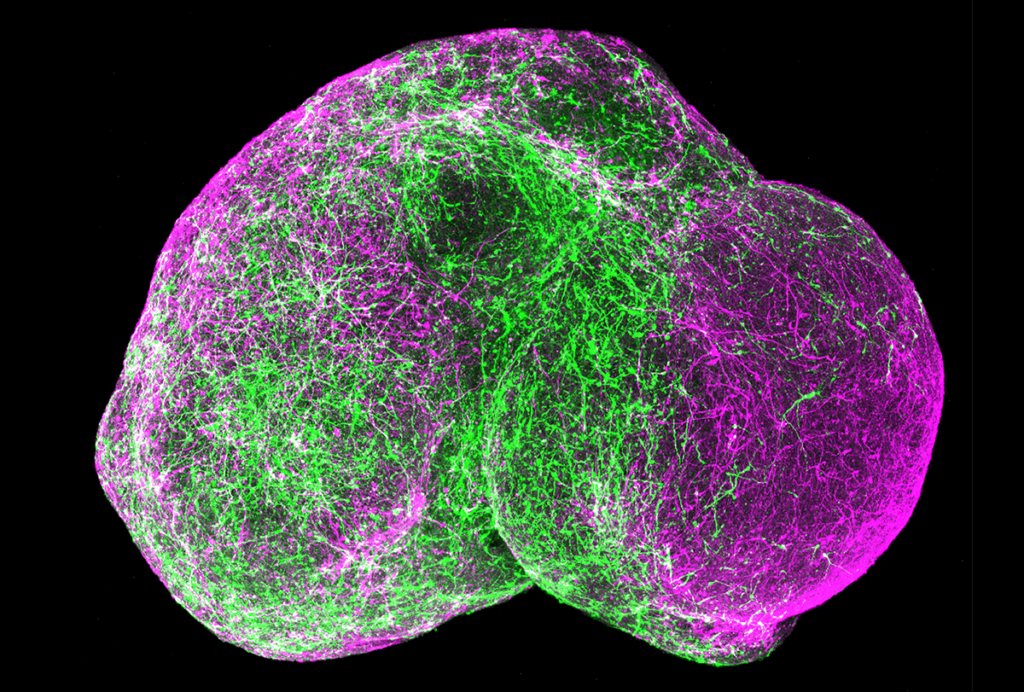
Organoids and assembloids offer a new window into human brain
These sophisticated 3D cultures reveal previously inaccessible stages of human brain development and enable the systematic study of disease genes.
Organoids and assembloids offer a new window into human brain
These sophisticated 3D cultures reveal previously inaccessible stages of human brain development and enable the systematic study of disease genes.
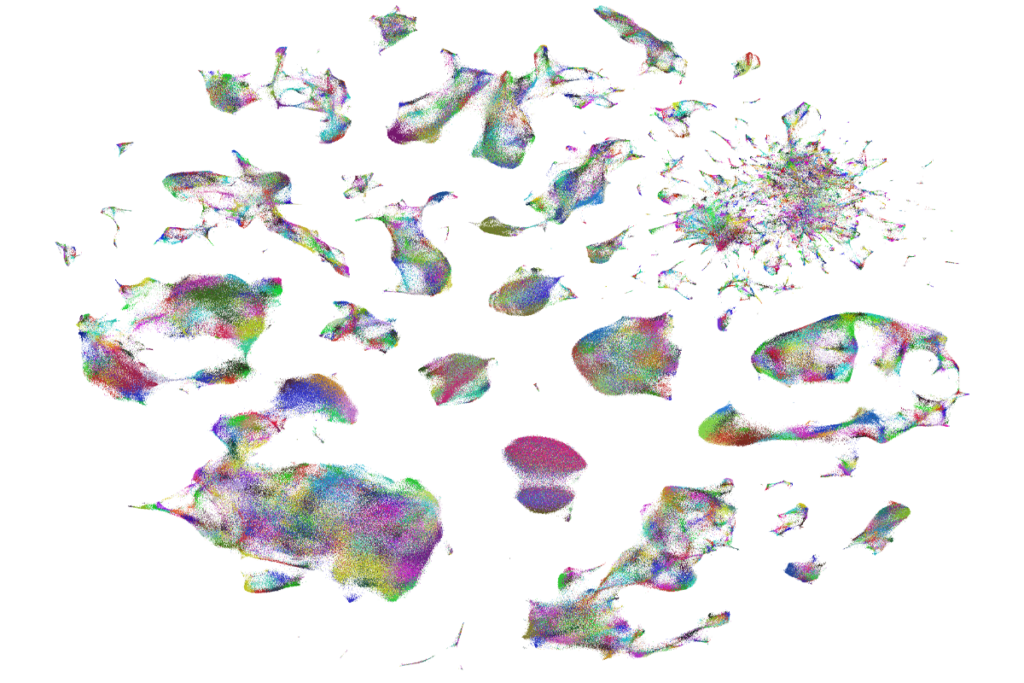
Single-cell genomics technologies and cell atlases have ushered in a new era of human neurobiology
Single-cell approaches are already shedding light on the human brain, identifying cell types that are most vulnerable in the early stages of Alzheimer’s disease, for example.
Single-cell genomics technologies and cell atlases have ushered in a new era of human neurobiology
Single-cell approaches are already shedding light on the human brain, identifying cell types that are most vulnerable in the early stages of Alzheimer’s disease, for example.
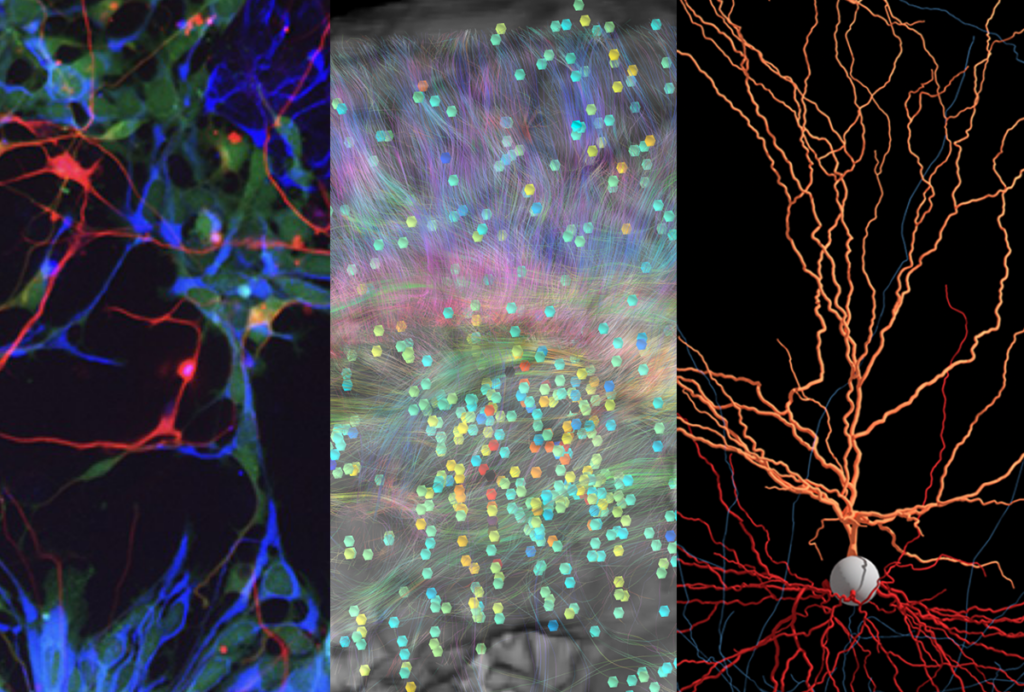
Thanks to new technologies, neuroscientists have more direct access to the human brain than ever before
Model systems continue to offer us tremendous insight, but it’s time for basic researchers to train their sights on the human brain. If I were starting my career today, I would focus on human neurobiology.
Thanks to new technologies, neuroscientists have more direct access to the human brain than ever before
Model systems continue to offer us tremendous insight, but it’s time for basic researchers to train their sights on the human brain. If I were starting my career today, I would focus on human neurobiology.
Explore more from The Transmitter
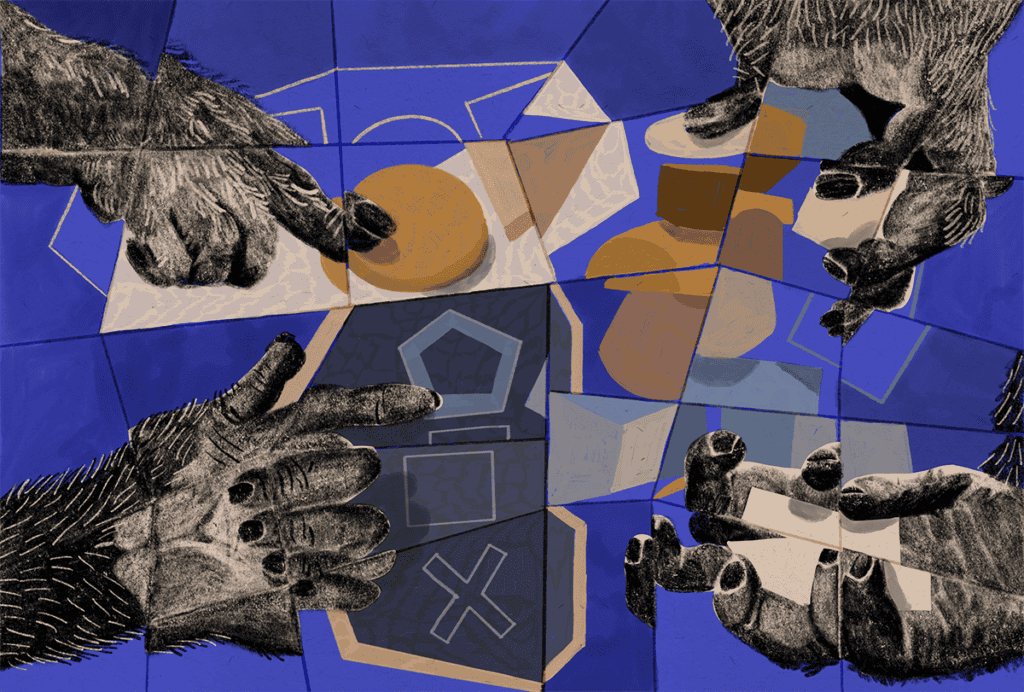
The neuroscience questions that need nonhuman primates
The Transmitter asked 17 neuroscientists what questions might remain unanswered if support for nonhuman primate research continues to decline.
The neuroscience questions that need nonhuman primates
The Transmitter asked 17 neuroscientists what questions might remain unanswered if support for nonhuman primate research continues to decline.
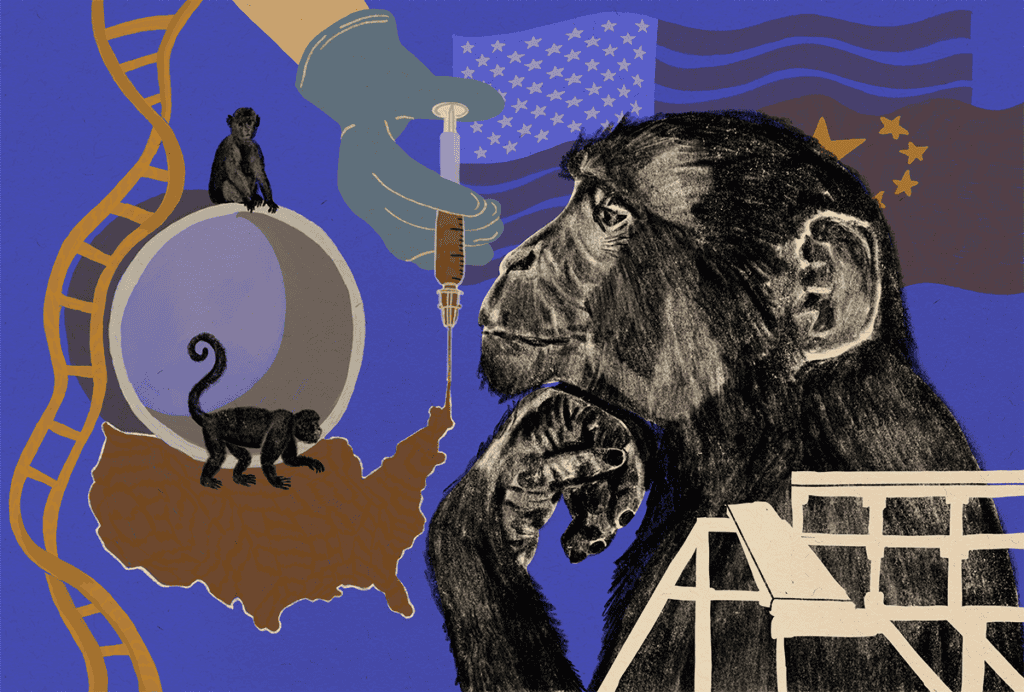
U.S. national primate research centers face an uncertain future
The facilities were meant to last 100 years. Four decades shy of that mark, amid flatlined funds and mounting political pressure, their directors are trying to find a path forward.
U.S. national primate research centers face an uncertain future
The facilities were meant to last 100 years. Four decades shy of that mark, amid flatlined funds and mounting political pressure, their directors are trying to find a path forward.
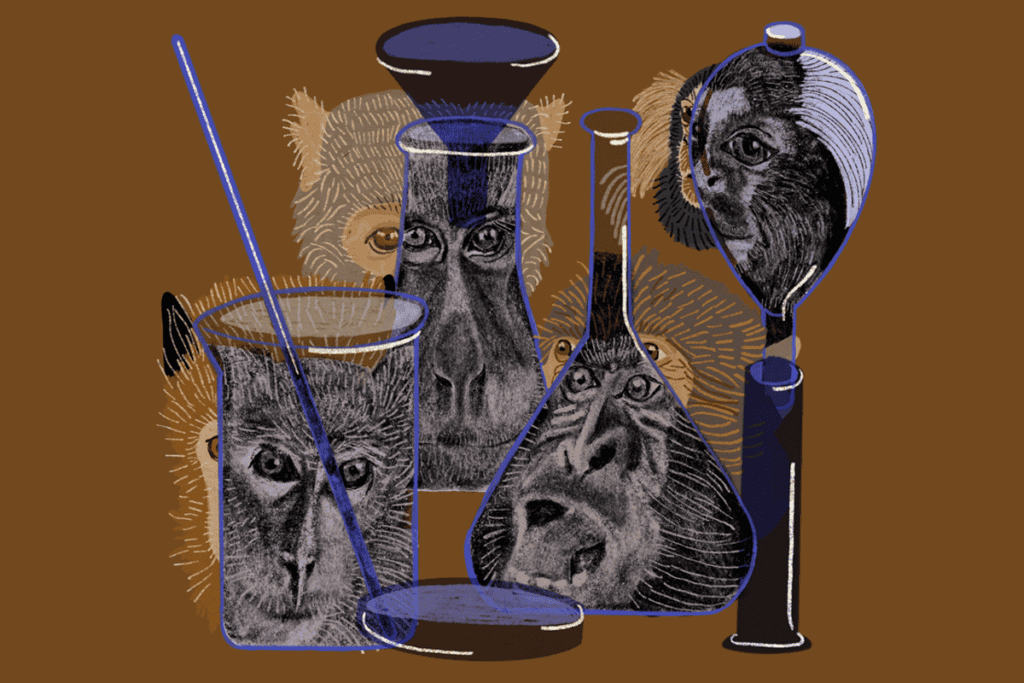
What if nonhuman primate research goes away?
As the U.S. government takes steps to stop using nonhuman primates in research, The Transmitter investigates what that shift could mean for neuroscience.
What if nonhuman primate research goes away?
As the U.S. government takes steps to stop using nonhuman primates in research, The Transmitter investigates what that shift could mean for neuroscience.