Microscopy
Recent articles
Holographic mesoscope reads, writes from different cortical regions simultaneously
The tool could help reveal how information transmission between areas relates to perception, cognition and behavior.
Holographic mesoscope reads, writes from different cortical regions simultaneously
The tool could help reveal how information transmission between areas relates to perception, cognition and behavior.
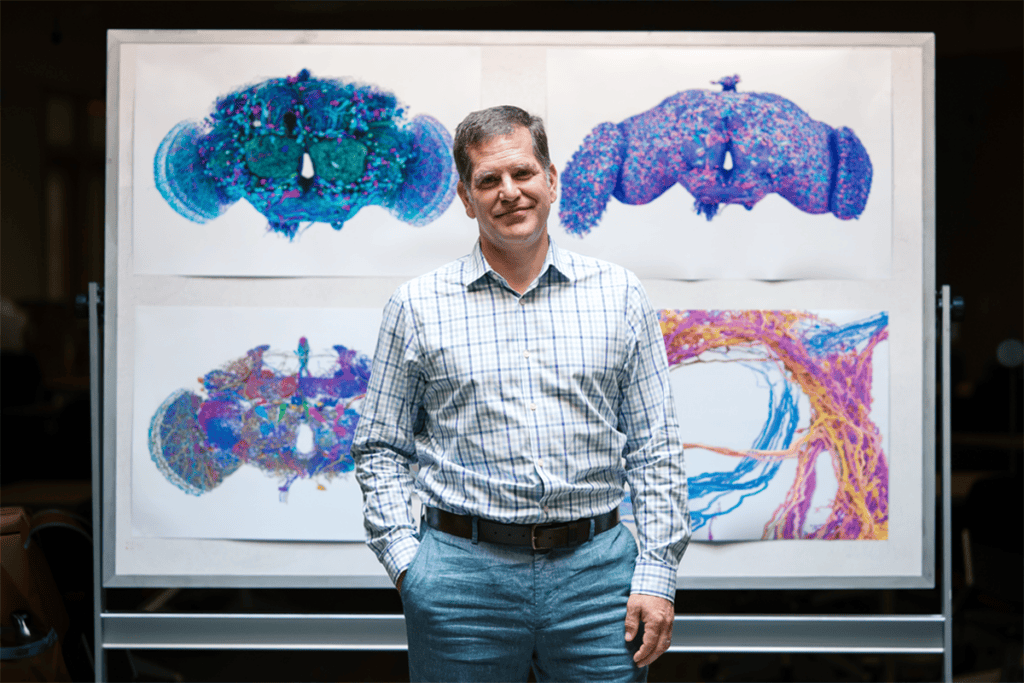
Beyond wiring diagrams: Inside a $19 million effort to expand access to connectome technology
Davi Bock’s lab took the millions of images that led to the complete connectome of a fruit fly brain. Now he wants to apply “this high-throughput flashlight across all areas of biology.”
Beyond wiring diagrams: Inside a $19 million effort to expand access to connectome technology
Davi Bock’s lab took the millions of images that led to the complete connectome of a fruit fly brain. Now he wants to apply “this high-throughput flashlight across all areas of biology.”
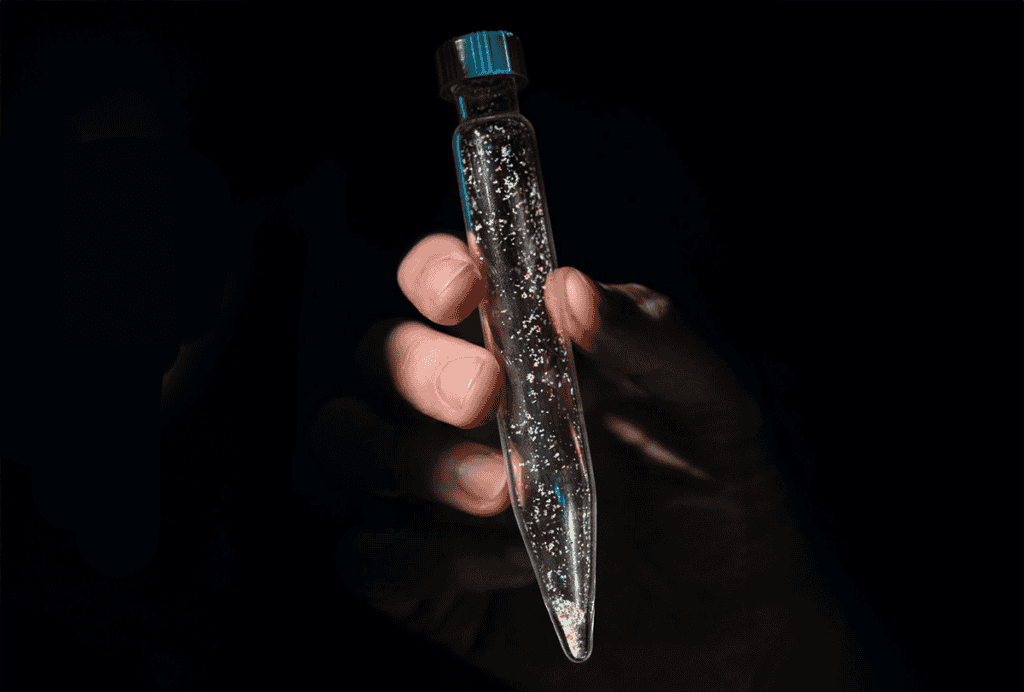
Measuring plastic in the brain: Improving, but incomplete
Meanwhile, researchers are publishing papers without “sufficient quality control,” says analytical chemist Dušan Materić.
Measuring plastic in the brain: Improving, but incomplete
Meanwhile, researchers are publishing papers without “sufficient quality control,” says analytical chemist Dušan Materić.
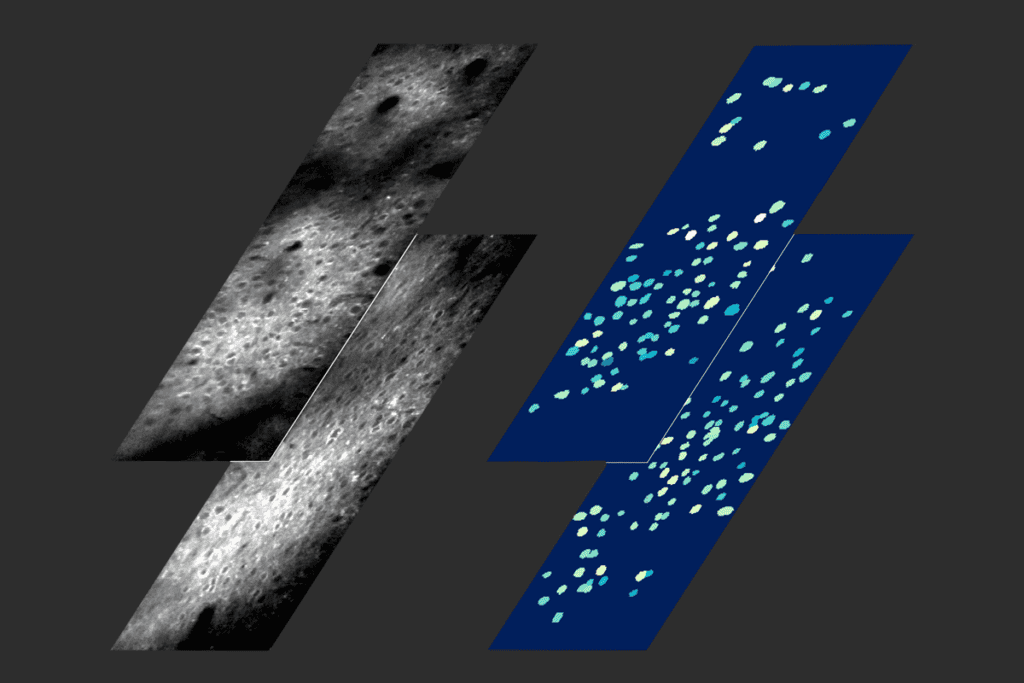
Optimized two-photon microscopy enables voltage imaging at multiple depths
The tool could reveal how information flows within and between cortical layers during neural processing.
Optimized two-photon microscopy enables voltage imaging at multiple depths
The tool could reveal how information flows within and between cortical layers during neural processing.
A planetarium for the brain
Tyler Sloan’s new film, more than a decade in the making, takes viewers on an immersive journey.
A planetarium for the brain
Tyler Sloan’s new film, more than a decade in the making, takes viewers on an immersive journey.

Remembering Adam Kampff, neuroscience educator and researcher
Kampff’s do-it-yourself approach inspired a generation of neuroscientists.
Remembering Adam Kampff, neuroscience educator and researcher
Kampff’s do-it-yourself approach inspired a generation of neuroscientists.
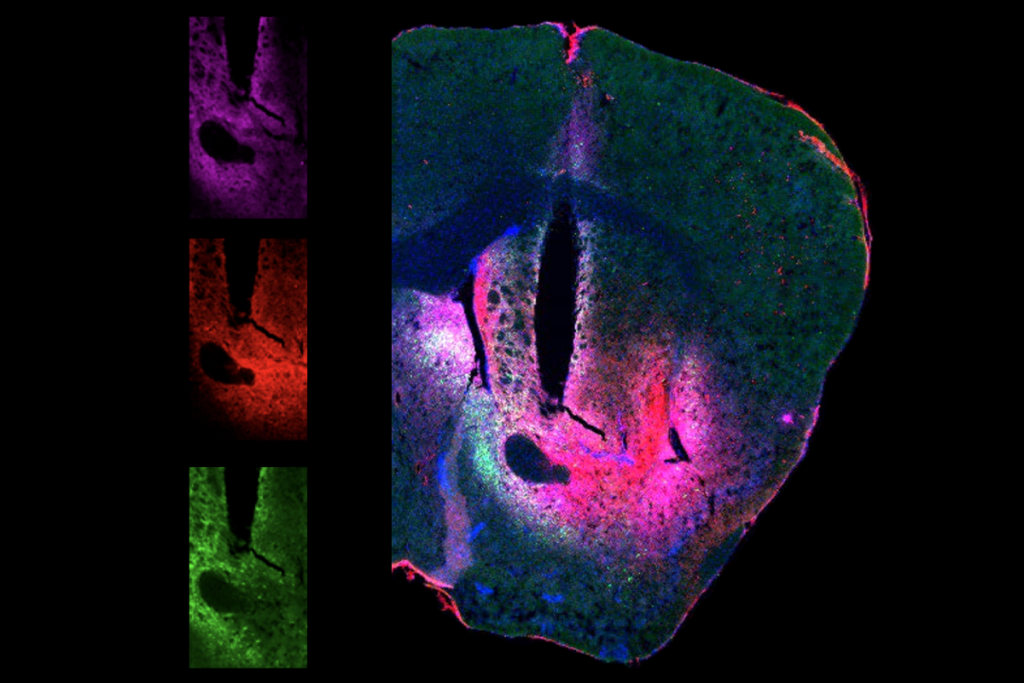
New dopamine sensor powers three-color imaging in live animals
The tool leverages a previously unused segment of the color spectrum to track the neurotransmitter and can be used with two additional sensors to monitor other neurochemicals at different wavelengths.
New dopamine sensor powers three-color imaging in live animals
The tool leverages a previously unused segment of the color spectrum to track the neurotransmitter and can be used with two additional sensors to monitor other neurochemicals at different wavelengths.
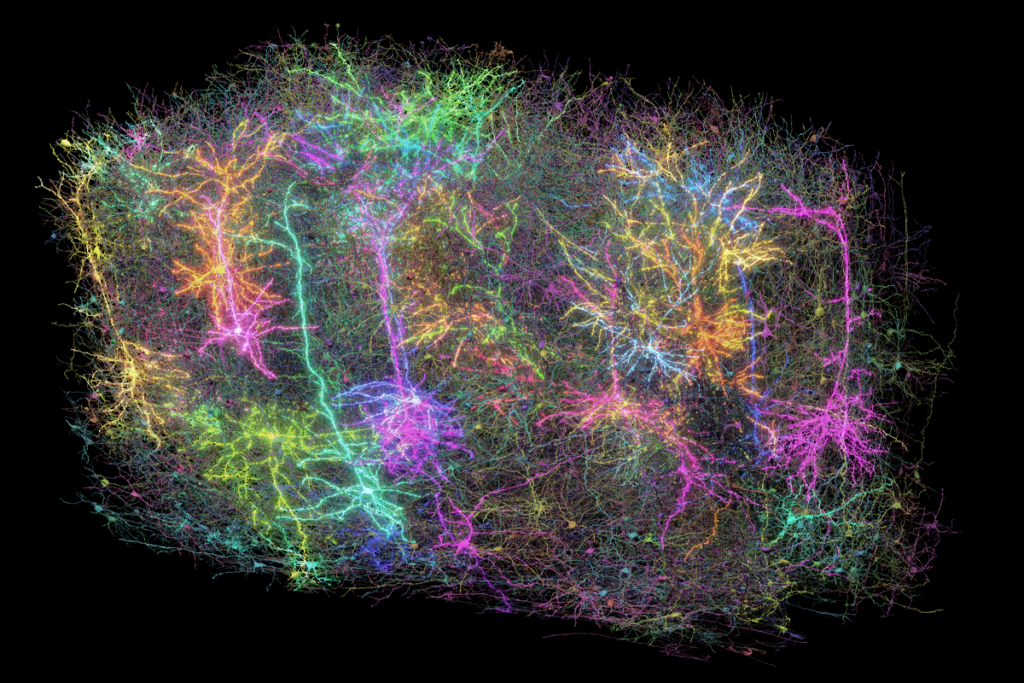
Inhibitory cells work in concert to orchestrate neuronal activity in mouse brain
A cubic millimeter of brain tissue, meticulously sectioned, stained and scrutinized over the past seven years, reveals in stunning detail the role of inhibitory interneurons in brain structure and function.
Inhibitory cells work in concert to orchestrate neuronal activity in mouse brain
A cubic millimeter of brain tissue, meticulously sectioned, stained and scrutinized over the past seven years, reveals in stunning detail the role of inhibitory interneurons in brain structure and function.
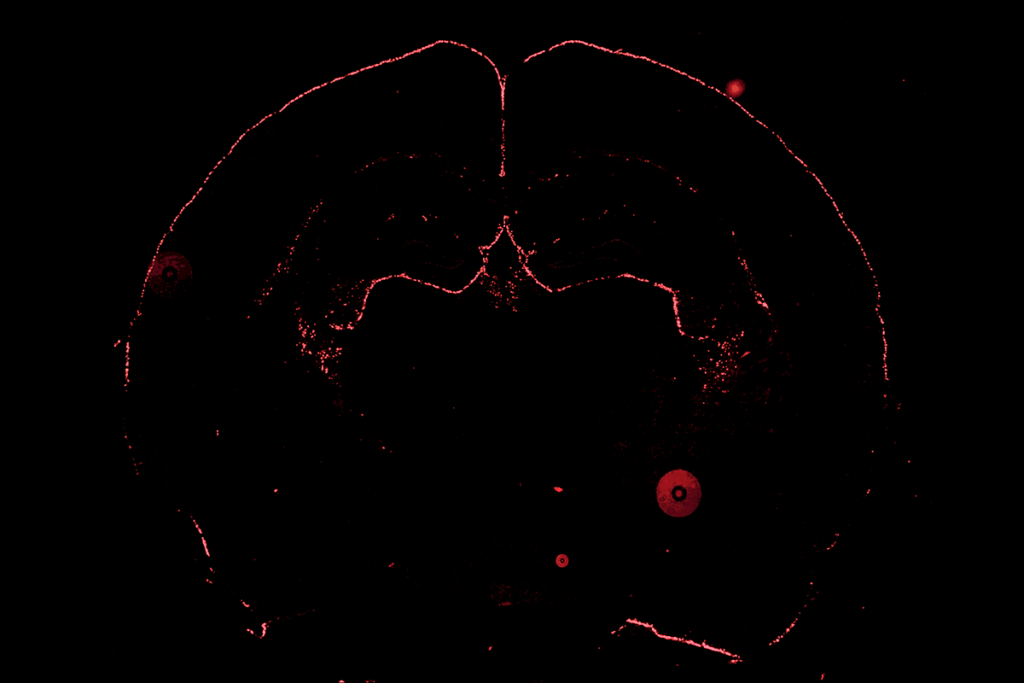
Unexpected astrocyte gene flips image of brain’s ‘stalwart sentinels’
The genetic marker upends the accepted orientation of non-star-like astrocytes in the glia limitans superficialis.
Unexpected astrocyte gene flips image of brain’s ‘stalwart sentinels’
The genetic marker upends the accepted orientation of non-star-like astrocytes in the glia limitans superficialis.
New tissue-clearing techniques let microscopes peer deeper into living brains
Washing mouse brain tissue with a blood protein or complex sugar can illuminate cells 550 micrometers into the cortex without compromising its normal physiology.
New tissue-clearing techniques let microscopes peer deeper into living brains
Washing mouse brain tissue with a blood protein or complex sugar can illuminate cells 550 micrometers into the cortex without compromising its normal physiology.
Explore more from The Transmitter

Amid funding uncertainty, graduate neuroscience programs in the U.S. adapt
The Transmitter surveyed 50 graduate program directors to learn how they’re faring. Securing labs for new students is one of the greatest concerns.
Amid funding uncertainty, graduate neuroscience programs in the U.S. adapt
The Transmitter surveyed 50 graduate program directors to learn how they’re faring. Securing labs for new students is one of the greatest concerns.
The changing nature of the neuroscience Ph.D.
The best science can only be sustained by a steady influx of early-stage scientists and the innovative ideas they bring, says Diane Lipscombe. She reflects on the loss of international students, the value of training grants, and the challenges that lie ahead for graduate education.
Rethinking neuroscience graduate education in the age of AI
What knowledge from traditional training protocols needs to be maintained, what can be discarded, and what new types of training should be introduced? Six neuroscientists weigh in.
Rethinking neuroscience graduate education in the age of AI
What knowledge from traditional training protocols needs to be maintained, what can be discarded, and what new types of training should be introduced? Six neuroscientists weigh in.