Neuroethology
Recent articles
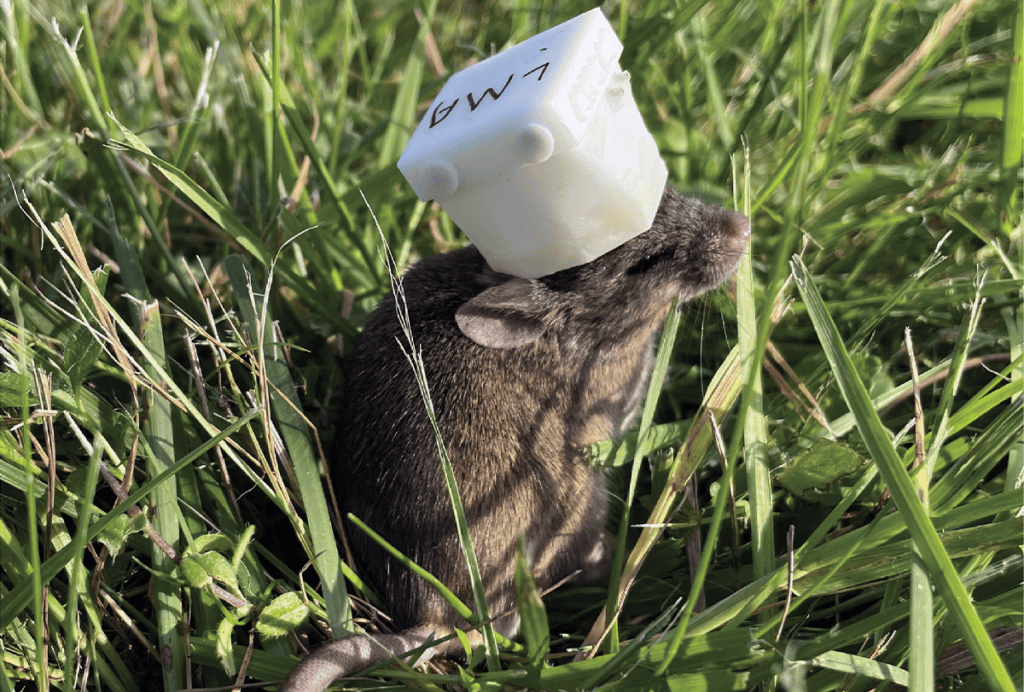
WILD platform levels up ability to record brain activity, behavior in nature
The customizable rig combines multimodal recording, onboard processing and neuronal manipulation to power more complex experiments.
WILD platform levels up ability to record brain activity, behavior in nature
The customizable rig combines multimodal recording, onboard processing and neuronal manipulation to power more complex experiments.
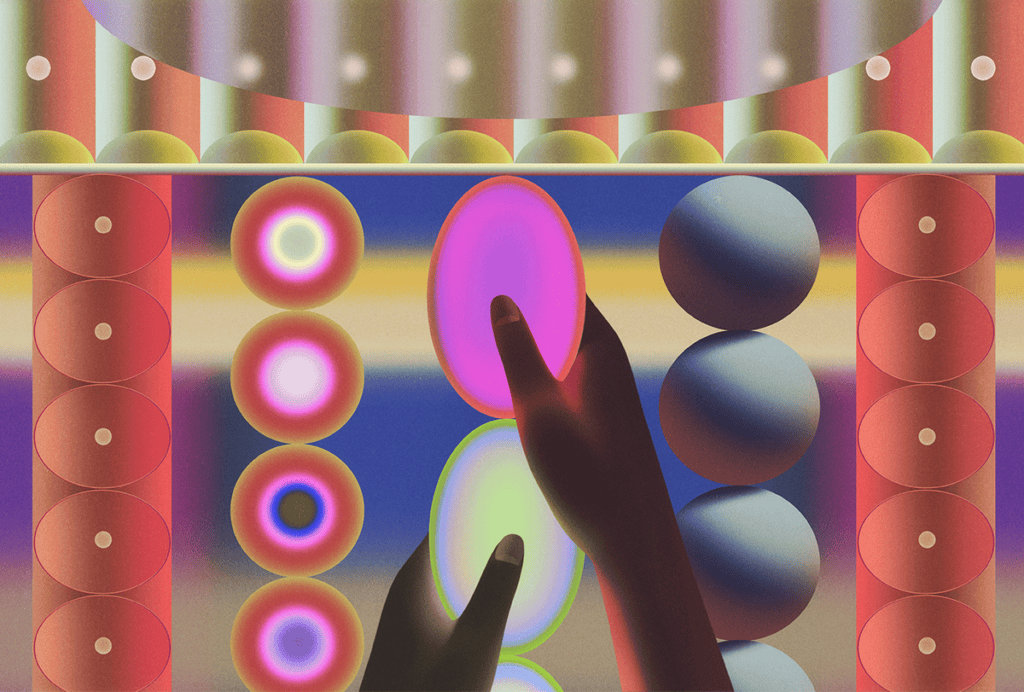
How new technologies can bring primatologists and systems neuroscientists together
The two groups study the same behavioral phenomena yet rarely interact or read each other's work—a mutual blind spot that weakens both fields. New technologies offer a chance to bring them together.
How new technologies can bring primatologists and systems neuroscientists together
The two groups study the same behavioral phenomena yet rarely interact or read each other's work—a mutual blind spot that weakens both fields. New technologies offer a chance to bring them together.
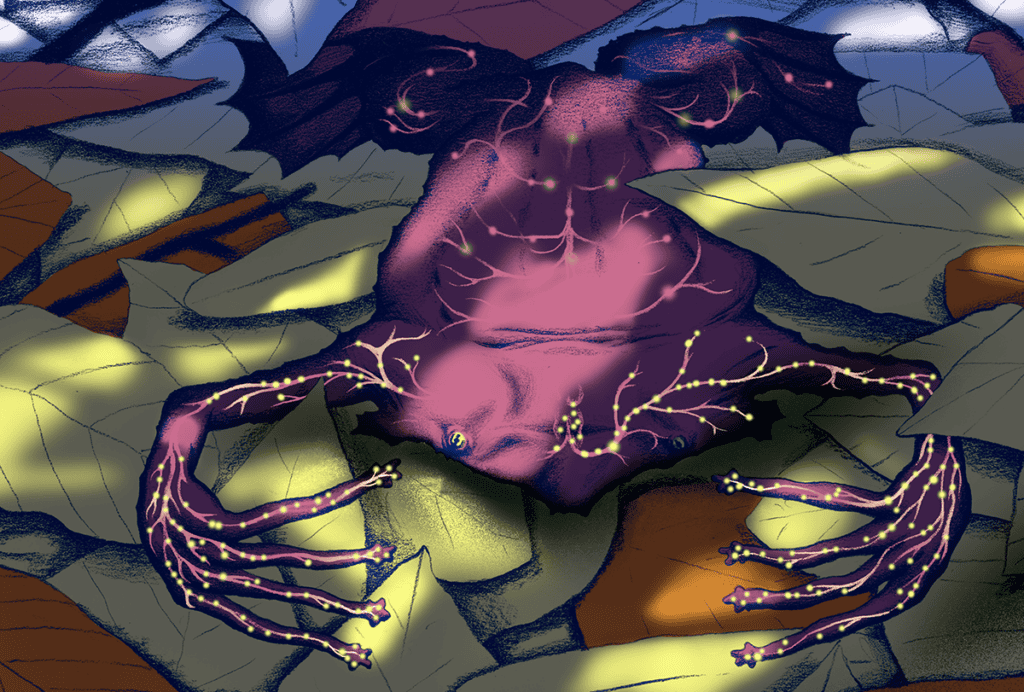
How the pipa frog hunts prey by touch
Each of the frog’s eight fingers branches into 16 ultra-sensitive tips, which together function as a fovea—potentially the first demonstration of this type of sensory structure outside of mammals.
How the pipa frog hunts prey by touch
Each of the frog’s eight fingers branches into 16 ultra-sensitive tips, which together function as a fovea—potentially the first demonstration of this type of sensory structure outside of mammals.

Response to ‘Finally, a new route for the magnetic-sense field’
Magnetoreception in Drosophila has much to offer those with an interest in neuroscience.
Response to ‘Finally, a new route for the magnetic-sense field’
Magnetoreception in Drosophila has much to offer those with an interest in neuroscience.
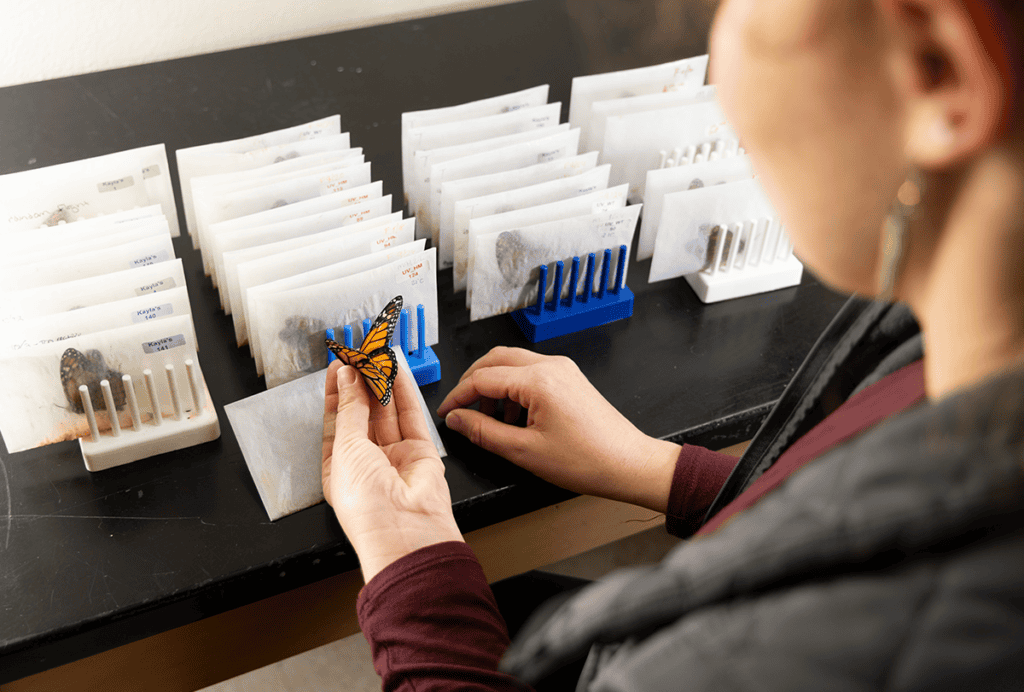
Finally, a new route for the magnetic-sense field
Researchers have dueled for years over how the magnetic sense works. New data from monarch butterflies could finally help settle the debate.
Finally, a new route for the magnetic-sense field
Researchers have dueled for years over how the magnetic sense works. New data from monarch butterflies could finally help settle the debate.
Revealing how crabs make their escape
Houdini-like Neohelice granulata offers a rare opportunity to record intracellularly from awake, behaving animals.
Revealing how crabs make their escape
Houdini-like Neohelice granulata offers a rare opportunity to record intracellularly from awake, behaving animals.
Discovering how butterflies choose their mate
Heliconius butterflies offer a window into the neural circuits and genes involved in mate color preference.
Discovering how butterflies choose their mate
Heliconius butterflies offer a window into the neural circuits and genes involved in mate color preference.
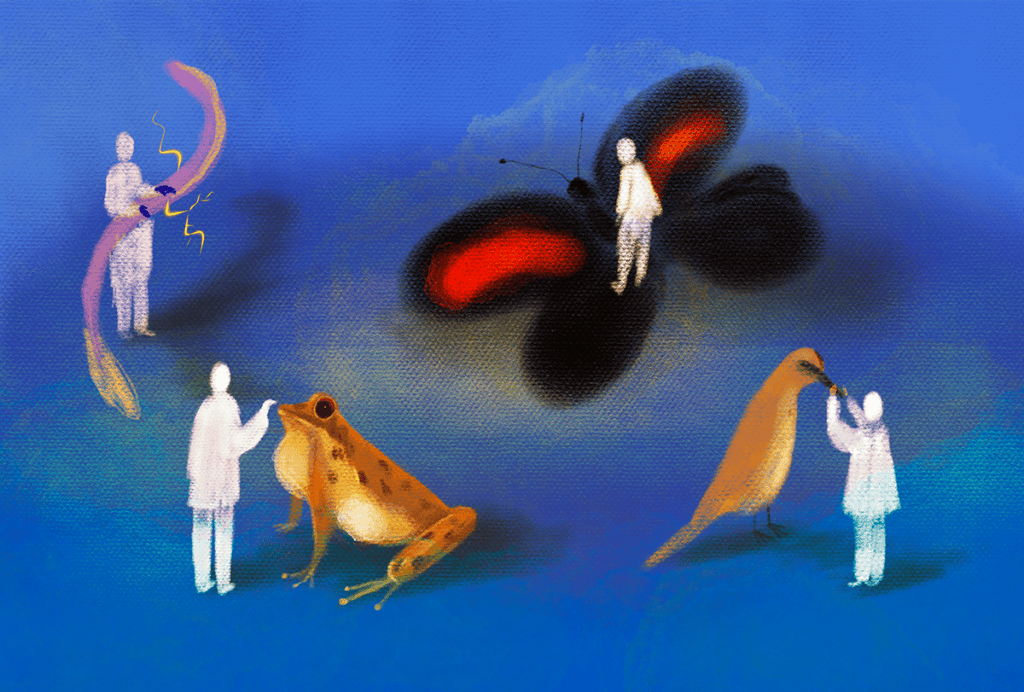
La biodiversidad de Latinoamérica impulsa avances en comportamiento social y cognición
Horneros, peces eléctricos, ranitas y otra fauna regional ayudan a los neurocientíficos a plantear nuevas preguntas de investigación en el campo.
La biodiversidad de Latinoamérica impulsa avances en comportamiento social y cognición
Horneros, peces eléctricos, ranitas y otra fauna regional ayudan a los neurocientíficos a plantear nuevas preguntas de investigación en el campo.
Descobrindo como as borboletas escolhem seus parceiros
As borboletas do gênero Heliconius permitem investigar os circuitos neurais e os genes envolvidos na preferência pela cor dos parceiros.
Descobrindo como as borboletas escolhem seus parceiros
As borboletas do gênero Heliconius permitem investigar os circuitos neurais e os genes envolvidos na preferência pela cor dos parceiros.
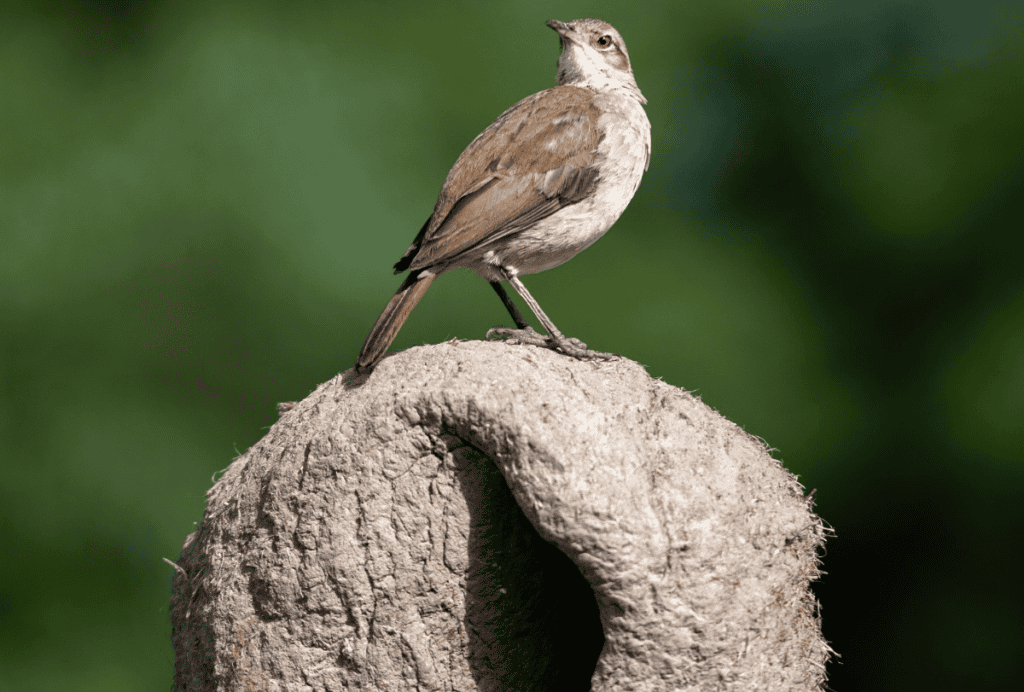
Identificando o que torna o canto de uma ave único
As oscinas e as suboscinas, duas linhagens de aves evolutivamente próximas, aprendem e não aprendem a cantar, respectivamente, ajudando os cientistas a desvendar os correlatos neuronais da aprendizagem e da variabilidade vocal.
Identificando o que torna o canto de uma ave único
As oscinas e as suboscinas, duas linhagens de aves evolutivamente próximas, aprendem e não aprendem a cantar, respectivamente, ajudando os cientistas a desvendar os correlatos neuronais da aprendizagem e da variabilidade vocal.
Explore more from The Transmitter
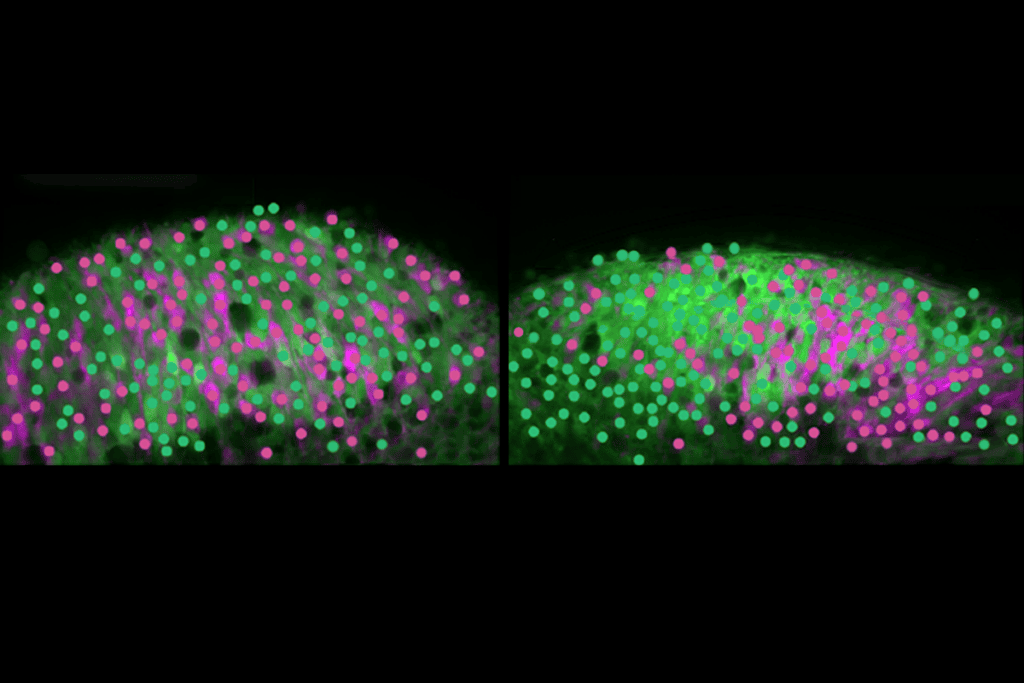
Noncoding role of FMR1 transcripts; and more
Here is a roundup of autism-related news and research spotted around the web for the week of 23 November.
Noncoding role of FMR1 transcripts; and more
Here is a roundup of autism-related news and research spotted around the web for the week of 23 November.
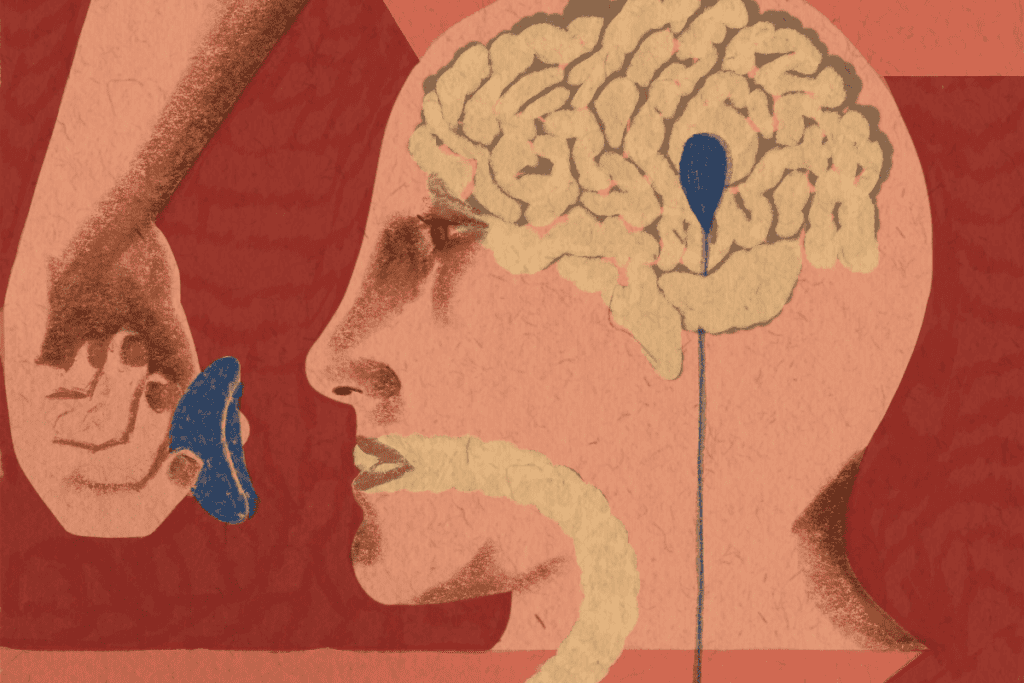
New pathway helps brain clock food’s nutritional content
Specialized neurons trigger dopamine release outside the canonical dopamine signaling areas to associate flavors with nutrients.
New pathway helps brain clock food’s nutritional content
Specialized neurons trigger dopamine release outside the canonical dopamine signaling areas to associate flavors with nutrients.
Hidden connections in the thalamus: Mapping the electrical synapses of the brain’s attentional gate
New research uses a light-based mapping technique to show that electrical synapses persist in the adult thalamic reticular nucleus, where they link neurons selectively, reach farther than anyone had previously measured, and join together cell types that serve separate streams of sensory information.