Spotted
Recent articles
Behavioral phenomics in zebrafish; and more
Here is a roundup of autism-related news and research spotted around the web for the week of 26 October.
Behavioral phenomics in zebrafish; and more
Here is a roundup of autism-related news and research spotted around the web for the week of 26 October.
COVID-19 and influenza effects in pregnancy; and more
Here is a roundup of autism-related news and research spotted around the web for the week of 19 October.
COVID-19 and influenza effects in pregnancy; and more
Here is a roundup of autism-related news and research spotted around the web for the week of 19 October.
Acetaminophen effects on developing brain organoids; and more
Here is a roundup of autism-related news and research spotted around the web for the week of 12 October.
Acetaminophen effects on developing brain organoids; and more
Here is a roundup of autism-related news and research spotted around the web for the week of 12 October.
Aging biomarkers in autism; and more
Here is a roundup of autism-related news and research spotted around the web for the week of 5 October.
Aging biomarkers in autism; and more
Here is a roundup of autism-related news and research spotted around the web for the week of 5 October.
Organoids missing the TSC2 gene form rogue astrocytes; and more
Here is a roundup of autism-related news and research spotted around the web for the week of 28 September.
Organoids missing the TSC2 gene form rogue astrocytes; and more
Here is a roundup of autism-related news and research spotted around the web for the week of 28 September.
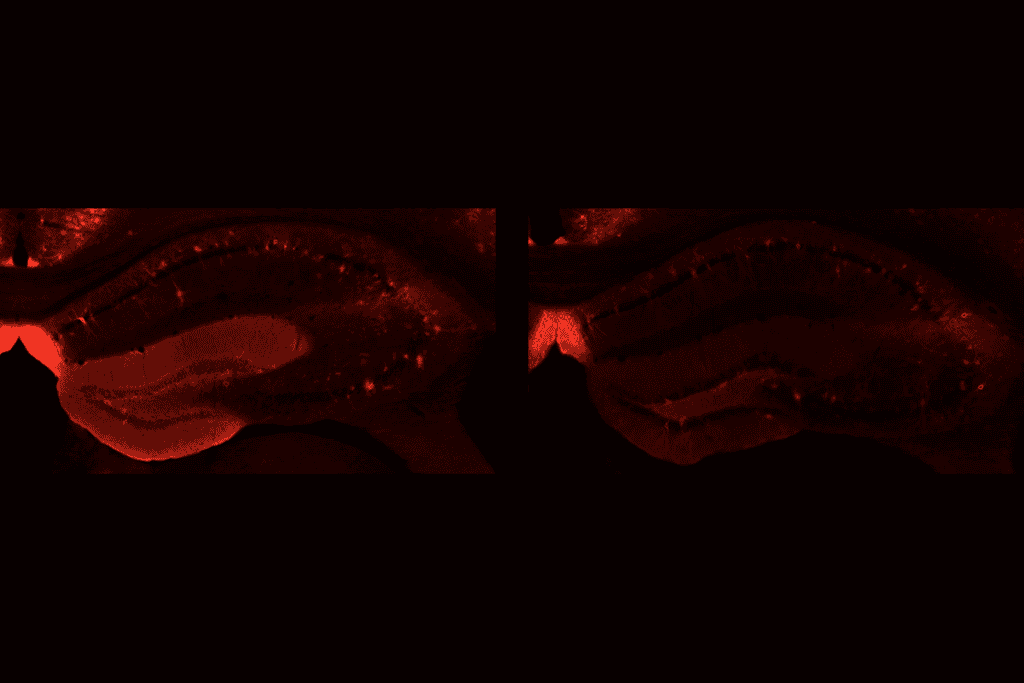
Two populations of neurons, two effects on sociability; and more
Here is a roundup of autism-related news and research spotted around the web for the week of 21 September.
Two populations of neurons, two effects on sociability; and more
Here is a roundup of autism-related news and research spotted around the web for the week of 21 September.
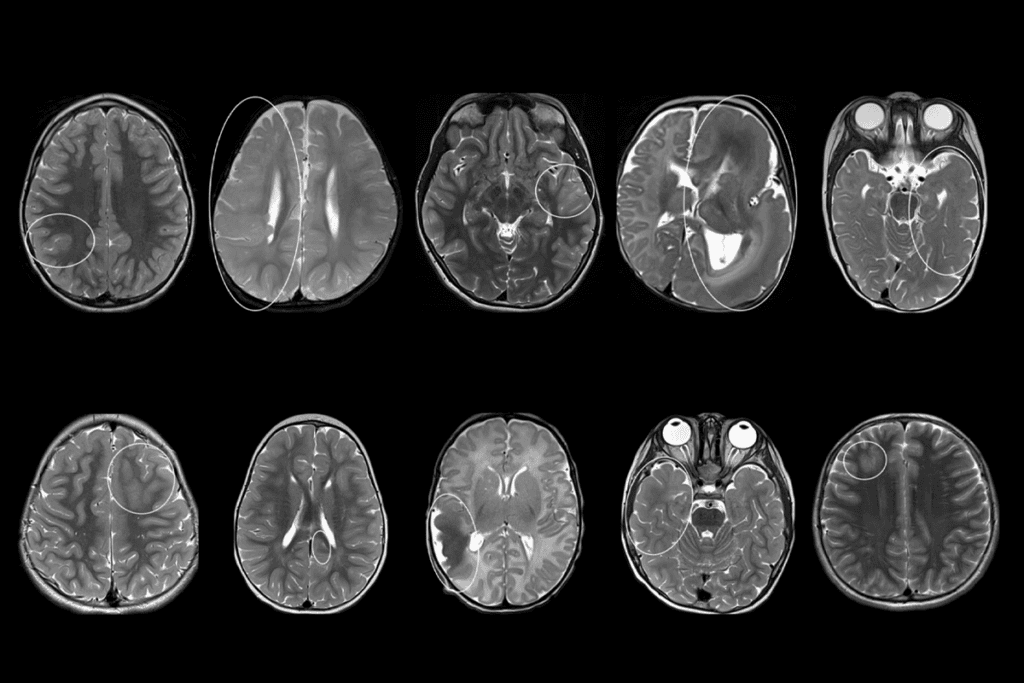
Additional data suggest changes in diagnostics underlie increases in autism diagnoses, and more
Here is a roundup of autism-related news and research spotted around the web for the week of 14 September.
Additional data suggest changes in diagnostics underlie increases in autism diagnoses, and more
Here is a roundup of autism-related news and research spotted around the web for the week of 14 September.
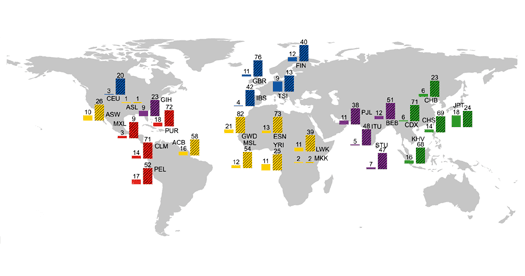
New methods to contextualize autism-linked genes, and more
Here is a roundup of autism-related news and research spotted around the web for the week of 7 September.
New methods to contextualize autism-linked genes, and more
Here is a roundup of autism-related news and research spotted around the web for the week of 7 September.
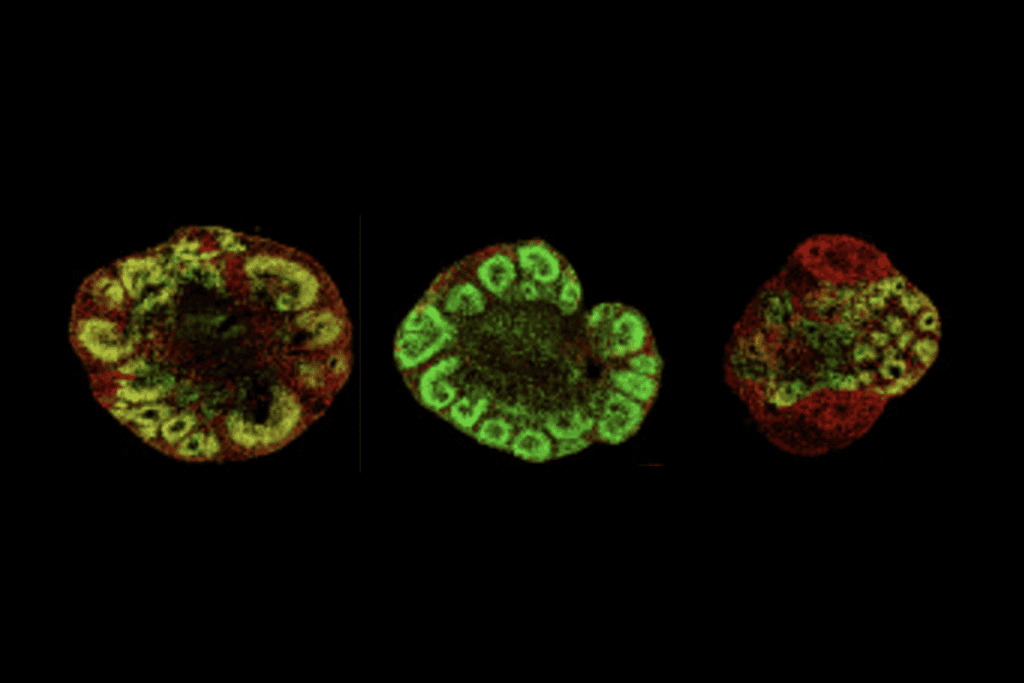
Unconfounding genetic and environmental factors, and more
Here is a roundup of autism-related news and research spotted around the web for the week of 31 August.
Unconfounding genetic and environmental factors, and more
Here is a roundup of autism-related news and research spotted around the web for the week of 31 August.
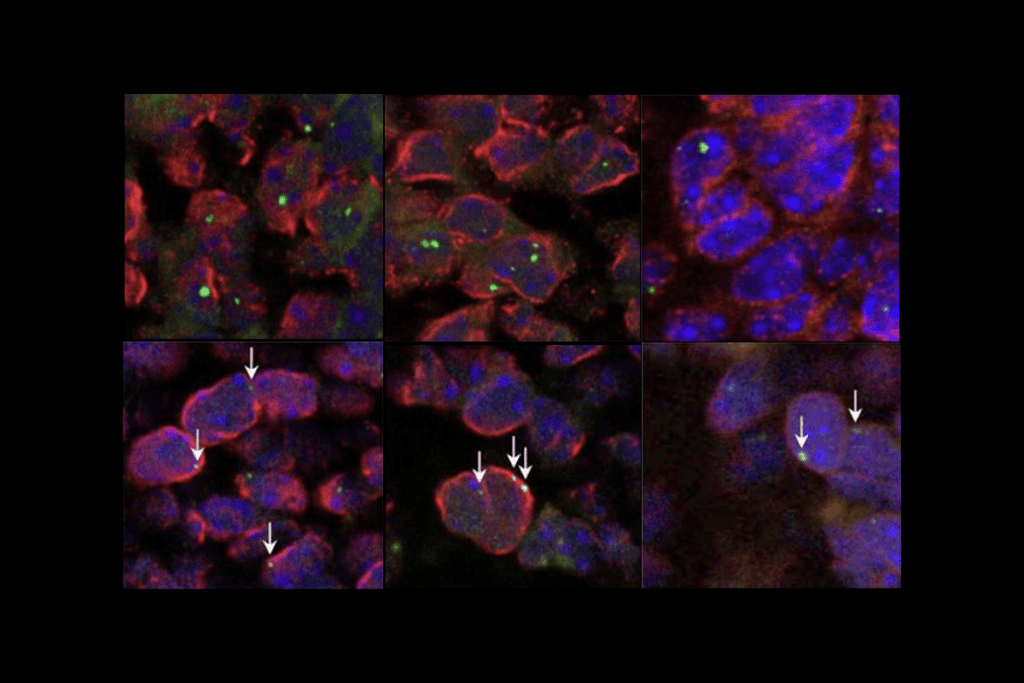
Biomarkers for autism, and more
Here is a roundup of autism-related news and research spotted around the web for the week of 24 August.
Biomarkers for autism, and more
Here is a roundup of autism-related news and research spotted around the web for the week of 24 August.
Explore more from The Transmitter
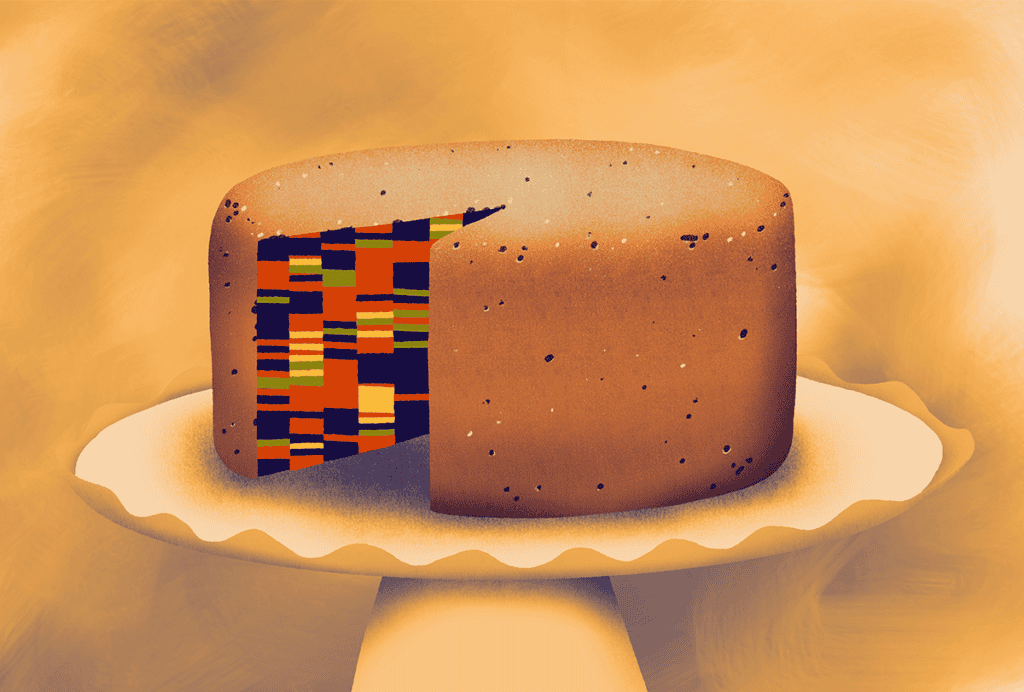
The genome offers a recipe, not a blueprint, for the brain
During brain development, genes set the rules and turn the knobs; self-organization does much of the rest.
The genome offers a recipe, not a blueprint, for the brain
During brain development, genes set the rules and turn the knobs; self-organization does much of the rest.
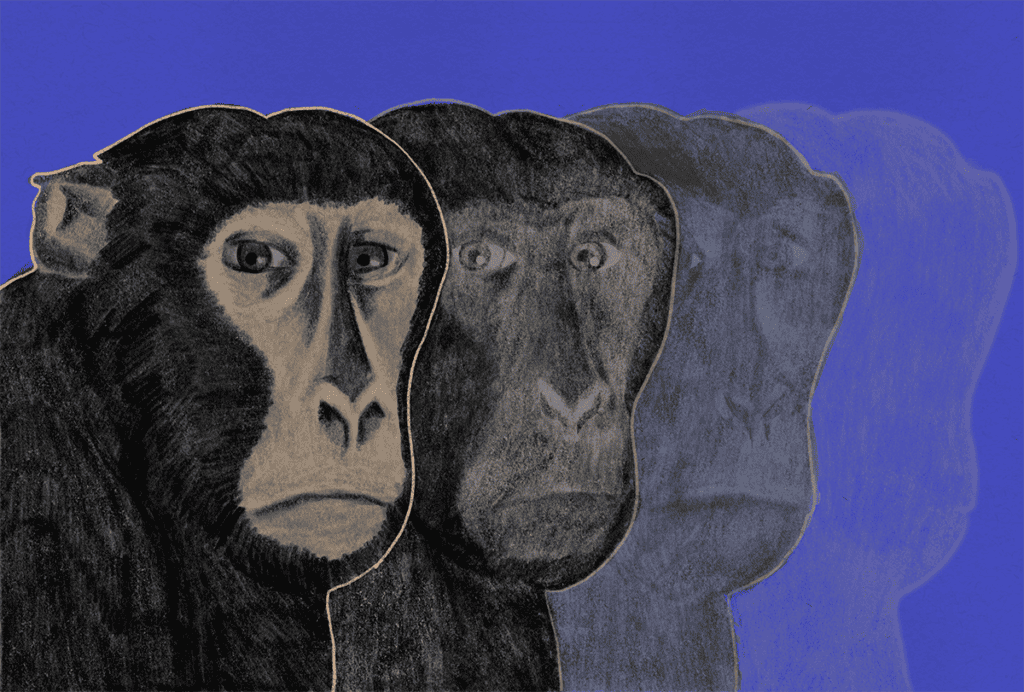
Autism research involving monkeys contends with uphill battle
Macaques and marmosets recapitulate the condition’s core traits better than mice can, but funding uncertainty and challenges at primate centers in the United States could make this work difficult to continue.
Autism research involving monkeys contends with uphill battle
Macaques and marmosets recapitulate the condition’s core traits better than mice can, but funding uncertainty and challenges at primate centers in the United States could make this work difficult to continue.
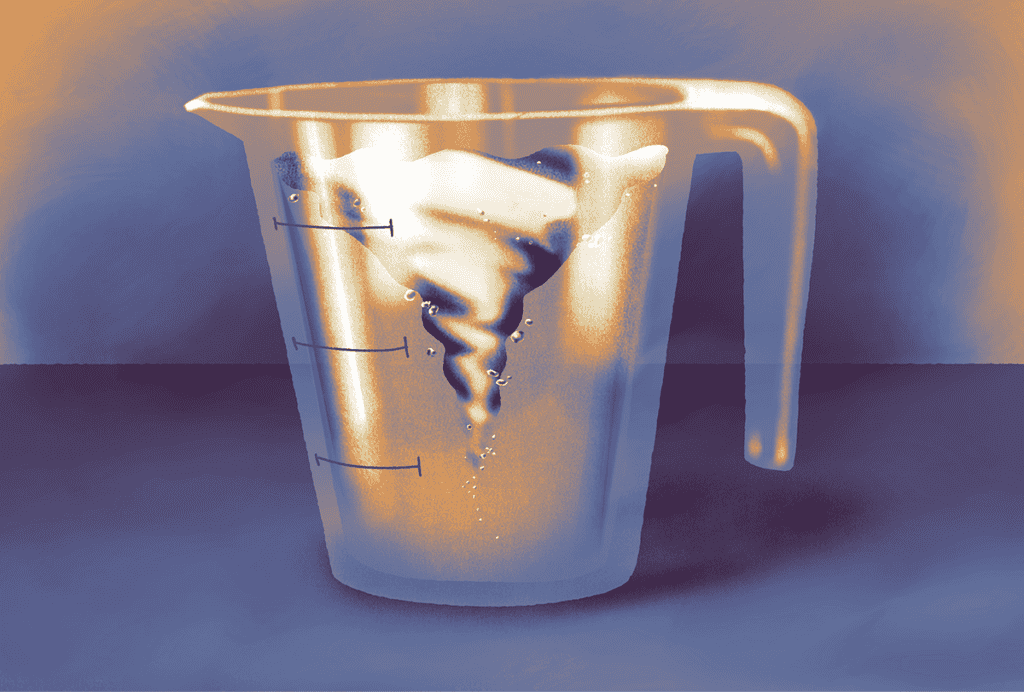
When is self-organization a mechanism in brain development?
Retinal waves offer a powerful example of a self-organizing system that can build structure without external guidance. The field would do well to embrace such phenomena more broadly as a type of mechanistic explanation.
When is self-organization a mechanism in brain development?
Retinal waves offer a powerful example of a self-organizing system that can build structure without external guidance. The field would do well to embrace such phenomena more broadly as a type of mechanistic explanation.