Stress
Recent articles
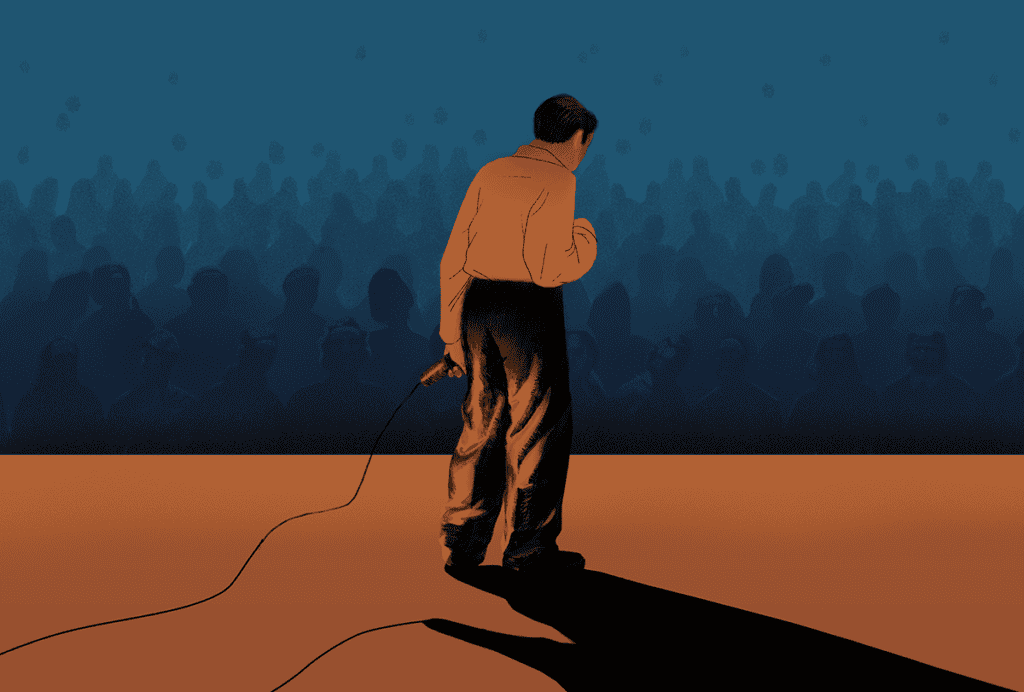
After the ‘Thank you’ slide: When lived trauma enters trauma neuroscience
Trauma researchers need professional norms that allow brief, humane acknowledgment when acute trauma directly affects a scientific community.
After the ‘Thank you’ slide: When lived trauma enters trauma neuroscience
Trauma researchers need professional norms that allow brief, humane acknowledgment when acute trauma directly affects a scientific community.
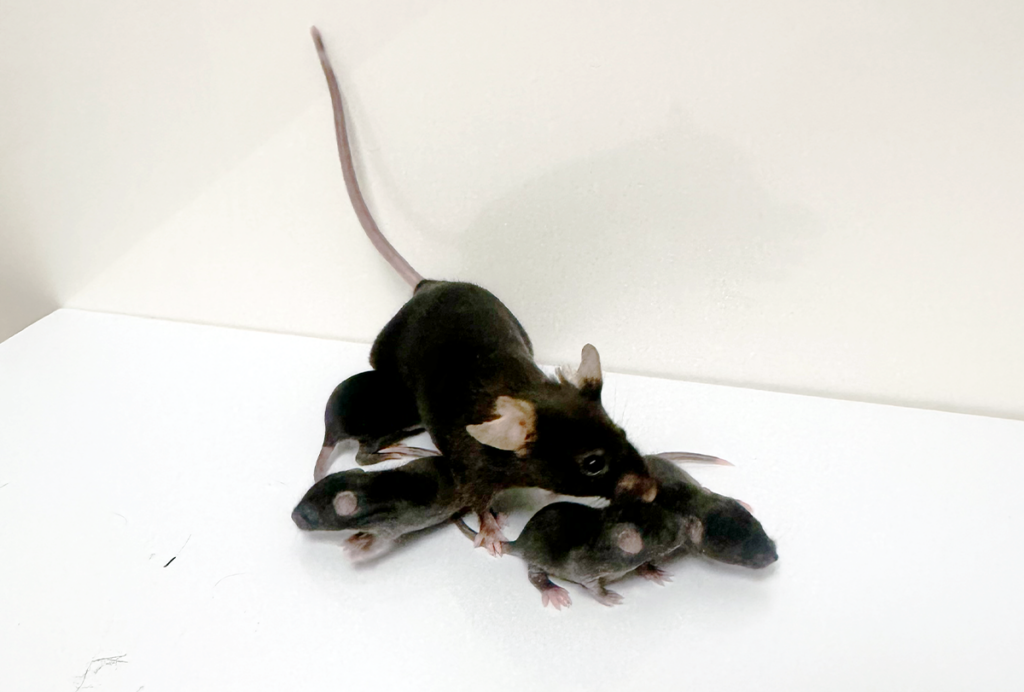
Maternity induces lasting gene-expression changes in mouse brains
The findings add to a small but growing body of research on neurological changes linked to pregnancy, birth and parenting.
Maternity induces lasting gene-expression changes in mouse brains
The findings add to a small but growing body of research on neurological changes linked to pregnancy, birth and parenting.
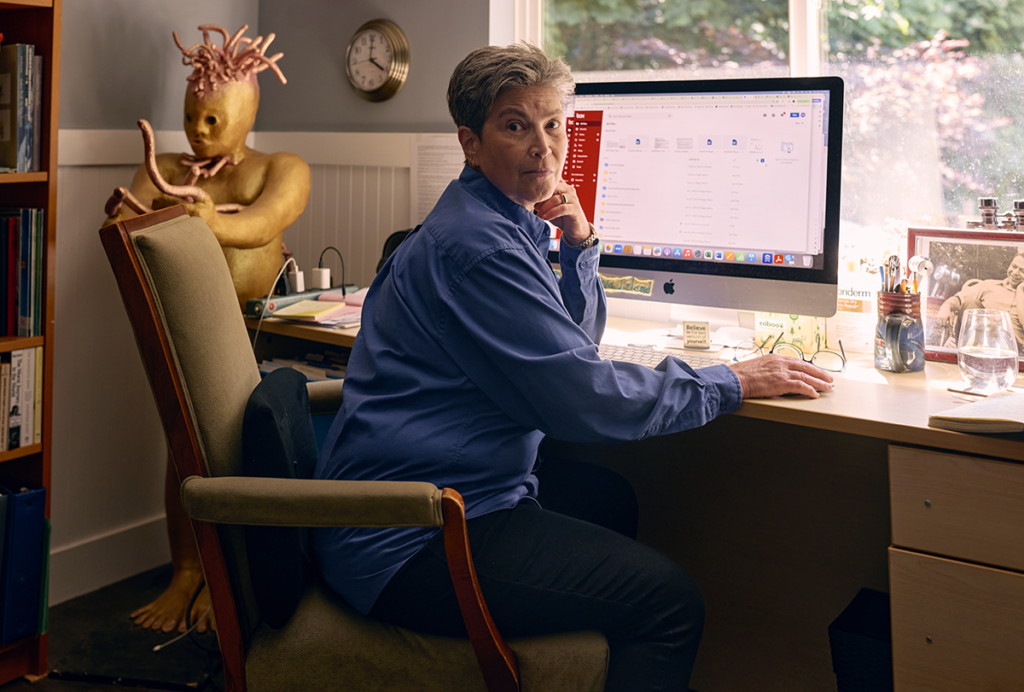
Up and out with Peggy Mason
Mason helped define the rodent prosocial behavior field, but now she’s changing course.
Up and out with Peggy Mason
Mason helped define the rodent prosocial behavior field, but now she’s changing course.
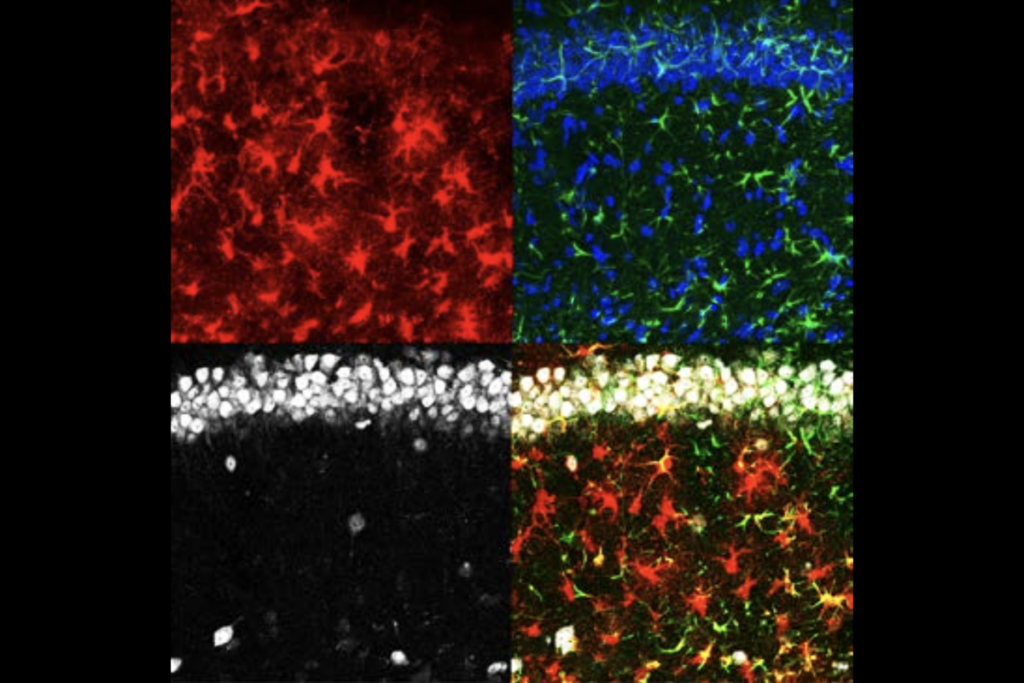
Astrocytes sense neuromodulators to orchestrate neuronal activity and shape behavior
Astrocytes serve as crucial mediators of neuromodulatory processes previously attributed to direct communication between neurons, four new studies show.
Astrocytes sense neuromodulators to orchestrate neuronal activity and shape behavior
Astrocytes serve as crucial mediators of neuromodulatory processes previously attributed to direct communication between neurons, four new studies show.
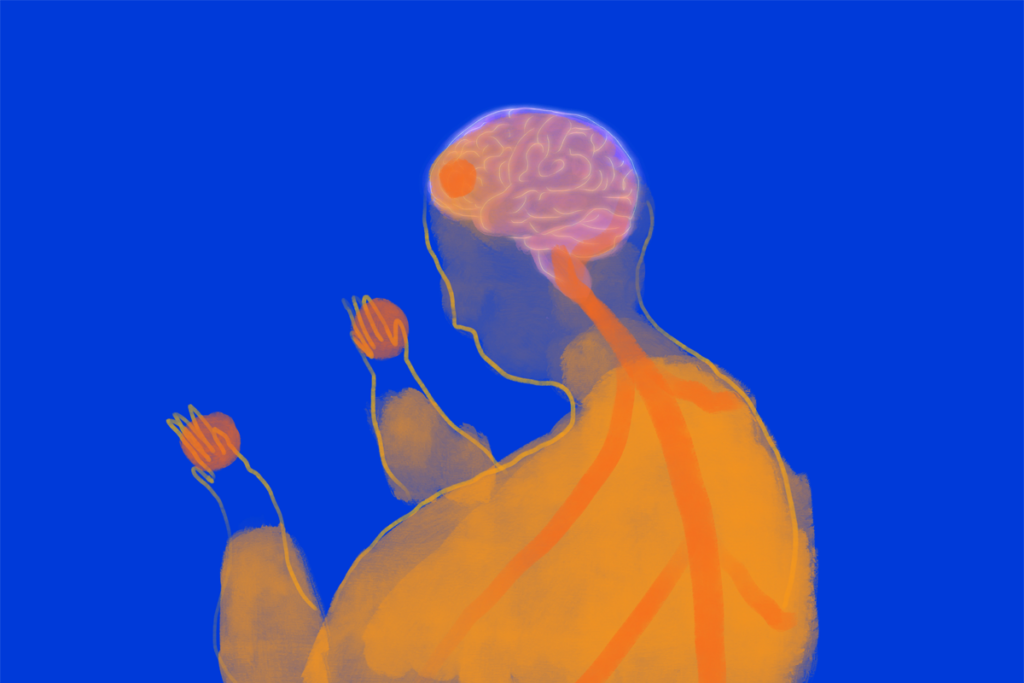
Rethinking mental health: The body’s impact on the brain
Mounting evidence illustrates how peripheral molecules can influence brain function, offering new therapeutic targets.
Rethinking mental health: The body’s impact on the brain
Mounting evidence illustrates how peripheral molecules can influence brain function, offering new therapeutic targets.
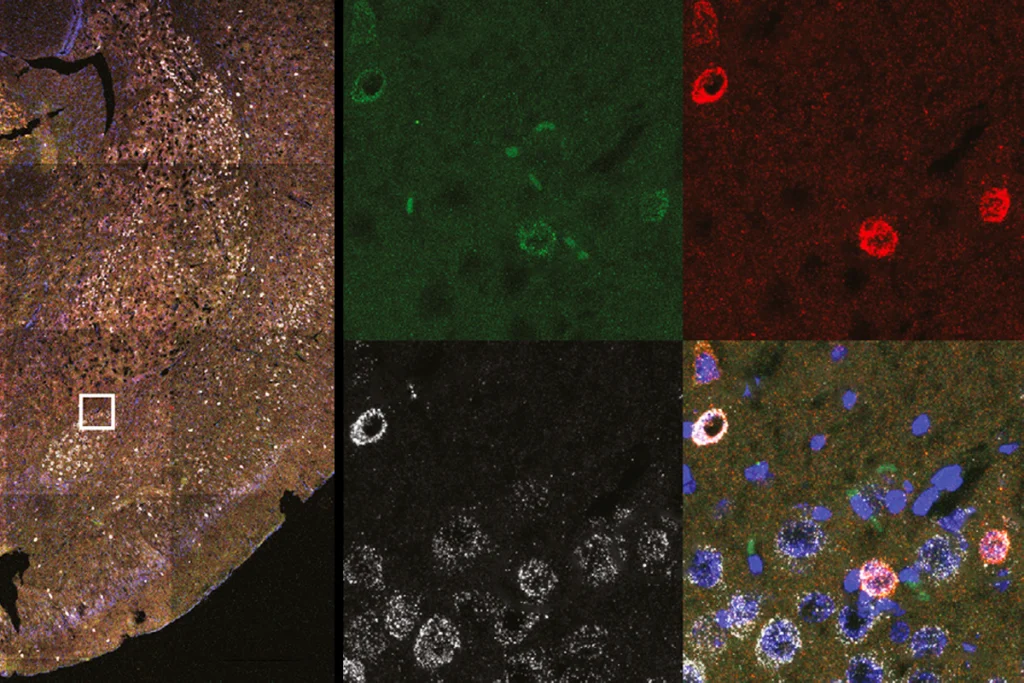
Stress warps fear memories in multiple ways
Expanding the bounds of a fear memory or linking it to a neutral memory can shape a mouse’s fear response, two new studies show.
Stress warps fear memories in multiple ways
Expanding the bounds of a fear memory or linking it to a neutral memory can shape a mouse’s fear response, two new studies show.
Explore more from The Transmitter
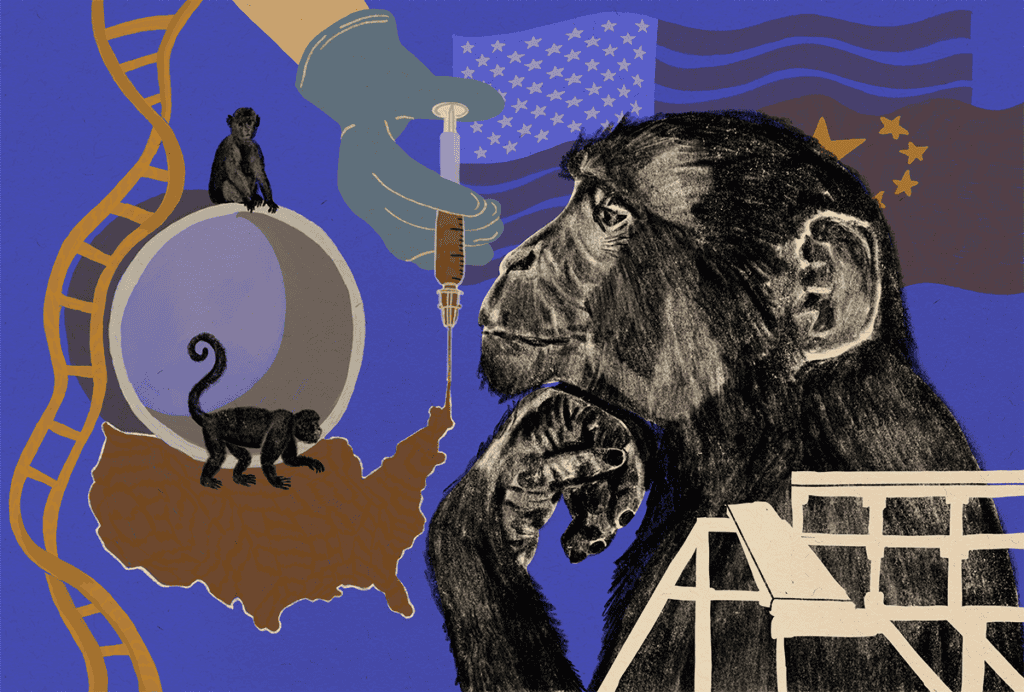
U.S. national primate research centers face an uncertain future
The facilities were meant to last 100 years. Four decades shy of that mark, amid flatlined funds and mounting political pressure, their directors are trying to find a path forward.
U.S. national primate research centers face an uncertain future
The facilities were meant to last 100 years. Four decades shy of that mark, amid flatlined funds and mounting political pressure, their directors are trying to find a path forward.
What if nonhuman primate research goes away?
As the U.S. government takes steps to stop using nonhuman primates in research, The Transmitter investigates what that shift could mean for neuroscience.
What if nonhuman primate research goes away?
As the U.S. government takes steps to stop using nonhuman primates in research, The Transmitter investigates what that shift could mean for neuroscience.
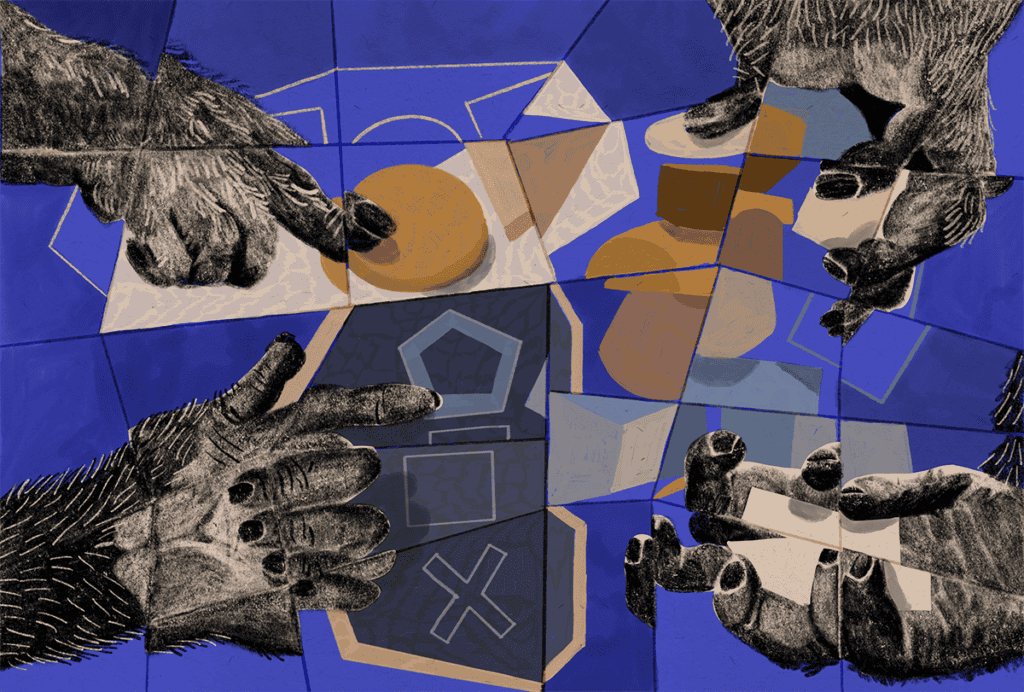
The neuroscience questions that need nonhuman primates
The Transmitter asked 17 neuroscientists what questions might remain unanswered if support for nonhuman primate research continues to decline.
The neuroscience questions that need nonhuman primates
The Transmitter asked 17 neuroscientists what questions might remain unanswered if support for nonhuman primate research continues to decline.