UBE3A
Recent articles
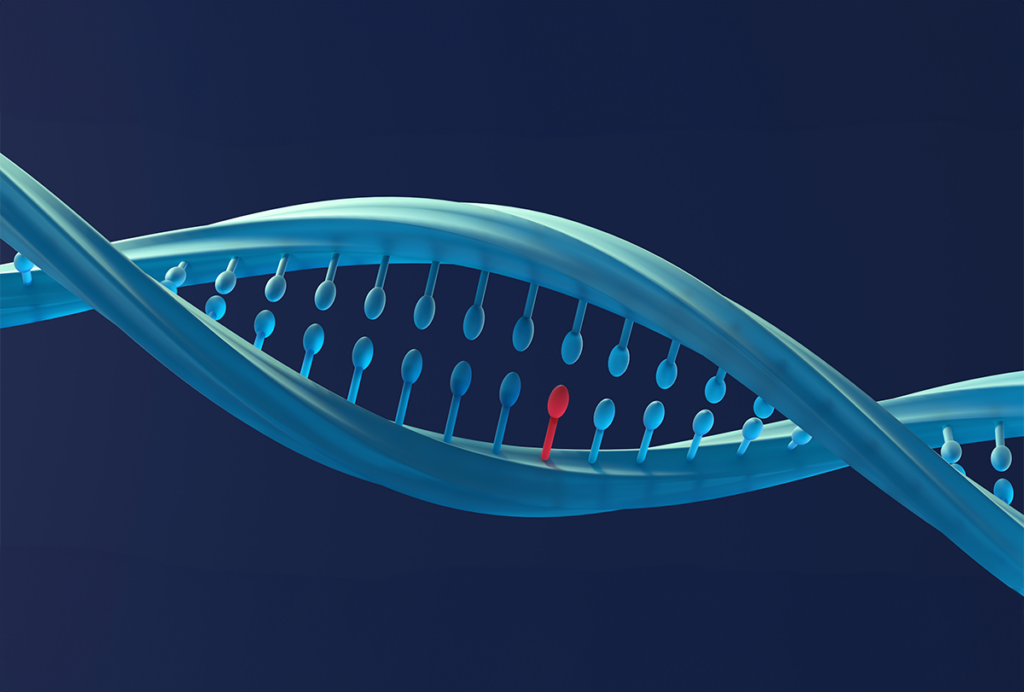
Advances in genetic medicine took center stage at INSAR
The president of the Autism Science Foundation and parent of a child with profound autism reflects on how advances in the treatment of rare gene variants bring hope to many families.
Advances in genetic medicine took center stage at INSAR
The president of the Autism Science Foundation and parent of a child with profound autism reflects on how advances in the treatment of rare gene variants bring hope to many families.

Leveraging the power of community to strengthen clinical trials for rare genetic syndromes
Families can become not only participants but champions of these research efforts.
Leveraging the power of community to strengthen clinical trials for rare genetic syndromes
Families can become not only participants but champions of these research efforts.
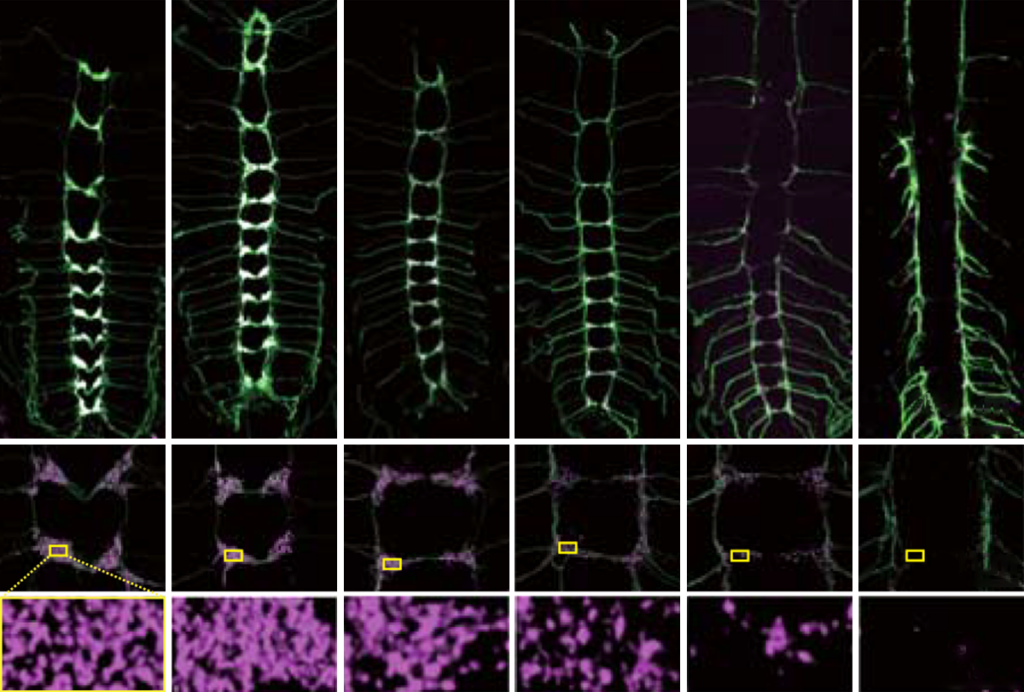
UBE3A’s link to synaptic pruning bolstered by fly study
Increasing or reducing the levels of the UBE3A gene, which is associated with autism and autism-related syndromes, results in altered patterns of synaptic pruning — a process that snips away brain cell connections.
UBE3A’s link to synaptic pruning bolstered by fly study
Increasing or reducing the levels of the UBE3A gene, which is associated with autism and autism-related syndromes, results in altered patterns of synaptic pruning — a process that snips away brain cell connections.
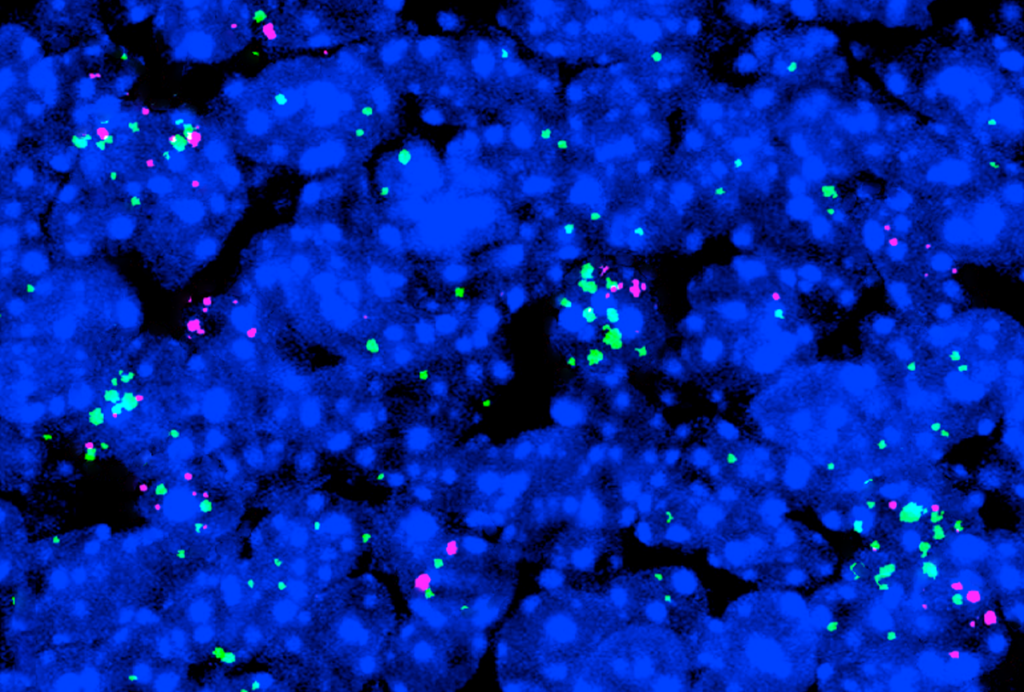
‘Gain-of-function’ mutation spawns autism traits
The mutation increases the activity of an autism-linked protein and leads to social difficulties and other behavioral differences in mice.
‘Gain-of-function’ mutation spawns autism traits
The mutation increases the activity of an autism-linked protein and leads to social difficulties and other behavioral differences in mice.
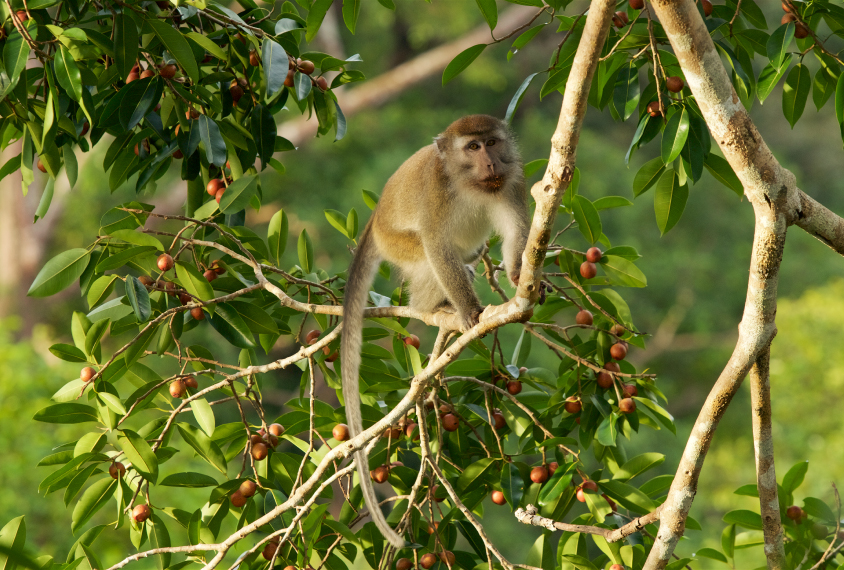
RNA therapy restores gene function in monkeys modeling Angelman syndrome
The result raises hopes for an ongoing clinical trial in people — and offers fresh insight into the biology of imprinting and the UBE3A antisense transcript.
RNA therapy restores gene function in monkeys modeling Angelman syndrome
The result raises hopes for an ongoing clinical trial in people — and offers fresh insight into the biology of imprinting and the UBE3A antisense transcript.
Adult Angelman mice get some benefit from boosting UBE3A gene expression
The treatment eases the animals’ sleep troubles, suggesting it has clinically meaningful effects beyond what was thought to be a critical window in early life.
Adult Angelman mice get some benefit from boosting UBE3A gene expression
The treatment eases the animals’ sleep troubles, suggesting it has clinically meaningful effects beyond what was thought to be a critical window in early life.
Beyond the bench: Finding solitude with Jill Silverman
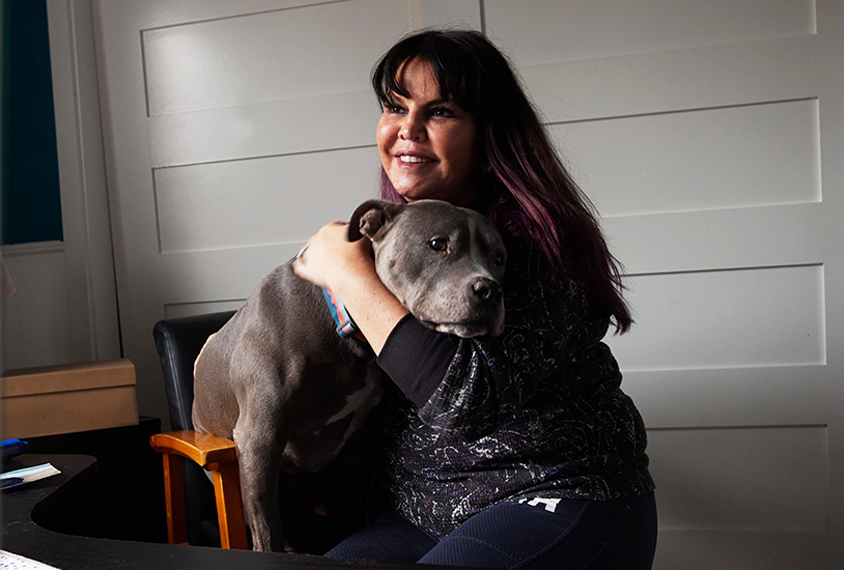
The people-focused researcher shares her secrets to carving out time for grant writing, creating work-life balance and letting go of unread emails.
Beyond the bench: Finding solitude with Jill Silverman
The people-focused researcher shares her secrets to carving out time for grant writing, creating work-life balance and letting go of unread emails.
Promising preclinical results prompt Angelman therapy trial
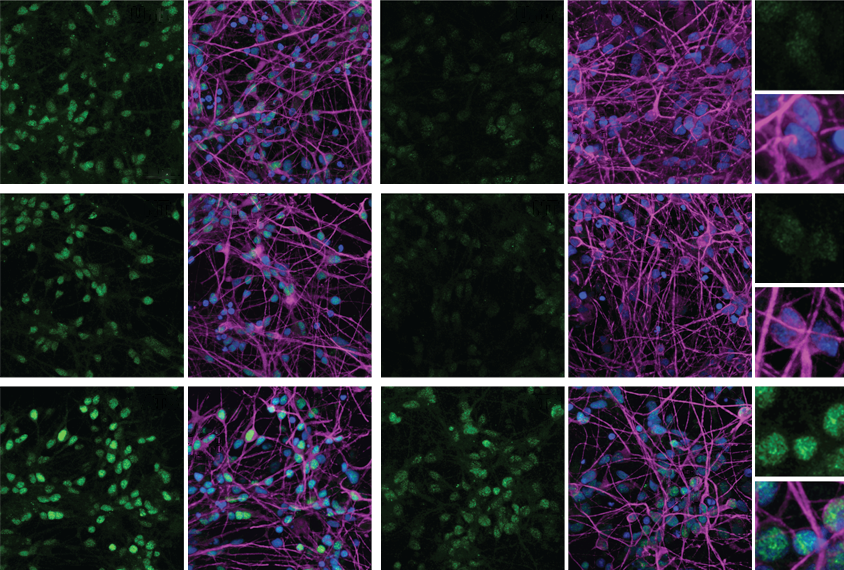
Roche’s gene therapy drug Rugonersen boosts expression of the protein missing in the syndrome in mice and monkeys, but whether it works in people remains to be seen.
Promising preclinical results prompt Angelman therapy trial
Roche’s gene therapy drug Rugonersen boosts expression of the protein missing in the syndrome in mice and monkeys, but whether it works in people remains to be seen.
Angelman therapy appears safer in restarted trial
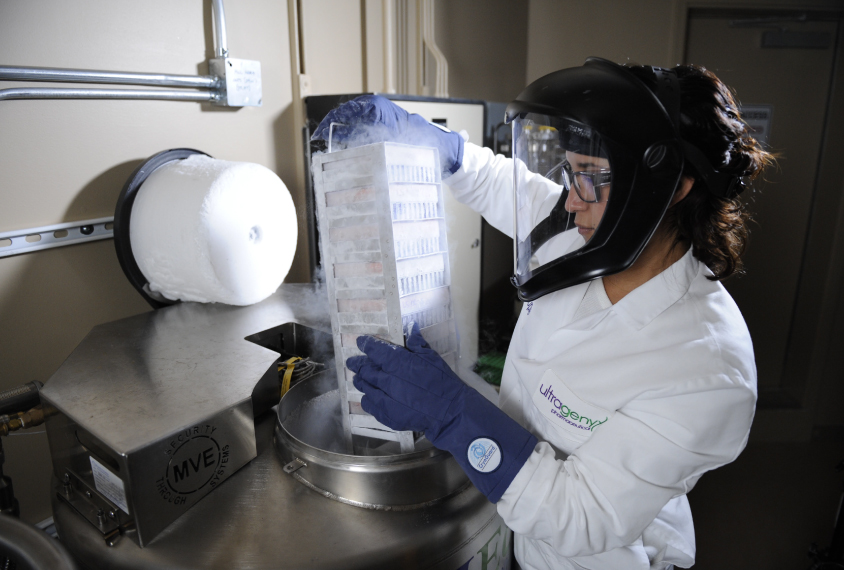
Interim results from the previously paused trial suggest that doses of the experimental gene therapy drug GTX-102 are well tolerated in children with the autism-linked condition.
Angelman therapy appears safer in restarted trial
Interim results from the previously paused trial suggest that doses of the experimental gene therapy drug GTX-102 are well tolerated in children with the autism-linked condition.
Enrichment lessens Angelman-like traits in male mice
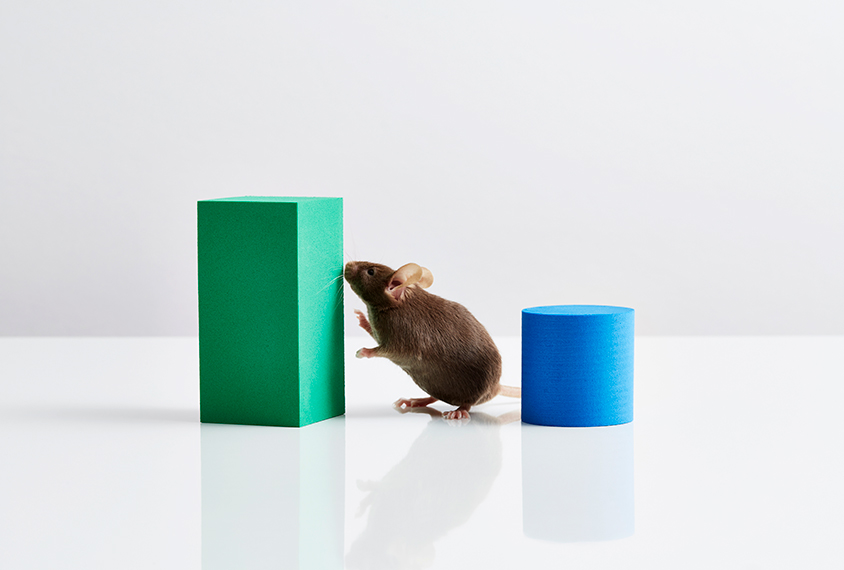
Model animals don’t develop the usual behavioral and motor problems when reared in an enclosure containing exercise wheels, toys and treats.
Enrichment lessens Angelman-like traits in male mice
Model animals don’t develop the usual behavioral and motor problems when reared in an enclosure containing exercise wheels, toys and treats.
Explore more from The Transmitter
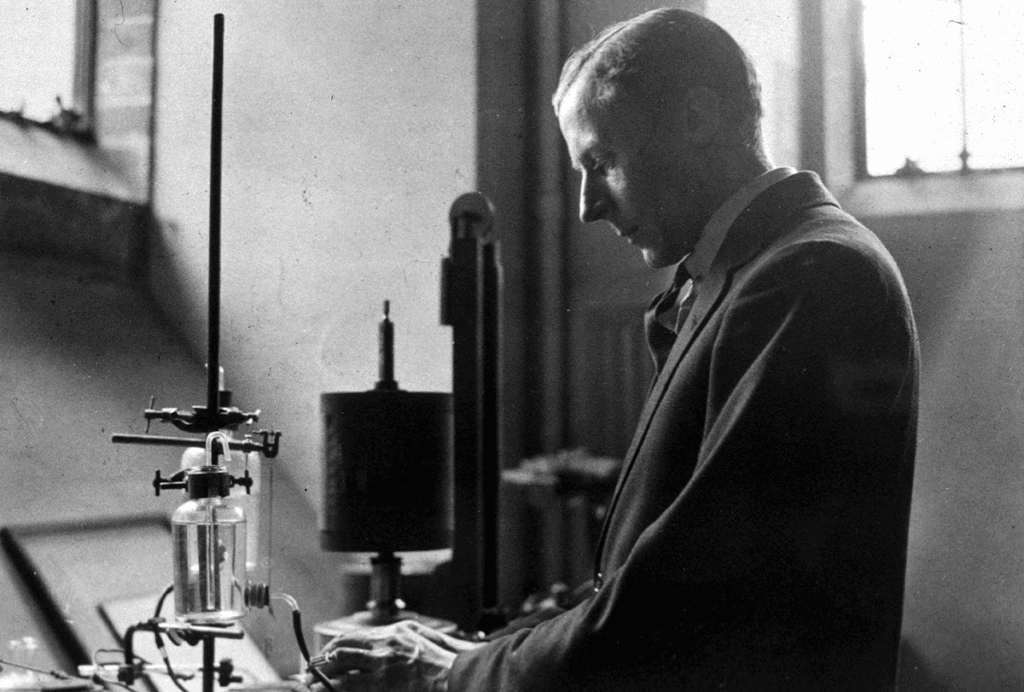
The neural code at 100
In two 1926 articles, Edgar Douglas Adrian revealed that neurons communicate through trains of spikes.
The neural code at 100
In two 1926 articles, Edgar Douglas Adrian revealed that neurons communicate through trains of spikes.
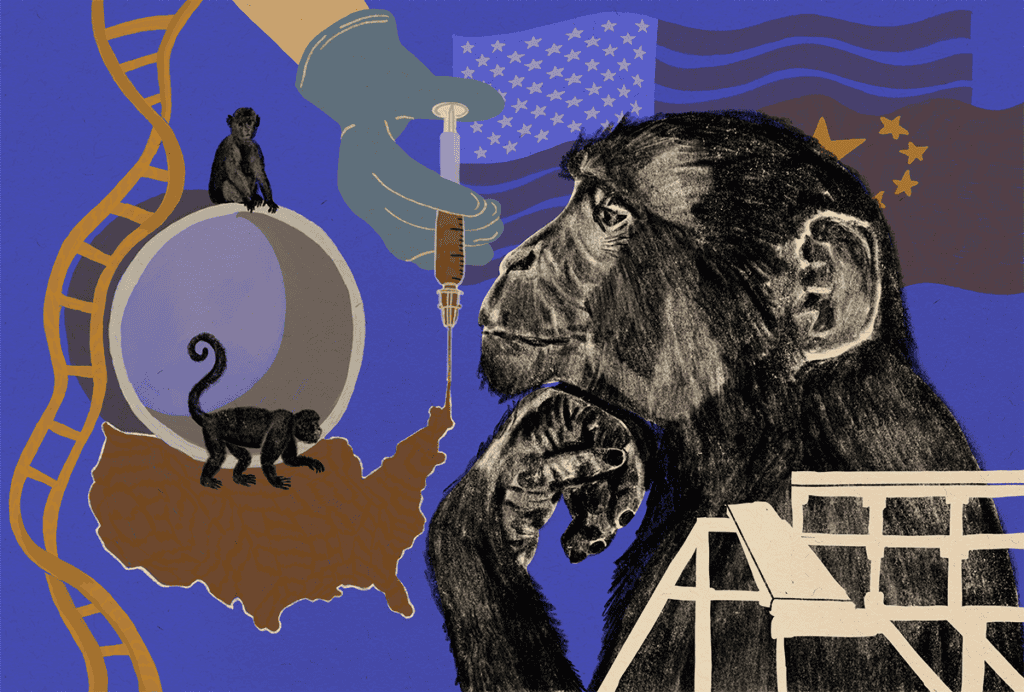
U.S. national primate research centers face an uncertain future
The facilities were meant to last 100 years. Four decades shy of that mark, amid flatlined funds and mounting political pressure, their directors are trying to find a path forward.
U.S. national primate research centers face an uncertain future
The facilities were meant to last 100 years. Four decades shy of that mark, amid flatlined funds and mounting political pressure, their directors are trying to find a path forward.
What if nonhuman primate research goes away?
As the U.S. government takes steps to stop using nonhuman primates in research, The Transmitter investigates what that shift could mean for neuroscience.
What if nonhuman primate research goes away?
As the U.S. government takes steps to stop using nonhuman primates in research, The Transmitter investigates what that shift could mean for neuroscience.