CHD8
Recent articles
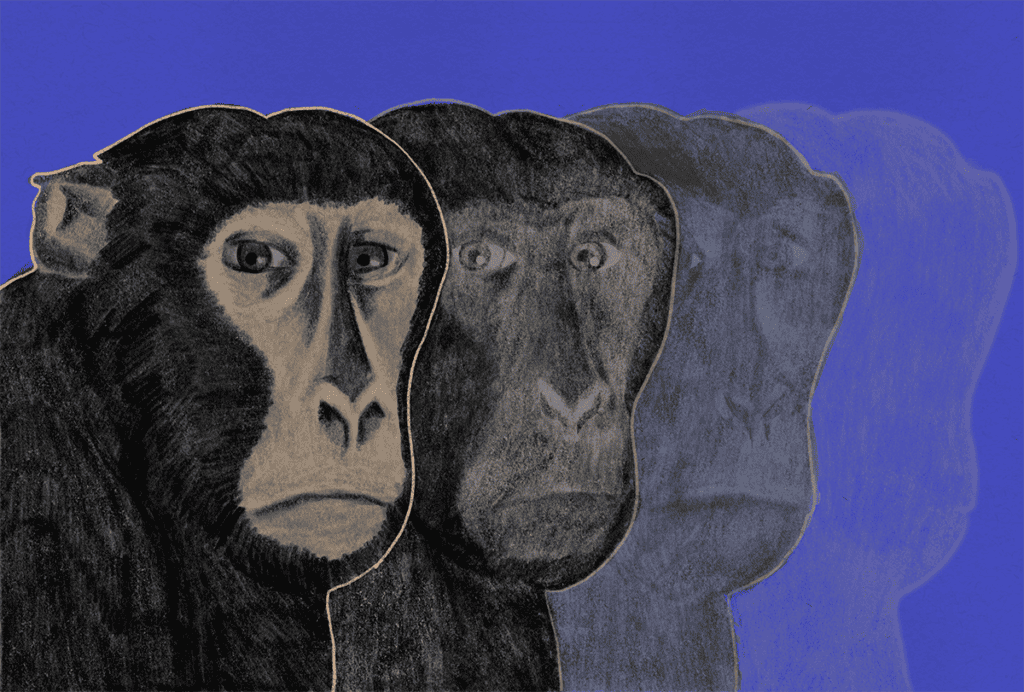
Autism research involving monkeys contends with uphill battle
Macaques and marmosets recapitulate the condition’s core traits better than mice can, but funding uncertainty and challenges at primate centers in the United States could make this work difficult to continue.
Autism research involving monkeys contends with uphill battle
Macaques and marmosets recapitulate the condition’s core traits better than mice can, but funding uncertainty and challenges at primate centers in the United States could make this work difficult to continue.
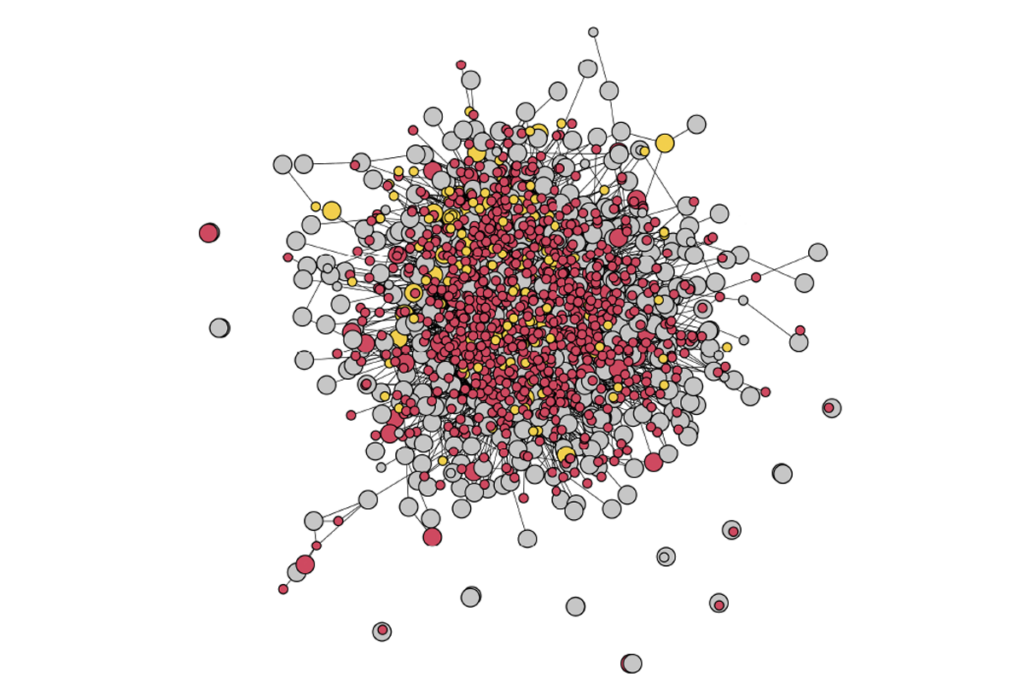
Sequencing study spotlights tight web of genes tied to autism
The findings, shared in a preprint, help to illuminate how a large and heterogeneous group of genes could be involved in autism.
Sequencing study spotlights tight web of genes tied to autism
The findings, shared in a preprint, help to illuminate how a large and heterogeneous group of genes could be involved in autism.
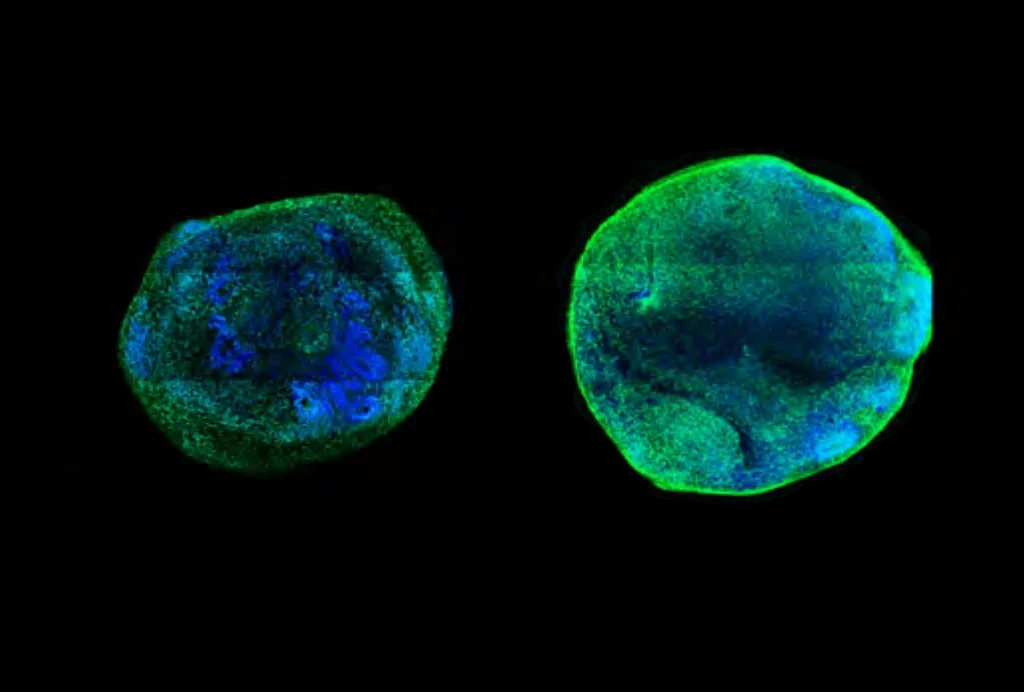
CRISPR gives autism-linked genes a boost, rescues functioning
A modified form of the gene-editing tool increases the expression of CHD8 and SCN2A, showing potential for autism therapies.
CRISPR gives autism-linked genes a boost, rescues functioning
A modified form of the gene-editing tool increases the expression of CHD8 and SCN2A, showing potential for autism therapies.
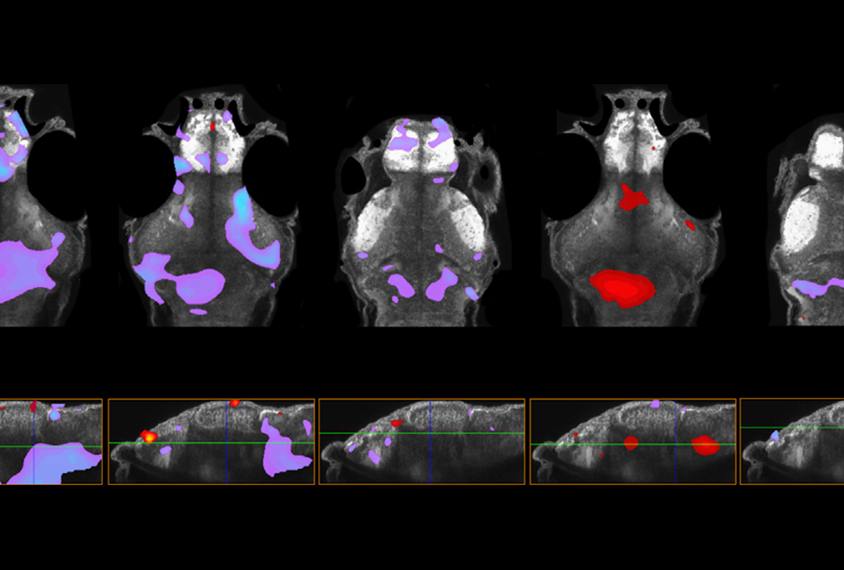
Autism-related genes converge on microglia and dopamine in zebrafish
The findings add to the growing evidence that genes with disparate functions can play similar roles in brain development.
Autism-related genes converge on microglia and dopamine in zebrafish
The findings add to the growing evidence that genes with disparate functions can play similar roles in brain development.
Chromatin remodeling tied to altered splicing in autism model
Exposing neurons to valproic acid, a well-known environmental risk factor for autism, disrupts their ability to generate different proteins from the same gene.
Chromatin remodeling tied to altered splicing in autism model
Exposing neurons to valproic acid, a well-known environmental risk factor for autism, disrupts their ability to generate different proteins from the same gene.
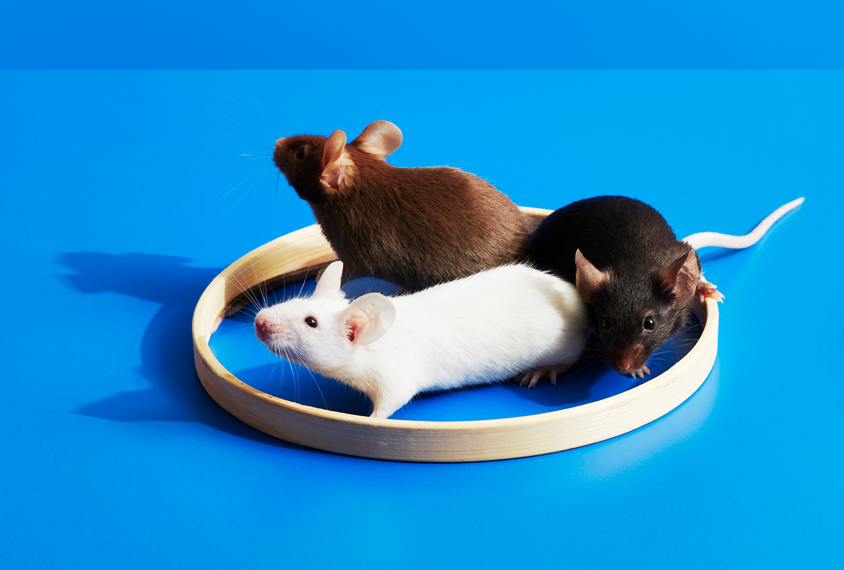
CHD8 mutation in 33 mouse strains yields range of traits
The findings put genetic background forward to help explain autism’s heterogeneity.
CHD8 mutation in 33 mouse strains yields range of traits
The findings put genetic background forward to help explain autism’s heterogeneity.
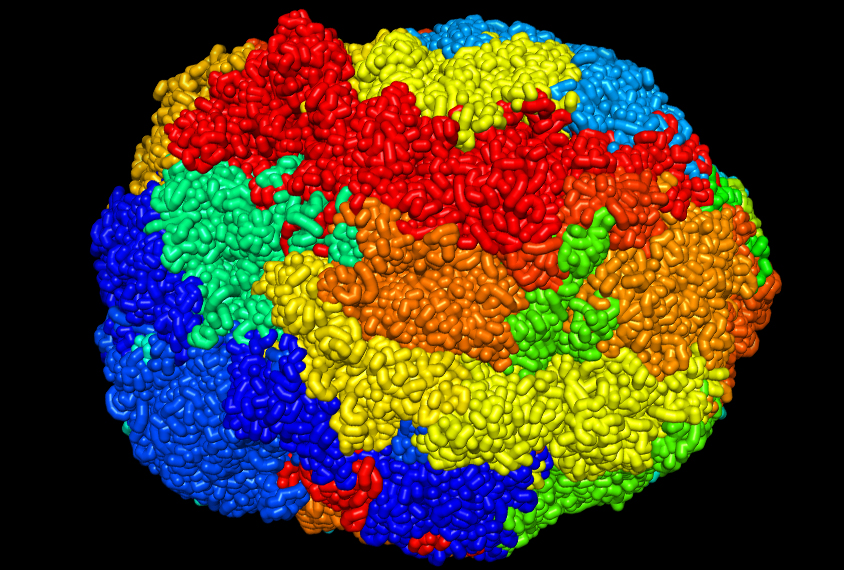
Flexible genomic architecture undergoes major redesigns during cerebellum development
A new atlas reveals how the structural shake-ups within a cell’s genome differ by cell type and brain region over time.
Flexible genomic architecture undergoes major redesigns during cerebellum development
A new atlas reveals how the structural shake-ups within a cell’s genome differ by cell type and brain region over time.
Community Newsletter: Autism gene lists, genetic diversity in mouse models, an autism biomarker
This week, we’re bringing you some labors of love: a thread lamenting the autism field’s focus on gene lists, a study introducing genetic diversity in mouse models, and long-awaited results from a biomarker study.
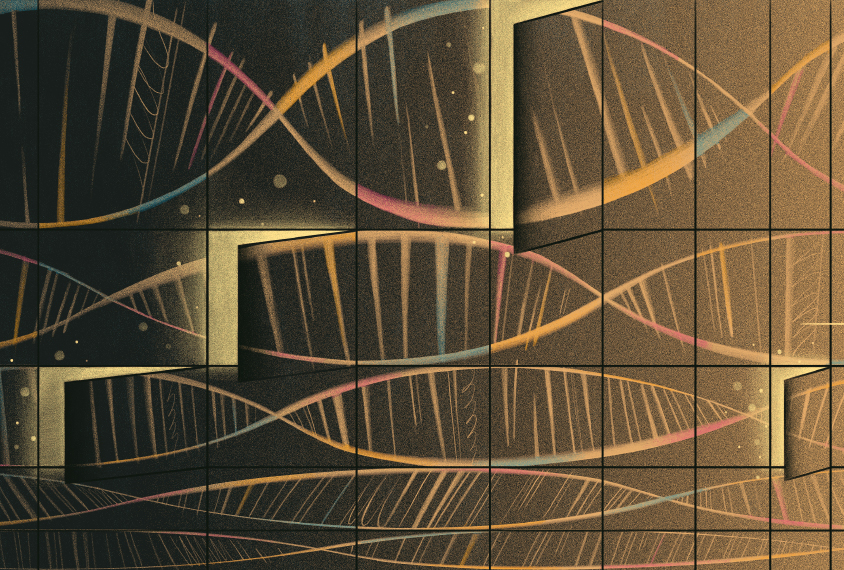
‘Double duty’ autism-linked genes upend conventional characterizations
What these genes do and how they affect autism depends on when in development they’re studied, despite what classic ‘gene ontology’ analyses say.
‘Double duty’ autism-linked genes upend conventional characterizations
What these genes do and how they affect autism depends on when in development they’re studied, despite what classic ‘gene ontology’ analyses say.
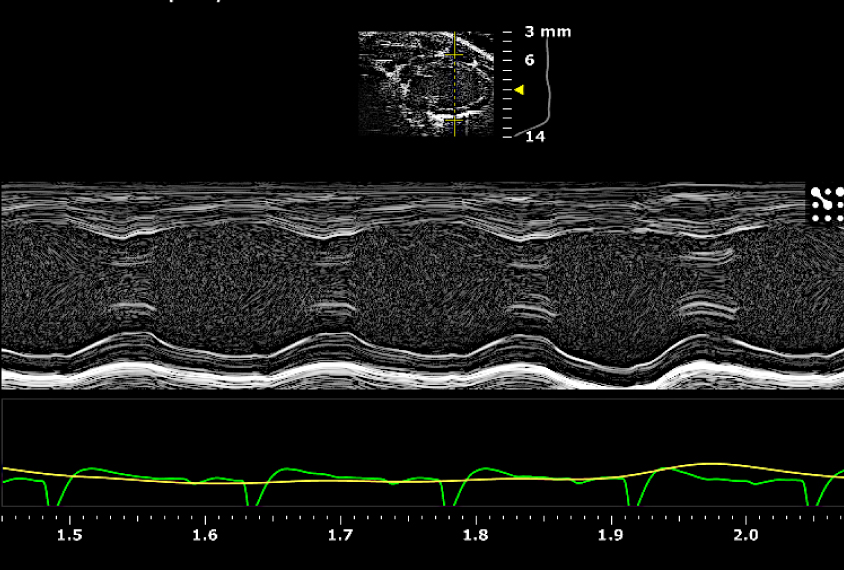
Heart anomalies abound in mouse models of autism
Of nine genetic models examined in a new study, all had some incidence of cardiac abnormalities. But the problems varied widely depending on the affected genes.
Heart anomalies abound in mouse models of autism
Of nine genetic models examined in a new study, all had some incidence of cardiac abnormalities. But the problems varied widely depending on the affected genes.
Explore more from The Transmitter
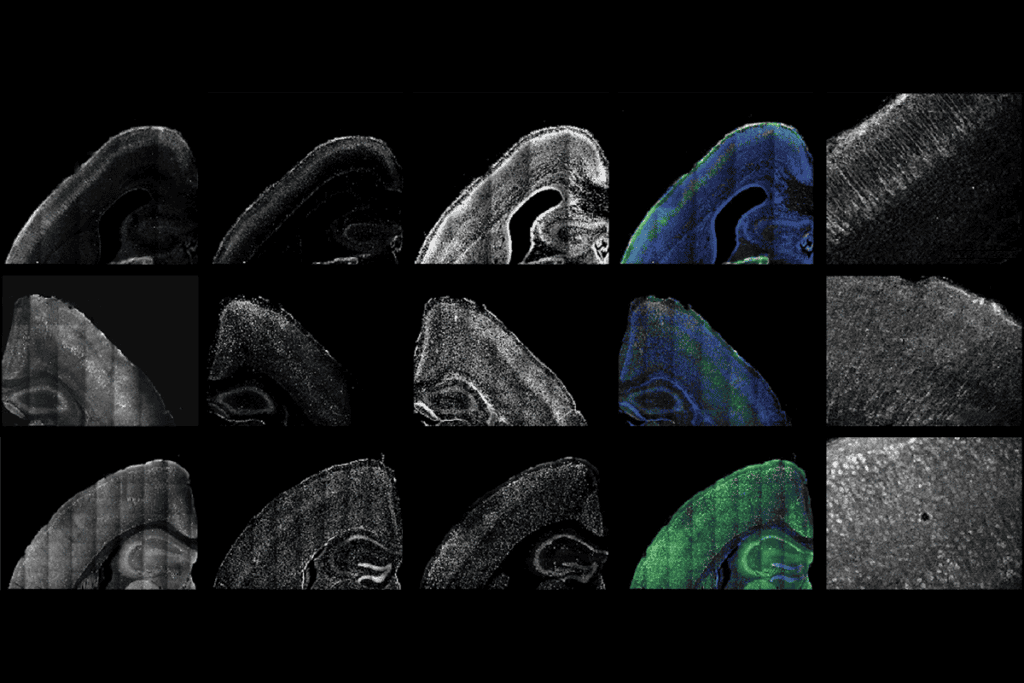
Loss of Angelman-linked UBE3A gene triggers stress response in neurons
A failure to break down asparagine synthetase ultimately leads to stunted neuronal development.
Loss of Angelman-linked UBE3A gene triggers stress response in neurons
A failure to break down asparagine synthetase ultimately leads to stunted neuronal development.
What makes computation possible in brains?
Nima Dehghani formalizes how computation can arise out of physical systems, such as brains, and describes the “special sauce” for real biological agency.
What makes computation possible in brains?
Nima Dehghani formalizes how computation can arise out of physical systems, such as brains, and describes the “special sauce” for real biological agency.
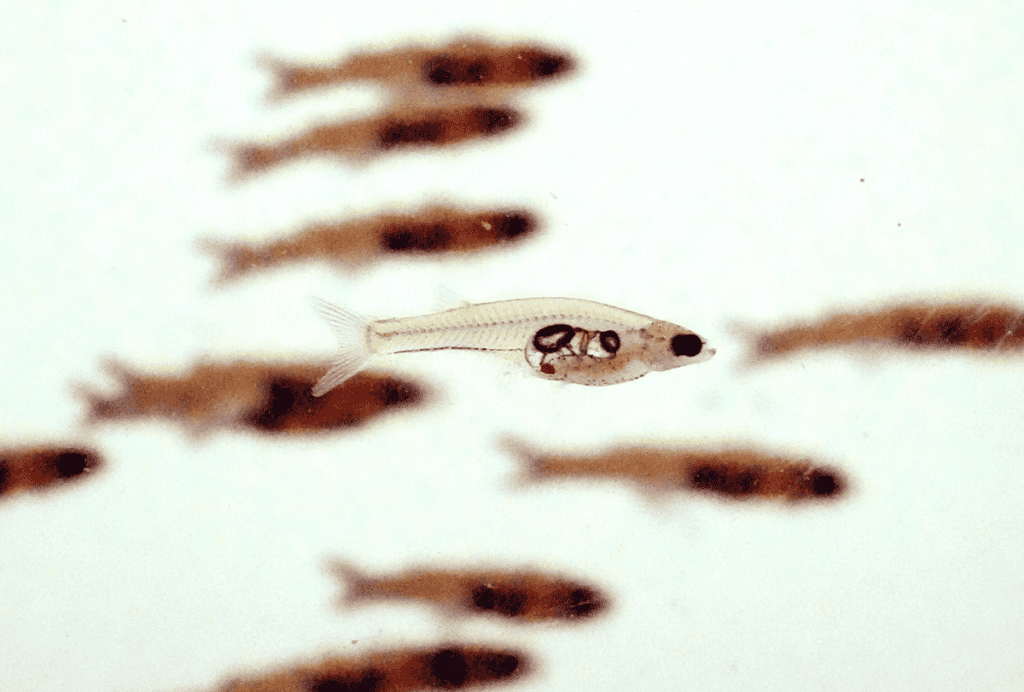
Fish brains follow swimming friends to avoid foes
A subset of neurons in glassfish activate when the animals see others escape, new research shows, offering clues for how collective behaviors emerge from individual neural activity.
Fish brains follow swimming friends to avoid foes
A subset of neurons in glassfish activate when the animals see others escape, new research shows, offering clues for how collective behaviors emerge from individual neural activity.