Craft and careers
Recent articles
Inspiring stories and practical advice for neuroscientists
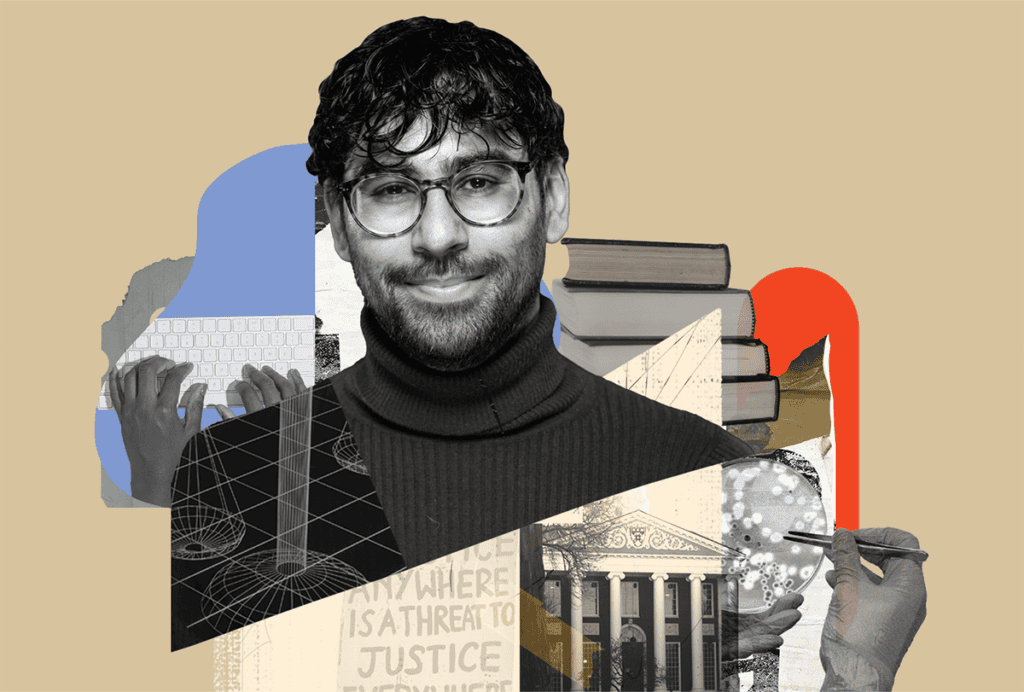
Training graduate students as a teaching professor
Mayank Chugh instructs graduate students in a range of molecular biology techniques at the University of Maryland and carves out time to do metascience research as well.
Training graduate students as a teaching professor
Mayank Chugh instructs graduate students in a range of molecular biology techniques at the University of Maryland and carves out time to do metascience research as well.

Amid funding uncertainty, graduate neuroscience programs in the U.S. adapt
The Transmitter surveyed 50 graduate program directors to learn how they’re faring. Securing labs for new students is one of the greatest concerns.
Amid funding uncertainty, graduate neuroscience programs in the U.S. adapt
The Transmitter surveyed 50 graduate program directors to learn how they’re faring. Securing labs for new students is one of the greatest concerns.
The changing nature of the neuroscience Ph.D.
The best science can only be sustained by a steady influx of early-stage scientists and the innovative ideas they bring, says Diane Lipscombe. She reflects on the loss of international students, the value of training grants, and the challenges that lie ahead for graduate education.
Rethinking neuroscience graduate education in the age of AI
What knowledge from traditional training protocols needs to be maintained, what can be discarded, and what new types of training should be introduced? Six neuroscientists weigh in.
Rethinking neuroscience graduate education in the age of AI
What knowledge from traditional training protocols needs to be maintained, what can be discarded, and what new types of training should be introduced? Six neuroscientists weigh in.
Neuroscience gave AI its start. What happens now?
David Sussillo maps the two fields' divergent paths, and where they might still meet.
Neuroscience gave AI its start. What happens now?
David Sussillo maps the two fields' divergent paths, and where they might still meet.
Creating community through grant support
Fiona Sanderson, a senior program manager at the Brain Canada Foundation, shares how she got into grant administration and how she helps connect researchers with funding and one another.
Creating community through grant support
Fiona Sanderson, a senior program manager at the Brain Canada Foundation, shares how she got into grant administration and how she helps connect researchers with funding and one another.
Grant review needs reform. How about we add an element of chance?
A process that uses a lottery system saves time, reduces strategic resubmission and accepts that, above a quality threshold, luck has always played a part in science funding.
Grant review needs reform. How about we add an element of chance?
A process that uses a lottery system saves time, reduces strategic resubmission and accepts that, above a quality threshold, luck has always played a part in science funding.
Building brain-computer interfaces at a neurotech company
At Blackrock Neurotech, Spencer Kellis develops implantable devices that help people with brain and spinal cord conditions communicate, move and more.
Building brain-computer interfaces at a neurotech company
At Blackrock Neurotech, Spencer Kellis develops implantable devices that help people with brain and spinal cord conditions communicate, move and more.
Amid funding uncertainty, neuroscientists report a mix of cynicism, persistence
Two years into one of the most tumultuous tenures in U.S. federal funding, researchers outline how they are coping with ongoing changes and reflect on the impact these changes are having on the system more broadly.
Amid funding uncertainty, neuroscientists report a mix of cynicism, persistence
Two years into one of the most tumultuous tenures in U.S. federal funding, researchers outline how they are coping with ongoing changes and reflect on the impact these changes are having on the system more broadly.
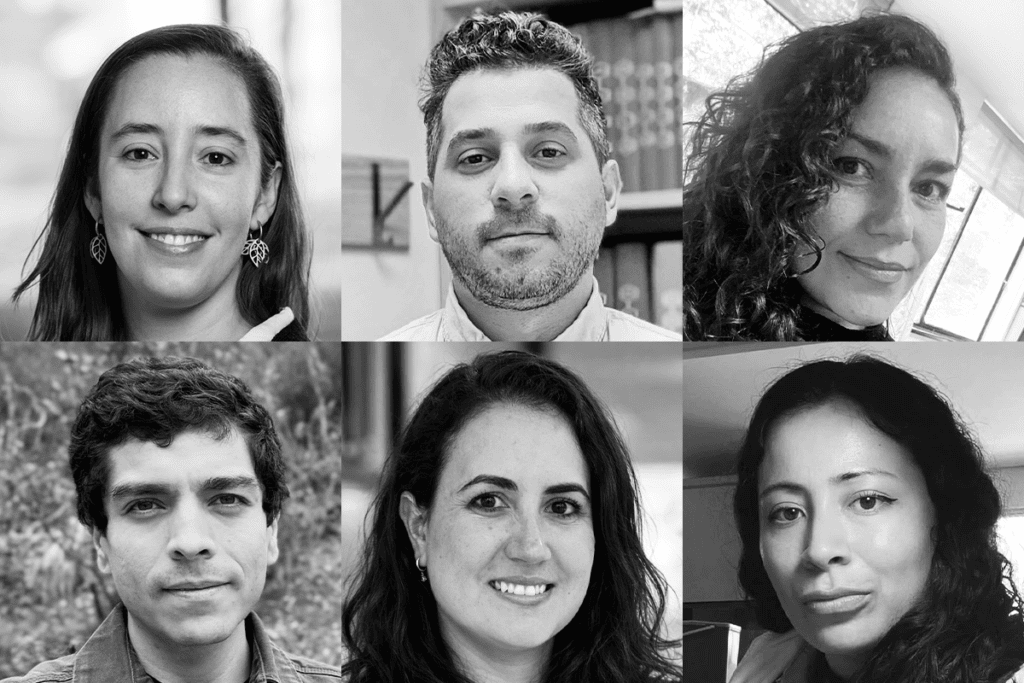
The Transmitter’s directory of new labs in Latin America
Learn about early-career neuroscientists who have started new labs or independent lines of research in Latin America over the past five years.
The Transmitter’s directory of new labs in Latin America
Learn about early-career neuroscientists who have started new labs or independent lines of research in Latin America over the past five years.
Explore more from The Transmitter
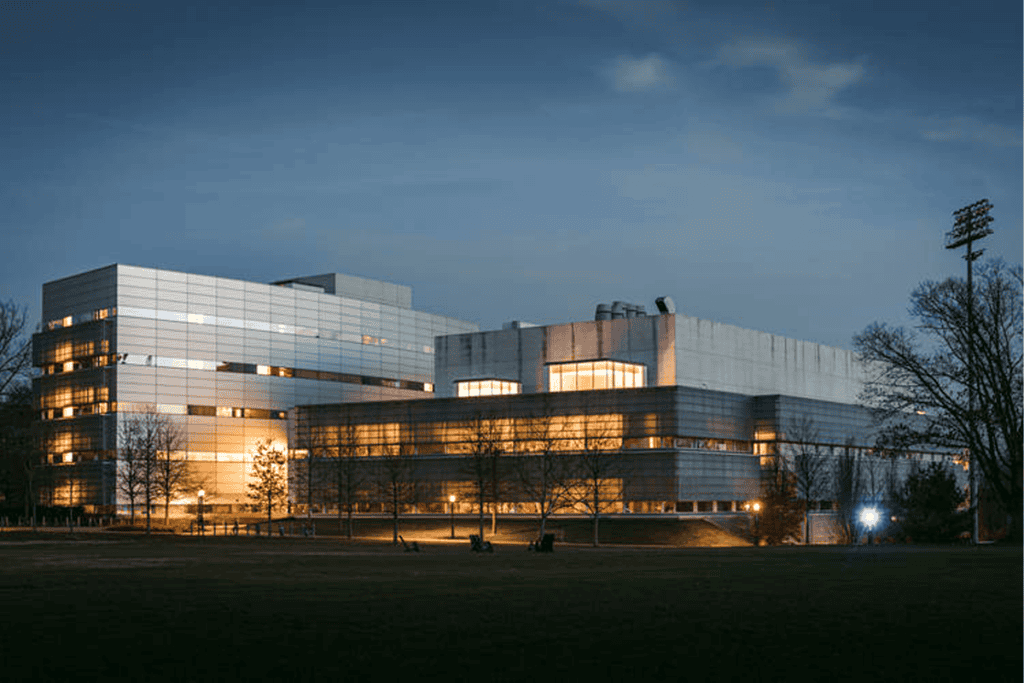
‘Shock and pain’ after ICE detains Princeton neuroscientist
Eva Yi Xie, a third-year graduate student in Carlos Brody’s lab at Princeton University, was detained yesterday at an airport in Washington, D.C., while traveling from the Society for Neuroscience meeting.
‘Shock and pain’ after ICE detains Princeton neuroscientist
Eva Yi Xie, a third-year graduate student in Carlos Brody’s lab at Princeton University, was detained yesterday at an airport in Washington, D.C., while traveling from the Society for Neuroscience meeting.
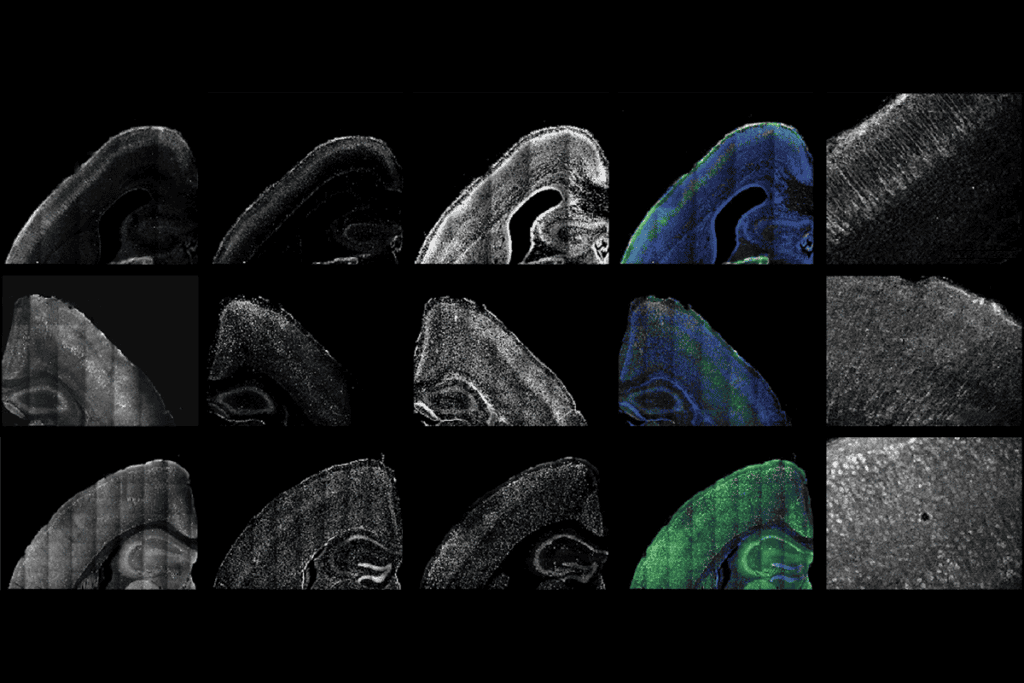
Loss of Angelman-linked UBE3A gene triggers stress response in neurons
A failure to break down asparagine synthetase ultimately leads to stunted neuronal development.
Loss of Angelman-linked UBE3A gene triggers stress response in neurons
A failure to break down asparagine synthetase ultimately leads to stunted neuronal development.
What makes computation possible in brains?
Nima Dehghani formalizes how computation can arise out of physical systems, such as brains, and describes the “special sauce” for real biological agency.
What makes computation possible in brains?
Nima Dehghani formalizes how computation can arise out of physical systems, such as brains, and describes the “special sauce” for real biological agency.