Education
Recent articles

Amid funding uncertainty, graduate neuroscience programs in the U.S. adapt
The Transmitter surveyed 50 graduate program directors to learn how they’re faring. Securing labs for new students is one of the greatest concerns.
Amid funding uncertainty, graduate neuroscience programs in the U.S. adapt
The Transmitter surveyed 50 graduate program directors to learn how they’re faring. Securing labs for new students is one of the greatest concerns.

The changing nature of the neuroscience Ph.D.
The best science can only be sustained by a steady influx of early-stage scientists and the innovative ideas they bring, says Diane Lipscombe. She reflects on the loss of international students, the value of training grants, and the challenges that lie ahead for graduate education.
Rethinking neuroscience graduate education in the age of AI
What knowledge from traditional training protocols needs to be maintained, what can be discarded, and what new types of training should be introduced? Six neuroscientists weigh in.
Rethinking neuroscience graduate education in the age of AI
What knowledge from traditional training protocols needs to be maintained, what can be discarded, and what new types of training should be introduced? Six neuroscientists weigh in.
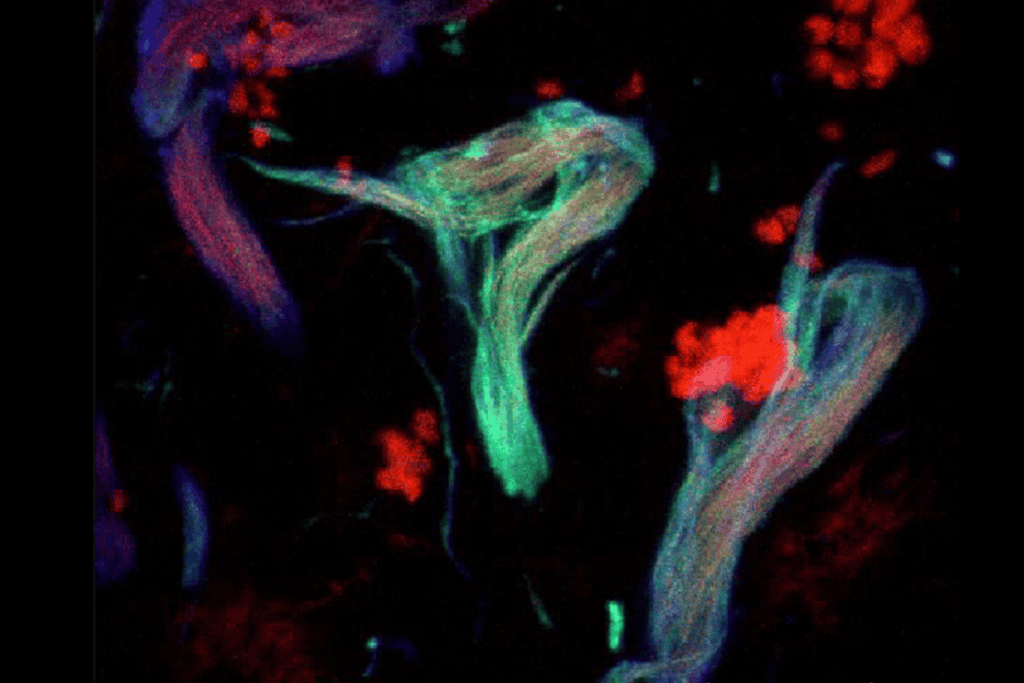
Reimagining Mexico’s brain bank
Since Alzheimer’s disease researcher José Luna-Muñoz assumed leadership of the facility—Latin America’s oldest—in 2011, he has been acquiring additional tissue types and is working to expand donor recruitment to rural areas.
Reimagining Mexico’s brain bank
Since Alzheimer’s disease researcher José Luna-Muñoz assumed leadership of the facility—Latin America’s oldest—in 2011, he has been acquiring additional tissue types and is working to expand donor recruitment to rural areas.
Reimaginando o banco de cérebros do México
Desde que o pesquisador da doença de Alzheimer José Luna-Muñoz assumiu a direção da instituição—a mais antiga da América Latina—em 2011, ele vem adquirindo novos tipos de tecido e trabalhando para ampliar o recrutamento de doadores nas áreas rurais
Reimaginando o banco de cérebros do México
Desde que o pesquisador da doença de Alzheimer José Luna-Muñoz assumiu a direção da instituição—a mais antiga da América Latina—em 2011, ele vem adquirindo novos tipos de tecido e trabalhando para ampliar o recrutamento de doadores nas áreas rurais
Reimaginando el banco de cerebros de México
Desde que el investigador de la enfermedad de Alzheimer José Luna-Muñoz se hizo cargo del banco de cerebros—el más antiguo de América Latina—en 2011, ha incorporado otros tipos de tejidos y trabaja para ampliar la captación de donantes a las zonas rurales.
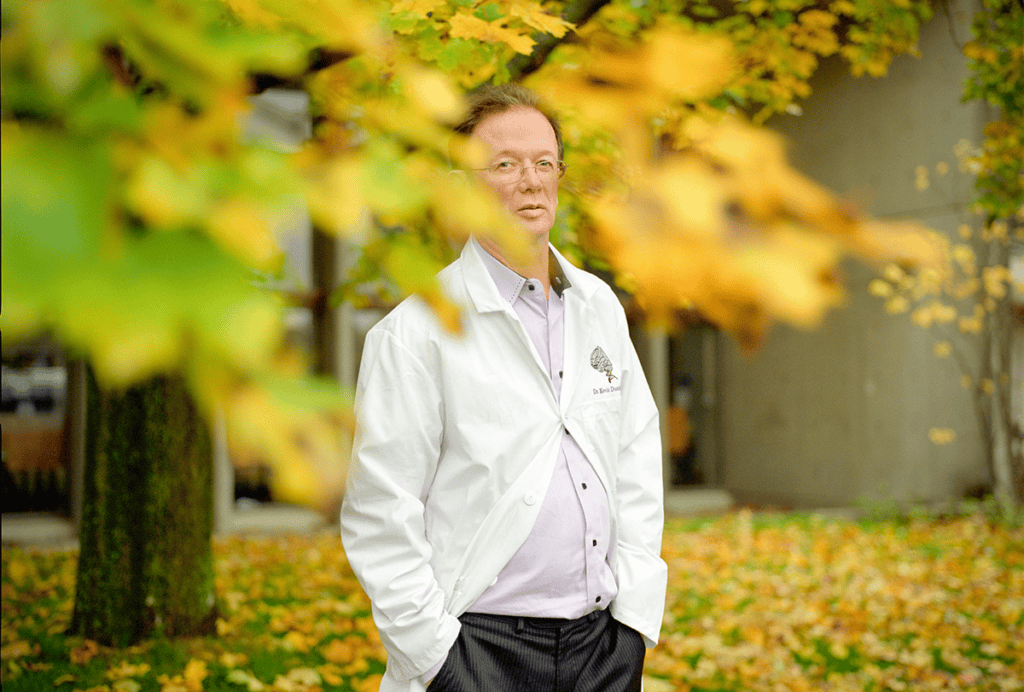
In memoriam: Kevin Dunbar, who traced the neural basis of human reasoning
Using imaging technologies, he transformed our understanding of how creativity and scientific discovery arise in the brain.
In memoriam: Kevin Dunbar, who traced the neural basis of human reasoning
Using imaging technologies, he transformed our understanding of how creativity and scientific discovery arise in the brain.

Reforming neuroscience graduate education for—and with—AI
In disrupting the status quo, artificial intelligence can help us critically reassess and redefine what neuroscience graduate training should look like—and potentially address long-standing training challenges in novel and innovative ways.
Reforming neuroscience graduate education for—and with—AI
In disrupting the status quo, artificial intelligence can help us critically reassess and redefine what neuroscience graduate training should look like—and potentially address long-standing training challenges in novel and innovative ways.

European Research Council backtracks on stricter grant resubmission rules
The swift reversal came after more than 1,000 scientists signed an open letter protesting the rules last week.
European Research Council backtracks on stricter grant resubmission rules
The swift reversal came after more than 1,000 scientists signed an open letter protesting the rules last week.
Scientists push back against stricter European Research Council grant application rules
In an open letter, scientists call the ERC’s suggestion to block grant reapplications for an additional year “at odds with scientific excellence.”
Scientists push back against stricter European Research Council grant application rules
In an open letter, scientists call the ERC’s suggestion to block grant reapplications for an additional year “at odds with scientific excellence.”
Explore more from The Transmitter
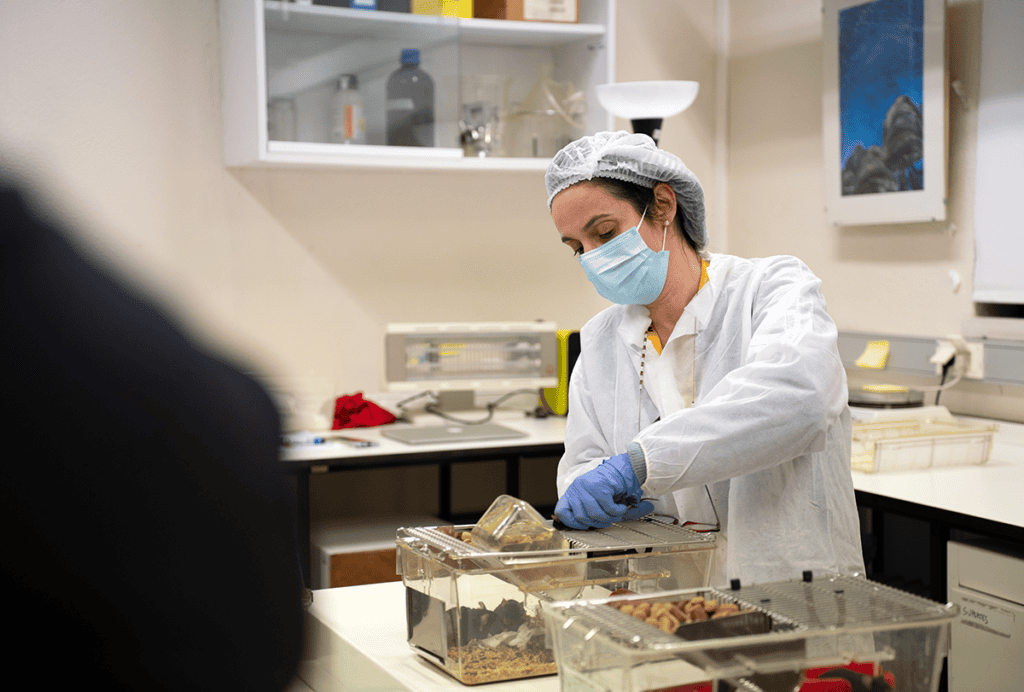
Public engagement can help cultivate support for animal research
The European Animal Research Association's Patient Discovery Project connects researchers with people who have the conditions they study. The learning goes both ways.
Public engagement can help cultivate support for animal research
The European Animal Research Association's Patient Discovery Project connects researchers with people who have the conditions they study. The learning goes both ways.
Brain registers spatial location outside hippocampus
A more complex picture of how an animal’s brain tracks its location is starting to emerge.
Brain registers spatial location outside hippocampus
A more complex picture of how an animal’s brain tracks its location is starting to emerge.
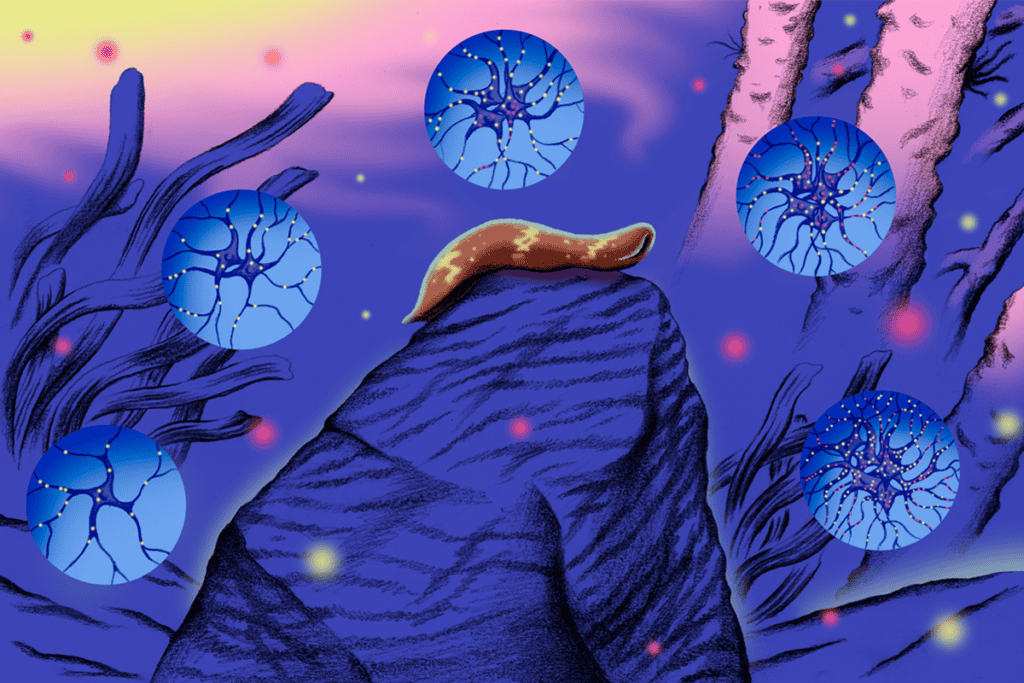
The three-banded panther worm is rewriting the story of brain evolution
The animal has a brain structure all its own, according to a 2026 preprint. The finding hints that brains could have evolved centralization before regionalization.
The three-banded panther worm is rewriting the story of brain evolution
The animal has a brain structure all its own, according to a 2026 preprint. The finding hints that brains could have evolved centralization before regionalization.