invertebrates
Recent articles
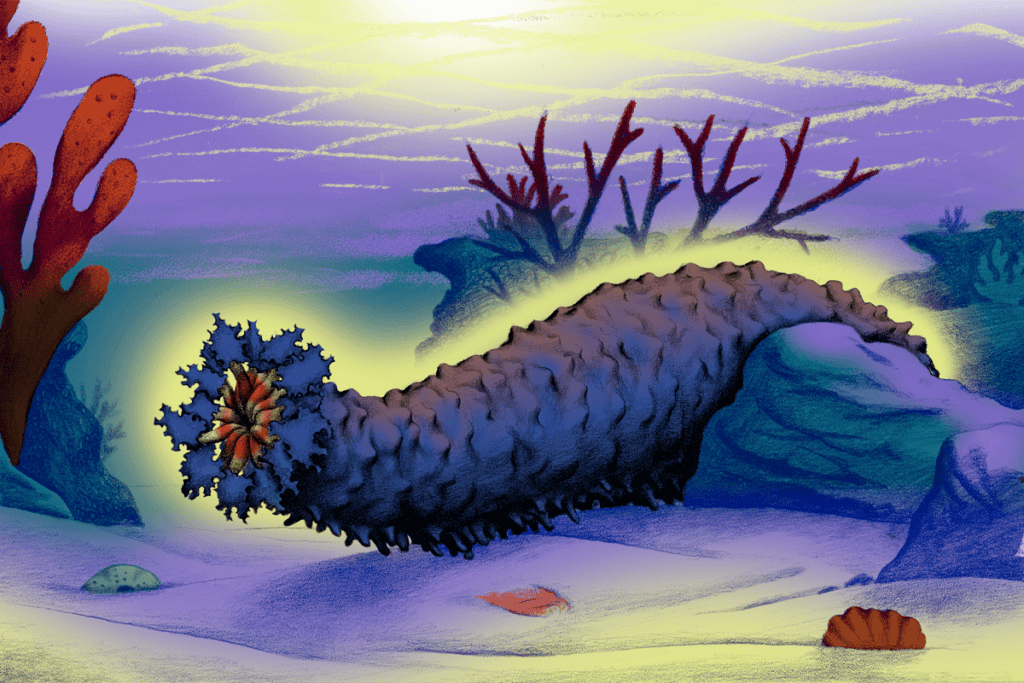
Inside the sea cucumber’s regenerative superpowers
José E. García-Arrarás studies how these marine invertebrates manage to regrow their nervous system, intestines and other internal organs in a matter of months after threats prompt them to literally spill their guts.
Inside the sea cucumber’s regenerative superpowers
José E. García-Arrarás studies how these marine invertebrates manage to regrow their nervous system, intestines and other internal organs in a matter of months after threats prompt them to literally spill their guts.
Os superpoderes regenerativos do pepino-do-mar
José E. García-Arrarás estuda como esses invertebrados marinhos conseguem regenerar seu sistema nervoso, intestinos e outros órgãos internos em questão de meses, depois que ameaças os levam a, literalmente, "expelir suas entranhas".
Os superpoderes regenerativos do pepino-do-mar
José E. García-Arrarás estuda como esses invertebrados marinhos conseguem regenerar seu sistema nervoso, intestinos e outros órgãos internos em questão de meses, depois que ameaças os levam a, literalmente, "expelir suas entranhas".
Los superpoderes regenerativos del pepino de mar
José E. García-Arrarás estudia cómo estos invertebrados marinos logran regenerar su sistema nervioso, intestinos y otros órganos internos en cuestión de meses, tras amenazas que los llevan a expulsar sus vísceras.
Los superpoderes regenerativos del pepino de mar
José E. García-Arrarás estudia cómo estos invertebrados marinos logran regenerar su sistema nervioso, intestinos y otros órganos internos en cuestión de meses, tras amenazas que los llevan a expulsar sus vísceras.
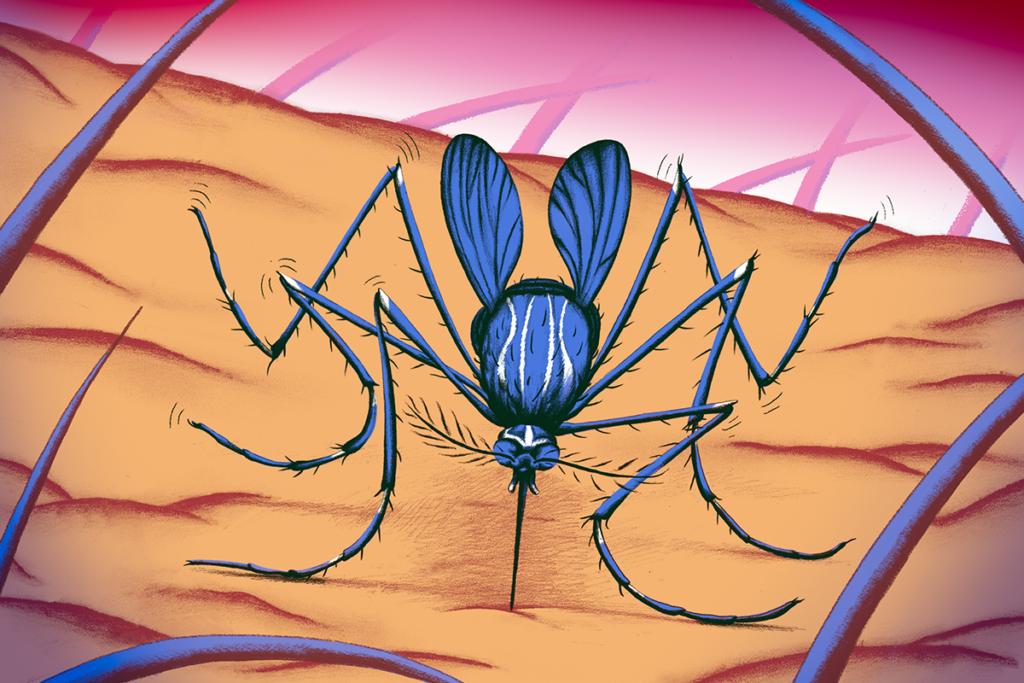
What mosquitos lay bare about proprioception
By comparing the proprioceptive systems of mosquitos and fruit flies, Sweta Agrawal aims to uncover fundamental features of the ability to sense self-movement.
What mosquitos lay bare about proprioception
By comparing the proprioceptive systems of mosquitos and fruit flies, Sweta Agrawal aims to uncover fundamental features of the ability to sense self-movement.
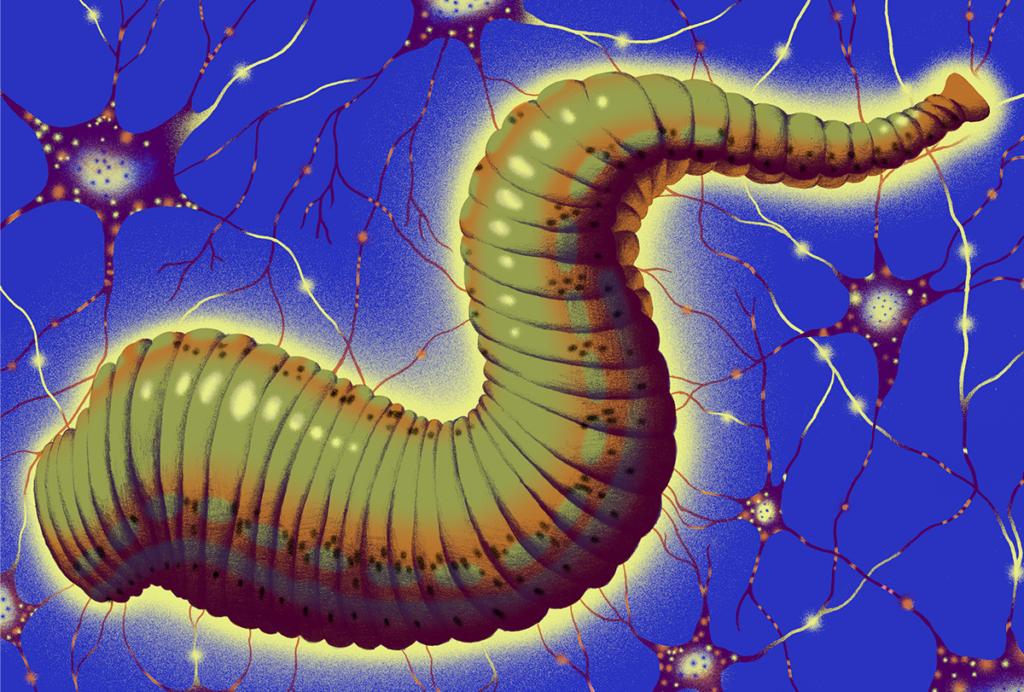
What leeches reveal about movement
Lidia Szczupak turned to the animals to explore how the nervous system coordinates movement.
What leeches reveal about movement
Lidia Szczupak turned to the animals to explore how the nervous system coordinates movement.
O que as sanguessugas revelam sobre o movimento
Lidia Szczupak recorreu a esses animais para investigar como o sistema nervoso coordena o movimento.
O que as sanguessugas revelam sobre o movimento
Lidia Szczupak recorreu a esses animais para investigar como o sistema nervoso coordena o movimento.
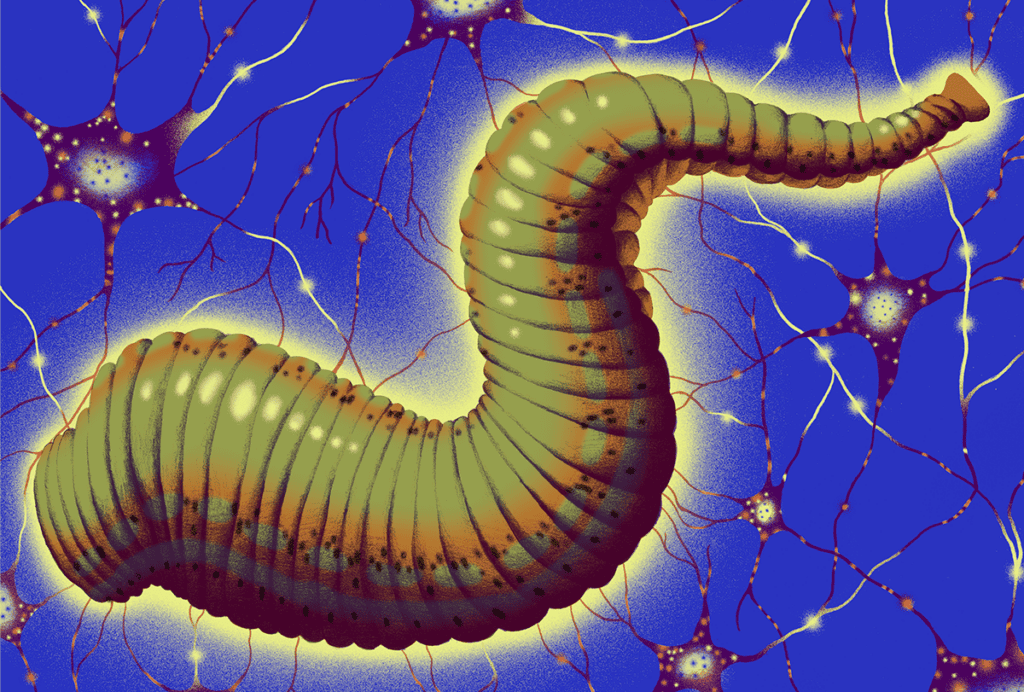
Lo que las sanguijuelas revelan sobre movimiento
Lidia Szczupak recurrió a los animales para explorar cómo el sistema nervioso coordina el movimiento.
Lo que las sanguijuelas revelan sobre movimiento
Lidia Szczupak recurrió a los animales para explorar cómo el sistema nervioso coordina el movimiento.
Explore more from The Transmitter
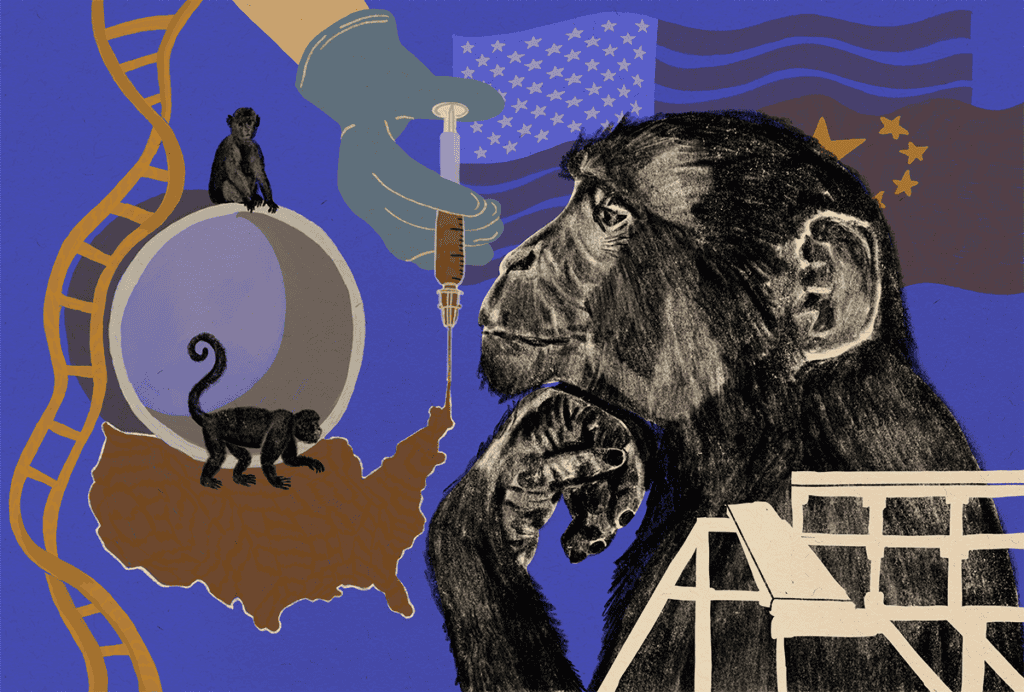
U.S. national primate research centers face an uncertain future
The facilities were meant to last 100 years. Four decades shy of that mark, amid flatlined funds and mounting political pressure, their directors are trying to find a path forward.
U.S. national primate research centers face an uncertain future
The facilities were meant to last 100 years. Four decades shy of that mark, amid flatlined funds and mounting political pressure, their directors are trying to find a path forward.
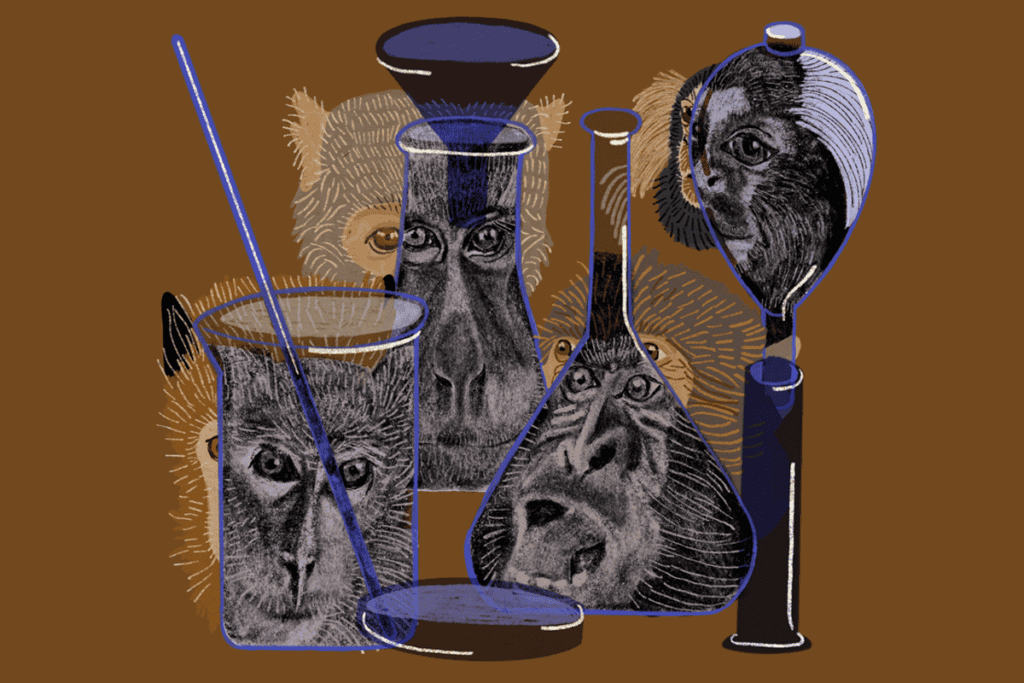
What if nonhuman primate research goes away?
As the U.S. government takes steps to stop using nonhuman primates in research, The Transmitter investigates what that shift could mean for neuroscience.
What if nonhuman primate research goes away?
As the U.S. government takes steps to stop using nonhuman primates in research, The Transmitter investigates what that shift could mean for neuroscience.
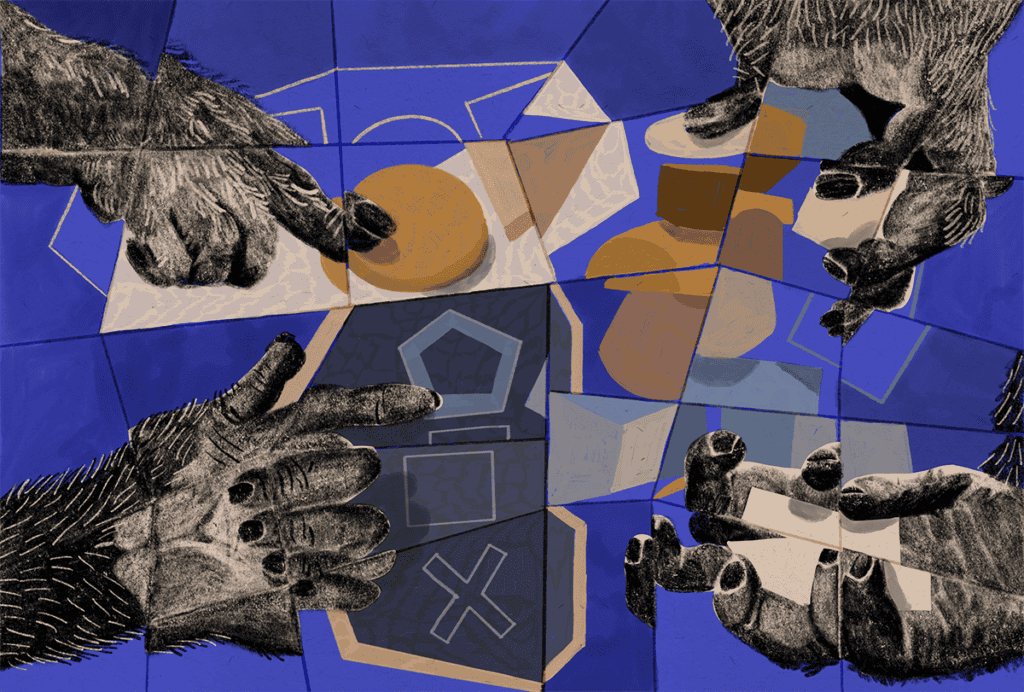
The neuroscience questions that need nonhuman primates
The Transmitter asked 17 neuroscientists what questions might remain unanswered if support for nonhuman primate research continues to decline.
The neuroscience questions that need nonhuman primates
The Transmitter asked 17 neuroscientists what questions might remain unanswered if support for nonhuman primate research continues to decline.