Locomotion
Recent articles
Neuromechanical models deepen our understanding of animal motor control
Thanks to recent progress in physics-based simulators and robotics, it has never been easier for neuroscientists to use neuromechanical modeling to test hypotheses about animal movement.
Neuromechanical models deepen our understanding of animal motor control
Thanks to recent progress in physics-based simulators and robotics, it has never been easier for neuroscientists to use neuromechanical modeling to test hypotheses about animal movement.
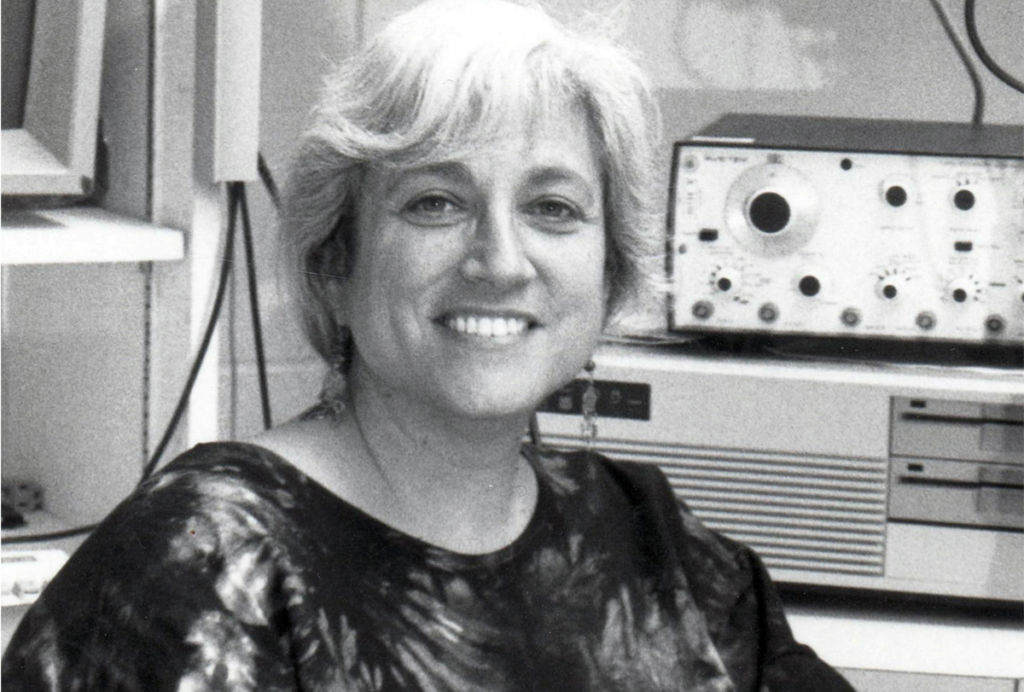
Remembering Avis H. Cohen, who bridged disciplines to decode lamprey locomotion
The founding director of the University of Maryland’s Neuroscience and Cognitive Science program brought neuroscience, math and engineering together.
Remembering Avis H. Cohen, who bridged disciplines to decode lamprey locomotion
The founding director of the University of Maryland’s Neuroscience and Cognitive Science program brought neuroscience, math and engineering together.
Long-sought walking circuit found in fruit flies
The neuronal circuit controlling repetitive locomotion patterns in any animal has been a mystery until now.
Long-sought walking circuit found in fruit flies
The neuronal circuit controlling repetitive locomotion patterns in any animal has been a mystery until now.
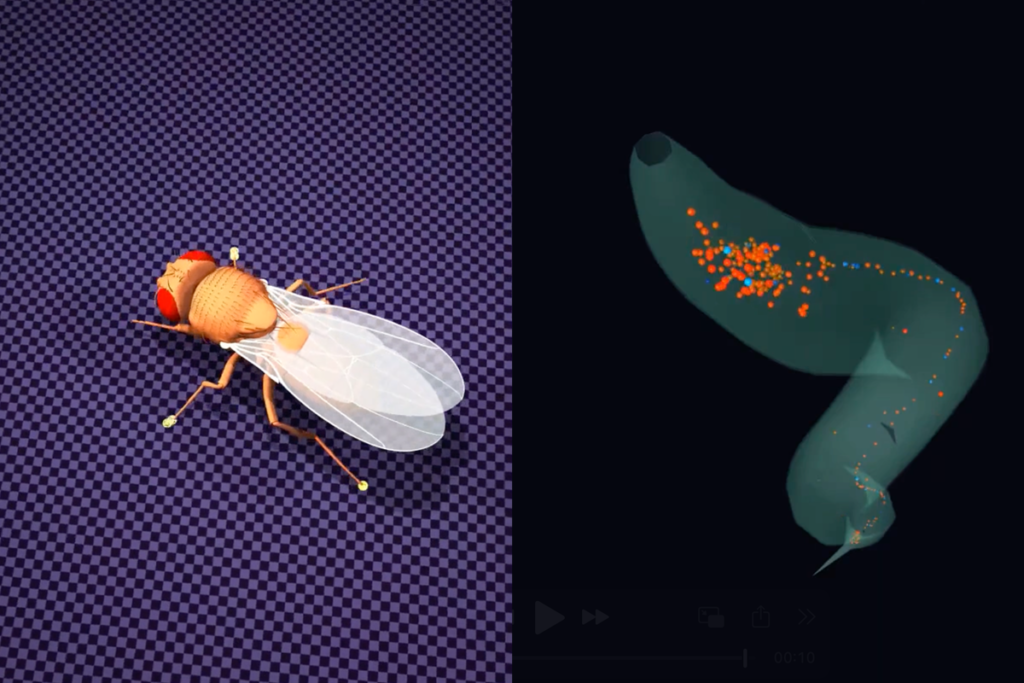
‘Digital sphinx’ raises questions about connectome models
The sphinx, with a worm’s brain and a fly’s body, illustrates the potential pitfalls of using deep-learning techniques to model biological processes.
‘Digital sphinx’ raises questions about connectome models
The sphinx, with a worm’s brain and a fly’s body, illustrates the potential pitfalls of using deep-learning techniques to model biological processes.
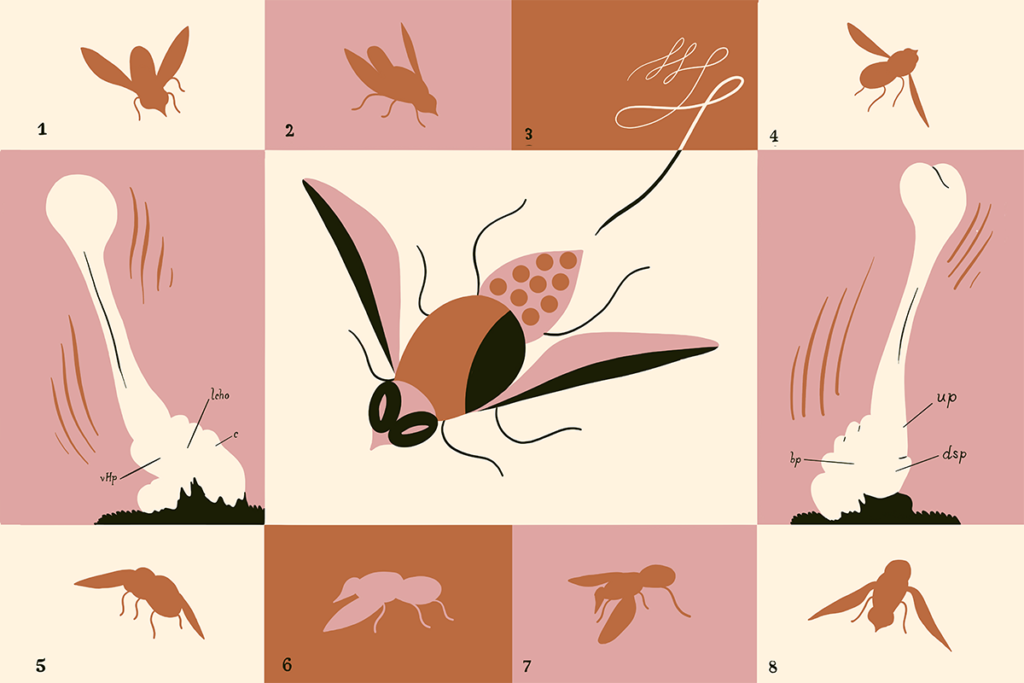
This paper changed my life: Bradley Dickerson on how a 1940s fly neuroanatomy paper influences his research to this day
This classic paper by zoologist John Pringle describes the haltere—a small structure in flies that plays a crucial role in flight control. It taught me to think about circuits and behavior as greater than the sum of their parts.
This paper changed my life: Bradley Dickerson on how a 1940s fly neuroanatomy paper influences his research to this day
This classic paper by zoologist John Pringle describes the haltere—a small structure in flies that plays a crucial role in flight control. It taught me to think about circuits and behavior as greater than the sum of their parts.
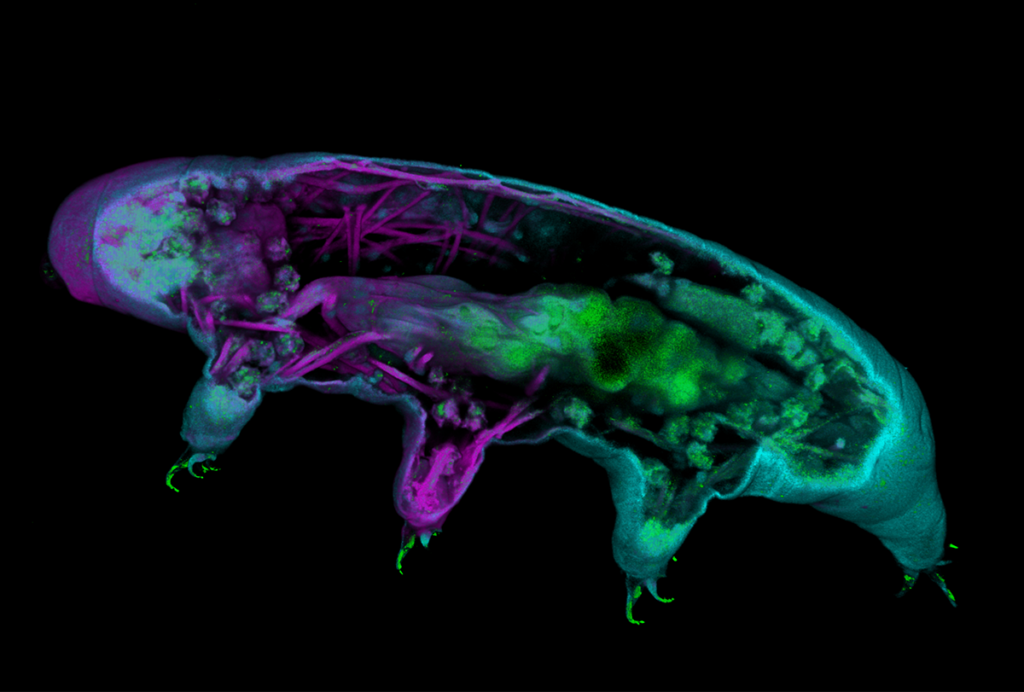
How tiny tardigrades could help tackle systems neuroscience questions
The eight-legged, millimeter-long animals reveal how small nervous systems produce complex behaviors and perceptual abilities, a preprint suggests.
How tiny tardigrades could help tackle systems neuroscience questions
The eight-legged, millimeter-long animals reveal how small nervous systems produce complex behaviors and perceptual abilities, a preprint suggests.
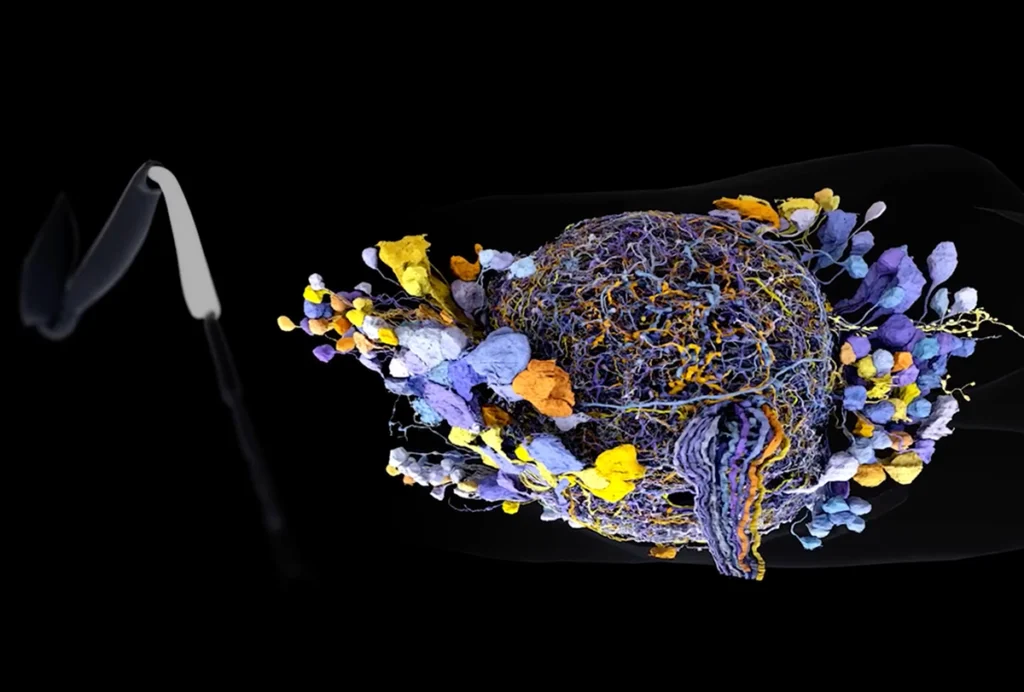
New connectomes fly beyond the brain
Researchers are mapping the neurons in Drosophila’s ventral nerve cord, where the central nervous system meets the rest of the body.
New connectomes fly beyond the brain
Researchers are mapping the neurons in Drosophila’s ventral nerve cord, where the central nervous system meets the rest of the body.
Explore more from The Transmitter
What if nonhuman primate research goes away?
As the U.S. government takes steps to stop using nonhuman primates in research, The Transmitter investigates what that shift could mean for neuroscience.
What if nonhuman primate research goes away?
As the U.S. government takes steps to stop using nonhuman primates in research, The Transmitter investigates what that shift could mean for neuroscience.
Is it time for neuroscience to shift its focus from a computational mind to a navigating mind?
Andrea Hiott explains her navigational approach to the mind, and why now is the time to embrace seemingly paradoxical findings in neuroscience.
Is it time for neuroscience to shift its focus from a computational mind to a navigating mind?
Andrea Hiott explains her navigational approach to the mind, and why now is the time to embrace seemingly paradoxical findings in neuroscience.
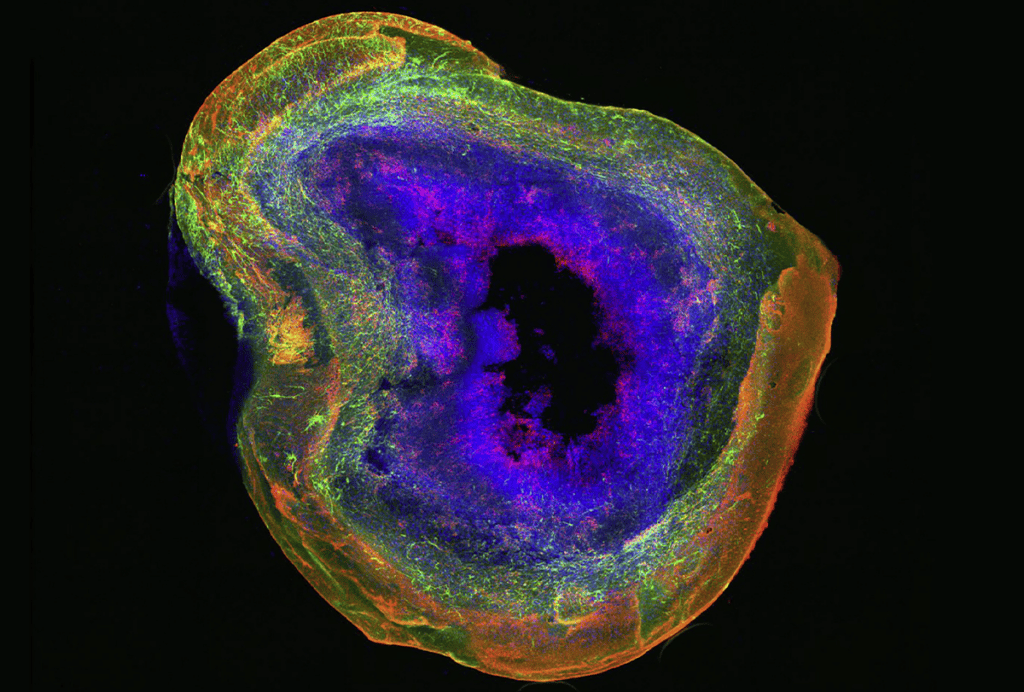
Human brain organoids come of age—but still have room to grow
The U.S. government has touted organoids as an alternative to animals for studying the brain. The model has improved since its debut in 2013, but scientists are still working to overcome key limitations: immaturity, consistency and the lack of vascularization.
Human brain organoids come of age—but still have room to grow
The U.S. government has touted organoids as an alternative to animals for studying the brain. The model has improved since its debut in 2013, but scientists are still working to overcome key limitations: immaturity, consistency and the lack of vascularization.