Motor cortex
Recent articles
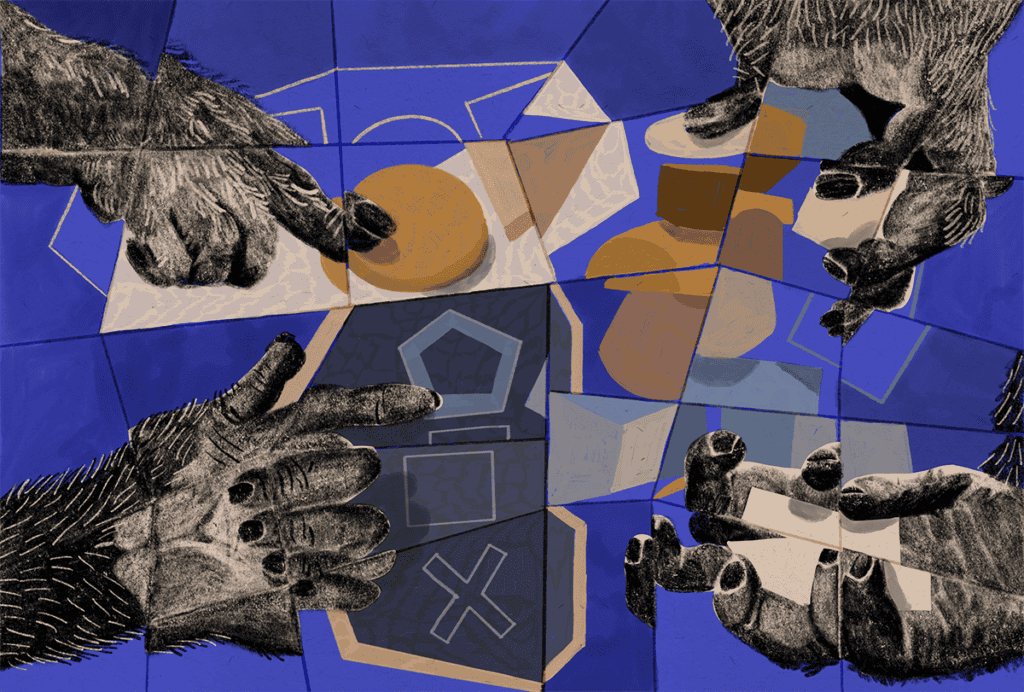
The neuroscience questions that need nonhuman primates
The Transmitter asked 17 neuroscientists what questions might remain unanswered if support for nonhuman primate research continues to decline.
The neuroscience questions that need nonhuman primates
The Transmitter asked 17 neuroscientists what questions might remain unanswered if support for nonhuman primate research continues to decline.
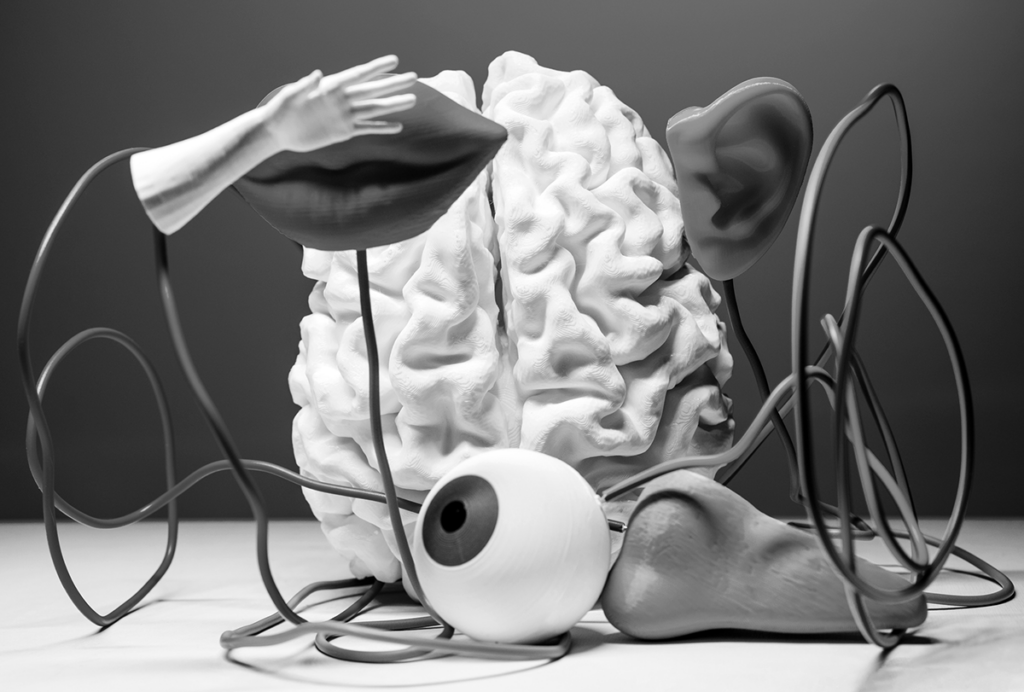
Single-neuron recordings zoom into ‘blurry map’ of human motor cortex
The motor cortex is organized into an "intermixed jumble of tiles" to generate meaningful movement.
Single-neuron recordings zoom into ‘blurry map’ of human motor cortex
The motor cortex is organized into an "intermixed jumble of tiles" to generate meaningful movement.
Facial movements telegraph cognition in mice
If you give a mouse a decision, its thought process may show on its face.
Facial movements telegraph cognition in mice
If you give a mouse a decision, its thought process may show on its face.
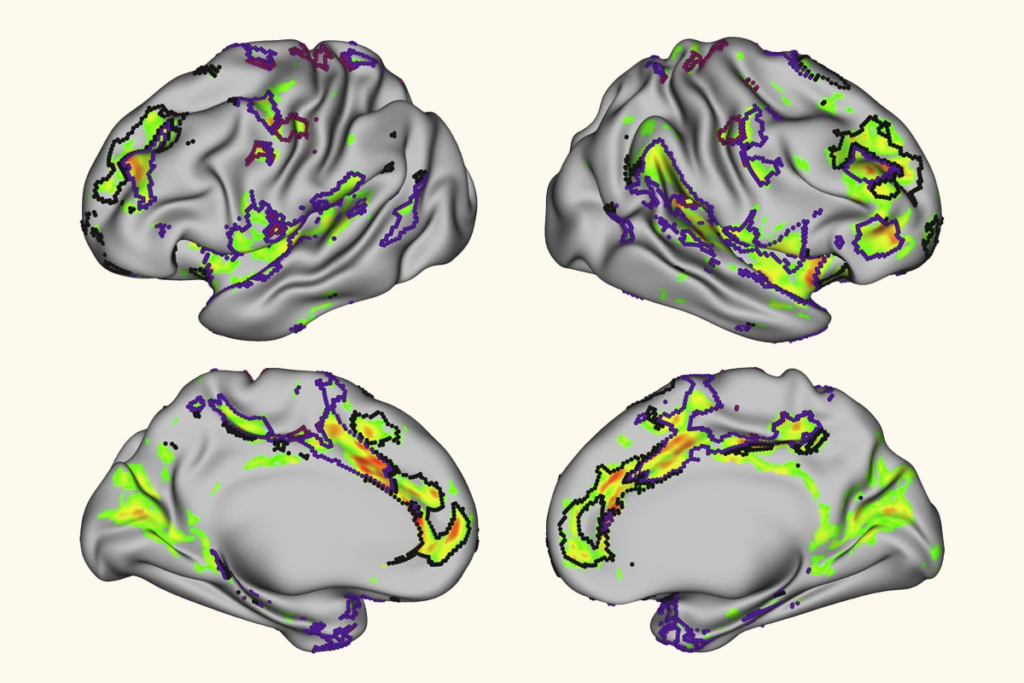
‘Ancient’ brainstem structure evolved beyond basic motor control
The human red nucleus may also help coordinate action, reward and motivated behavior, a new study suggests.
‘Ancient’ brainstem structure evolved beyond basic motor control
The human red nucleus may also help coordinate action, reward and motivated behavior, a new study suggests.
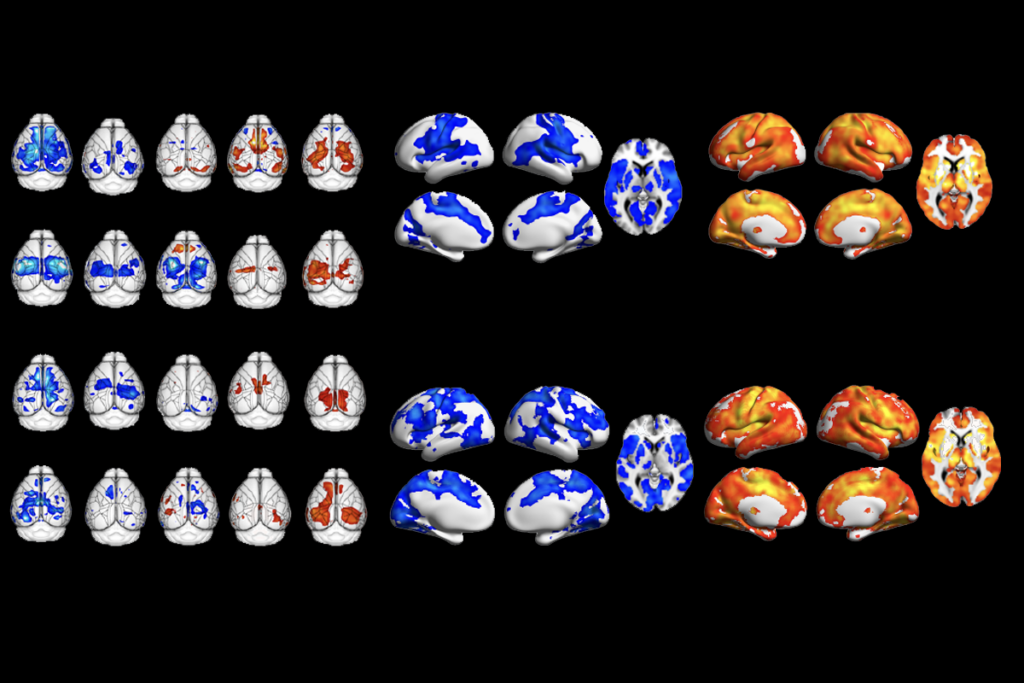
Too much or too little brain synchrony may underlie autism subtypes
Functional connectivity differences in autism mouse models point to two subtypes that correspond to patterns seen in some people with the condition.
Too much or too little brain synchrony may underlie autism subtypes
Functional connectivity differences in autism mouse models point to two subtypes that correspond to patterns seen in some people with the condition.
Karen Adolph explains how we develop our ability to move through the world
How do babies' bodies and their environment teach them to move—and how can robots benefit from these insights?
Karen Adolph explains how we develop our ability to move through the world
How do babies' bodies and their environment teach them to move—and how can robots benefit from these insights?
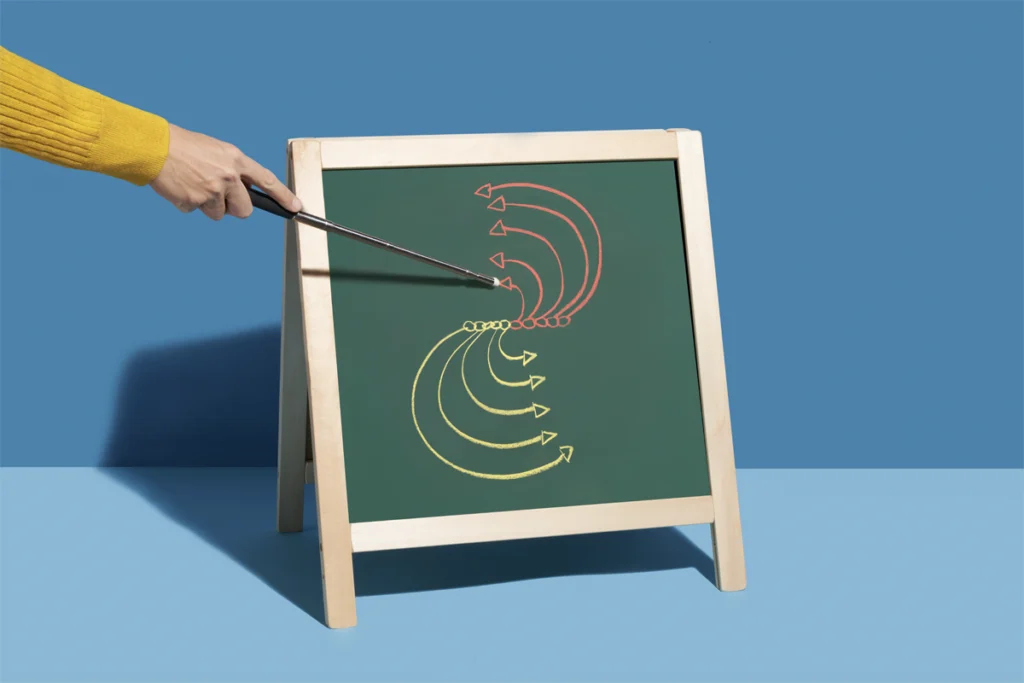
From a scientist’s perspective: The Transmitter’s top five essays in 2023
From big-picture debates about theories and terms to practical tips for teaching and writing, our favorite expert-written articles offer a glimpse into what neuroscientists are thinking.
From a scientist’s perspective: The Transmitter’s top five essays in 2023
From big-picture debates about theories and terms to practical tips for teaching and writing, our favorite expert-written articles offer a glimpse into what neuroscientists are thinking.
How to teach this paper: ‘Neural population dynamics during reaching,’ by Churchland & Cunningham et al. (2012)
This foundational paper, with more than 1,500 citations, is an important departure from early neuroscience research. Don’t be afraid of the math in the first paragraph.
How to teach this paper: ‘Neural population dynamics during reaching,’ by Churchland & Cunningham et al. (2012)
This foundational paper, with more than 1,500 citations, is an important departure from early neuroscience research. Don’t be afraid of the math in the first paragraph.
Explore more from The Transmitter

Highly cited autism paper earns expression of concern over data duplications
The notice, published in Nature last week, also addressed an image duplication identified by a prominent research-integrity sleuth.
Highly cited autism paper earns expression of concern over data duplications
The notice, published in Nature last week, also addressed an image duplication identified by a prominent research-integrity sleuth.
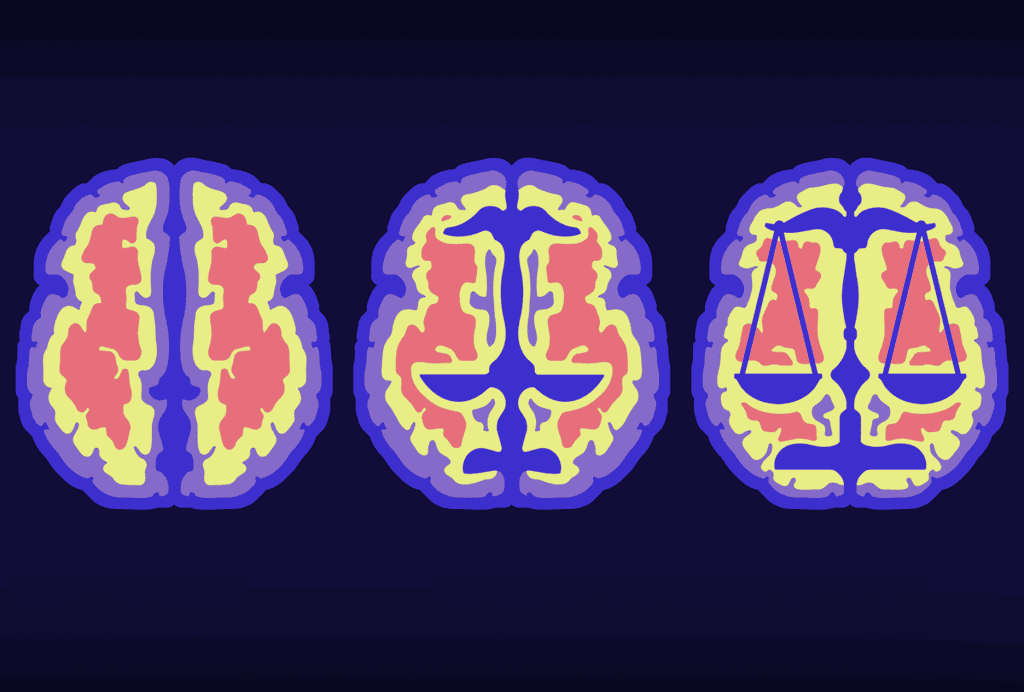
Govern neurodata by how it’s used, not where it’s from
New neurodata laws will shape how researchers gather, share and reuse brain data. A use-based governance protects basic researchers and those whose data are being used, without freezing science.
Govern neurodata by how it’s used, not where it’s from
New neurodata laws will shape how researchers gather, share and reuse brain data. A use-based governance protects basic researchers and those whose data are being used, without freezing science.
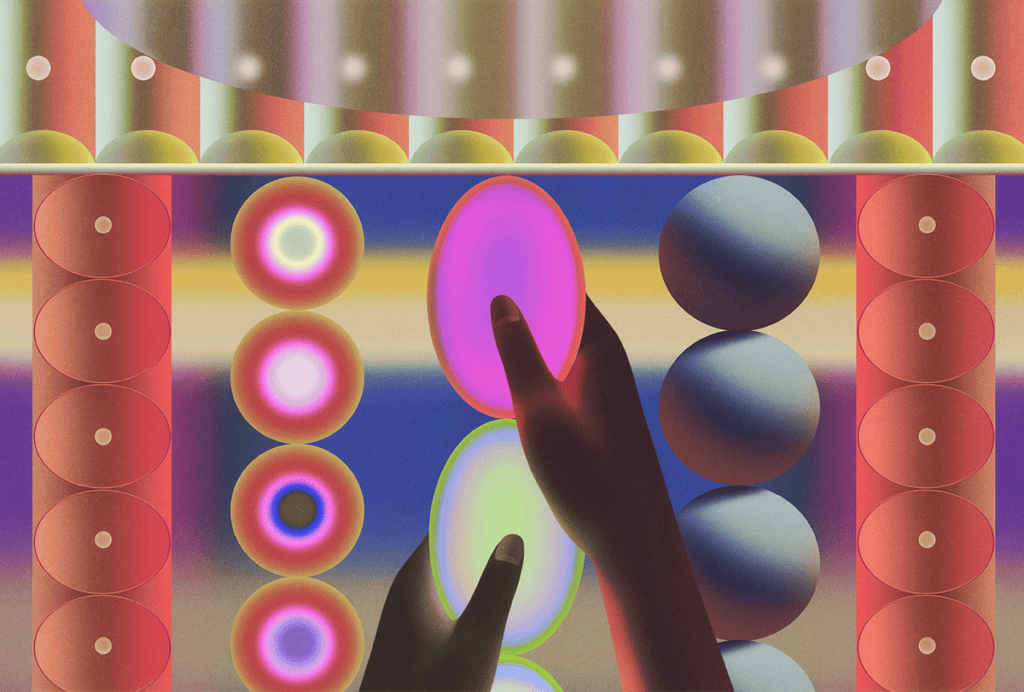
How new technologies can bring primatologists and systems neuroscientists together
The two groups study the same behavioral phenomena yet rarely interact or read each other's work—a mutual blind spot that weakens both fields. New technologies offer a chance to bring them together.
How new technologies can bring primatologists and systems neuroscientists together
The two groups study the same behavioral phenomena yet rarely interact or read each other's work—a mutual blind spot that weakens both fields. New technologies offer a chance to bring them together.