Postmortem brains
Recent articles
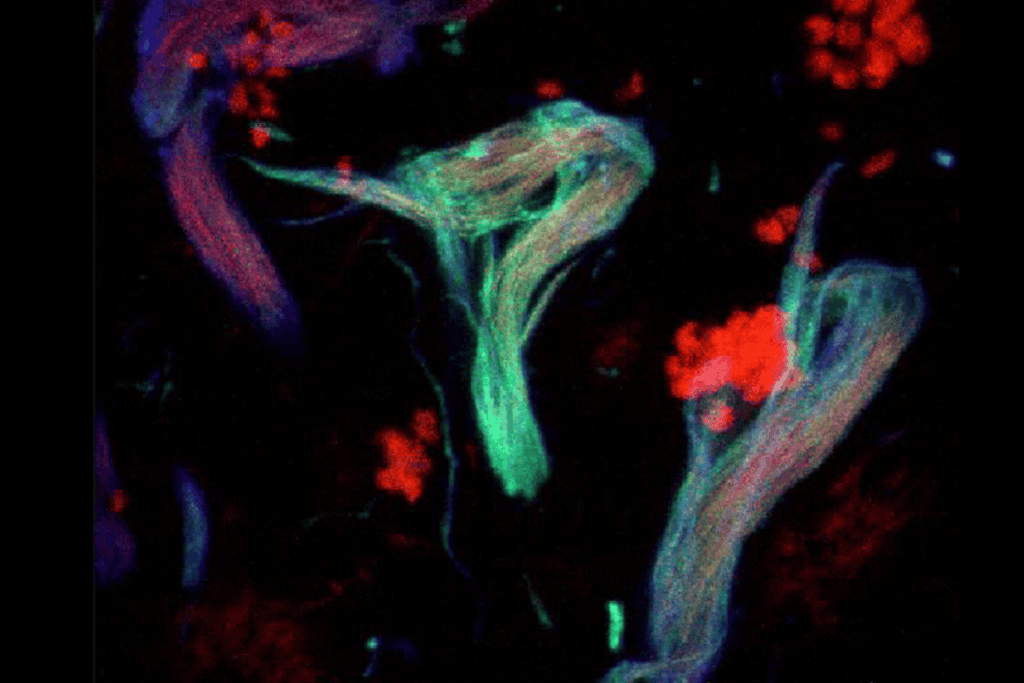
Reimagining Mexico’s brain bank
Since Alzheimer’s disease researcher José Luna-Muñoz assumed leadership of the facility—Latin America’s oldest—in 2011, he has been acquiring additional tissue types and is working to expand donor recruitment to rural areas.
Reimagining Mexico’s brain bank
Since Alzheimer’s disease researcher José Luna-Muñoz assumed leadership of the facility—Latin America’s oldest—in 2011, he has been acquiring additional tissue types and is working to expand donor recruitment to rural areas.
Reimaginando o banco de cérebros do México
Desde que o pesquisador da doença de Alzheimer José Luna-Muñoz assumiu a direção da instituição—a mais antiga da América Latina—em 2011, ele vem adquirindo novos tipos de tecido e trabalhando para ampliar o recrutamento de doadores nas áreas rurais
Reimaginando o banco de cérebros do México
Desde que o pesquisador da doença de Alzheimer José Luna-Muñoz assumiu a direção da instituição—a mais antiga da América Latina—em 2011, ele vem adquirindo novos tipos de tecido e trabalhando para ampliar o recrutamento de doadores nas áreas rurais
Reimaginando el banco de cerebros de México
Desde que el investigador de la enfermedad de Alzheimer José Luna-Muñoz se hizo cargo del banco de cerebros—el más antiguo de América Latina—en 2011, ha incorporado otros tipos de tejidos y trabaja para ampliar la captación de donantes a las zonas rurales.
Reimaginando el banco de cerebros de México
Desde que el investigador de la enfermedad de Alzheimer José Luna-Muñoz se hizo cargo del banco de cerebros—el más antiguo de América Latina—en 2011, ha incorporado otros tipos de tejidos y trabaja para ampliar la captación de donantes a las zonas rurales.
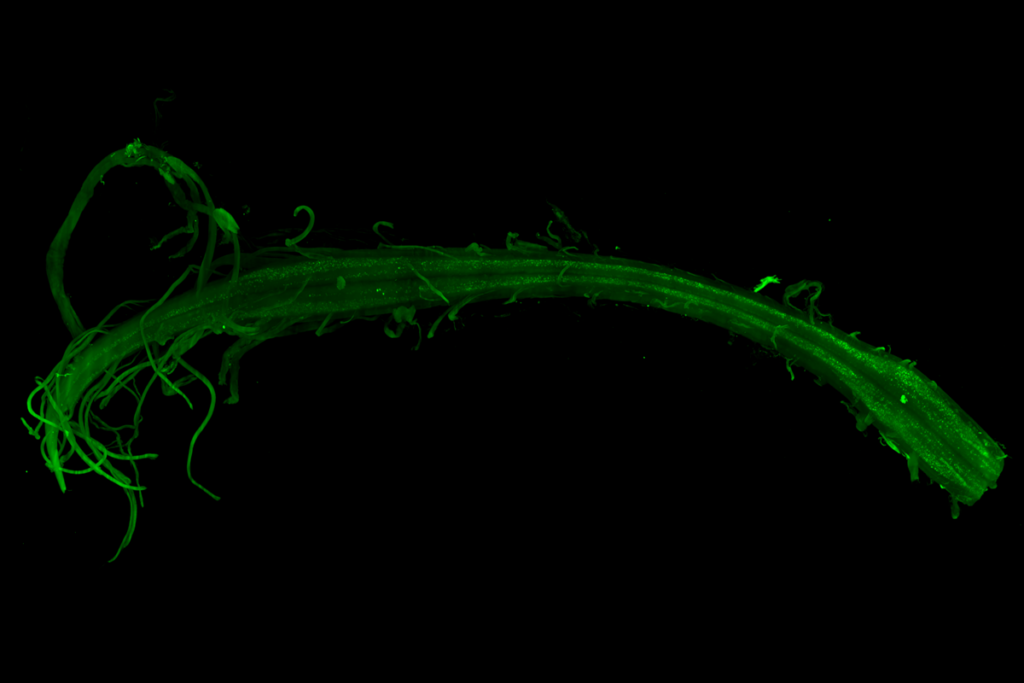
Allen Institute sets sights on treatments for five brain diseases
The Brain Health Accelerator program aims to harness single-cell transcriptomics and cell-type-specific genetic tools to develop treatments for Alzheimer’s, Huntington’s and Parkinson’s diseases, Lewy body dementia and ALS.
Allen Institute sets sights on treatments for five brain diseases
The Brain Health Accelerator program aims to harness single-cell transcriptomics and cell-type-specific genetic tools to develop treatments for Alzheimer’s, Huntington’s and Parkinson’s diseases, Lewy body dementia and ALS.
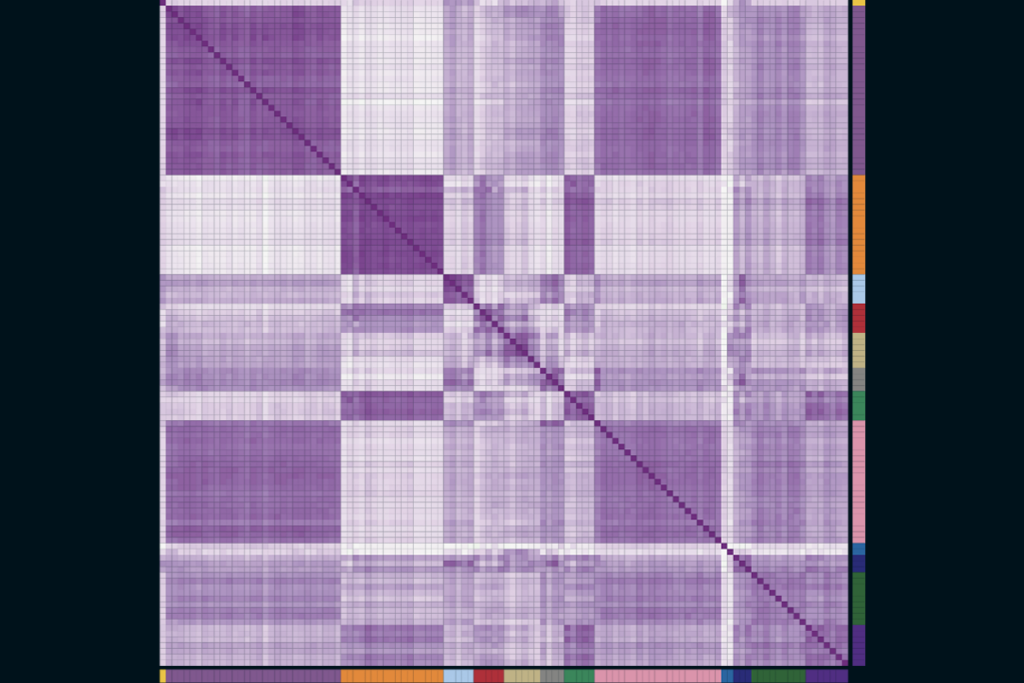
Gene activity in human cortex shows striking sex differences
The results mark a “dramatic shift” in how neuroscientists think about sex differences, and they may help explain sex biases in certain neurodegenerative and neurodevelopmental conditions.
Gene activity in human cortex shows striking sex differences
The results mark a “dramatic shift” in how neuroscientists think about sex differences, and they may help explain sex biases in certain neurodegenerative and neurodevelopmental conditions.
Exclusive: Recruitment issues jeopardize ambitious plan for human brain atlas
A lack of six new brain donors may stop the project from meeting its goal to pair molecular and cellular data with the functional organization of the cortex.
Exclusive: Recruitment issues jeopardize ambitious plan for human brain atlas
A lack of six new brain donors may stop the project from meeting its goal to pair molecular and cellular data with the functional organization of the cortex.
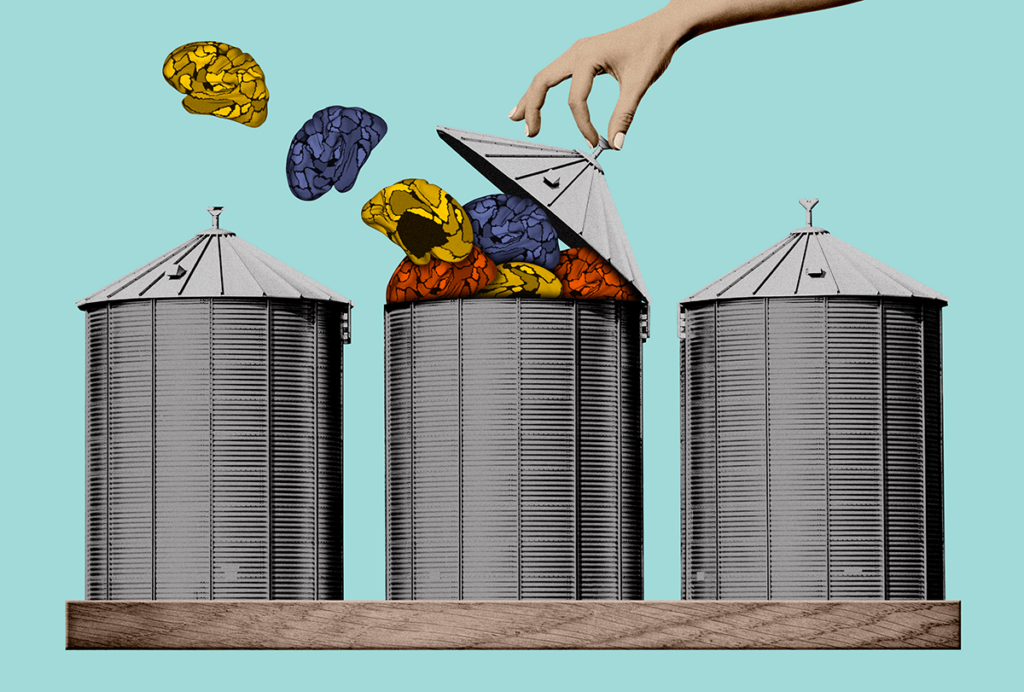
To make a meaningful contribution to neuroscience, fMRI must break out of its silo
We need to develop research programs that link phenomena across levels, from genes and molecules to cells, circuits, networks and behavior.
To make a meaningful contribution to neuroscience, fMRI must break out of its silo
We need to develop research programs that link phenomena across levels, from genes and molecules to cells, circuits, networks and behavior.
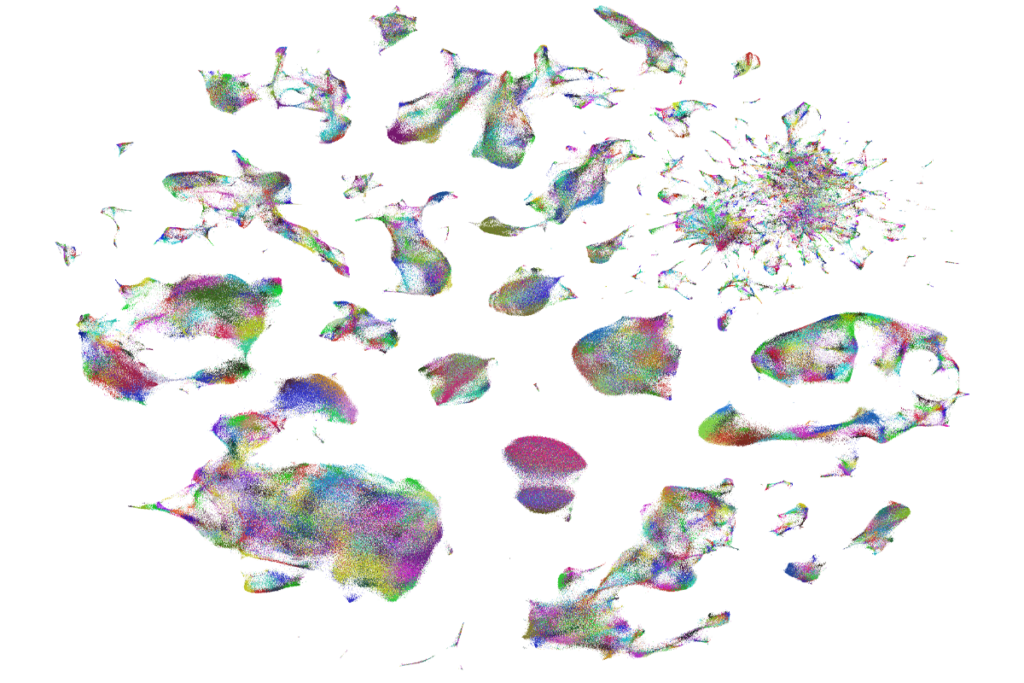
Single-cell genomics technologies and cell atlases have ushered in a new era of human neurobiology
Single-cell approaches are already shedding light on the human brain, identifying cell types that are most vulnerable in the early stages of Alzheimer’s disease, for example.
Single-cell genomics technologies and cell atlases have ushered in a new era of human neurobiology
Single-cell approaches are already shedding light on the human brain, identifying cell types that are most vulnerable in the early stages of Alzheimer’s disease, for example.
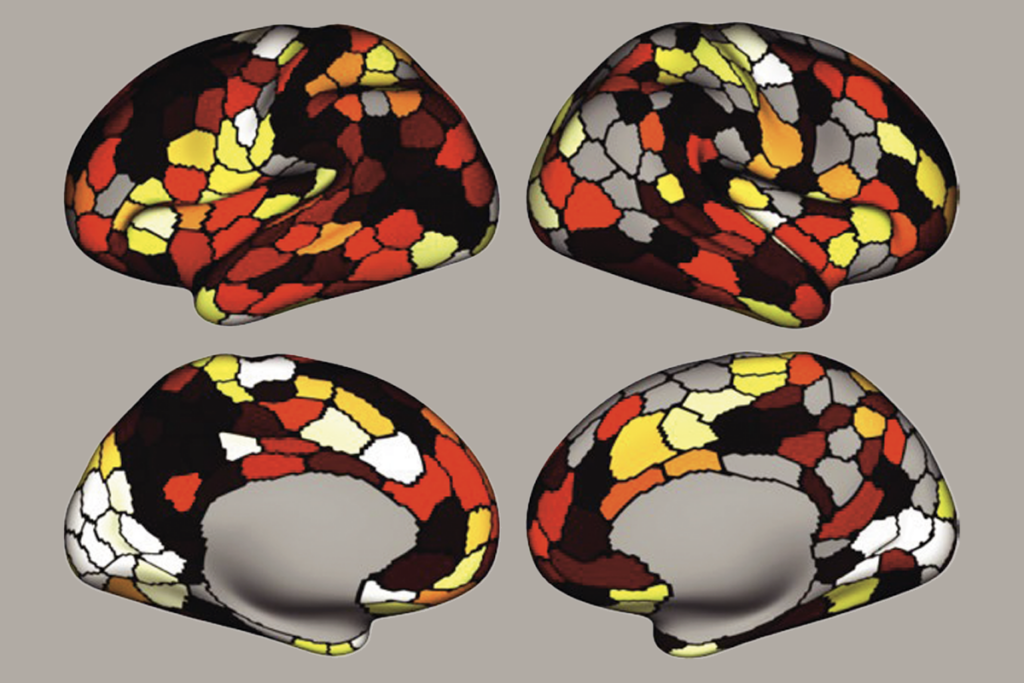
Cell ‘fingerprints’ identify distinct cortical networks
These networks align with different assemblages of cells, a finding that could reveal how cellular diversity influences brain function, according to a new study.
Cell ‘fingerprints’ identify distinct cortical networks
These networks align with different assemblages of cells, a finding that could reveal how cellular diversity influences brain function, according to a new study.
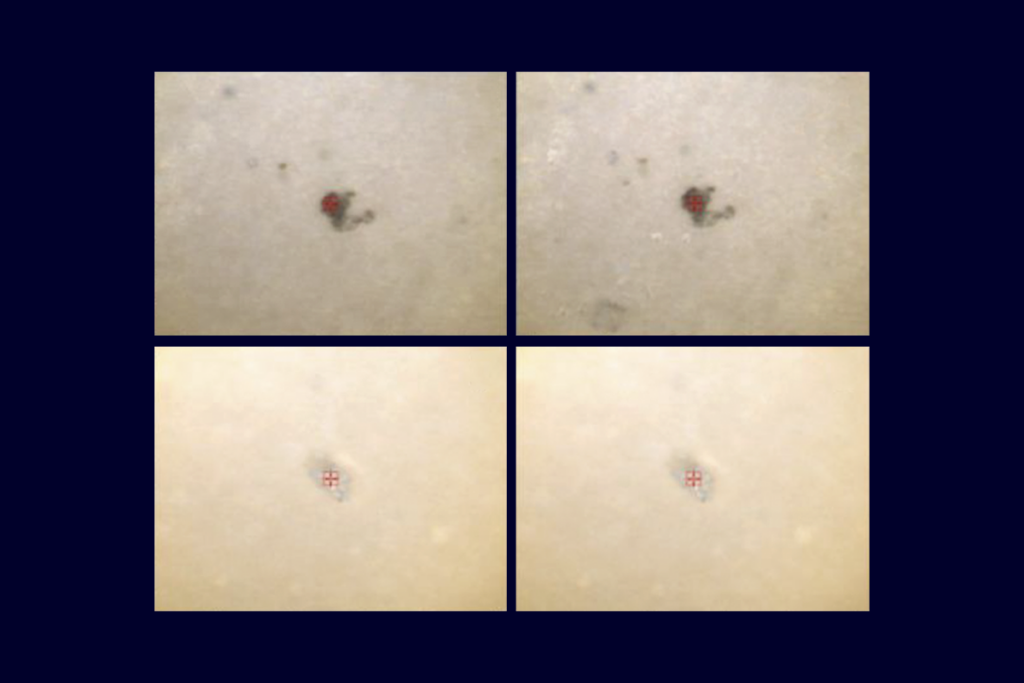
‘Spoonful of plastics in your brain’ paper has duplicated images
The duplications likely do not alter the conclusions, but the paper contains other methodological issues, two independent microplastics researchers say.
‘Spoonful of plastics in your brain’ paper has duplicated images
The duplications likely do not alter the conclusions, but the paper contains other methodological issues, two independent microplastics researchers say.
Explore more from The Transmitter
Finding neuroheterogeneity’s sweet spot
Once thought to be detrimental to memory processing, neuronal diversity—at the right ‘Goldilocks’ dose—is a new boon to theoretical neuroscience.
Finding neuroheterogeneity’s sweet spot
Once thought to be detrimental to memory processing, neuronal diversity—at the right ‘Goldilocks’ dose—is a new boon to theoretical neuroscience.

COVID-19 and influenza effects in pregnancy; and more
Here is a roundup of autism-related news and research spotted around the web for the week of 19 October.
COVID-19 and influenza effects in pregnancy; and more
Here is a roundup of autism-related news and research spotted around the web for the week of 19 October.
What to do when traditional mechanistic approaches no longer work
Many complex behaviors have stubbornly resisted mechanistic explanations. Deciphering them will require new approaches—and perhaps a new concept of “understanding.”
What to do when traditional mechanistic approaches no longer work
Many complex behaviors have stubbornly resisted mechanistic explanations. Deciphering them will require new approaches—and perhaps a new concept of “understanding.”